Carlos Courtney
Meta Andromeda
Andromeda Creative Diversity: Why You Need 15-20 Unique Ads to Scale
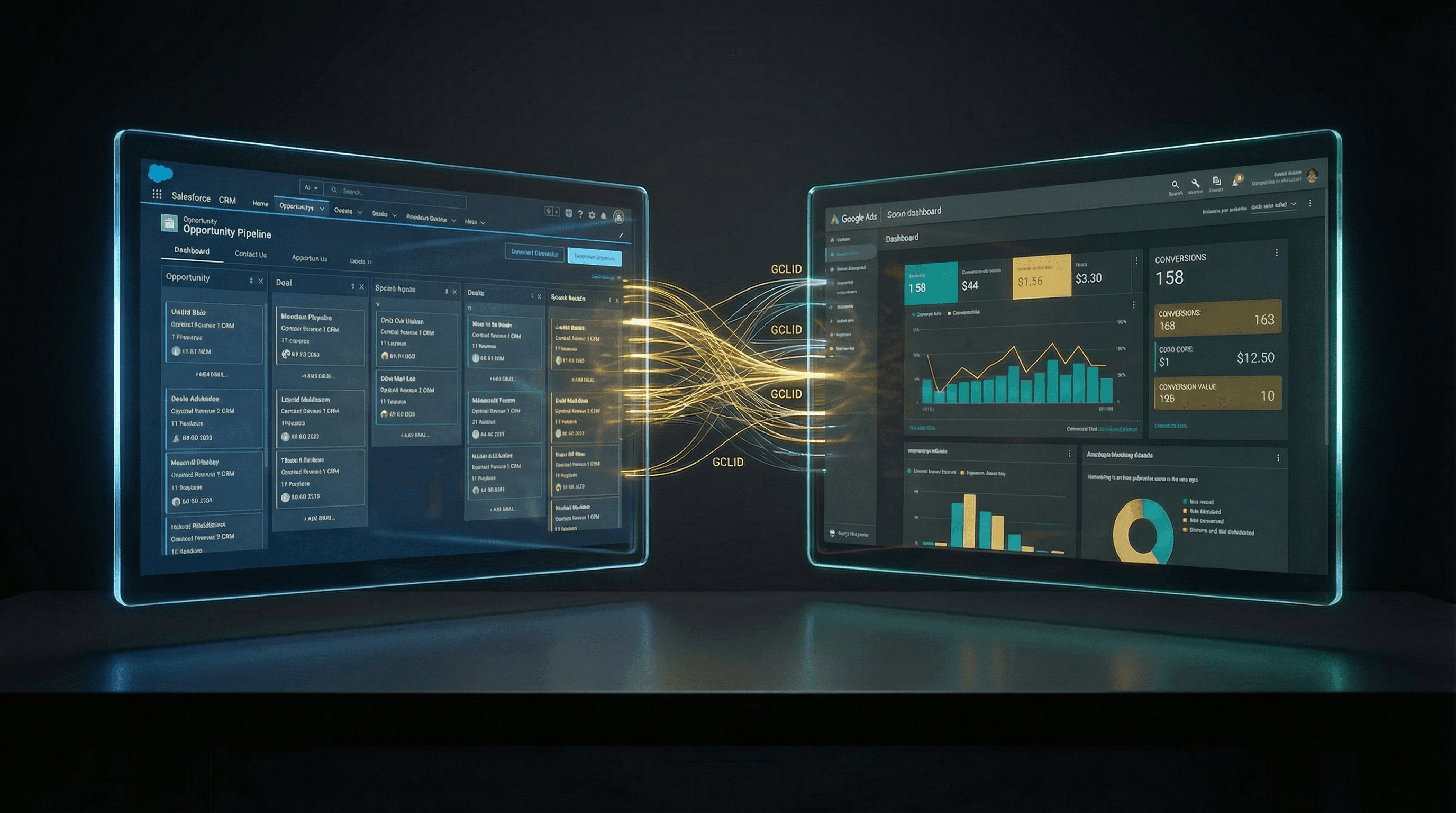
So, you're trying to get your ads to perform better, right? Especially with Meta's Andromeda system, it seems like everyone's talking about needing way more ads. But it's not just about throwing more stuff at the wall. The real trick, and what we're diving into, is something called Andromeda creative diversity. It's about making sure those ads are actually different, not just tiny tweaks. Think of it as giving the algorithm a whole toolbox of messages instead of just a few hammers. This approach helps Andromeda figure out who to show what to, making your ad spend work a lot smarter.
Key Takeaways
To really make Andromeda work for you, you need a bunch of unique ads – think 15 to 20 or even more. These aren't just slightly different versions of the same thing; they need to offer distinct messages and angles.
True creative diversity means varying your value propositions, emotional appeals, hooks, and storytelling. It’s about showing different facets of your product or service to different people.
Don't fall for 'fake diversity.' Minor changes like button colors or swapping a single word won't fool the AI. Andromeda needs genuinely different concepts to learn effectively.
Utilize a mix of formats like videos, static images, testimonials, and demonstrations. Each format can highlight different aspects and appeal to different viewer preferences.
Simplify your campaign structure by using broad targeting and fewer ad sets. This allows Andromeda to focus its learning on creative performance, which is now the main driver for reaching diverse audience segments.
1. Different Value Propositions
When you're trying to get your ads to really work, especially with systems like Andromeda, you can't just show people the same thing over and over. One of the biggest ways to mix things up is by talking about your product or service in different ways. Think about what makes your offer special. Is it the lowest price out there? Or is it super high quality, maybe even a bit luxurious? Perhaps it saves people a ton of time, or maybe it's all about the status you get from owning it.
You need to show people the tangible benefits, not just the features. For example, instead of saying "Our software has advanced analytics," try "Save 5 hours a week on reporting with our advanced analytics." That's a real benefit people can grasp.
Here are a few ways to frame your value proposition:
Price/Affordability: "Get premium quality without the premium price tag."
Quality/Exclusivity: "Crafted with the finest materials for an unparalleled experience."
Convenience/Time-Saving: "Simplify your routine and reclaim your day."
Results/Transformation: "Achieve your fitness goals faster than ever before."
It's not just about listing these; it's about showing them. A customer might be looking for a deal, while another is willing to pay more for top-notch quality. Your ads need to speak to both of them. This is how you clearly define your target audience and the problem you solve.
Trying to appeal to everyone with the same message is like shouting into the wind. You need to tailor your message so that different people hear what they want to hear. It’s about showing them how your product fits into their life and makes it better.
By testing these different angles, you give the ad platform more information about who is most interested in what aspect of your offer. This helps it find the right people more efficiently, which is key to attracting more leads and scaling your business effectively.
2. Various Formats
Okay, so we've talked about what you're saying, but now let's get into how you're saying it. This is where format comes in. Think of it like this: you wouldn't try to explain a complex recipe using only a single picture, right? You need different ways to show people what's up. The same goes for your ads. Using a mix of formats gives the algorithm more ways to understand what works best for different people.
It’s not just about slapping your logo on a picture. You need to think about videos, carousels, single images, and even those behind-the-scenes peeks that make your brand feel more real. Each format has its own strengths. Videos can show a product in action, carousels can highlight multiple features or products, and a well-designed single image can grab attention instantly.
Here’s a quick rundown of some formats to consider:
User-Generated Content (UGC) Videos: These feel super authentic because they come from actual customers. People trust other people.
Professional Product Photography: High-quality images that make your product look its absolute best. Think clean backgrounds and good lighting.
Product Demonstration Videos: Show, don't just tell. Let people see exactly how your product works and the benefits it offers.
Customer Testimonials: Hearing directly from happy customers is powerful social proof.
Before/After Comparisons: These are great for showing a clear transformation or solution.
Carousel Ads: Perfect for showcasing a range of products or different aspects of a single product.
Single Image Ads: Still effective when done right, especially with compelling visuals and clear text overlays.
Lifestyle Imagery: Show your product being used in real-life situations, helping potential customers picture themselves using it.
Don't just create one type of ad and expect it to hit every mark. The platform's AI needs variety to figure out who to show what to. If you only give it videos, it might miss out on people who respond better to static images, or vice versa. It’s about giving the system options so it can do its job better, leading to better results like improved conversion rates.
Think about your audience. Are they scrolling quickly on their phones? A short, punchy video or a striking image might be best. Are they more engaged and looking for details? A carousel or a longer demo video could be the way to go. Mixing these up is key to reaching more people effectively.
3. Multiple Emotional Angles
People don't just buy products; they buy feelings, solutions, and aspirations. When you're running ads, especially with a system like Andromeda that learns so fast, you can't just stick to one way of talking to people. You need to hit them from different emotional angles. Think about it – one person might be motivated by the fear of missing out, while another is driven by the desire for a better future.
Here are a few ways to tap into different emotions:
Aspiration: Show people the ideal version of themselves they can become with your product. Think "Imagine yourself achieving this" or "Be the person who..."
Problem/Solution: Directly address a pain point and present your product as the clear fix. This is straightforward and effective, like "Tired of X? We have the answer."
Social Proof: People trust other people. Using testimonials or showing how many others use your product taps into the need to belong and the desire to follow the crowd.
FOMO (Fear Of Missing Out): Create a sense of urgency. Limited-time offers or exclusive deals can push people to act now.
Transformation: Focus on the journey from a less desirable state to a much better one. "From struggling to succeeding" is a powerful narrative.
Belonging: Connect with the audience by showing how your product helps them find their community or fit in.
You're not just selling a thing; you're selling an experience, a feeling, or a solution to a problem that's been bugging someone. By using a mix of these emotional appeals, you give Andromeda more signals about who responds to what, helping it find more people who will actually care about what you're offering.
Don't just show what your product does; show how it makes people feel. This variety is what helps your ads stand out and perform better over time.
4. Diverse Hooks and Storytelling
Think about it: you've got just a few seconds to stop someone from scrolling. That's where your hook comes in. It's the opening line, the first image, the initial sound that either makes someone pause or makes them keep going. And it's not just about grabbing attention; it's about telling a story that connects. A good hook sets the stage for the whole narrative.
The goal is to create an immediate connection with the audience.
We're not just talking about slightly different wording here. True diversity in hooks and storytelling means exploring different ways to frame your message. Are you leading with a question that sparks curiosity? Maybe a bold statement that challenges common beliefs? Or perhaps a relatable problem that your audience faces every day?
Here are a few ways to mix up your hooks and stories:
Question Hooks: "Ever wondered why your plants always die?" or "What if you could get that perfect glow without the sun damage?"
Bold Statement Hooks: "Most people are wasting money on skincare." or "This one ingredient changes everything."
Story-Driven Hooks: "Three months ago, I was struggling to sleep. Now..." or "My business was failing until I discovered this simple trick."
Direct Call-to-Action Hooks: "Stop scrolling. You need to see this solution." or "Don't buy another gadget until you watch this."
It’s easy to fall into the trap of thinking a minor tweak is enough, but the algorithm sees through that. For example, changing the background color of the same image or swapping out one adjective in your headline doesn't really count as a new creative signal. You need genuinely different approaches. Consider how effective advertising hooks grab attention by using contrast or sparking curiosity. That's the kind of difference we're aiming for.
The narrative you build around your product or service is just as important as the product itself. People connect with stories, with relatable experiences, and with solutions that speak directly to their needs. Don't just show them what you sell; show them how it fits into their lives and solves their problems.
5. Meta’s Top 10 Content Topics
Meta has put together a list of content topics that really help make your ads stand out. It's not just about showing off your product; it's about telling a story and connecting with people on different levels. Think of it as giving the ad system more distinct signals to work with, not just a bunch of similar-looking ads.
These topics go beyond just targeting people who are already looking to buy. They aim to educate, evoke emotion, and compare, which is key for building a narrative. The goal is to give the algorithm a diverse palette of creative ideas to test and learn from.
Here are the top 10 content topics Meta suggests for diversifying your ads:
Product Demonstrations: Show exactly how your product works. People like seeing things in action.
Customer Testimonials & Reviews: Let happy customers do the talking. Real experiences build trust.
User-Generated Content (UGC): Authentic videos and photos from actual users feel more genuine.
Features & Benefits: Clearly explain what your product does and why it matters to the customer.
Brand Origin Stories: Share where you came from. People connect with the human side of brands.
Comparison Content: Show how your product stacks up against alternatives, like before-and-after shots or direct comparisons.
Educational Content: Answer common questions your audience has. Position yourself as a helpful resource.
Promotional Offers & Deals: Everyone loves a good discount or special offer.
Versatility Demonstrations: Show off all the different ways your product can be used.
Behind-the-Scenes & Founder Content: Give people a peek into your company culture or the story of the founder.
It's important to remember that just changing the colors or text on the same basic ad concept doesn't count as true diversity. The system is smart enough to see through that. You need genuinely different angles and formats to make a real impact and see those campaign performance improvements.
By mixing and matching these content topics, you give Meta's ad system a much better chance to find the right people for your ads. It’s about creating a variety of messages that speak to different needs and interests, making your overall advertising effort much stronger.
6. User-Generated Content Videos
Okay, so let's talk about user-generated content, or UGC, videos. These are the ads that look like they were filmed by your actual customers, not some slick marketing agency. Think shaky camera work, real people talking about your product, maybe even a little bit of background noise. This kind of authenticity is gold for ad platforms like Meta's Andromeda. It feels more real, you know? People trust what other people say more than they trust polished ads.
Why does it work so well? Well, it taps into that social proof thing. When someone sees a regular person like them using and loving a product, it's way more convincing. It’s not just about showing the product; it’s about showing the experience of using the product. This can be anything from a quick unboxing to a full-blown testimonial about how it changed their life (or at least their day).
Here’s a quick breakdown of why UGC videos are so good for scaling:
Trust Factor: Real people, real opinions. It cuts through the noise.
Relatability: Viewers see themselves in the creators.
Cost-Effective: Often cheaper to produce than high-end commercials.
Algorithm Friendly: Platforms often favor content that feels native and engaging.
The key is to encourage your actual customers to create content and then get their permission to use it in your ads. It’s like having a whole team of unpaid marketers, but way more genuine. You can even use platforms designed to help manage creator ads, like Billo.
When you're thinking about UGC, don't just go for the perfect testimonial. Mix it up. Get videos that show different use cases, different types of people, and different problems your product solves. The more variety you have, the more signals you give the algorithm to figure out who will respond best to your message. It’s about showing your product in action, through the eyes of the people who actually use it.
7. Professional Product Photography
When you're trying to get people to buy something online, the pictures you use really matter. Professional product photography isn't just about making your item look good; it's about showing its quality and making it seem desirable. Clear, sharp images build trust and can make a big difference in whether someone clicks 'buy' or scrolls past. Think about it: you're not there to talk to the customer, so your photos have to do all the talking. They need to highlight the details, the texture, and the overall appeal of what you're selling.
Different types of shots can show off your product in various ways:
Hero Shots: These are often the main image, showing the product in its best light, maybe with some simple styling.
Detail Shots: Close-ups that focus on specific features, materials, or craftsmanship.
Contextual Shots: Showing the product in use or in a setting that helps the customer imagine owning it.
Group Shots: If you sell items that go together, showing them as a set can encourage multiple purchases.
It's not just about having one good photo. You need a range of images that cover different aspects of your product. This helps customers get a full picture and feel more confident in their decision. If you're on a tight budget, there are ways to achieve great product photos without spending a fortune, but investing in quality visuals is key for scaling.
The goal is to create visuals that are not only attractive but also informative. Customers want to see exactly what they're getting, and professional photos provide that clarity. They communicate quality and attention to detail, which reflects positively on your brand as a whole.
8. Product Demonstration Videos

Product demonstration videos are a really straightforward way to show people exactly what your product does. Think about it, instead of just telling someone about a new gadget, you can actually show them using it, right there on screen. This kind of content is super helpful because it cuts through all the marketing talk and gets straight to the point. It answers the 'how does this work?' question before anyone even has to ask.
These videos can take a few different forms. You might have a simple screen recording showing software features, or a more involved setup demonstrating a physical product. The key is to be clear and concise. Nobody wants to watch a 10-minute video of someone fumbling around with a new tool. Aim for short, punchy demos that highlight the main benefits and ease of use. For example, you could show:
How to set up the product in under a minute.
The top three features in action.
A common problem the product solves, shown step-by-step.
When you're planning these out, consider what your audience actually needs to see. Are they tech-savvy, or do they need things explained very simply? Tailoring the demo to their level of understanding makes a big difference. It’s also a good idea to have a few different versions, maybe one that’s a quick overview and another that goes into more detail on specific functions. This approach helps you cover more ground and appeal to a wider range of potential customers. Exploring effective product demo video examples can give you some great ideas for your own campaigns.
Showing is always better than telling. A good demo video builds confidence and reduces the perceived risk for potential buyers. It’s a visual promise of what they’ll get.
For complex products, especially in industries like B2B or technology, these demos are invaluable. They can help potential clients visualize how a solution fits into their workflow. Agencies specializing in these sectors often focus on creating these kinds of detailed visual explanations, much like how some marketing partners help with complex B2B sales.
9. Customer Testimonials
People trust other people way more than they trust ads. That's just how it is. When someone sees a real person talking about how your product actually helped them, it feels more honest. It's like getting a recommendation from a friend, not a sales pitch.
Customer testimonials are gold for a few reasons:
Builds Trust: Hearing directly from satisfied customers cuts through the noise and skepticism.
Shows Real-World Value: They highlight how your product solves actual problems or improves lives.
Provides Social Proof: Seeing that others have had positive experiences encourages new customers to try your product.
Think about it – would you rather buy something based on a slick ad or after hearing a few people rave about it? Most of us would go with the latter. These aren't just nice stories; they're powerful signals to potential buyers that your product delivers on its promises. Authentic feedback is a game-changer for scaling.
When you collect testimonials, try to get specific details. Instead of just 'It was great!', aim for 'I used it for my dry skin, and within a week, it was so much smoother. I haven't found anything else that works like it.' Those kinds of details make a huge difference.
We've seen campaigns where adding genuine customer stories dramatically improved ad performance. It's a simple concept, but incredibly effective for driving growth. It helps potential customers visualize themselves benefiting from your product, making the decision to purchase much easier. It’s a smart way to show, not just tell, what makes your brand special.
10. Before/After Comparisons
Showing a clear transformation is a really powerful way to grab attention. People love seeing tangible results, and before-and-after ads deliver exactly that. They visually demonstrate the impact of your product or service, making the benefits undeniable.
This type of ad works because it directly addresses a problem and then presents your solution as the clear answer. It’s a straightforward narrative that’s easy for viewers to understand and relate to.
Here’s why they’re so effective:
Visual Proof: They offer undeniable evidence of effectiveness. Seeing is believing, and a strong before-and-after shot leaves little room for doubt.
Problem/Solution Clarity: They immediately highlight a pain point the customer might be experiencing and then showcase how your offering resolves it.
Emotional Connection: Transformations often evoke feelings of hope, relief, or aspiration, creating a stronger bond with the viewer.
Shareability: Compelling transformations are often shared by users, extending your reach organically.
When creating these ads, make sure the 'before' state is relatable and the 'after' state is aspirational and clearly linked to your product. Think about what specific problem your product solves and how that change looks visually. For instance, a skincare product might show a before picture with blemishes and an after picture with clear skin. Or a cleaning service could show a messy room versus a spotless one. The key is to make the contrast stark and the improvement obvious. This approach can really boost your ad campaign performance.
The effectiveness of before-and-after content lies in its directness. It cuts through the noise by presenting a clear, visual argument for your product's value. Instead of just telling people what your product does, you're showing them the dramatic change it can bring about in a real-world scenario.
Remember, authenticity matters. While you want to show a significant improvement, avoid making claims that seem too good to be true. Genuine transformations are more believable and build trust, which is vital for long-term success. Using a variety of these comparison ads, alongside other creative types, helps keep your campaigns fresh and engaging for different audience segments, much like how retail brands use dynamic ads to personalize their messaging.
11. Carousel Ads
Carousel ads are a really neat way to show off multiple things in one ad unit. Think of it like a digital flipbook or a mini-catalog right there in someone's feed. You can use them to highlight different product features, show a range of benefits, or even tell a short story across several cards. The real power comes from being able to guide the viewer through a specific journey or showcase a variety of options without them having to click away.
They're super flexible. You could use a carousel to:
Showcase different colorways or styles of a single product.
Walk through the steps of how to use a service or product.
Present a collection of related items that work well together.
Highlight various customer pain points and how your product solves them.
It's not just about showing more stuff; it's about presenting information in a digestible, interactive way. People can swipe through at their own pace, focusing on what catches their eye. This format is great for performance advertising, allowing advertisers to showcase multiple products, benefits, and offers. This format is effective for driving urgency and highlighting various aspects of a campaign. When you're trying to scale, having a few different carousel concepts can really help you test what messaging sticks with different audiences. It gives you more real estate to play with compared to a single image or video, and that extra space can be used strategically. Remember, each card is an opportunity to make a point or draw someone in further. You can even use them to tell a story, with each card building on the last, leading to a final call to action. It's a dynamic way to communicate value and keep potential customers engaged longer than a static ad might. For example, you could have a carousel that starts with a problem, then shows the solution, followed by social proof, and ends with a special offer. This kind of structured storytelling within a single ad unit can be very effective. It's a good idea to have a mix of these in your ad library when you're working with systems like Andromeda, as they provide a different kind of engagement than single images or videos. They can be particularly useful for demonstrating a range of features or benefits that might be too much to cram into one visual.
Carousel ads offer a unique opportunity to layer information and guide the user's attention. Instead of overwhelming them with everything at once, you can present a curated sequence of visuals and text, allowing them to explore at their own pace. This controlled narrative can be incredibly effective for complex products or services.
When you're thinking about your 15-20 unique ads, don't forget to include a few carousel variations. They can be a powerful tool in your arsenal for driving conversions and keeping your campaigns fresh.
12. Single Image Ads
Single image ads are like the reliable workhorses of your ad campaigns. They’re straightforward, easy to create, and can be incredibly effective when done right. Think of them as a snapshot that needs to tell a whole story or make a strong point instantly. The key is to make that one image work as hard as possible.
When you’re building out your 15-20 unique ads, don’t forget to include a solid batch of single image concepts. These can cover a lot of ground, from showcasing a product’s aesthetic appeal to highlighting a key benefit or even conveying a feeling. They’re great for grabbing attention quickly as someone scrolls through their feed. You want an image that stops the scroll, you know?
Here’s a breakdown of how to make them count:
Product Focus: A clean, high-quality shot of your product. This works best when the product itself is visually appealing or has a unique design.
Lifestyle Shot: Show your product in use. This helps potential customers imagine themselves using it and connects the product to a certain lifestyle or aspiration.
Benefit Highlight: An image that visually represents the main benefit of your product. For example, if your product saves time, the image might show someone relaxing while the product does its work.
Emotional Connection: An image that evokes a specific emotion related to your brand or product. This could be happiness, relief, excitement, or even nostalgia.
It’s easy to think that video is king these days, and sure, it’s important. But a well-chosen, impactful static image can sometimes cut through the noise even better. It forces the viewer to pause and process, and if the image is strong enough, that pause can lead to interest and action. Don't underestimate the power of a single, compelling visual.
When you’re thinking about your creative mix, aim to have a good portion of your ads be single images. They’re often easier to produce in volume, which helps you reach that 15-20 unique ad goal faster. Plus, they can perform really well across different placements, especially when you let Advantage+ Placements do its thing. Just make sure the image quality is top-notch and the message is clear. It’s all about making that one shot count.
13. Lifestyle Imagery
Sometimes, people don't just want to see the product; they want to see themselves using it, living a certain kind of life. That's where lifestyle imagery comes in. It's all about showing your product in a real-world setting, making it relatable and aspirational.
Think about it: a picture of a person happily sipping coffee on a sunny patio with your mug, or someone effortlessly using your gadget while traveling. These images sell a feeling, an experience, not just an item. It helps potential customers imagine how the product fits into their own lives and the kind of lifestyle they desire.
Here's why it's so effective:
Relatability: People connect with seeing others like them enjoying a product.
Aspiration: It shows a desired outcome or a better version of their current life.
Context: It demonstrates the product's use in a natural, everyday environment.
Emotional Connection: It taps into feelings and desires beyond just the functional benefits.
When creating these images, try to capture authentic moments. It doesn't always have to be perfect; sometimes, a candid shot feels more genuine. Consider the environment – is it a cozy home, a bustling city street, or a serene natural landscape? The background plays a big role in setting the mood. For example, if you're selling outdoor gear, showing it in use during a hike or camping trip makes perfect sense. This kind of visual storytelling can really help your brand stand out, especially in a busy market like Dallas. You want to capture that Lone Star spirit in your visuals.
Using lifestyle imagery is like giving your audience a sneak peek into a better future, one where your product is a natural, positive part of their day. It's about showing, not just telling, the benefits.
It's important to ensure your lifestyle shots align with the overall brand message. If your brand is about adventure, the imagery should reflect that. If it's about relaxation, the visuals should be calm and serene. This consistency helps build a strong brand identity. You can even use these images to highlight specific use cases, like showing how your product makes a busy morning routine easier. This approach can be incredibly effective for creative ad campaigns.
14. Founder Story Content
People connect with people, not just products. When you share your founder's story, you're giving potential customers a look behind the curtain. It’s about the 'why' behind your brand, the passion that started it all. This isn't just about selling something; it's about building a relationship.
Think about it: what got you started? Was it a personal problem you couldn't solve? A gap you saw in the market? Sharing these origins can make your brand feel more human and relatable. It helps people understand your values and what drives you.
Here’s why it works:
Builds Trust: Authenticity is key. When customers see the real person or people behind the business, it's easier to trust the brand.
Creates Emotional Connection: Stories tap into emotions. A founder's journey, with its ups and downs, can be inspiring and create a bond.
Differentiates Your Brand: In a crowded market, your unique story can set you apart from competitors who only focus on product features.
Sharing the founder's story can humanize your brand, making it more relatable and trustworthy. It’s about the passion and purpose that drives the business, offering a unique angle that product-focused ads often miss.
It doesn't have to be a long, drawn-out saga. A short video clip or a few compelling paragraphs can go a long way. The goal is to show the heart and soul of your company.
15. Problem-Solution Messaging
Look, everyone's got problems, right? Your potential customers definitely do. And they're out there, scrolling through their feeds, hoping to stumble upon something that actually helps them. That's where problem-solution messaging comes in. It's about showing people you get their struggles and, more importantly, that you have the answer.
Think about it. If someone's constantly battling frizzy hair, and your ad pops up saying, "Tired of humidity ruining your style? Our new serum locks in moisture for smooth, sleek hair all day," that's going to grab their attention. It speaks directly to their pain point. This direct approach cuts through the noise because it's immediately relevant.
Here's how to nail it:
Identify the Core Problem: What's the biggest headache your product or service solves? Get specific. Is it saving time, reducing stress, fixing a common annoyance, or achieving a desired outcome that feels out of reach?
Clearly State the Problem: Don't be shy. Use language your audience uses to describe their issues. Phrases like "Are you struggling with...?" or "Fed up with...?" work well.
Introduce Your Solution: This is where you shine. Explain how your offering directly addresses the problem you just highlighted. Focus on the benefits and the relief it provides.
Show, Don't Just Tell: Use visuals or short video clips that illustrate the problem and then the transformation your solution brings. Before-and-after shots are classic for a reason.
This kind of messaging is powerful because it taps into a fundamental human desire: to find relief from discomfort and achieve a better state. It's not just about selling a product; it's about offering a genuine fix.
When you're creating ads, consider different ways to frame this. Maybe you focus on the consequences of not solving the problem, or perhaps you highlight the ease with which your solution works. For instance, if you're selling a meal prep service, you could show a chaotic kitchen scene followed by a calm person enjoying a pre-made healthy meal. It’s all about connecting with that immediate need. This is a core part of how debate clip ads can be effective by addressing viewer pain points directly. It’s a strategy that Metaphase Marketing also understands, focusing on solving buyer needs at the right moment.
16. Social Proof
People tend to trust what others are saying about a product or service. It's like asking a friend for a recommendation, but on a much larger scale. When potential customers see that many other people have bought, used, and liked what you offer, they feel more confident about making their own purchase. It takes away some of the risk they might feel.
Think about it: if you're looking at two similar products, and one has tons of positive reviews and mentions, while the other has none, which one are you more likely to choose? It's usually the one with the buzz around it.
Here are a few ways to show off that social proof:
Customer Testimonials: Direct quotes or short video clips from happy customers talking about their experience. These feel very real and personal.
User-Generated Content (UGC): Photos or videos of actual customers using your product in their everyday lives. This shows the product in action, not just in a staged setting.
Review Scores: Displaying star ratings or numerical scores from review sites can give a quick, visual cue of satisfaction.
"X Customers Served" or "Y Sold" Counters: Numbers can be powerful. Seeing a large number of people who have already bought into your offering builds trust.
Showing that other people trust your brand and product is a powerful way to reduce buyer hesitation. It's not just about saying your product is good; it's about showing that many others agree.
This kind of validation helps Andromeda's algorithm too. When ads feature content that clearly shows positive customer experiences, it signals to the system that this is something people like and engage with, which can lead to better ad delivery.
17. Transformation Focused
People love seeing what's possible. Showing a clear transformation, whether it's a personal change, a product upgrade, or a problem solved, really grabs attention. It’s about painting a picture of a better future for the viewer.
Think about it: you're scrolling through your feed, and suddenly you see an ad that shows someone going from point A to point B. Maybe it's a fitness product showing before and after photos, or a software tool that takes a messy spreadsheet and turns it into a clean report. This visual journey of change is incredibly compelling.
Here’s why transformation-focused ads work so well:
They tap into desire: Everyone wants to improve something about their life, their work, or their appearance. Transformation ads speak directly to that desire.
They offer a clear benefit: Instead of just listing features, you're showing the result of those features. It’s the difference between saying "our cream has retinol" and showing a face with fewer wrinkles.
They build trust: Seeing a tangible change makes your product or service seem more real and effective. It’s proof that what you offer actually works.
When creating these ads, focus on the 'after' state. What does life look like for your customer once they've used your product or service? Make that the star of the show. It’s not just about selling a product; it’s about selling a better version of their life. This approach can really redefine branding strategies for your business.
The key is to make the transformation believable and relatable. Over-the-top claims can backfire, but a genuine depiction of positive change can be a powerful motivator for potential customers. It’s about showing them what’s achievable.
Consider these elements when crafting your transformation ads:
The 'Before' State: Briefly show the problem or the starting point. This could be a struggle, a pain point, or a less-than-ideal situation.
The 'During' (Optional): Sometimes, showing a quick glimpse of the process can add credibility, but keep it brief.
The 'After' State: This is the main event. Showcase the positive outcome, the achieved goal, or the improved situation clearly and vividly.
By focusing on the journey from struggle to success, you create ads that don't just inform, but also inspire action. It’s a core part of building a strong performance marketing strategy.
18. Aspiration Angles
People want to be better, richer, happier, or more successful. Ads that tap into these desires can really grab attention. It's about showing them a future they want to achieve, a version of themselves they aspire to be.
Think about it: who doesn't want to imagine a life where things are easier, more fun, or more impressive? This angle plays on that fundamental human drive. It's not just about selling a product; it's about selling a dream, a possibility.
Here are a few ways to approach aspiration:
Showcasing a transformed lifestyle: Imagine your customer enjoying the benefits of your product in a high-end setting or a moment of pure bliss.
Highlighting achievement: Position your product as a tool that helps users reach their goals, whether it's career success, personal fitness, or creative mastery.
Appealing to status: For some products, showing how they align with a sophisticated or desirable social group can be very effective.
The key is to make the aspiration feel attainable and desirable. It needs to connect with what your target audience truly wants for themselves.
When crafting these ads, focus on the feeling your product provides, not just its features. What does success look like for your customer, and how does your product fit into that picture? It's about painting a picture of a better tomorrow, today.
This approach works well because it goes beyond the practical. It taps into emotions and long-term desires. For instance, showing someone confidently presenting a project after using your productivity tool, or a traveler effortlessly navigating a new city with your app, speaks volumes about the potential your product unlocks. It's about selling the 'after' picture, the ideal state that your customer is striving for. This is where you can really make a connection with potential customers by showing them what's possible with Metaphase Marketing driving their campaigns.
19. Question Hooks
You know, sometimes the best way to get someone to stop scrolling and actually pay attention is to ask them something. It’s like a little mental nudge, right? Instead of just telling them about your product, you pose a question that makes them think, maybe even relate to a problem they have.
Think about it. If you see an ad that asks, "Tired of your coffee going cold before you finish it?" you might pause. You might think, "Yeah, actually, I am!" That's the power of a good question hook. It immediately pulls the viewer in because it speaks directly to a potential need or curiosity they might have. It’s a way to start a conversation, even if it’s just a one-sided one in their head for now.
Here are a few ways to frame your questions:
Problem-focused: "Ever struggle to find the right outfit for a last-minute event?"
Curiosity-driven: "Did you know there's a way to organize your digital photos in under an hour?"
Benefit-oriented: "What if you could cut your commute time in half?"
Intrigue-building: "Why are so many people switching to this new type of workout?"
These kinds of questions are great because they don't just present information; they invite engagement. They make the audience an active participant in their own discovery process. It’s a smart way to craft compelling opening lines for your content.
Using questions as hooks is a simple yet effective tactic. It taps into natural human curiosity and the desire to find answers. When done right, it can significantly boost engagement because it feels less like an advertisement and more like a helpful suggestion or an interesting tidbit.
It’s not just about asking any question, though. The question needs to be relevant to what you’re offering and something your target audience actually cares about. A question that’s too broad or too niche might fall flat. But when you hit that sweet spot, you’ve got a hook that can really make your ad stand out. It’s a key part of a story-driven narrative that can capture attention.
20. Bold Statement Hooks
Sometimes, you just need to grab attention right away. That's where bold statement hooks come in. These are short, punchy phrases that make a strong claim or present a surprising fact. They're designed to stop the scroll and make people think, "Wait, what?" Think of it like walking into a room and someone shouting something unexpected – you're going to turn your head.
These hooks work because they tap into curiosity and often challenge common assumptions. They can be about a problem people didn't realize they had, or a solution that sounds too good to be true. The key is to be confident and direct.
Here are a few ways to think about crafting these:
Challenge a common belief: "Most people are doing X completely wrong."
State a surprising benefit: "You can achieve Y in half the time."
Reveal a hidden truth: "The secret ingredient nobody tells you about is..."
It's important that these statements are backed up by your product or service, of course. You don't want to make a big claim and then have nothing to show for it. But when done right, a bold statement can be incredibly effective at grabbing attention.
Bold statements create an immediate sense of intrigue. They promise a revelation or a shortcut, making the viewer feel like they're about to discover something important. This can be a powerful motivator for clicking through to learn more.
21. Story-Driven Narratives
People connect with stories. It’s how we’ve shared information and built communities forever. When you’re advertising, telling a story can make your product or service feel more real and relatable. Instead of just listing features, you’re showing how something fits into someone’s life, or how it helped them overcome a challenge. This approach helps build an emotional connection that goes beyond a simple transaction.
Think about it: a customer struggling with a common problem, finding your product, and then experiencing a positive change. That’s a narrative arc. It’s more engaging than just saying, 'Buy this, it's good.' You can use different types of stories too. Maybe it’s a founder’s journey, a customer’s success, or even a fictional scenario that highlights a benefit.
Here are a few ways to frame your story ads:
The Origin Story: How did the company or product start? What was the initial problem or inspiration?
The Transformation Story: Show a clear before-and-after, focusing on the journey and the results.
The Day-in-the-Life Story: Illustrate how your product or service integrates into a typical day.
The Problem/Solution Story: Detail a specific pain point and how your offering resolves it.
Crafting a narrative means showing, not just telling. Use visuals and language that paint a picture for the viewer. What does the struggle look like? What does the success feel like? This makes the story memorable and impactful.
When you're creating these, remember to keep them concise. People scroll fast. A good story ad might start with a relatable problem or a moment of change, drawing viewers in quickly. You can even use elements from Austin's creative vibe to make your stories feel authentic and unique. The goal is to make the viewer feel something and remember your brand long after they’ve seen the ad.
22. Direct Call-to-Actions
Alright, let's talk about the end game for your ads: the call to action, or CTA. This is where you tell people exactly what you want them to do next. Think of it as the final handshake after a good conversation. If you've done a good job with the rest of your ad, the CTA is what seals the deal.
A clear, direct call to action is non-negotiable for scaling your campaigns. Without it, your ad might be interesting, but it won't lead to any actual results. You've got to guide your audience.
Here are some common CTAs you'll see:
Shop Now
Learn More
Sign Up
Get Started
Download Free Guide
Watch Demo
It's not just about picking one and sticking with it, though. The best CTAs are tailored to where someone is in their buying journey. Someone just discovering your brand might need a "Learn More" or "Download Free Guide" CTA, while someone ready to buy will respond better to "Shop Now" or "Buy Now." It's about making it easy for them to take the next step, whatever that might be. You can even test different CTAs to see which ones perform best for your specific audience and offer. This is a key part of making sure your ads are effective and drive actual conversions.
You want your call to action to be obvious. If someone has to hunt for it or guess what to do, you've already lost them. Make it stand out, use action-oriented words, and be specific about the benefit they'll get by clicking.
23. Point-of-View Formats
Point-of-view (POV) content puts the viewer right into the shoes of someone experiencing your product or service. It's like a mini-story told from a specific perspective, making it feel super relatable. Think of it as showing, not just telling, how something fits into real life. This approach can be really effective because it bypasses the usual ad-speak and gets straight to the user's potential experience.
This format is all about authenticity and showing the product in action from a user's perspective. It’s a way to build trust by demonstrating genuine use cases. Instead of a polished spokesperson, you might see someone using the product in their home, at work, or during a hobby. This makes the benefits feel more tangible and less like marketing hype.
Here’s why POV content works so well:
Relatability: Viewers see themselves in the situation, making the product's benefits more believable.
Authenticity: It often feels less staged and more like a genuine recommendation.
Contextualization: It shows exactly how and where the product is used, answering practical questions.
Engagement: The narrative style can draw viewers in more effectively than a direct sales pitch.
The key is to make the POV feel natural. It shouldn't look like it was filmed with a Hollywood crew. Think more along the lines of a well-shot smartphone video that captures a real moment. This is where you can really connect with people on a personal level, showing them how your product solves a problem or enhances their life in a way that feels earned, not just advertised. It’s about creating a connection that goes beyond just features and benefits, tapping into the emotional side of the purchase decision. For instance, showing someone struggling with a common task and then effortlessly using your product to fix it can be incredibly powerful. It’s a subtle yet effective way to communicate value and build desire. Remember, people trust other people, and POV content taps directly into that.
When creating POV ads, consider these angles:
Problem-Solution: Start with a common frustration, then show the product as the easy fix.
Day-in-the-Life: Integrate the product into a typical daily routine.
First Impression: Capture the genuine reaction of someone using the product for the first time.
Specific Use Case: Focus on one particular scenario where the product shines.
This type of content can be particularly effective on platforms where users are already consuming personal stories and recommendations. It’s a great way to stand out in a crowded feed, especially when you only have a few seconds to grab attention. Creatives that feel like they came from a real person often perform better, and POV is a prime example of that. It’s a strategy that helps you cut through the noise and make an impact with your audience.
24. Listicle Formats
Listicle ads, short for 'list article,' are a fantastic way to break down information into digestible chunks. Think "5 Ways to Improve Your Morning Routine" or "Top 3 Mistakes New Homeowners Make." This format makes complex ideas or product benefits super easy to grasp quickly. It's like giving someone a cheat sheet for your product or service.
Listicles work because our brains are wired to process numbered points efficiently. They promise a clear takeaway and a structured learning experience. For advertisers, this means a higher chance of capturing attention and conveying key messages without overwhelming the viewer. You can use them for anything from highlighting product features to explaining a process.
Here’s why they’re so effective:
Clarity: Information is organized logically, making it simple to follow.
Engagement: Numbers naturally draw the eye and create curiosity.
Memorability: Breaking down info into points helps people remember it better.
Shareability: People are more likely to share content that feels informative and easy to digest.
When creating listicle ads, focus on a strong, benefit-driven title. For example, instead of "Our Product Features," try "5 Reasons Our Product Will Save You Time." You can present these as static images with text overlays or even short videos where each point is revealed sequentially. This approach is great for explaining multiple benefits or use cases of a product, much like how you might see a local guide break down attractions. It’s a straightforward way to communicate value, and platforms often favor clean, simple designs that get straight to the point.
Listicle ads are your secret weapon for making information accessible. They take the guesswork out of understanding what you offer and why it matters, turning passive scrollers into informed potential customers.
25. Price Messaging and more
Okay, so we've talked a lot about different angles and formats, but let's get down to brass tacks: price. How you talk about the cost of your product can make or break a sale, especially when you're trying to scale. It's not just about slapping a number on it; it's about how you frame that number.
Think about it. Are you the budget-friendly option, or are you positioning yourself as a premium choice? Both can work, but you need to be consistent. If you're the cheapest, shout it from the rooftops. If you're more expensive, you better be explaining why – is it the quality, the unique features, the amazing customer service?
Here are a few ways to play with price messaging:
Direct Price Point: Clearly stating the cost. Good for simple, impulse-buy products.
Value Bundles: Offering multiple items together for a better overall price. This can increase your average order value.
Tiered Pricing: Presenting different versions of your product at different price points, allowing customers to choose what fits their budget and needs.
Subscription Models: Turning a one-time purchase into recurring revenue with a discount for commitment.
Limited-Time Offers: Creating urgency around a specific price or discount. This is a classic for a reason.
Sometimes, the best way to handle price is to make it part of a bigger story. Instead of just saying "It's $50," you could say, "For less than the cost of your daily coffee, you can solve [problem]." It reframes the expense into something manageable and relatable.
And don't forget about the other "more" stuff. This could include things like free shipping thresholds, payment plan options, or even loyalty program benefits that tie back to the overall cost for the customer. It's all about making the purchase as appealing and as easy as possible. You can find some great examples of innovative marketing campaigns that use price effectively in marketing campaign examples.
Ultimately, your price messaging needs to align with your overall brand positioning and the value you're providing. If your ads are all about luxury, a cheap price tag might confuse people. Conversely, if you're a budget brand, a high price without justification will just turn people away. It's a balancing act, for sure.
Thinking about how to talk about prices? We've got you covered. Understanding how to present your costs is key to making sales. Learn the best ways to share your pricing information and more. Visit our website today to discover smart strategies for your business!
So, What's the Takeaway?
Look, it's pretty clear that just throwing a few ads at the wall and hoping for the best isn't going to cut it anymore, especially with systems like Andromeda. The old way of doing things, where you’d spend ages trying to nail down super specific audiences, just doesn't work as well now. The real power comes from giving the algorithm a ton of different creative options – we're talking 15 to 20, or even more, truly unique ads. Think different messages, different looks, different ways of talking about your product. When you do that, you're basically handing Andromeda the keys to find the right people for each specific message, and that's how you really start to scale. So, stop worrying so much about hyper-targeting and start focusing on building a big library of diverse ads. It might seem like a lot of work upfront, but trust me, it's the path to better results.
Frequently Asked Questions
Why do I need so many different ads?
Think of it like talking to a big crowd. Not everyone likes the same thing. By showing lots of different ads – some funny, some serious, some showing how great the product is, and others showing how it solves a problem – you can reach more people with a message that really connects with them. The computer system (Andromeda) is smart and can figure out which ad works best for different people.
What makes an ad 'unique' for the system?
An ad is truly unique if it offers a different reason to buy. This could be focusing on a lower price, super high quality, how fast it works, or showing a totally different side of the product, like in a lifestyle picture versus a simple product shot. Just changing the color of a button or a single word doesn't count as different to the system.
How many ads should I aim for?
To really do well and help the system find the right people, you should aim for at least 15 to 20 different ad ideas. More is even better! This gives the system plenty of options to test and find the best matches.
What's the difference between old ad methods and using Andromeda?
Before, we spent a lot of time trying to find the perfect small groups of people to show ads to. Now, with Andromeda, we focus on showing lots of different ad types to bigger groups, and the system figures out who likes what. It's like letting a super-smart assistant do the heavy lifting of matching.
Can I just change the text on the same video?
No, that's usually not enough. The system looks for bigger changes. You need different main ideas, different ways of showing the product, or different stories. Simply tweaking the words or background color on the same video won't be seen as a truly new ad by the system.
What kind of ads work best?
A mix is best! Include videos showing the product in action, pictures of people using it happily, customer stories, and ads that clearly show the problem your product solves. Also, try different ways to grab attention, like asking a question or making a bold statement right at the start.