Carlos Courtney
Advertising
Top 7 Ad Optimization Tools for 2026

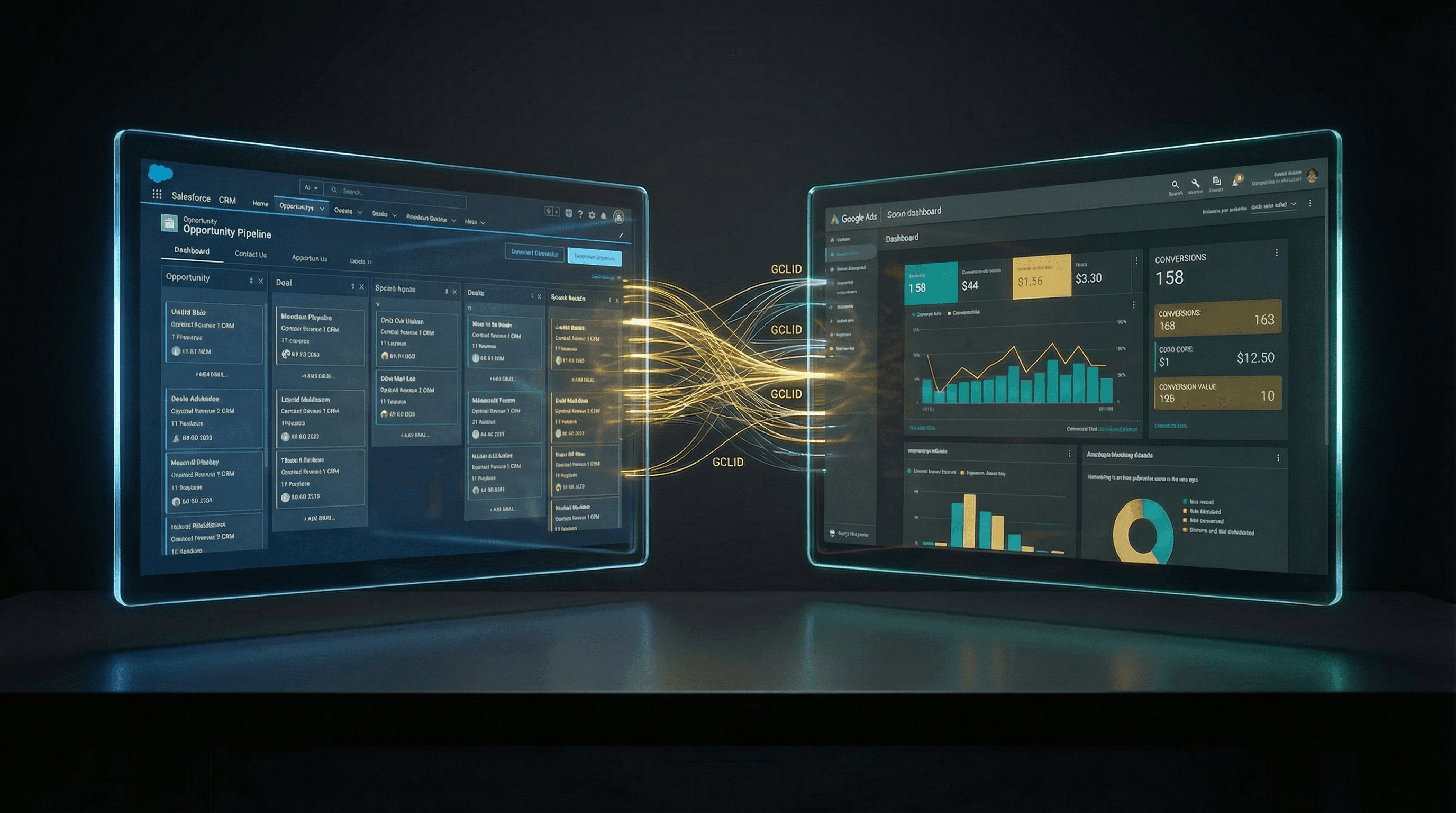
Getting your ads to perform well in 2026 isn't just about throwing money at the problem. It’s about being smart with your budget and making sure your message hits the right people at the right time. This means using the right ad optimization tools. These tools help you find what's not working, fix it, and make the good stuff even better. We’ll look at some of the top ad optimization tools out there to help you get more bang for your buck.
Key Takeaways
In 2026, success in paid media comes from smart systems and faster changes, not just more campaigns.
Ad optimization tools help improve ad performance by finding waste, automating tasks, and speeding up learning.
The best tools help you get more results for the same amount of money, or keep results steady when competition grows.
Choosing the right ad optimization tools means looking at what specific problems you need to solve, like cleaning up search terms or testing new ad ideas faster.
Optimization is an ongoing process, not a one-time fix; tools should support a regular cycle of checking, deciding, and making changes.
Introduction
Alright, let's talk about making your online ads actually work. It feels like every day there's a new way to spend money on ads, and honestly, keeping up can be a real headache. You're probably running ads on platforms like Meta, Google, or maybe even TikTok, and you want to make sure every dollar you spend is doing its job. The goal is simple: get more bang for your buck. But how do you actually do that? It's not just about throwing money at ads and hoping for the best. You need smart tools that can help you figure out what's working, what's not, and how to make things better.
Think of it like this: you wouldn't try to build a house without the right tools, right? Same goes for advertising. You need things that can analyze your campaigns, find patterns, and suggest changes. These tools can automate a lot of the tedious work, freeing you up to focus on the bigger picture. They help you understand your audience better and make sure your ads are seen by the right people at the right time. It's all about being smarter with your ad spend, not just spending more.
The digital ad landscape is always shifting. What worked last year might not cut it today. Staying ahead means using technology that can adapt quickly and give you an edge. These optimization tools are designed to do just that, helping you navigate the complexities and improve your results.
We're going to look at some of the top ad optimization tools available right now, heading into 2026. We'll break down what makes them stand out and how they can help you achieve your advertising goals. Whether you're a small business owner or part of a larger marketing team, there's likely a tool out there that can make a real difference in your campaign performance. Let's get started on finding the right fit for your business and maybe even help you achieve a profitable exit down the line.
What to Look for in an Ad Optimization Tool
Alright, so you're looking to get a handle on your ad spend and actually see some real results in 2026. That's smart. But with so many options out there, how do you pick the right ad optimization tool? It's not just about finding the cheapest or the one with the most features. You need something that fits how you actually work and helps you improve online advertising performance.
First off, think about what's slowing you down the most. Are you drowning in irrelevant search terms? Or maybe your ad creatives are getting stale faster than you can make new ones? Different tools tackle different problems. Some are great for cleaning up your targeting and bids, while others focus on helping you test new ad copy and images more effectively. It's often about building a stack of tools, not just one magic bullet. You'll want to look at digital ad platform analytics to see where the real bottlenecks are.
Here are some key areas to consider when picking your advertising campaign efficiency tools:
Automation Capabilities: Does it handle repetitive tasks like bid adjustments or budget allocation based on performance? This frees you up for more strategic thinking.
Creative Optimization Tools: Can it help you track creative fatigue, suggest new angles, or even help with A/B testing different ad elements? This is huge for platforms like Meta.
Reporting and Insights: Does it give you clear, actionable data? You need to be able to see what's working and what's not, without getting lost in endless spreadsheets. Cross-platform comparison is a big plus here view results from different channels side-by-side.
Auditing and Waste Detection: Can it flag wasted spend, like clicks from irrelevant search terms or poorly performing placements?
Integration: Does it play nicely with your existing ad platforms (Google Ads, Meta Ads, etc.) and analytics tools?
Picking the right paid ad campaign management software means looking beyond the hype. Focus on tools that simplify your workflow, provide clear insights, and directly address your biggest performance challenges. The goal is to reduce waste and speed up your learning cycles, not just add another piece of software to manage.
Don't forget about the post-click experience. A great ad is only half the battle; if the landing page doesn't deliver, you've wasted your click. Some tools offer insights into landing page performance or help align your ad messaging with your page content. Ultimately, you're looking for tools that help you get more bang for your buck and make smarter decisions faster. Exploring top ad spend optimization platforms can help you boost your return on investment.
The Top 7 Ad Optimization Tools for 2026
Alright, let's talk about the tools that are actually going to make a difference in your ad game for 2026. It's not about having a million different platforms; it's about having the right ones that work together. Think of it like building a solid team – you need players for offense, defense, and maybe a creative genius. When they sync up, that's when you see real results.
We've sifted through a lot to find the standouts. The focus this year is on tools that help you speed up your entire process: spotting problems, making smart choices, putting changes into action, and then seeing what happened. It’s a loop, and the faster you can run it, the better your ads will perform. The best tools help you make key decisions faster, whether that's cleaning up search terms, refreshing your ads, shifting budgets, or fixing landing pages.
Here are some of the top contenders, keeping in mind that what's 'best' really depends on where you're struggling the most:
AdSpyder: This one's interesting because it tries to tie a lot of different tasks together. It helps you see what competitors are doing and use that info to plan better tests and update your ads quicker. It aims to cover competitor intelligence, creative testing, and even some aspects of search term analysis.
Optmyzr: Known for its automation capabilities, Optmyzr helps manage bids and budgets, and can automate a lot of the account cleanup tasks. It's great for setting up rules to protect your return on ad spend (ROAS) and keep costs in check.
Semrush: While a broad SEO tool, Semrush has strong features for paid search, including keyword research, competitor analysis, and ad tracking. It helps you understand search intent and find new keyword opportunities.
Adzooma: This platform focuses on simplifying ad management across different networks. It provides insights and recommendations for improving campaign performance, often highlighting areas for quick wins.
WordStream Advisor: A popular choice for small to medium businesses, WordStream offers tools for PPC management, including performance reports, alerts, and guided optimization suggestions. It's user-friendly and helps enforce best practices.
Revealbot: If you're heavily into automated bidding and budget management, Revealbot is worth a look. It allows for complex rule-building to scale campaigns, manage CPA targets, and react quickly to performance changes.
StackAdapt: While more of a demand-side platform (DSP), StackAdapt has advanced optimization features for programmatic advertising, focusing on data-driven targeting and creative personalization to improve campaign outcomes.
Remember, no single tool is a magic bullet. The real power comes from how you use them together and how they fit into your team's workflow. Think about what decisions you need to make weekly and pick tools that make those decisions easier and faster. It's about building a system for consistent improvement, not just running ads.
When picking a tool, especially for Google Ads, look for features that help keep your search traffic clean, let you scale winning campaigns safely, and stop measurement errors from messing with smart bidding. For Facebook, focus on creative speed and managing ad fatigue. Combining these with good reporting and a regular check-in schedule can make your ad growth much more predictable. For more on building sustainable growth, check out this guide on revenue optimization.
Ultimately, the goal is to get more conversions or revenue for the same amount of money, or at least keep your results steady when things get competitive. These tools are designed to help you do just that by identifying waste, automating tasks, and speeding up how fast you learn and adapt. The shift towards operational improvements using digital tools is a big one in private equity and advertising alike.
Feature Comparison Table
Alright, let's lay it all out. The top ad optimization tools each bring something unique to the table—some are solid for all-in-one campaign management, while others are total lifesavers for one specific pain point. This table should help you see at a glance which tool matches your top needs in 2026.
Tool | Best For | Standout Feature | Pricing Model |
|---|---|---|---|
Madgicx | Centralized AI & creative/ad insights | Creative intelligence & automation | Tiered SaaS |
AdAmigo | Fast, AI-powered execution | Conversational AI agents | Tiered SaaS |
Socioh | Catalog/Dynamic Product Ads (DPA) | Branded catalog ad builder | Revenue-based |
Cometly | Clean conversion tracking | Server-side conversion sync | Tiered SaaS |
Pencil AI | Predicting creative winners | AI-generated performance scoring | Tiered SaaS |
Smartly.io | Enterprise-level scaling | Mass ad variation automation | % of ad spend |
WASK | Budget safety for smaller brands | Anomaly spend guardrails | Flat-rate SaaS |
Top features you’ll want to compare:
Automated creative insights — makes it easier to know what ads will probably work, so you’re not just guessing.
High-quality data sync — keeping your conversion tracking squeaky clean lets you really trust the numbers.
Quick campaign changes — look for tools that don’t slow you down when you need to pivot fast.
Budget protection — handy if you want to avoid sudden, painful spend spikes.
Extra value for e-commerce — especially if your focus is product feeds or catalog ads.
Choosing the right tool comes down to your workflow: If you need holistic control and automation, pick something like Madgicx. But if you're constantly tinkering with creative or struggling with data accuracy, a niche tool might save you more time (and money) in the long run.
Conclusion

So, we've looked at some pretty cool tools that can really help make your ad campaigns work better in 2026. It's clear that the best ad optimization isn't just about tweaking bids; it's about having a whole system in place. This means making sure your ads have a clear message, that you're sending good signals to the ad platforms, and that what happens after someone clicks is just as good as the ad itself. The right tools should speed up this whole process – helping you spot wasted money, make smart choices, put changes into action safely, and see what actually happened.
When you're picking out tools, think about what you need most. If you're focused on search ads, look for things like understanding search terms really well and making sure your tracking is solid. For platforms like Facebook, creative speed and managing ad fatigue are key. Combining these with good reporting and a regular check-in schedule can make your ad spending much more predictable.
The performance of any ad tool, no matter how advanced, really comes down to the quality of the data you feed it. Think of it like putting premium fuel in a race car – you need the good stuff for it to run its best. Tools that help clean up and improve your data, like those with server-side tracking, are super important for making sure the ad platforms' smart systems have what they need to work effectively. This is especially true with all the changes happening around online privacy.
Here’s a quick rundown of what to keep in mind:
Data Accuracy is King: Tools that focus on making your conversion data as clean and reliable as possible are foundational. This helps all your other tools perform better.
Creative Workflow Matters: Having a structured way to test and iterate on ad creatives can make a big difference. Think about a weekly process for coming up with new ideas, testing them, and learning from what works.
Post-Click Experience Counts: Don't forget what happens after the click. Connecting your ad efforts with email marketing and retargeting can capture conversions that might otherwise be lost. This is where building a solid AdTech stack really pays off.
Ultimately, the best ad spend optimization happens when you combine accurate data with a willingness to change your approach based on what the numbers tell you. It’s about making smart, data-driven decisions consistently.
In conclusion, we've covered a lot of ground. We hope this information has been helpful. Ready to take the next step? Visit our website today to learn more and book your consultation!
Wrapping It Up
So, we've looked at a bunch of tools that can really help make your ad campaigns work better. It's not just about having the fanciest software, though. It's about using these tools to build a solid system for checking your ads, making smart choices, and then actually putting those changes into practice. Remember, the goal is to find what's not working, fix it, and then see what happens. By keeping an eye on things like search terms, how your ads look, and what happens after someone clicks, you can make your ad spending much more effective. It might seem like a lot, but getting this right means less wasted money and more predictable results. Don't just set it and forget it; make optimization a regular part of your routine.
Frequently Asked Questions
What exactly are ad optimization tools?
Think of ad optimization tools as helpful software that makes your online ads work better. They help find wasted money, make sure you're following the best ways to advertise, do some tasks for you automatically, and help you learn faster about what works.
What should a good Google Ads tool do in 2026?
In 2026, a great Google Ads tool will help you find what people are actually searching for, suggest words to avoid so you don't waste money, group ads by what people want, protect your budget from going too high too fast, and make sure your ads are seen as 'strong' and not 'weak'.
What's most important for a Facebook Ads tool?
For Facebook Ads, the key things are making new ad pictures and videos quickly, knowing when people get tired of seeing the same ads, making sure your tracking is set up right, and being able to test things fast.
Do these tools replace people who manage ads?
No, not at all! These tools help by doing the boring, repetitive jobs and showing important information faster. But humans are still needed for the big ideas, creative direction, and deciding on special offers.
How often should I check and improve my ads?
It's best to do a check-up on your ads every week. This means looking at what people search for, updating your ads, checking your budgets, and making sure your landing pages are good. You should also keep an eye out every day for any big problems.
What's the quickest way to get more value from my ad spending?
To get the most bang for your buck, first, make sure only the right people see your ads by removing bad searches. Then, change your ads often, make sure the page people click on matches the ad, and use budget rules to keep things safe.