Carlos Courtney
Political Ads
Why 93% of Political Campaigns Are Wasting Money on Facebook in 2026 (Brutal Reality Check)
It feels like every political campaign is on Facebook these days, right? They pour a ton of money into ads, hoping to reach voters. But what if most of that spending isn't really working? We're talking about a huge chunk of campaign budgets just disappearing into the digital void. This isn't about blaming Facebook itself, but more about how campaigns are using it – or maybe, how they're not using it effectively. It's a tough look at why so many political efforts are wasting money political facebook ads in 2026.
Key Takeaways
Many political campaigns are wasting money political facebook ads because they misunderstand how people actually use the platform, often getting caught in echo chambers and ignoring the drop in organic reach.
Traditional Facebook ad strategies often fail due to outdated targeting, using broad audiences instead of specific groups, and not keeping up with changes in how Facebook's algorithm works.
The real cost of ineffective Facebook ads isn't just the money spent; it includes the diminishing returns on ad budgets, the missed opportunities for better outreach, and the potential loss of voter trust.
Instead of relying heavily on Facebook, campaigns should look at smarter digital methods like highly specific online outreach, using their own supporter data, and putting resources into local organizing.
Campaigns need to shift their thinking from just spending money on Facebook to focusing on communication that truly connects with voters, exploring other digital spaces, and carefully measuring what actually works for their budget.
The Illusion of Facebook's Political Reach
It’s easy to look at Facebook and think, 'Wow, this is where everyone is, so this must be where we need to spend our campaign money.' We see the likes, the shares, the comments, and we get this feeling that we're really connecting with voters. But honestly, it's often a bit of a mirage, especially when it comes to politics. The numbers on the screen don't always tell the whole story.
Misinterpreting Engagement Metrics
Think about it. You post something, and you get a hundred likes. That sounds great, right? But how many of those likes came from people who actually live in your district? How many were from bots, or your aunt in another state, or someone who just clicked it by accident? We tend to get caught up in these vanity metrics – likes, shares, follower counts – and assume they translate directly into actual support or votes. It’s like looking at a beautiful, shiny car and assuming it runs perfectly without ever checking the engine. A lot of that engagement is superficial. People might 'like' a post because it's funny, or shocking, or even just because they disagree with it vehemently. That doesn't mean they're going to show up and vote for you.
The Echo Chamber Effect
Facebook is notorious for creating echo chambers. The algorithm shows you more of what you already like or agree with. So, if your campaign is only reaching people who already agree with you, or people who are just there to argue, are you really expanding your reach? You're probably just preaching to the choir. This means you're spending money to talk to people who are already on your side, or people who will never be convinced. It’s like shouting into a room where everyone already agrees with you – it feels good, but you’re not winning anyone new over.
Ignoring Organic Reach Decline
Remember when you could post something on Facebook and almost everyone who followed your page would see it? Those days are pretty much gone. Facebook's algorithm has changed so much over the years. Now, if you want your message to be seen by a significant number of people, you almost always have to pay for it. Relying on 'organic reach' – just posting and hoping people see it – is like trying to win a race by walking. It’s just not effective anymore for reaching a broad audience. The platform is designed to push you towards paid advertising, and if you're not paying, your message is likely getting lost in the noise.
Why Traditional Facebook Ad Strategies Fail
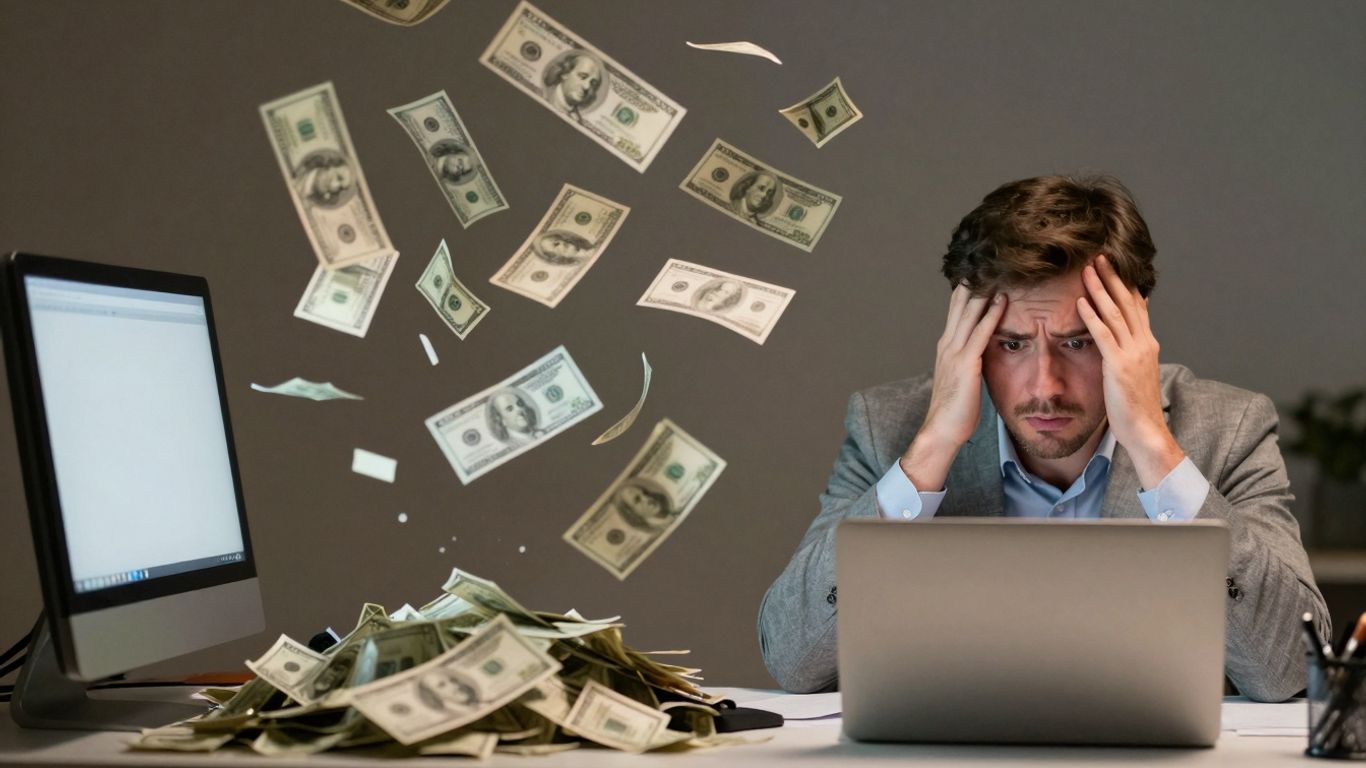
Look, we all see those political ads on Facebook. They pop up, they look slick, and they seem to be everywhere. But here's the hard truth: the way most campaigns are using Facebook ads just isn't cutting it anymore. It's like trying to catch fish with a net full of holes – you might snag a few, but you're mostly just wasting your time and resources.
Outdated Targeting Parameters
Facebook's targeting options have gotten really sophisticated, but many campaigns are still using them like it's 2016. They're often relying on broad demographics like age, location, and maybe general interests. This is like shouting into a crowded room and hoping the right person hears you. The real issue is that these broad strokes miss the nuances of voter sentiment and specific concerns. For example, targeting everyone in a district who likes 'gardening' might include people who are completely disengaged from political issues, or worse, people who actively oppose your candidate's platform. We need to get smarter than just 'people who live in X town'.
Over-Reliance on Broad Audiences
This ties right into the targeting problem. Campaigns often think that reaching more people, even if they're not the right people, is a win. They'll spend a chunk of their budget on ads shown to hundreds of thousands, even millions, of users who have only a passing or no interest in the election. This strategy is built on a shaky foundation: the idea that sheer volume will eventually convert. But what it really does is dilute your message and waste money on impressions that will never lead to a vote or a donation. It's a numbers game that most campaigns are losing.
Ignoring Platform Algorithm Shifts
Facebook's algorithm is a constantly moving target. What worked last year, or even last month, might not work today. The platform is always tweaking how it shows content, prioritizing different types of engagement and user behavior. Campaigns that aren't actively monitoring and adapting to these shifts are essentially flying blind. They might be pouring money into ad formats or placements that the algorithm is actively de-prioritizing. This lack of agility means campaigns can see their ad performance plummet without understanding why. It's a frustrating cycle of spending money without seeing the expected results, all because they're not keeping pace with the platform's own evolution.
The core problem isn't just that Facebook ads are expensive; it's that they're often ineffectively expensive. Campaigns are spending significant sums on strategies that don't account for how people actually consume information online today or how the platforms themselves operate. This leads to a significant disconnect between ad spend and tangible campaign outcomes, like voter turnout or fundraising.
The Real Cost of Wasting Money on Political Facebook Ads
It’s easy to get caught up in the numbers on Facebook. Likes, shares, comments – they all look good on paper, right? But when you’re running a political campaign, those shiny engagement metrics can be a serious distraction from what actually matters: getting voters to the polls. Many campaigns are pouring money into Facebook ads without a clear understanding of the actual return on that investment. It’s like buying a ton of fancy fertilizer without checking if your soil is even ready to grow anything.
Diminishing Returns on Ad Spend
Think about it. How many times have you scrolled past a political ad on Facebook without even registering it? The platform is saturated. Every campaign, every PAC, every interest group is there, all vying for the same limited attention span. This constant noise means your message has to fight harder and harder to be heard. What might have worked a few years ago, grabbing attention with a broad message, now gets lost in the shuffle. You end up spending more money for less impact. It’s a classic case of diminishing returns, where each extra dollar you spend brings you a smaller piece of the pie than the dollar before it. This is especially true as platforms like Meta shift away from precise targeting towards broader, AI-driven reach, making it harder to connect with specific voter segments [6fe0].
Opportunity Cost of Ineffective Campaigns
Every dollar spent on a Facebook ad that doesn't convert is a dollar that could have been used elsewhere. Maybe it could have funded more targeted mailers, organized more effective phone banking sessions, or even paid for better data analysis to understand who you should be talking to in the first place. This is the opportunity cost. You're not just losing the money you spent; you're losing out on the potential gains you could have made with that money if it had been invested wisely. It’s a double hit: wasted money and missed opportunities. For instance, some farms spend thousands on software that doesn't deliver real results, money that could be used for actual farm upgrades or better feed [9500 to $26,000].
Erosion of Voter Trust
Beyond the financial drain, there's a more subtle but equally damaging cost: the erosion of voter trust. When voters are bombarded with the same generic, often misleading, political ads on Facebook, they start to tune them out. Worse, if those ads are perceived as inauthentic or manipulative, it can breed cynicism and distrust towards the campaign and, by extension, the political process itself. People are smart; they can sense when they're being talked at rather than talked with. This constant, often impersonal, digital barrage can make voters feel like just another data point, rather than a valued constituent. It’s a hard cycle to break once trust is damaged.
Generic Messaging: Ads that don't speak to specific local concerns fall flat.
Repetitive Content: Seeing the same ad over and over can be irritating, not persuasive.
Misleading Claims: Exaggerated or false statements quickly backfire and damage credibility.
The relentless pursuit of clicks and impressions on social media often overshadows the fundamental need for genuine connection with voters. When campaigns prioritize vanity metrics over meaningful engagement, they risk alienating the very people they need to persuade. This isn't just about losing an election; it's about losing the faith of the electorate.
Data-Driven Alternatives to Facebook Advertising
Look, Facebook ads can feel like throwing darts in the dark sometimes, right? You spend a bunch of money, hope for the best, and then try to figure out if it actually worked. But what if there are smarter ways to reach people, ways that actually use information to get results? It turns out, there are. We need to stop relying so much on platforms where our message gets lost in the noise and start looking at methods that are more direct and, frankly, more effective.
Hyper-Targeted Digital Outreach
Instead of casting a wide net on social media, think about reaching specific groups of people who are actually likely to care about your message. This means using digital tools that let you pinpoint audiences based on their interests, online behavior, and even where they live. It's about quality over quantity. You're not trying to talk to everyone; you're trying to talk to the right people.
Focus on specific demographics and interests.
Utilize search engine marketing (SEM) to capture active interest.
Explore programmatic advertising for precise audience placement.
Leveraging First-Party Data
Your campaign probably has a treasure trove of information already – email lists, past donor information, website visitor data. This is first-party data, and it's gold. Unlike the broad, often unreliable data from social media platforms, your own data tells you who has already engaged with you. Using this allows for much more personalized and effective communication.
Building and utilizing your own data sets is key. It's about understanding who is already interested in your campaign and speaking directly to them, rather than trying to find them in a sea of strangers.
Here’s a quick look at how different data types stack up:
Data Type | Source | Reliability | Targeting Precision | Cost to Acquire |
|---|---|---|---|---|
First-Party | Your own lists, website, past interactions | High | Very High | Low |
Second-Party | Partner data (with consent) | Medium | Medium | Medium |
Third-Party | Purchased data, aggregated from many sources | Low | Low | High |
Investing in Grassroots Mobilization
Digital tools are great, but don't forget the power of real-world connections. Grassroots efforts, when supported by smart digital tools, can be incredibly effective. Think about organizing local events, phone banking, and door-to-door canvassing. These methods build genuine connections and can mobilize voters in a way that a Facebook ad just can't.
Organize local meet-and-greets.
Implement targeted phone banking based on voter data.
Coordinate volunteer efforts for get-out-the-vote drives.
The real win comes from combining these targeted digital strategies with strong, on-the-ground organizing.
The Unseen Financial Drain of Political Facebook Campaigns
It’s easy to get caught up in the numbers on Facebook ads – impressions, clicks, maybe even some comments. But when you look closer, especially in the political arena, a lot of that money just… disappears. It’s like throwing cash into a black hole, and campaigns often don't even realize how much they're losing.
The Myth of Cost-Effective Reach
People think Facebook is cheap. You can reach thousands, maybe millions, for a few bucks, right? Well, not really. The real cost isn't just what you pay Facebook. It's about what you don't get.
Low Conversion Rates: Most people scrolling through Facebook aren't looking to donate to a campaign or sign up to volunteer. They're there to see what their friends are up to or watch cat videos. So, even if you get a million impressions, how many actually do something useful for your campaign? Very few.
Platform Saturation: Everyone and their dog is running ads on Facebook. Your message gets lost in the noise. You're paying to shout into a crowded room, and most people just tune it out.
Algorithm Games: Facebook's algorithm changes constantly. What worked last week might not work today. You're constantly trying to keep up, and often, you're just feeding the machine without seeing real results.
Hidden Fees and Platform Exploitation
Facebook isn't exactly upfront about all the costs. There are layers to this.
Ad Fatigue: People see the same ads over and over. Facebook knows this and will keep showing your ads to the same people unless you pay more to reach new ones. It’s a constant upcharge.
Creative Costs: You need good graphics, compelling videos, and sharp copy. Producing all that takes time and money, and you have to do it constantly because ads get stale fast.
Data Management: If you're trying to get sophisticated with your targeting, you need tools to manage your data. That's another expense on top of the ad spend itself.
The core issue is that Facebook's business model is built on keeping users on the platform, not necessarily driving them off to take meaningful action. Political campaigns, which need action, are fundamentally at odds with this objective, leading to wasted resources chasing engagement that doesn't translate into votes or support.
The Cycle of Ineffective Spending
Here’s how it usually plays out:
Initial Spend: A campaign throws money at Facebook ads, hoping for the best.
Mediocre Results: They see some clicks and likes, but not much else.
Confusion: "Why isn't this working? We're reaching so many people!"
More Spending: They just spend more money, thinking more volume will fix it.
Repeat: The cycle continues, draining the budget without a proportional return.
It’s a trap. Campaigns get stuck pouring money into a platform that, for all its reach, often fails to deliver the specific, measurable outcomes needed to win. The real cost isn't just the ad spend; it's the lost opportunity to invest that money in strategies that actually connect with voters.
Shifting Political Campaign Budgets for Maximum Impact
Look, we all know Facebook ads can feel like throwing money into a black hole sometimes, right? Especially when you're trying to get a political message out there. It's easy to get caught up in the numbers, thinking more likes and shares mean more votes. But that's often not the case. It's time to get real about where campaign money actually makes a difference. We need to stop just spending and start investing in strategies that actually connect with voters and move the needle.
Prioritizing Voter-Centric Communication
Forget just blasting generic messages. The real win comes from talking to people, not just at them. This means understanding who your voters are, what they care about, and how they prefer to get their information. It's about building conversations, not just broadcasting slogans. Think about it: when was the last time a generic Facebook ad convinced you to change your mind about something important? Probably never. Real connection happens when you show you understand someone's specific concerns.
Identify Key Voter Segments: Go beyond basic demographics. What are their local issues? What media do they consume? What are their biggest worries?
Tailor Messaging: Craft messages that speak directly to those concerns. A farmer in Iowa cares about different things than a factory worker in Ohio.
Choose the Right Channels: If your target voters aren't on Facebook, why are you spending so much there? Explore other platforms and local media.
The most effective campaigns don't just shout louder; they listen better and respond more thoughtfully. This shift requires a deep dive into voter data, not just ad performance metrics.
Exploring Niche Digital Platforms
Facebook is huge, sure, but it's also incredibly noisy. Trying to cut through that noise with a standard ad can be like trying to find a specific grain of sand on a beach. Instead, consider platforms where your target audience might actually be more engaged and less bombarded. Think about local news websites, community forums, or even specific interest groups online. These places often have a more dedicated audience, making your message more likely to be seen and heard.
Platform Type | Audience Engagement Potential | Cost-Effectiveness | Example Use Case |
|---|---|---|---|
Local News Sites | High | Moderate | Targeted ads for local election issues |
Niche Social Networks | Moderate to High | Moderate | Reaching specific demographic or interest groups |
Community Forums | High | Low to Moderate | Direct engagement on local issues, Q&A sessions |
Email Newsletters | High | High | Detailed policy explanations, calls to action |
Measuring True Campaign ROI
This is where things get really practical. We need to move beyond vanity metrics like likes and shares. What actually matters is whether your ad spend is leading to tangible results: more volunteers, more donations, more people showing up to vote. This means tracking conversions, understanding voter turnout data, and seeing how your outreach efforts translate into real-world action. It’s about getting a clear picture of what’s working and what’s just burning through the budget.
Track Voter Contact Points: Monitor how many people are signing up to volunteer, donating, or requesting absentee ballots after seeing your ads.
Analyze Voter Turnout Data: Compare turnout in areas where you ran targeted digital campaigns versus those you didn't.
Conduct Post-Campaign Surveys: Ask voters directly how they heard about your campaign and what influenced their decision.
Focus on Cost Per Action: Instead of cost per click, measure cost per volunteer, cost per donation, or cost per vote influenced. This gives a much clearer picture of your actual return on investment. Campaigns that focus on these granular, action-oriented metrics will consistently outperform those stuck on superficial engagement numbers.
So, What's the Takeaway?
Look, it's easy to get caught up in the shiny new things, whether it's the latest social media trend or a fancy piece of farm equipment. But the reality is, if it's not directly boosting your bottom line or solving a real problem in a cost-effective way, you're probably just throwing money away. We've seen how expensive additives and outdated farming methods can drain resources without delivering lasting results. It’s like trying to fix a leaky roof with a bucket – it might catch some drips, but it’s not a real solution. The smart money, the real progress, is in understanding what actually works, what’s permanent, and what gives you a genuine advantage. Don't get fooled by the hype; focus on what truly moves the needle for your operation. Otherwise, you're just part of that 93%.
Frequently Asked Questions
Why do so many political campaigns spend money on Facebook ads?
Campaigns often think Facebook is the best way to reach lots of people quickly. They see big numbers of 'likes' and 'shares' and believe it means their message is getting out there. However, these numbers don't always show if people are actually paying attention or agreeing with the message. It's like shouting in a crowded room – many hear you, but few truly listen.
Are Facebook ads really as effective as campaigns think for politics?
Not usually. While ads can reach many eyeballs, they often end up in 'echo chambers' where people only see messages that already match their beliefs. This means campaigns might be talking to the same supporters over and over instead of convincing undecided voters. Plus, the way Facebook shows ads has changed, making older strategies less effective.
What happens when campaigns waste money on Facebook ads?
When money is spent on ads that don't work well, it's like throwing it away. Campaigns miss out on chances to connect with voters in other, more effective ways. This can make voters lose trust because they see the campaign as out of touch or not understanding what's important to them. It's a double loss: wasted cash and lost voter confidence.
What are better ways for political campaigns to spend their money?
Instead of just relying on Facebook, campaigns can try reaching voters in more focused ways. This includes using online tools to find and talk to specific groups of people who are likely to vote. They can also use information they already have about voters and put more effort into connecting with people face-to-face in their local communities.
Is there a hidden cost to using Facebook for political ads?
Yes, there can be. While Facebook ads might seem cheap at first, the real cost comes from the money not being used effectively. Campaigns might pay a lot for ads that don't actually change many minds. It becomes a cycle where they keep spending on the same old methods, hoping for different results, which rarely happens.
How can campaigns make sure their money has the biggest impact?
The key is to focus on what voters truly care about and communicate directly with them. Campaigns should look beyond just Facebook and explore other online places where specific groups of voters spend their time. Most importantly, they need to track how much real impact their spending has, not just how many people saw an ad.