Carlos Courtney
Tools & Resources
Which marketing intelligence solutions help service businesses scale faster?

So, you're running a service business and looking to grow, like, *really* grow? It feels like everyone's talking about data these days, but actually making sense of it all can be a headache. That's where marketing intelligence solutions come in. Think of them as your secret weapon to cut through the noise, understand what's actually working, and make smarter moves without drowning in spreadsheets. This article is all about figuring out which of these marketing intelligence solutions can help you speed things up and scale faster.
Key Takeaways
Marketing intelligence software helps service businesses get a clearer picture of their performance by pulling data from different places into one spot.
These tools automate tasks like data collection and cleaning, giving teams more time to focus on strategy instead of manual work.
AI is making marketing intelligence even smarter, helping to spot trends and make decisions faster than before.
When choosing a platform, think about what your business needs, how it connects with your current systems, and if it can grow with you.
Using the right marketing intelligence solutions can change how you gather data, moving from just reporting to making proactive, informed decisions that help you lead the market.
Understanding Marketing Intelligence Solutions
Defining Marketing Intelligence Software
So, what exactly is marketing intelligence software? Think of it as the translator for all your marketing data. It’s designed to take the messy, scattered information from everywhere you market – social media, search ads, email campaigns, even your website analytics – and make it make sense. Without these tools, you’re often left staring at a bunch of numbers that don’t tell a clear story. It’s like trying to understand a conversation where everyone is speaking a different language. The main goal is to give marketers the context they need to see how all their efforts are actually working together.
Core Capabilities of Marketing Intelligence Tools
What sets these tools apart from just a basic reporting dashboard? It really comes down to a few key things they do:
Unified Data Aggregation and Harmonization: They pull data from all your different marketing channels into one spot. Then, they clean it up, standardize names, and make sure metrics are consistent. This means your reports are always comparing apples to apples, not apples to oranges.
Automating Manual Tasks for Efficiency: Marketers spend a shocking amount of time each week just pulling data, updating spreadsheets, and fixing errors. Marketing intelligence tools automate a lot of this grunt work, giving you that time back to focus on actual strategy.
Actionable Insights for Strategic Decision-Making: These platforms don't just show you data; they help you understand what it means. They often come with built-in ways to track trends, see how your spending is performing, and even model potential outcomes, all without needing a data scientist on staff.
Distinguishing Marketing Intelligence from BI and CRM
It’s easy to get marketing intelligence confused with other business tools, but they serve different purposes. Business Intelligence (BI) platforms are usually for the whole company and often need IT help to run. They look at broader business metrics. CRMs, on the other hand, are all about managing customer relationships and sales pipelines – they don’t really dig into ad spend or campaign performance. And those native dashboards in Google Ads or Meta? They only show you their little piece of the puzzle. Marketing intelligence gives you that big, cross-channel picture with consistent numbers.
Marketing intelligence platforms are built specifically for marketers. They focus on campaign-level data and provide a unified view across all your marketing activities, making it easier to spot trends and make quick, confident decisions.
This shift from just collecting data to actually understanding and acting on it is a big deal for service businesses looking to grow. It means less time wrestling with spreadsheets and more time figuring out what’s really driving results.
Leveraging AI in Marketing Intelligence

It feels like AI is everywhere these days, right? And in marketing, it's really changing how we look at information. We're moving beyond just collecting data to actually understanding what it means, and fast. AI-powered tools are becoming a big deal for businesses that want to grow quickly.
The Rise of AI-Powered Market Intelligence
Think about how much data is out there. Competitor actions, customer chatter on social media, market trends – it’s a lot to keep up with. AI tools are built to sift through all of that noise. They use machine learning and other smart tech to find patterns and insights that would take humans ages to uncover. This means you can spot opportunities and threats much sooner than before. It’s not just about having more data; it’s about having the right data, presented in a way that makes sense, so you can make better choices.
Many businesses are already seeing the benefits. Reports suggest that spending on AI market intelligence tools is set to climb significantly in the coming years. It's becoming less of a
Key Features for Scalable Growth
When you're trying to grow your service business, having the right marketing intelligence tools isn't just about seeing what happened; it's about setting yourself up for what's next. You need systems that can keep up as you get bigger and busier. Let's look at what really matters for scaling.
Unified Data Aggregation and Harmonization
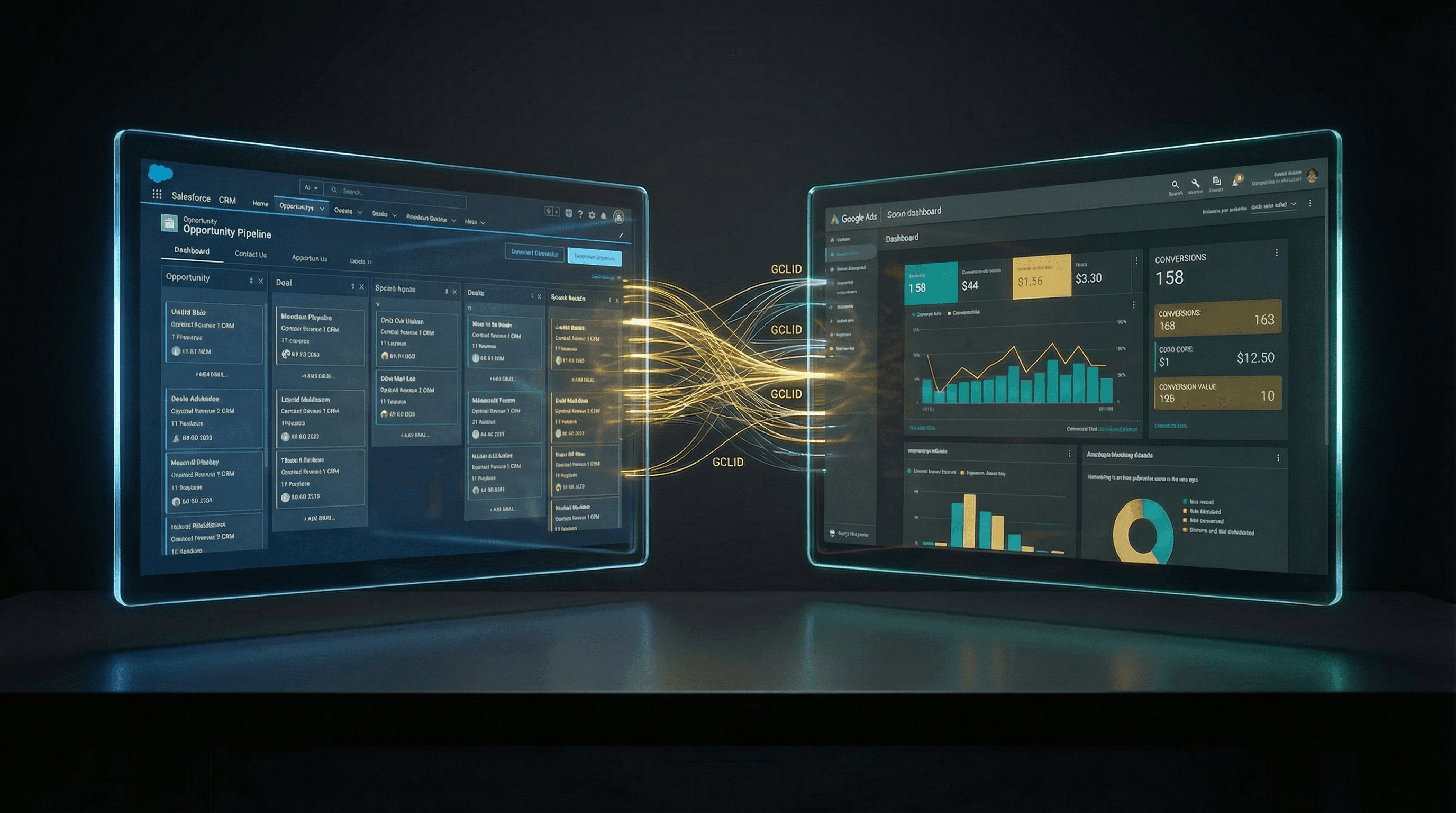
Imagine trying to make sense of your marketing efforts when customer data is scattered across a dozen different places – your CRM, email platform, social media tools, website analytics, and maybe even a few spreadsheets. It's a mess, right? A good marketing intelligence solution needs to pull all that information together into one spot. This means connecting to all your data sources, whether they're common ones like Google Analytics or more niche software. Once it's all in one place, the tool should clean it up and organize it so it makes sense. This unified view is the bedrock for any smart marketing decisions.
Connectors: Look for tools with a wide range of pre-built connections to popular marketing and sales platforms.
Data Cleaning: The system should automatically identify and fix errors, duplicates, or inconsistencies in your data.
Standardization: It needs to make sure data from different sources is presented in a consistent format, so you're comparing apples to apples.
Without a single source of truth for your marketing data, you're essentially flying blind. Trying to piece together insights from disconnected systems is not only time-consuming but also prone to errors, which can lead your business down the wrong path.
Automating Manual Tasks for Efficiency
Think about all the time your team spends each week pulling reports, copying and pasting data, or manually updating spreadsheets. That's time they aren't spending on strategy, creative work, or talking to customers. Scalable marketing intelligence platforms automate these repetitive tasks. This could be anything from scheduling regular reports to automatically updating dashboards. Freeing up your team from grunt work lets them focus on higher-value activities that actually drive growth. This is where tools that can help with data integration really shine.
Actionable Insights for Strategic Decision-Making
Gathering data is one thing, but knowing what to do with it is another. The best marketing intelligence solutions don't just present numbers; they tell a story. They highlight trends, identify opportunities, and flag potential problems. The goal is to move from just reporting on past performance to actively predicting future outcomes and guiding your next steps. This means getting clear, easy-to-understand insights that your marketing and sales teams can act on immediately. For example, a tool might show you which marketing channels are bringing in the most profitable customers, or which content pieces are most effective at moving leads down the funnel. This kind of clarity helps you make smarter bets with your marketing budget and resources.
Choosing the Right Marketing Intelligence Platform

So, you've decided you need a marketing intelligence platform. That's a big step! But with so many options out there, how do you pick the one that actually helps your service business grow without becoming another headache? It’s not just about picking the flashiest tool; it’s about finding something that fits your team, your data, and your future plans.
Evaluating Tools for Your Business Needs
First off, what are you actually trying to solve? Are you drowning in spreadsheets, trying to figure out which ad campaigns are actually bringing in clients? Or maybe you're struggling to see how your social media efforts connect to actual leads? Be honest about your pain points. Think about what you want to achieve. Do you need to track competitor activity more closely? Are you trying to get a clearer picture of your return on investment (ROI) for different marketing channels? Make a list of the absolute must-have features. Don't get distracted by bells and whistles you'll never use.
Here’s a quick way to think about it:
Data Integration: How many different places does your data live? Think Google Ads, Facebook, your email marketing tool, your CRM, maybe even offline event data. The platform needs to connect to all of them easily.
Reporting & Analysis: What kind of reports do you need? Do you want simple dashboards, or do you need to dig deep into custom reports? Can it show you trends over time?
Ease of Use: Who will be using this tool? If it's just analysts, maybe a more complex tool is fine. But if your whole marketing team needs to use it, simplicity is key. Nobody wants to spend hours learning a complicated system.
Integration with Existing Systems
This is a big one. You've probably already got a bunch of software you rely on. Your CRM, your project management tools, maybe even your accounting software. The marketing intelligence platform shouldn't exist in a vacuum. It needs to play nice with your other systems. Look for platforms that offer easy connections, often through APIs or pre-built integrations. If a tool requires a ton of custom coding just to connect to your CRM, that's a red flag. It means more time, more money, and more potential for things to break.
Getting the right data into the platform is only half the battle. Making sure that data can flow to where it's needed for other parts of your business is just as important for a connected workflow.
Scalability and Future Growth Considerations
Your business isn't going to stay the same size, right? What works for you today might not be enough in a year or two. When you're looking at platforms, think about how they handle growth. Can they handle more data as your campaigns get bigger? Can they support more users if your team expands? Some platforms might seem affordable now but become very expensive as you need more features or capacity. Check their pricing models carefully. Are they charging per user, per data source, or based on data volume? Understanding this will help you avoid sticker shock down the road. You want a tool that can grow with you, not one you'll have to replace in a year.
Feature Category | Key Questions to Ask |
|---|---|
Data Handling | Can it connect to all your current and future data sources? How much data can it store? |
User Management | How many users can access the platform? Are there different permission levels? |
Feature Expansion | Does the vendor regularly add new features? Can you upgrade easily? |
Cost Structure | Is the pricing clear? Does it scale predictably with usage or team size? |
Top Marketing Intelligence Solutions for Service Businesses
Platforms for Reliable Data Integration
When you're running a service business, keeping track of where your leads come from and how your marketing efforts are actually paying off can get messy. You've got data scattered everywhere – from your website analytics, social media ads, email campaigns, and maybe even old-school spreadsheets. A good marketing intelligence platform acts like a central hub, pulling all that information together. This means no more jumping between a dozen different tabs just to get a basic picture of what's happening.
Think about it: you need to know if that Facebook ad campaign is actually bringing in clients, or if your SEO efforts are making a difference. Without a unified view, it's like trying to assemble a puzzle with half the pieces missing. Platforms that focus on reliable data integration make sure all your numbers are clean, consistent, and ready for you to look at. This saves a ton of time that would otherwise be spent manually collecting and cleaning data, which, let's be honest, is nobody's favorite job.
Connects to various marketing channels: Google Ads, Meta, LinkedIn, email marketing tools, etc.
Automates data collection: Pulls in information without you needing to export anything.
Standardizes data: Makes sure metrics like 'conversions' mean the same thing across all platforms.
Provides a single source of truth: All your marketing data in one place, easy to access.
The goal here is to get your data into a state where it's actually useful, without a huge amount of manual work. This frees up your team to focus on what they do best – serving clients and growing the business.
Solutions for Performance Clarity and ROI Modeling
Once you've got your data all in one place, the next big step is understanding what it all means for your business's bottom line. Service businesses, especially, need to see a clear link between their marketing spend and the revenue generated. This is where platforms that offer strong performance clarity and ROI modeling come in handy.
These tools help you answer questions like: How much did we spend on lead generation last quarter, and how many of those leads actually became paying customers? What's the return on investment for our content marketing efforts? Being able to model these scenarios and see the potential impact of different strategies is key to making smart decisions about where to put your marketing budget. It moves you from guessing to knowing.
Track key performance indicators (KPIs): Monitor metrics that matter most to your service business.
Attribute revenue to marketing efforts: Understand which campaigns are driving actual sales.
Forecast future performance: Model different scenarios to predict outcomes.
Calculate Return on Investment (ROI): Clearly see the profitability of your marketing activities.
Tools for Data-Savvy Teams with Analysts
If your team includes people who really love digging into the numbers – your analysts, your data wizards – you'll want tools that give them the power to go deep. These platforms offer more advanced features for slicing and dicing data, building custom reports, and uncovering hidden trends that might not be obvious at first glance.
For these teams, it's not just about seeing the numbers; it's about exploring them. They might want to combine marketing data with sales data, look at customer lifetime value, or perform detailed competitive analysis. The right tools will provide the flexibility and depth needed for these more sophisticated investigations, allowing your analysts to provide truly strategic insights that can shape the future direction of the business. It’s about giving your smart people the smart tools they need to succeed.
The Impact of Marketing Intelligence on Business Outcomes
So, what's the big deal with marketing intelligence? It's not just about looking at numbers; it's about changing how you do business. Instead of just reacting to what happened last week, you start seeing what's coming and can get ahead of it. This shift from just gathering data to actually using it makes a huge difference.
Transforming Reactive Data Gathering to Proactive Decisions
Think about it: most businesses used to spend ages pulling reports from different places, trying to piece together what worked. This meant decisions were often made too late, based on old information. Marketing intelligence tools change that. They pull all your data into one spot, clean it up, and make it ready for you to look at. This means you can spot trends as they happen, not days or weeks later. This ability to act fast is what separates the leaders from the followers.
Here's how it helps:
Faster insights: Get clear answers without waiting for IT or digging through spreadsheets.
Better resource allocation: See which campaigns are actually paying off and put your money where it counts.
Early trend spotting: Identify shifts in customer behavior or market demand before your competitors do.
The real win here is moving from
Wrapping It Up
So, if you're running a service business and looking to grow, getting a handle on your marketing data is a big deal. These intelligence tools aren't just fancy dashboards; they're built to sort through all that messy information from different places, making it clear what's actually working. By automating the tedious parts of data collection and cleaning, you and your team get that time back to focus on what really matters – making smart moves that help your business get bigger. Picking the right tool means less time wrestling with spreadsheets and more time acting on solid insights. It’s about making better decisions, faster, and ultimately, scaling up.
Frequently Asked Questions
What exactly is marketing intelligence software?
Think of marketing intelligence software as a super-smart helper for your business's marketing team. It takes all the information from different places where you advertise and sell things, like social media or online stores, and puts it all together in one easy-to-understand spot. This helps you see what's working and what's not, so you can make better choices without getting lost in confusing numbers.
How does AI make marketing intelligence better?
AI, which stands for Artificial Intelligence, is like giving these marketing tools a brain. AI can look through tons of information super fast, find hidden patterns, and even guess what might happen next. This means you can get smart ideas and make quick decisions much faster than before, helping you stay ahead of the game.
Why is it important to have all my marketing data in one place?
Having all your marketing information in one place is like having a clear map instead of a bunch of scattered puzzle pieces. It lets you see the whole picture of how your ads and campaigns are doing across different platforms. This makes it easier to spot trends, understand what customers like, and figure out where your money is best spent, all without jumping between different apps.
Can marketing intelligence tools help me save time?
Absolutely! Many marketing tasks, like collecting data and making reports, can take up a lot of time. Marketing intelligence tools can do a lot of this work automatically. This frees up your team to focus on creative ideas and important strategies instead of getting stuck with boring, repetitive jobs.
What's the difference between marketing intelligence and regular business reports?
Regular business reports might show you general numbers, but marketing intelligence tools dig deeper into how your marketing efforts are performing. They focus specifically on your ads, campaigns, and customer interactions to show you exactly what's driving results and how you can improve. It's more about understanding the 'why' behind the numbers.
How do I pick the best marketing intelligence tool for my business?
When choosing a tool, think about what your business needs most. Do you need help connecting different data sources? Are you looking for super-fast insights? Consider how well the tool works with your other software and if it can grow with your business as you get bigger. Trying out a few options is a good way to see which one feels right.