Carlos Courtney
Tools & Resources
Which marketing analytics tools provide the deepest audience insights?

Trying to figure out who your customers really are can feel like a puzzle. You've got data coming from everywhere, and piecing it all together to see the full picture is tough. Luckily, there are a bunch of marketing analytics tools out there that can help. These tools sift through all that information, giving you a clearer idea of who you're trying to reach. We'll look at some of the best options for getting to know your audience better.
Key Takeaways
Social media data offers a rich source for understanding audience interests and behaviors, with tools like Audiense and StatSocial helping to sort through it.
Connecting data from different places, both online and offline, is important for a complete view of your marketing efforts, and dashboards help bring this together.
AI can help make sense of complex marketing data, predict what might happen next, and understand what people are saying in text.
Tools like Claritas PRIZM help group audiences into segments, making it easier to target them, while other platforms help activate these segments through ads.
Measuring what works and proving the return on your marketing spend is key, with tools like TelmarHelixa and Google Analytics Intelligence offering ways to track performance and justify costs.
Leveraging Social Data for Deep Audience Understanding
Getting to know your audience is key, and social media is a goldmine for this information. It's not just about likes and shares anymore; it's about understanding the 'why' behind people's actions online. This section looks at tools that help you dig into that social data to really understand who you're talking to.
Audiense: Social Intelligence Powerhouse
Audiense is a platform that really shines when it comes to social intelligence. It uses advanced AI, including IBM Watson's capabilities, to break down social media audiences into smaller, more manageable groups. You can see things like specific interests, demographics, and even who influences them. The reports are usually pretty clear, showing you the finer points of your audience, like the difference between a CIO and a developer, for example. It's great if your brand is already focused on social media insights. While the interface is generally easy to use, new users might need a little time to get the hang of interpreting all the detailed information it provides. They also update the platform regularly, adding new data sources and features, which is a good sign.
StatSocial: Cross-Platform Data Integration
StatSocial is another tool that pulls data from many different social networks. This gives you a broader picture than just looking at one platform. It's good for finding specific groups of people, like influencers or niche communities, and even tells you about their career paths. You can even take these audience groups and use them directly for ad targeting, which is a big plus. However, the interface can feel a bit clunky, and some terms might not be immediately obvious, so you might need some training to get the most out of it. It's not really built for B2B company data, so if that's your main focus, you might need other tools. The company's team is known for being helpful and responsive to feedback.
Understanding Audience Nuances with IBM Watson
When we talk about understanding audience nuances, IBM Watson plays a big role, especially when integrated into platforms like Audiense. It goes beyond basic demographics to look at psychographic traits – essentially, what makes people tick. This means you can understand their personality types, values, and attitudes. This level of detail helps in creating marketing messages that truly connect. For instance, knowing if someone is motivated by status or by community impact can change how you approach them. It's about moving from 'who' they are to 'why' they behave the way they do online.
Social media data, when analyzed correctly, offers a window into the motivations and preferences of consumers that was previously unimaginable. Tools that can process this vast amount of information and present it in an understandable format are invaluable for modern marketing strategies.
These tools help marketers move beyond guesswork and make data-backed decisions about who to target and how to speak to them. It's about building a real connection based on genuine understanding. You can find more tools to help with social media monitoring here.
Unifying Data for Comprehensive Marketing Analytics
It feels like every marketing platform out there has its own dashboard, right? You've got your Meta Ads reports, your Google Analytics, your email service provider stats, and maybe even a separate one for TikTok. Trying to piece together what's actually working across all of them can feel like a full-time job. You end up jumping between tabs, copying numbers into spreadsheets, and still, you're not quite sure if you're seeing the whole picture. That's where unifying your data comes in.
The Role of Marketing Analytics Dashboards
Think of a marketing analytics dashboard as your central command center. Instead of logging into five different places, you get one spot where all the key numbers come together. This isn't just about looking pretty; it's about getting answers. Which campaigns are actually making us money? How much of our sales come from new customers versus repeat buyers? Are we spending our budget in the smartest places?
Consolidated View: Pulls data from various sources (ads, email, website traffic, sales) into a single interface.
Actionable Insights: Translates raw data into metrics that matter for business growth, like revenue, profit, and customer lifetime value.
Faster Decision-Making: Allows teams to quickly spot trends, identify problems, and adjust strategies without delay.
Improved Alignment: Gets everyone, from the CMO to the performance marketer, looking at the same live data, reducing confusion and speeding up conversations.
Connecting Offline and Online Campaign Data
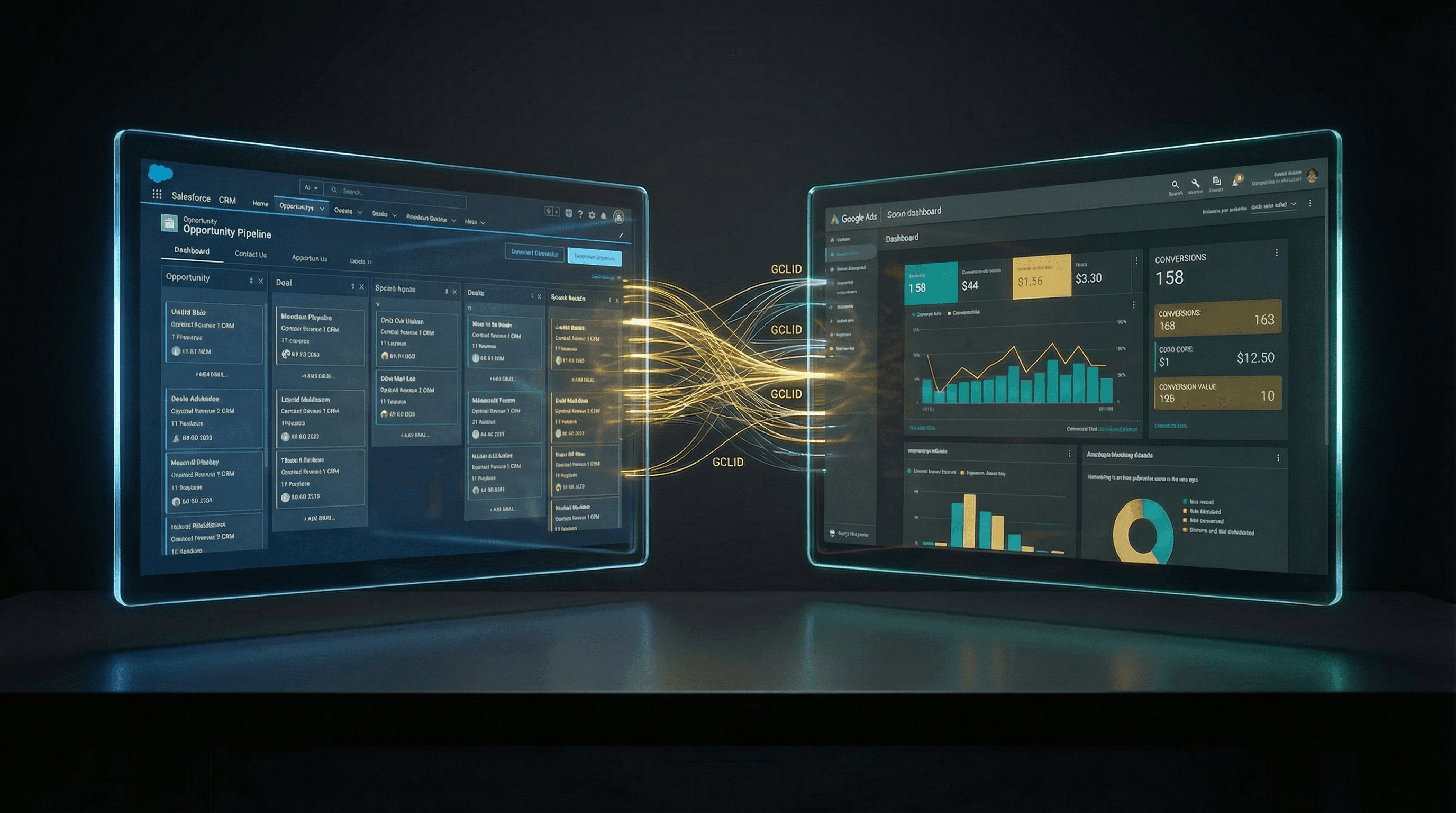
Many businesses still run campaigns that aren't purely digital. Think direct mail, in-store promotions, or even event sponsorships. The real magic happens when you can link these offline efforts to your online activities. For example, if you send out a catalog, you'll want to see if people who received it then visit your website or use a specific promo code online. This connection helps you understand the full journey a customer takes, not just the parts you can track with a click.
Connecting offline and online data is key to understanding the complete customer journey. Without it, you might be missing significant parts of how your marketing efforts influence sales and brand perception. It allows for a more accurate picture of what's truly driving results.
Achieving Unified Attribution Models
Attribution is all about figuring out which marketing touchpoints get credit for a sale. It's notoriously tricky. Did the customer buy because they saw a Facebook ad, clicked a Google search result, or read an email newsletter? Most tools only look at one channel. A unified approach tries to connect the dots across all your marketing activities, both online and offline. This helps you understand the real impact of each channel and allocate your budget more effectively, rather than just guessing where your money is best spent. It moves you away from simple last-click attribution to a more realistic view of how different efforts work together.
AI-Driven Insights for Strategic Campaign Planning

AI for Complex Marketing Scenarios
Trying to figure out the best way to spend your marketing budget can feel like a puzzle with way too many pieces. That's where AI steps in, helping sort through the mess. It's not just about simple tasks anymore; AI can now handle really complicated marketing situations. Think about campaigns with lots of moving parts, different target groups, and various channels all at once. AI tools can process all that information way faster than a human ever could.
AI can look at many different factors at the same time, like audience behavior, competitor actions, and market trends.
It helps make better choices about where to put your money for ads.
AI can spot problems or chances you might miss.
AI is getting really good at understanding how different parts of a campaign affect each other. This means it can suggest adjustments that make the whole thing work better, not just one small piece.
Predictive Analytics for Market Trends
Knowing what's coming next in the market is a big deal for planning. AI is pretty good at looking at past data and spotting patterns that might show what will happen in the future. This isn't a crystal ball, of course, but it gives you a much better idea than just guessing.
Forecasting demand: Predicting when people might want your product or service more.
Identifying emerging trends: Catching onto new interests or shifts in consumer behavior early.
Assessing competitor moves: Guessing what your rivals might do next based on their past actions and market signals.
Predictive analytics helps you get ahead of the curve, not just react to it.
Natural Language Processing for Text-Based Data
So much of what people say about brands and products is in text – reviews, social media comments, customer feedback. Natural Language Processing (NLP) is the AI tech that lets computers understand and work with human language. This is super useful for getting insights from all that text.
Sentiment analysis: Figuring out if people are talking positively, negatively, or neutrally about your brand.
Topic extraction: Identifying the main things people are discussing related to your products or industry.
Customer feedback analysis: Quickly sorting through lots of comments to find common issues or suggestions.
Audience Segmentation and Activation Tools
Claritas PRIZM: Proven Segmentation
When you need to break down who your audience really is, Claritas PRIZM stands out. It’s been around for a while and offers a really solid way to group people based on where they live and their lifestyles. Think of it like this: instead of just knowing you want to reach young adults, PRIZM helps you identify the ones living in specific types of neighborhoods with particular spending habits. This makes your marketing messages much more on-point. It’s about moving beyond broad demographics to understand the 'why' behind consumer choices.
Here’s a quick look at how PRIZM segments:
Urban Dwellers: People living in dense city areas, often with diverse income levels.
Suburban Mix: Families and individuals in more spread-out residential areas, typically middle-income.
Affluent Estates: Higher-income households in exclusive neighborhoods, often with specific luxury interests.
Rural Heartland: Residents of smaller towns and country areas, with distinct local preferences.
This kind of detailed segmentation is super helpful for planning where to spend your advertising dollars. You can get a clearer picture of who you're talking to, which helps in creating ads that actually connect. It’s a well-established system that many marketers trust for its reliability.
Audience Activation via Paid Media
Knowing your audience is one thing, but actually reaching them is another. This is where audience activation comes in, especially through paid media channels. Tools like StatSocial allow you to take those detailed audience segments you’ve built and directly use them to target ads on platforms like Facebook, Instagram, or Google. It’s like having a direct line to the people who are most likely to be interested in what you’re selling. You can export lists of people or create custom audiences based on the insights you’ve gathered. This means less wasted ad spend and more effective campaigns. It’s a pretty direct way to put your audience insights to work, turning data into actual customer interactions. You can explore how different platforms help with audience segmentation.
Identifying Niche Influencers and Media Preferences
Sometimes, the best way to reach a specific group is through people or channels they already trust. This is where identifying niche influencers and understanding media preferences becomes important. For example, if you’re targeting a very specific hobbyist group, you’ll want to know which smaller blogs, podcasts, or social media accounts they follow. Tools can help uncover these connections. They can show you not just who the big celebrities are, but who the respected voices are within a particular community. This allows for more authentic partnerships and advertising placements. It’s about finding the right spot to place your message, whether that’s through a micro-influencer with a dedicated following or a specialized online publication. This targeted approach often yields better results than broad, untargeted campaigns.
Understanding the specific channels and personalities that influence your target audience is key to effective outreach. It’s not just about who they are, but who they listen to and where they get their information.
Advanced Analytics for Media Planning and ROI

TelmarHelixa: Bridging Media Planning and AI
When you're trying to figure out where to put your advertising money, it can feel like a guessing game sometimes. Tools like TelmarHelixa try to take some of that guesswork out. They combine old-school media planning data with newer AI smarts. This helps you see not just who you think you're reaching, but who you're actually reaching across different channels. It's about making sure your ads land in front of the right eyes, not just a lot of eyes. They help connect the dots between what you're spending and what you're getting back, which is pretty important.
Justifying Ad Placements with Data
So, you've got a budget, and you need to decide if that TV spot or that social media push is the better bet. Data can help here. Instead of just going with a gut feeling, you can look at things like:
Audience Overlap: How many people see your ad on Channel A versus Channel B? Are you just reaching the same folks twice, or are you expanding your reach?
Cost Per Reach: How much does it cost to get your ad in front of 1,000 people on each platform?
Engagement Metrics: Beyond just views, are people interacting with your ads? Clicks, shares, comments – these tell a story.
Conversion Tracking: Ultimately, are these placements leading to sales or desired actions?
Making smart decisions about where to place ads means looking beyond simple impressions. You need to understand the quality of that reach and its direct impact on your business goals. It's about efficiency and effectiveness, not just visibility.
Measuring Campaign ROI Effectively
Figuring out if your marketing is actually making money is the big question, right? Return on Investment (ROI) is the key metric. It's not always straightforward, especially with so many touchpoints a customer might have before buying.
Here’s a simplified way to think about it:
Calculate Total Campaign Cost: This includes ad spend, creative production, agency fees, and any software costs.
Determine Total Revenue Attributed to the Campaign: This is where it gets tricky. You need a system to track which sales came from which marketing efforts. Tools that help with attribution modeling are vital here.
Use the ROI Formula:
ROI = ((Revenue Attributed to Campaign - Total Campaign Cost) / Total Campaign Cost) * 100
For example, if a campaign cost $10,000 and brought in $30,000 in sales, the ROI is ((30,000 - 10,000) / 10,000) * 100 = 200%. That's a pretty good return. But getting that 'Revenue Attributed' number right is the real challenge, and that's where advanced analytics tools really earn their keep.
AI Tools for Performance Marketing Optimization
Performance marketing is all about making every dollar count, and let's be honest, doing that manually takes forever and often leads to mistakes. That's where AI tools come in. They're like having a super-smart assistant that can watch your campaigns 24/7, spot problems, and even fix them before they cost you a fortune. It's not just about saving time; it's about getting better results, faster.
Google Analytics Intelligence for Attribution
Google Analytics is already a go-to for tracking website traffic and conversions, but its AI features take things up a notch, especially when it comes to figuring out which marketing efforts are actually driving sales. It helps untangle the complex customer journey, showing you how different ads and channels work together. This means you can stop guessing and start putting your budget where it performs best.
Automated insights into conversion paths: GA Intelligence can automatically highlight key trends and anomalies in your conversion data.
Assisted conversions reporting: It helps you understand the role of channels that might not be the last click but still influence a sale.
Predictive metrics: Based on past behavior, it can forecast future user actions, helping you anticipate needs.
The real win here is moving beyond simple last-click attribution. AI helps paint a more realistic picture of how your marketing touches customers along their path to purchase, allowing for smarter budget allocation.
Madgicx AI Marketer for Account Audits
Think of Madgicx's AI Marketer as a tireless auditor for your ad accounts, particularly on platforms like Facebook and Instagram. It constantly scans your campaigns, looking for inefficiencies or opportunities you might miss. It's designed to catch issues that could be draining your budget, like poorly performing ad sets or incorrect bidding strategies, and then suggests fixes. It's like having a senior media buyer watching your accounts around the clock.
Automated performance checks: Scans campaigns for common issues like low click-through rates or high cost-per-acquisition.
One-click optimization suggestions: Provides actionable recommendations that you can often implement with a single click.
Budget allocation analysis: Helps ensure your ad spend is distributed effectively across different campaigns and ad sets.
AI for Creative Optimization on Meta Platforms
Creating ads that actually grab attention and convert is tough. AI tools are starting to make this process more data-driven. Instead of relying solely on intuition, these tools can analyze past creative performance, identify patterns in what works (and what doesn't), and even help generate new ad variations. This is particularly useful for platforms like Meta (Facebook and Instagram) where creative fatigue can set in quickly. They can help you test different headlines, images, or calls to action more efficiently, leading to ads that perform better over time.
Enterprise-Grade Marketing Analytics Solutions
So, you've got your marketing analytics tools humming along, pulling in data from all over. That's great, but when you're running a bigger operation, things get complicated fast. You're not just looking at one or two campaigns anymore; you've got a whole ecosystem of channels, offline efforts, and maybe even a sales team to consider. This is where enterprise-grade solutions come into play.
Cost and Scalability Considerations
These big-league tools aren't cheap, and that's usually the first thing people notice. You're looking at significant investments, often with pricing models that scale with your data volume or user count. Think about it: if you're processing terabytes of data daily or have hundreds of marketers needing access, the costs add up. It's not just about the sticker price, though. You also need to factor in the infrastructure to support it – servers, cloud storage, and the like. Scalability is key here; a tool that works for a startup might buckle under the weight of a large enterprise. You need something that can grow with you without breaking the bank or slowing down to a crawl.
Expertise Required for Advanced Tools
Don't expect to just plug these systems in and have them magically spit out insights. Most enterprise analytics platforms require a dedicated team, or at least some seriously skilled individuals, to set up, manage, and interpret. We're talking about data engineers, analysts, and maybe even data scientists. They need to understand the data architecture, build custom reports, and know how to ask the right questions of the system. It's a bit like owning a high-performance race car; it can do amazing things, but you need a skilled mechanic and driver to get the most out of it.
Data Privacy and Compliance
This is a huge one, especially today. With regulations like GDPR and CCPA, handling customer data responsibly is non-negotiable. Enterprise solutions need to have robust features for managing consent, anonymizing data where necessary, and ensuring you're compliant with all the relevant laws in the regions you operate. Getting this wrong can lead to hefty fines and serious damage to your brand's reputation. It's not just about collecting data; it's about collecting and using it ethically and legally. You'll want to look for tools that have built-in compliance features or at least make it easy to integrate with your existing privacy management processes.
Here's a quick look at what to think about:
Integration Capabilities: Can it connect to all your existing systems (CRM, ERP, ad platforms, etc.) without a massive headache?
Data Governance: Does it have features to control who sees what data and how it's used?
Security Measures: What kind of protection is in place against data breaches?
Reporting Flexibility: Can you create the specific reports your stakeholders need, or are you stuck with generic templates?
When you're looking at enterprise-level analytics, you're not just buying software; you're investing in a capability. It requires careful planning, the right people, and a clear understanding of your long-term goals. It's a big step, but for companies serious about data-driven decisions, it's often a necessary one.
Wrapping It Up
So, picking the right tool for understanding your audience really comes down to what you need it for. Some platforms are great for digging into social media chatter, while others help you connect online ads to real-world purchases. It’s not a one-size-fits-all situation. Take your time, check out a few options, and maybe even try a free trial before you commit. Getting to know your audience better is a big deal, and the right tool can make all the difference in making your marketing efforts actually work.
Frequently Asked Questions
What exactly is audience intelligence?
Audience intelligence is like being a super-sleuth for customers. It's about using special tools to dig deep and figure out who your ideal customers are, what they like, what they do online, and what makes them tick. This helps businesses create better ads and products that people will actually want.
Why is understanding your audience so important for marketing?
Imagine trying to sell ice cream in the Arctic! It wouldn't work. Knowing your audience helps you talk to the right people about the right things. It's like having a secret map that shows you exactly where to find customers who are already interested in what you offer, saving you time and money.
Can these tools really connect online ads with things like mailers?
Yes, some advanced tools are like digital matchmakers! They can link what people do online (like clicking an ad) with what they do offline (like getting a flyer in the mail). This helps businesses see if their different types of ads are working together to reach the same people.
Are these tools hard to use, like rocket science?
Some of the really powerful tools can have a bit of a learning curve, meaning you might need some training or help to get the most out of them. Think of it like learning to ride a bike – it takes a little practice at first, but once you get it, it's super useful!
Do I need to be a big company to use these tools?
Not always! While some of the most advanced tools are built for big businesses with large budgets, there are also many tools that smaller businesses can use. It's all about finding the one that fits your needs and your wallet.
How do these tools help protect people's private information?
That's a super important question! Good audience intelligence tools follow strict rules to protect personal information, like names and addresses. They focus on understanding groups of people and their behaviors, not spying on individuals. Companies using these tools also have to be careful and follow privacy laws.