Carlos Courtney
Tools & Resources
Which digital advertising tools offer the most granular performance tracking?
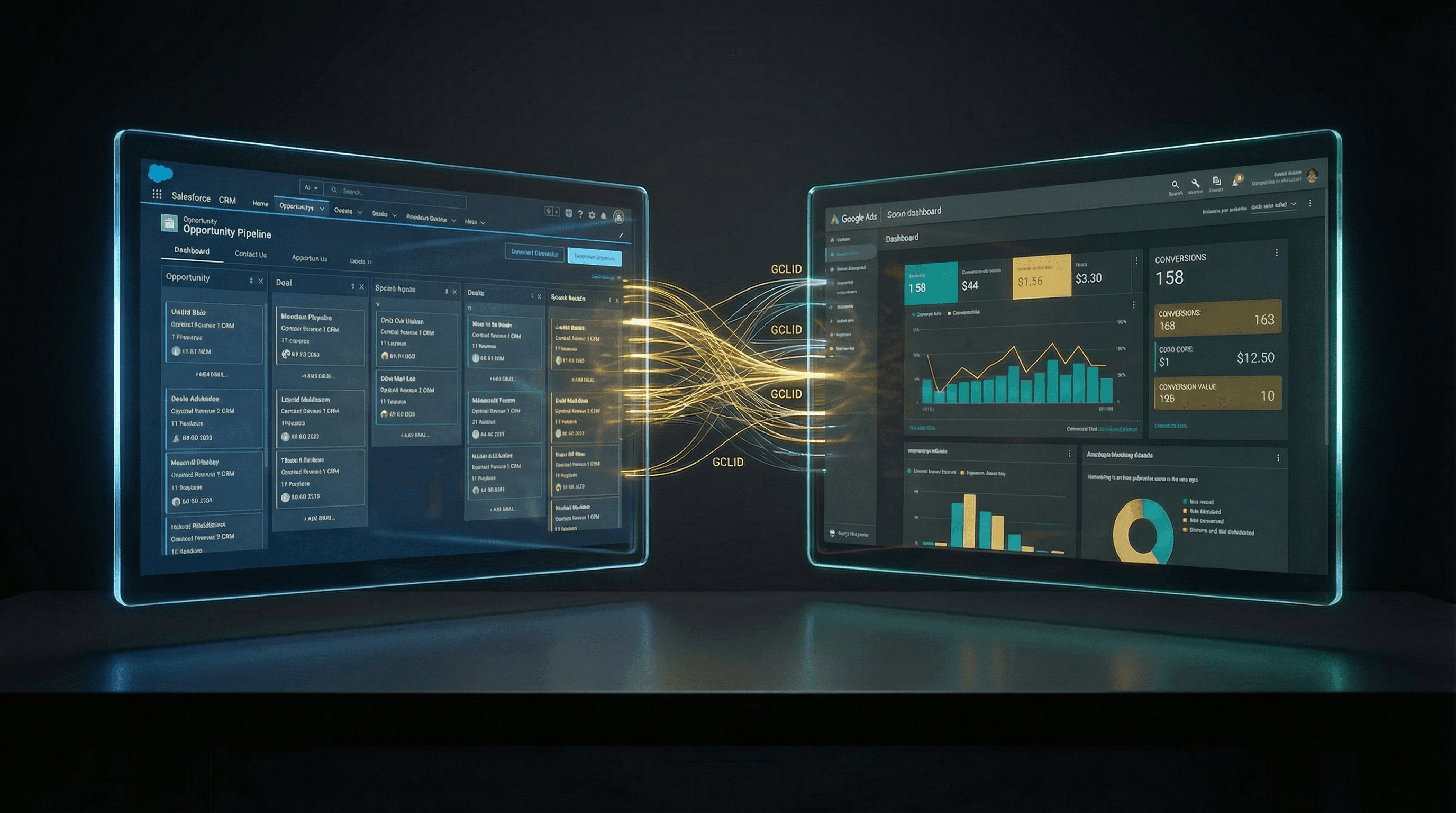
Trying to figure out which digital advertising tools actually show you what's working and what's not can feel like a puzzle. You want to know where your money is going and if it's actually bringing in results. We're talking about advertising performance tracking tools here, the ones that give you the nitty-gritty details so you can make smarter choices. It’s not just about seeing numbers; it’s about understanding the story behind them. Let's look at some of the best options out there that help you track performance down to the smallest detail.
Key Takeaways
Leadfeeder provides B2B companies with detailed insights into website visitors and their behavior, even without form fills, helping to identify and target promising leads.
Tools like Voluum are great for tracking ad performance across different channels, while Partnerize helps manage and measure partnership campaigns effectively.
Advanced platforms such as Northbeam and Singular offer multi-touch attribution and full-funnel data analysis, giving a clearer picture of campaign impact.
Creative analysis tools like Superads and Vidmob help understand why certain ads perform better, providing insights for future creative development.
Integrated reporting solutions like DashThis and AgencyAnalytics consolidate data from various channels into easy-to-understand dashboards for better overall campaign oversight.
Granular Website Visitor Insights

Knowing who's landing on your website and what they're doing there is pretty important, right? It's not just about counting visitors; it's about understanding them. This section looks at tools that give you a much closer look at your website traffic, going beyond the basics.
Leadfeeder For B2B Website Traffic Analysis
Leadfeeder is a tool that really shines when you're trying to figure out which companies are checking out your B2B website. It tracks visits and can even link them back to specific marketing campaigns. This means you can see not just where traffic is coming from, but which campaigns are bringing in the good stuff – the kind of companies that might actually buy from you.
What's cool is that Leadfeeder can identify visiting companies and give you details like their industry, how they interacted with your site, and even a sense of their buying potential. And the best part? You get this info without needing visitors to fill out a form. This helps you spot potential leads, figure out how interested they are, and then send them content that's actually relevant to them.
Understanding Visitor Behavior Without Forms
Getting detailed visitor information used to mean relying on forms, which, let's be honest, people often skip. Tools are now available that let you see visitor behavior and company details without that friction. This is a game-changer for understanding your audience.
Think about it: you can see which pages get the most attention, where people tend to drop off, and how they move through your site. This kind of data helps you make smart changes to your website. You can tweak landing pages, make the checkout process smoother, or improve your content based on actual user actions, not just guesses.
Here's a quick look at what you can learn:
Company Identification: See which businesses are visiting your site.
Engagement Metrics: Track page views, time on site, and bounce rates.
Navigation Paths: Understand how visitors move from one page to another.
Conversion Tracking: See which pages or actions lead to desired outcomes.
Understanding visitor behavior without requiring form submissions means you get a more accurate picture of your audience. People act differently when they're not being asked for information, and capturing that natural behavior provides richer insights for marketing and sales efforts.
Comprehensive Campaign Performance Tracking
When you're running ads, you really want to know if they're actually doing what you want them to do, right? It's not just about spending money; it's about seeing a return. That's where tracking tools come in. They help you see exactly how your ads are performing across different places online.
Voluum For Cross-Channel Ad Tracking
Voluum is a tool that helps you keep tabs on your ads no matter where they're running. Think of it like a central hub for all your ad campaigns. It doesn't matter if you're on Facebook, Google, or some other network; Voluum tries to pull all that data together.
This is super helpful because it means you don't have to log into a dozen different platforms just to see how things are going. You can see which ads are getting clicks, which ones are leading to sales, and where your money is best spent. It's all about getting a clear picture of your ad spend and its results.
Here's a quick look at what you can track:
Clicks: How many people clicked on your ad.
Conversions: How many people took a desired action, like buying something or signing up.
Cost: How much you're spending on each campaign.
Return on Investment (ROI): Whether you're making more money than you're spending.
You need to know what's working and what's not. If an ad isn't bringing in results, you should be able to spot it quickly and make changes. This tool helps you do just that, so you're not wasting money on ads that just aren't cutting it.
Partnerize For Partnership Campaign Management
If you work with partners, like affiliates or other businesses promoting your products, Partnerize is a tool designed to help manage those relationships and track their performance. It's all about making sure your partnerships are actually driving business.
Partnerize helps you:
Track sales and leads that come from your partners.
Manage payments to your partners accurately.
See which partners are performing best so you can work with them more.
Create custom tracking links to know exactly where traffic is coming from.
It gives you a way to see if your partnership programs are worth the effort and investment. You can see how many people a specific partner brought to your site and how many of those people ended up buying something. This way, you can focus on the partnerships that are really paying off.
Advanced Attribution and Analytics Platforms
When you're trying to figure out exactly where your ad money is going and what's actually working, you need tools that go beyond just counting clicks. This is where advanced attribution and analytics platforms come in. They help you see the whole picture, not just the last step before a sale.
Northbeam For Multi-Touch Attribution
Northbeam is a tool that really digs into how different marketing efforts work together. It's not just about the final click that led to a conversion; it looks at the whole journey a customer took. This means you can see how your initial ads, your social media posts, and even your email campaigns all played a part.
It uses several ways to figure out attribution, like first-click, linear, time-decay, and data-driven models.
You get real-time looks at customer lifetime value based on where they first came from.
The dashboards are pretty clean, making complicated data easier to understand for clients.
It handles tracking even with privacy changes like iOS 14+, which is a big deal these days.
Understanding the full customer path is key. It stops you from cutting budget on channels that might be great for awareness or consideration, even if they aren't the last click before a purchase.
Singular For Full-Funnel Marketing Data
Singular is built to handle marketing data from start to finish. It pulls in information from a huge number of sources – we're talking thousands of possible connections. This makes it great for businesses that run campaigns across lots of different platforms and want to see how it all adds up.
Collects data from a massive range of sources.
Puts all your different data streams into one place.
Helps measure your overall return on investment across everything you do.
Has built-in tools for testing different ad versions directly on the platform.
Power BI For Data Visualization
While Northbeam and Singular focus on collecting and attributing the data, Power BI is all about making that data look good and easy to understand. It's a business analytics tool from Microsoft that lets you create interactive charts, graphs, and reports. You can connect it to almost any data source, including the ones from your attribution platforms, and then build dashboards that tell a clear story.
Connects to many different data sources.
Lets you build custom, interactive reports.
Helps visualize trends and patterns that might be hidden in raw numbers.
The real power comes when you combine these tools, using platforms like Northbeam or Singular to gather and attribute your marketing data, and then feeding that clean data into something like Power BI to create reports that everyone can understand. This way, you're not just guessing; you're making decisions based on solid, visual evidence.
Creative Performance Analysis Tools
So, you've poured time and money into creating ads, running tests, and maybe even tweaking them based on initial feedback. But how do you really know what's working and why? That's where creative performance analysis tools come in. They're not just about spitting out numbers; they help you understand the story behind those numbers, so you can make smarter decisions for your next campaign.
Superads For Post-Test Creative Insights
Superads is designed to be your go-to after the testing is done. Think of it as the detective that figures out why a particular ad hit it out of the park, or why another one just flopped. It takes all that raw data from your ad tests and turns it into something you can actually use. It's all about translating complex test results into clear, actionable creative intelligence.
Key features you'll find useful:
AI-powered tagging: This automatically breaks down your ads by elements like the opening hook, the format used, the call-to-action, and even the visual style. It helps pinpoint what specific parts of your ad are grabbing attention.
Cross-platform dashboards: Easily compare how your creative performed across different social media sites like Meta, LinkedIn, and TikTok all in one place.
Customizable reports: Build reports that focus on what matters most to you and your team, making it simple to share findings with designers, media buyers, or clients.
Superads doesn't run the tests itself, but it's the tool that helps you make sense of the results afterward. It bridges the gap between just running experiments and actually learning from them to build better ads.
Motion For AI-Powered Creative Tagging
Motion focuses on making the reporting process faster and more visual, especially for platforms like Meta (think Facebook and Instagram ads) and TikTok. It uses AI to tag creative elements, which helps in understanding performance at a more detailed level. This means you can quickly see which ad formats, messages, or visuals are driving the best results without spending hours sifting through data manually.
Vidmob For End-to-End Creative Production
Vidmob goes a bit further by integrating creative production with performance analysis. While it helps in analyzing creative performance, it also supports the entire process from creation to optimization. This means you can get insights on your ads and then use those insights to refine or create new ones, all within a connected workflow. It's about making sure the creative you put out is not only seen but also performs well because it's informed by data from the start.
Affiliate Marketing Performance Tracking

When you're running an affiliate program, keeping tabs on who's sending you traffic and sales is super important. It’s not just about knowing if you're getting results, but who is driving them and how. This is where specialized tools come in handy.
LeadDyno For Affiliate Campaign Management
LeadDyno is a solid choice if you're looking to get a handle on your affiliate marketing efforts. It gives you the specific data you need to actually track and manage your campaigns better. Think of it like having a clear map for all your affiliate partners.
Here’s what makes it useful:
Unique Tracking Links: LeadDyno provides each affiliate with their own special links. This means you can accurately see which sales or leads came from a specific blog post, social media shout-out, or even a particular ad your affiliate is running.
Performance Dashboards: Affiliates can log in and see how they're doing – how many visitors they've sent, how many leads they've generated, and how many sales they've closed. This transparency is good for them and gives you insight into who your top performers are.
Sales Attribution: You can see exactly which affiliate is responsible for which sale, which is key for paying out commissions correctly and understanding which partnerships are most profitable.
The real win here is the ability to connect specific actions back to individual affiliates, making your program much more accountable. It helps you figure out who to support more and who might need a little extra guidance. You can also use this data to identify potential new partners who are already sending you traffic through other channels. For a more in-depth look at managing affiliate partnerships, you might want to check out Post Affiliate Pro.
Managing affiliate marketing effectively means understanding the flow of traffic and sales from each partner. It's about building relationships based on clear data and mutual benefit, ensuring that both you and your affiliates are working towards shared goals with measurable outcomes.
Integrated Reporting and Dashboard Solutions
Okay, so you've got all these amazing digital ad campaigns running, right? Tracking them is one thing, but actually seeing how they all fit together and what they mean for the bigger picture? That's where reporting and dashboard tools come in. They're like the central command center for all your marketing data.
DashThis For All-In-One Marketing Reports
Think of DashThis as your go-to for pulling together data from all over the place. It grabs info from Google Ads, Facebook, Instagram, you name it, and sticks it all into one dashboard. This means you're not jumping between ten different tabs just to see how things are going. They even have templates, which is super handy when you're trying to get a report out the door quickly. It really helps you see your key performance indicators without a ton of fuss. This is a great way to get a handle on your marketing campaign performance.
AgencyAnalytics For Automated Client Reporting
If you're working with clients, reporting can be a huge time sink. AgencyAnalytics is built to help with that. It automates a lot of the report-building process, which frees you up to actually do the strategic work. It pulls data from various sources and lets you build custom reports that highlight what matters most to your clients. This means less time spent fiddling with spreadsheets and more time focusing on making those campaigns work better. Plus, clear reports help clients understand the value you're bringing.
Having a solid reporting system means you can quickly see what's working and what's not. It's not just about looking at numbers; it's about understanding the story those numbers tell so you can make smarter decisions moving forward. This clarity is key for growth.
Here's a quick look at what these tools help you do:
Consolidate Data: Bring information from multiple ad platforms and sources into one place.
Automate Reporting: Save time by setting up reports that generate automatically.
Visualize Performance: Use charts and graphs to easily understand campaign results.
Track Key Metrics: Keep an eye on important numbers like clicks, conversions, and return on ad spend.
Wrapping It Up
So, when it comes to really digging into your ad performance, it's clear there's a whole bunch of tools out there. Some give you the big picture, like Google Analytics, which is great for getting started. But if you need to know exactly which ad made someone click, or which part of your ad made them buy, you'll want to look at more specialized options. Tools like Leadfeeder can show you who's visiting your site from which campaign, and others like Voluum or Superads help you track and understand ad performance down to the nitty-gritty. It’s not just about seeing numbers; it’s about using those numbers to make your ads work better. Picking the right tool, or combination of tools, really depends on what you're trying to achieve and how deep you need to go with your data.
Frequently Asked Questions
What exactly is performance marketing?
Performance marketing is like paying for results. Instead of just paying for ads to be seen, you pay when someone actually clicks on your ad, signs up for something, or buys a product. It's a way to make sure your money is spent on things that actually get results.
Why is detailed tracking so important in advertising?
Detailed tracking helps you see exactly which ads and campaigns are bringing in the most customers and sales. It's like having a map that shows you the best roads to take to reach your goals, so you can spend your money more wisely and get better results.
Can these tools help me understand what makes my ads successful?
Yes! Many of these tools go beyond just showing numbers. They can help you figure out *why* certain ads work better than others by looking at things like the pictures, words, or calls to action used. This helps you make even better ads in the future.
What's the difference between basic tracking and granular tracking?
Basic tracking might tell you how many people visited your website. Granular tracking goes deeper, showing you which specific campaigns brought those visitors, what they did on your site, and even which companies they might be from, all without them filling out a form.
Are there tools that can help with managing partnerships or affiliates?
Absolutely. Some tools are specifically designed to help you find, manage, and track the performance of partners or affiliates who help promote your products or services. They make it easier to see who's sending you business and how much.
How do these tools help with reporting to clients or bosses?
Many of these tools can automatically gather data from all your different advertising efforts and put it into easy-to-understand reports or dashboards. This saves a lot of time and makes it simple to show how well your marketing campaigns are doing.