
Carlos Courtney
Digital Marketing
What are the top conversion techniques for dental practice digital marketing?
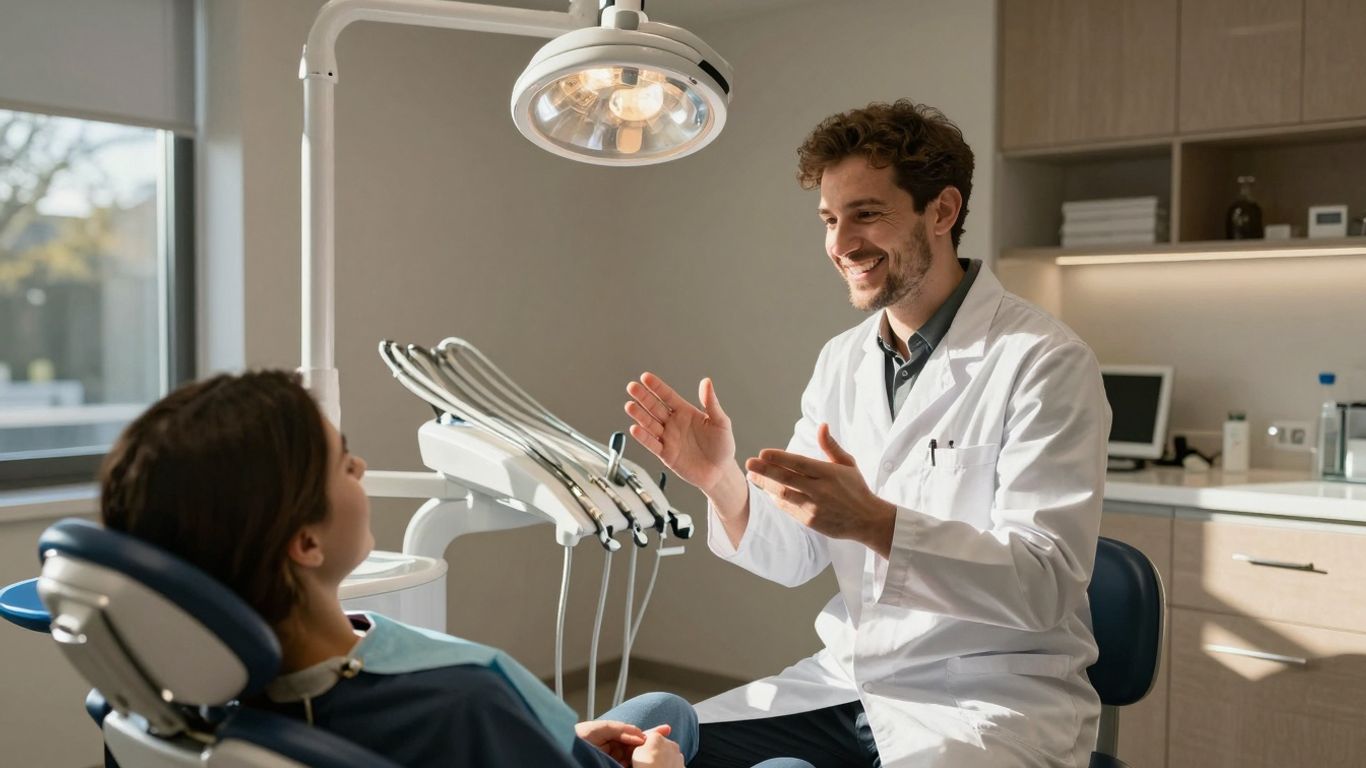
So, you've got a dental practice, and you know you need to be online. Having a website is just the start, though. To really get people to book appointments – that's where dental digital marketing conversions come in. It's not just about being found; it's about getting folks to take action. We're talking about turning those clicks into actual patients. Let's look at some solid ways to make that happen.
Key Takeaways
Focus on search engines. Make sure people can find you when they look for a dentist online, whether it's through general search or local searches. This means good SEO and a solid Google Business Profile.
Paid ads can bring in patients quickly. Ads on Google or social media can target specific people, helping you get new patients faster, but they do cost money.
Content matters. Create helpful articles, videos, or posts that answer patient questions. This builds trust and shows you know your stuff.
Make your website easy to use. Patients should be able to find what they need, book appointments easily, and have a good experience on their phones.
Track what works. Use tools to see where your new patients are coming from and which marketing efforts are bringing in the most business. This helps you spend your money wisely.
Search Engine Optimization
Search Engine Optimization, or SEO, is all about making your dental practice's website more visible when people search for dental services online. Think of it as making your practice easy to find without paying for ads. The main goal is to get your website to show up on the first page of search results for terms potential patients are actually typing into Google. This isn't just about getting clicks; it's about attracting people who are ready to book an appointment.
SEO involves a few key areas:
On-Page Optimization: This means making sure the content on your website pages is relevant and uses keywords that people search for. It also includes things like making sure your page titles and descriptions are clear and inviting.
Technical SEO: This covers the behind-the-scenes stuff that helps search engines understand your site, like site speed, mobile-friendliness, and how your website is structured.
Off-Page Optimization: This involves building your practice's authority online, often through getting links from other reputable websites.
When done right, SEO is a long-term investment. Unlike paid ads that stop working when you stop paying, good SEO can keep bringing in patients for a long time. It's like building a strong foundation for your online presence.
Getting your website to rank well organically means you're showing up when people are actively looking for the services you provide. It builds trust and credibility because people tend to trust search results more than ads. This strategy takes time and consistent effort, but the payoff in terms of consistent patient flow is significant.
Local SEO
When people search for a dentist, they're usually looking for someone nearby. That's where Local SEO comes in. It's all about making sure your dental practice shows up when potential patients in your area search for dental services online. Think of it as putting your practice on the digital map for your community.
The core of Local SEO for dentists revolves around appearing in the "map pack" results on Google. These are those handy listings you see with a map and a few local businesses when you search for something like "dentist near me." Even broader searches, like just "dentist," can trigger local results if Google figures out you're looking for a local service.
Here’s how to get your practice noticed locally:
Claim and Optimize Your Google Business Profile: This is non-negotiable. It's your digital storefront on Google. Make sure all your information – name, address, phone number, website, hours – is accurate and complete. Choose the right categories for your services (e.g., "Cosmetic Dentist," "Pediatric Dentist," "Dental Implants Provider").
Gather Online Reviews: Encourage satisfied patients to leave reviews on your Google Business Profile and other relevant sites. Positive reviews build trust and influence search rankings.
Build Local Citations: Get your practice listed in online directories like Yelp, Yellow Pages, and industry-specific directories. Consistency in your Name, Address, and Phone number (NAP) across all listings is key.
Local Link Building: Earn links from other local websites, like community organizations or local news outlets. This signals to Google that your practice is a legitimate part of the local business landscape.
Local SEO isn't just about appearing in search results; it's about connecting with the people who live and work around your practice. It's about being the go-to dental provider for your community when they need you most.
Paid Ads
When you need to get patients in the door quickly, paid ads are a solid choice. Unlike waiting for search engines to rank your site, paid ads put you right in front of people who are actively searching for dental services. Think of it as a shortcut to visibility.
The main idea is simple: you pay for placement, and you pay when someone actually clicks on your ad. This Pay-Per-Click (PPC) model, most commonly seen with Google Ads, means you're not just throwing money away; you're investing in potential patients.
Here's a breakdown of how they work for dental practices:
Targeting is Key: You can get super specific. Want to attract people looking for cosmetic dentistry in your town? Or maybe those searching for emergency dental care? Paid ads let you define your audience by location, interests, and even specific search terms.
Instant Visibility: Your ads can appear at the top of search results or on social media feeds almost immediately after you launch a campaign. This is great for promoting special offers or filling last-minute appointment slots.
Measurable Results: You can track exactly how many people click your ads, visit your website, or even call your practice directly from the ad. This data helps you see what's working and what's not.
It's not just about Google, though. Platforms like Facebook also offer robust advertising options. You can create visually appealing ads with images or videos, targeting specific demographics and interests. This can be really effective for building brand awareness and reaching a broader audience.
Setting up paid ad campaigns involves more than just picking keywords. You need to think about what happens after the click. Where do people land? Is it easy for them to book an appointment or call? A well-designed landing page that matches the ad's message is super important for turning clicks into actual patients. Also, don't forget about negative keywords – these tell the ad platforms what not to show your ads for, saving you money and clicks from irrelevant searches.
Content Marketing
Content marketing is all about creating and sharing useful stuff online to attract and keep people interested in your dental practice. Think of it as building a library of helpful resources that answer questions your potential patients might have. When people find your content useful, they start to see you as a go-to expert.
The main goal is to become the first dental practice that comes to mind when someone needs dental care.
Here are some ways to do content marketing:
Start a Blog: This is a big one. You can write about common dental problems, tips for keeping your teeth healthy, or explain different procedures. For example, an article on how to handle a toothache when you can't get to the dentist right away could attract a lot of visitors. It shows you understand their immediate needs.
Create Informative Guides: Develop detailed guides on topics like "Choosing the Right Toothbrush" or "Understanding Dental Implants." These can be downloadable resources that people appreciate.
Share Patient Success Stories: Real-life examples are powerful. Feature testimonials, before-and-after photos (with patient permission, of course), or even short video interviews with happy patients. This builds trust.
The online world is noisy. People are bombarded with information, so they're getting pickier about what they pay attention to. Instead of just putting out a lot of content, focus on making each piece really good and genuinely helpful. High-quality stories that connect with people tend to do well, both with readers and with search engines.
It takes time, but consistently providing valuable content can really help your practice stand out and bring in new patients over the long haul.
Email Marketing

Email marketing is a direct line to your patients, and it’s a really cost-effective way to keep them in the loop. Unlike social media, your messages aren't at the mercy of algorithms, so they're more likely to be seen. It’s great for both bringing in new patients and keeping your current ones happy.
Think about setting up automated email sequences. For instance, when someone books an appointment, they could automatically get an email with directions and any necessary forms. A week later, a follow-up asking for a review, complete with a link to your Google reviews page. You could even set up a system to ask for referrals from friends and family.
Here are some ideas for email campaigns:
Tips for good oral health.
Reminders for appointments.
Updates about your practice.
Announcements for new services.
Special offers for patients.
Welcome emails for new patients.
Email campaigns can be personalized too. Sending a birthday greeting or a reminder about a specific treatment can make patients feel more valued and encourage them to come back.
Automated emails can save your staff a lot of time. Reports show that around 69% of offices find that automation helps cut down on wasted time. It's a smart way to handle routine communications so you can focus on other things.
User Experience Improvements
Making your dental practice website easy and pleasant to use is a big deal. Think about it: if someone lands on your site looking for a dentist and gets frustrated because they can't find what they need, they're probably just going to click away. And that's a lost opportunity, plain and simple.
Improving the overall user experience can really boost how well all your digital marketing efforts perform. When people can find information quickly, understand your services, and feel comfortable on your site, they're more likely to take the next step, whether that's calling your office or booking an appointment online.
Here are a few things to look at:
Clear Calls to Action: Are your "Book Appointment" or "Contact Us" buttons obvious? They should stand out and be easy to click, especially on a phone.
Simple Navigation: Can people easily find important pages like services, insurance details, or staff bios? A confusing menu is a quick way to lose visitors.
Fast Loading Times: Nobody likes waiting for a page to load. If your site is slow, people will leave before they even see what you offer.
Trust Signals: Do you clearly show things like professional certifications, awards, or affiliations with reputable organizations? This helps build confidence.
When people visit your website, they're often looking for reassurance. They want to know you're a competent and trustworthy practice. Making it easy for them to find information about your services, your team, and what makes you different helps build that trust. If your site feels outdated or difficult to use, it can send the wrong message about the quality of care you provide.
Consider how your site looks and works on a phone. Many people will be searching for a dentist while they're out and about, so a mobile-friendly design isn't just a nice-to-have, it's a must-have. Making these kinds of improvements can make a real difference in how many visitors turn into actual patients.
Social Media Marketing
Social media is more than just posting pretty pictures of smiles. It's about building a real connection with people who might need your services. Think of it as a digital waiting room where you can chat with folks, answer their questions, and show them what your practice is all about. Being active and responsive on these platforms helps build trust, which is super important in healthcare.
Here’s how to make social media work for your dental practice:
Showcase Your Work (the Right Way): High-quality photos and videos are a must. Blurry or poorly edited images can make your practice look unprofessional. Invest in good photography – it makes a difference, especially for cosmetic cases. Before-and-after shots are great, but make sure they represent your best work.
Engage Your Audience: Don't just post and leave. Respond to comments and messages promptly. Ask questions, run polls, and share behind-the-scenes glimpses of your practice. This interaction makes your practice feel more human and approachable.
Be Consistent: Regular posting keeps your practice top-of-mind. Develop a content calendar to ensure you're sharing relevant and engaging material consistently. This could include dental tips, team introductions, or patient testimonials.
Use Hashtags Wisely: Create unique hashtags for specific treatments or campaigns (e.g., #DrSmithVeneers). This helps build a digital album of your work and makes it easier for potential patients to find examples of your results.
Social media allows you to control the narrative about your practice. It's a space to highlight your unique approach, your team's personality, and the positive experiences patients have. This consistent brand messaging across platforms helps build recognition and loyalty.
Platforms like Instagram, Facebook, and even TikTok can be great for sharing short videos, patient stories, and practice updates. It's about creating a community around your practice, not just advertising services.
Google Business Profile Optimization
Your Google Business Profile (GBP) is like your digital front door for local searchers. It's often the first impression potential patients have of your dental practice, even before they click through to your website. Making sure this profile is complete and accurate is a huge part of showing up when people in your area search for dental services.
Think of it as your practice's mini-website on Google. You want to give people all the key information they need right there. This includes your exact address, phone number, and current operating hours. Don't forget to add your website link too. Keeping this information up-to-date is super important, especially if your hours change for holidays or special events.
Here are some key things to focus on:
Accurate NAP Information: Your Name, Address, and Phone number (NAP) need to be consistent everywhere online. If it's different on your GBP than on other directories, Google gets confused, and it can hurt your ranking.
Categories: Choose the most relevant categories for your practice. Are you a general dentist, a cosmetic dentist, or do you specialize in pediatric care? Being specific helps Google match you with the right searches.
Photos and Videos: Upload high-quality photos of your practice, your team, and maybe even some before-and-after shots (with patient consent, of course). Videos can also make your profile more engaging.
Services: List all the services you offer, from routine cleanings to more specialized procedures like implants or orthodontics. This helps people understand what you do.
Posts: Use the Posts feature to share updates, special offers, or news about your practice. It's a great way to keep your profile active and inform potential patients.
Q&A Section: Monitor and answer questions that users post. This shows you're engaged and can address common patient concerns proactively.
Reviews: Encourage satisfied patients to leave reviews. Respond to all reviews, both positive and negative, professionally. This builds trust and shows you care about patient feedback.
Optimizing your Google Business Profile isn't just about looking good; it directly impacts your visibility in local search results, especially in the coveted map pack. A well-maintained profile can lead to more calls, website visits, and ultimately, new patients walking through your door.
It's also a good idea to check how your profile looks on different devices. Since many people search on their phones, you want to make sure it's easy to read and use on a smaller screen. Regularly checking your GBP insights can also show you how people are finding you and what actions they're taking, which helps you refine your strategy.
Landing Page Optimization
When someone clicks on an ad or a link from a social media post about a specific dental service, you want them to land on a page that’s all about that service. That’s where landing page optimization comes in. It’s about making that specific page as effective as possible at getting the visitor to take the next step, like booking an appointment or calling the office.
Think of it like this: if you're advertising a special offer on teeth whitening, your landing page shouldn't be your homepage. It should be a page that talks only about teeth whitening, shows before-and-after pictures, explains the benefits, and has a big, clear button that says "Book Your Whitening Consultation." The goal is to make it super easy for people to do what you want them to do.
Here’s what goes into making a landing page work well:
Clear Message: The page should immediately tell visitors what it's about and what they can do. No confusion allowed.
Strong Call-to-Action (CTA): This is the button or link that tells people what to do next. It needs to stand out and be compelling.
Relevant Content: The information on the page must match what the visitor was expecting based on the ad or link they clicked.
Minimal Distractions: Remove extra navigation links or other things that might pull the visitor away from the main goal of the page.
Mobile-Friendly Design: Most people will look at this page on their phone, so it has to look good and work perfectly on a small screen.
A well-optimized landing page acts as a focused salesperson, guiding potential patients directly towards a conversion without any detours. It's a dedicated space designed for a single purpose: to turn interest into action.
For example, if you're running a Google Ads campaign for dental implants, you'd create a landing page specifically for that. This page would detail the implant process, show successful cases, and prominently feature a button to "Request an Implant Consultation." This focused approach helps improve your ad's performance and makes it more likely that visitors will become patients. You can find more tips on creating effective landing pages here.
It's also important to consider the speed at which your landing page loads. If it takes too long, people will just leave. And don't forget about making sure your phone number is easy to find and click, especially for older patients who might prefer seeing a clickable number rather than just an icon.
Online Reputation Management
What people find when they search for your dental practice online can make or break whether they become a patient. It’s not just about having a good website; it’s about what others are saying about you.
Think about it: when you're looking for a new dentist, you're probably going to check out reviews, right? Most people do. A strong online reputation builds trust and credibility before a potential patient even contacts your office.
So, how do you manage this? First, you need to know what's out there. Do a quick search for your practice name, the names of your dentists, and "your practice name + reviews." See what pops up. Are the reviews mostly positive? Are there any negative comments that need addressing?
Here’s a basic plan:
Encourage Reviews: Make it easy for happy patients to leave feedback. A simple follow-up email or a sign in the waiting room can prompt them to share their positive experiences on platforms like Google or Yelp.
Monitor Review Sites: Regularly check major review platforms. This includes Google, Yelp, Healthgrades, and any others relevant to your area.
Respond Thoughtfully: Address both positive and negative reviews. Thank patients for positive feedback. For negative reviews, respond professionally and empathetically, offering to discuss the issue further offline. This shows you care and are committed to patient satisfaction.
Build Trust Signals: Highlight credentials, certifications, and any affiliations with reputable organizations on your website and profiles.
Managing your online reputation isn't a one-time task. It requires ongoing attention to ensure that the information potential patients find reflects the quality care you provide. It's about actively shaping the perception of your practice in the digital space.
If you find a lot of negative feedback, it’s time to take action. This might involve improving patient experiences, addressing specific issues raised in reviews, or even using SEO tactics to push down less favorable results on search pages. Building a positive online presence is a key part of dental reputation management and can significantly impact your practice's growth.
Website Navigation
Think about how people actually use your website. If it's a confusing mess, they're just going to leave. A clear, simple navigation menu is super important for keeping visitors on your site and helping them find what they need.
When someone lands on your dental practice's website, they're usually looking for something specific. Maybe it's your services, your location, how to book an appointment, or information about insurance. If they can't find that stuff quickly, they'll probably just go back to Google and try someone else.
Here are a few things to focus on:
Logical Structure: Group related pages together. For example, all your service pages should be easy to find under a 'Services' tab. Don't hide important info deep within sub-menus.
Clear Labels: Use straightforward terms for your menu items. Instead of something vague like 'Our Approach,' try 'About Us' or 'Our Team.' For services, be specific: 'Dental Implants,' 'Teeth Whitening,' etc.
Prominent Contact Info: Make sure your phone number and a link to your contact page are visible on every page, usually in the header or footer.
Search Functionality: If your site has a lot of content, a search bar can be a lifesaver for users trying to find specific information.
People have short attention spans online. If your website's layout makes them work too hard to find basic information, they'll get frustrated and leave. Make it as easy as possible for them to take the next step, whether that's calling your office or booking an appointment online.
Mobile User Experience
Most people today start looking for things, including dentists, on their phones. It's just how it is now. If your dental practice's website isn't easy to use on a small screen, you're probably losing patients before they even get a chance to call you. Think about it: people have short attention spans, and fumbling around a clunky, hard-to-read website on their phone is a quick way to make them click away.
Making your website work well on mobile devices is no longer optional; it's a basic requirement.
Here's what really matters when it comes to mobile user experience for your dental practice:
Easy to Read: Text should be large enough to read without zooming. Buttons and links need to be spaced out so people don't accidentally tap the wrong thing with their thumb.
Fast Loading: Mobile users are often on the go and don't have time to wait for slow pages. If your site takes too long to load, they'll leave.
Simple Navigation: Menus should be clear and easy to find. Patients should be able to locate important information like services, hours, and contact details without a struggle.
Clickable Contact Info: Make sure your phone number is a clickable link. This way, someone can just tap it and call your office directly from their phone. The same goes for your address, which should link to a map.
Patients are using their phones to find dentists more than ever. If your site isn't built with them in mind, you're missing out on a huge chunk of potential new patients. It's about making it as simple as possible for them to find you and book an appointment, right from their pocket.
Consider how someone might use your site while walking down the street or waiting in line. Can they quickly find your address? Can they easily tap to call? If the answer is no, it's time for some updates. This isn't just about looking good; it's about making it practical for people to become patients.
Site Performance
When people search for a dentist, they don't want to wait around. If your website takes too long to load, they're probably just going to click away and find someone else. Fast loading times are super important for keeping visitors on your site. Think about it: you're probably not going to wait forever for a page to pop up, right? Neither are potential patients.
Here are a few things that really impact how fast your site feels:
Image sizes: Big, unoptimized images can really slow things down. Make sure they're compressed but still look good.
Code efficiency: Messy code can make your site work harder than it needs to. Keeping it clean helps.
Server response time: This is how quickly your website server gets back to a visitor's browser. A good host makes a difference here.
Browser caching: This lets returning visitors load your site faster because their browser remembers parts of it.
Slow websites don't just frustrate users; they can also hurt your search engine rankings. Google and other search engines notice when sites are sluggish and tend to show faster sites more often. So, a speedy site helps you get found more easily.
It's not just about speed, though. People also need to be able to find what they're looking for easily. If your site is confusing or hard to get around, that's another reason they might leave. Making sure your site is easy to use and loads quickly goes a long way in getting people to book an appointment.
Call Tracking
Ever wonder where those new patients are actually coming from? If you're running ads, have a website, or even just rely on word-of-mouth, it can be tough to pinpoint which efforts are paying off. That's where call tracking comes in. It's a simple yet powerful way to connect your marketing activities directly to phone calls.
Think about it: a potential patient sees your ad, likes what they see, and decides to call. Without call tracking, that call might just register as a generic website visit or an unknown referral. But with call tracking, you can assign unique phone numbers to different marketing campaigns. So, if someone calls the number listed on your Google Ad, you know exactly where that lead originated. This helps you understand which campaigns are driving actual conversations and, ultimately, new patients.
Here's how it generally works:
Assign Unique Numbers: Different marketing channels (like Google Ads, Facebook, flyers, or even specific landing pages) get their own dedicated tracking numbers.
Record and Analyze Calls: The system records the calls (with proper consent, of course) and logs which number was called.
Attribute Leads: You can then see which marketing efforts are generating the most phone inquiries.
This data is gold. It lets you see which ads are performing best, which keywords are leading to calls, and even how your team is handling those incoming calls. You can then adjust your ad spend, refine your messaging, and improve your patient communication. For dental practices, this means not wasting money on marketing that isn't working and focusing resources where they'll have the biggest impact. It's a smart way to get more out of your digital marketing efforts.
Understanding the source of every phone call is key to optimizing your marketing budget. It moves you from guessing to knowing exactly what's bringing people through your door (or onto your phone line).
For instance, you might find that your Google Ads are bringing in a high volume of calls, but the conversion rate to appointments is lower than expected. This could signal a need to refine your ad copy or landing page. Conversely, a less expensive campaign might be generating fewer calls, but those callers are more likely to book appointments. Call tracking helps you make these informed decisions, leading to a more efficient and profitable marketing strategy for your dental practice.
Keyword Research
Figuring out what words and phrases people actually type into Google when they're looking for dental services is a big deal. It's not just about guessing; it's about digging in and finding out what your potential patients are searching for. This research is the bedrock of almost everything else you'll do in digital marketing for your practice.
Think about it. If you don't know what terms people are using, how can you expect to show up when they search? You might be missing out on a ton of people who need your help. We're talking about terms like "emergency dentist near me," "teeth whitening cost," or "pediatric dentist [your city]."
Here's a quick look at why it matters and how to approach it:
Understand Patient Needs: Keywords reveal the problems people are trying to solve. Are they looking for cosmetic work, pain relief, or routine check-ups?
Target the Right Audience: Using specific keywords helps attract people who are genuinely interested in the services you offer, not just random visitors.
Beat the Competition: Knowing what keywords your competitors are ranking for can give you an edge. You can find gaps or target terms they might be overlooking.
Inform Content Creation: The keywords you find will guide what you write about on your website, in your blog posts, and even in your social media updates.
It's not just about stuffing a few words onto a page. Google is smart; it wants content that makes sense and answers questions. So, when you find your keywords, you need to weave them in naturally. Think about the "People Also Ask" section on Google search results – that's gold for finding out what questions people have.
The goal is to match what people are searching for with the services you provide. If someone searches for "dental implants," your website should clearly show that you offer dental implants and provide helpful information about them. It's about making that connection.
We often look at a mix of broad terms and more specific, long-tail keywords (like "affordable invisalign dentist in downtown [city]"). These longer phrases might have less search volume, but they often bring in people who are closer to making a decision. It's a balancing act, but getting this right means your marketing efforts are much more likely to pay off.
Video Content
Video is a really powerful tool for dental practices these days. Think about it – people are way more likely to watch a short video than to read a long article, especially when they're trying to figure out if they trust you with their smile. It’s a fantastic way to show off your practice, introduce your team, and explain procedures in a way that’s easy to understand.
Using video can make your practice feel more approachable and build trust before a patient even steps through your door.
Here are some ways video can help:
Virtual Office Tours: Let potential patients see your clean, modern facility. This can ease anxiety for those who haven't visited before.
Provider Introductions: Short clips of your dentists and hygienists talking about themselves and their approach can create a personal connection.
Treatment Explanations: Visually demonstrating how a procedure works, like explaining dental implants or cosmetic dentistry, can demystify the process.
Patient Testimonials: Hearing directly from happy patients is incredibly persuasive. Seeing and hearing their positive experiences builds confidence in new visitors.
Embedding videos on your website can also keep people on your site longer, which is good for your search engine rankings. Plus, YouTube is a massive search engine itself, so having a presence there can bring in new patients looking for dental care. It’s a smart move to think about how video fits into your overall dental marketing strategies.
Creating professional-looking videos doesn't always require a huge budget. Simple, well-lit videos shot on a good smartphone can be very effective. Focus on clear audio and genuine communication. Editing software can help polish things up, but authenticity often trumps high production value.
Don't forget about the power of before-and-after videos for cosmetic procedures. These visual transformations are compelling and can attract patients looking for aesthetic improvements. Regularly uploading new video content keeps your practice top-of-mind and shows you're active and engaged.
Interactive Content
People are getting tired of just reading stuff online. They want to do things, you know? Interactive content is where it's at for getting people to actually stick around on your dental practice's website. Think quizzes, polls, calculators – things that make visitors click and engage.
These tools can really help people figure out what they need before they even call you. For example, a simple smile assessment quiz could guide a potential patient toward cosmetic dentistry options. Or a pain point identifier quiz could help someone pinpoint the type of dental issue they're experiencing, making it easier for them to book the right appointment.
Here are a few ideas to get you started:
Smile Makeover Quiz: Ask questions about desired outcomes (whiter teeth, straighter smile, etc.) and suggest relevant treatments.
Dental Health Calculator: Let users input information about their habits to get a general idea of their oral health risk factors.
Personalized Content

Think about it: nobody likes getting generic emails or seeing ads that clearly aren't meant for them. The same goes for your potential dental patients. When you tailor your content, it feels like you're actually talking to them, not just shouting into the void. This means sending emails that reference a patient's last visit or a blog post that addresses a specific concern they might have.
Making content personal shows you understand your audience's needs and preferences. It's about moving beyond just listing services and instead, creating a connection. For instance, if someone has been researching cosmetic dentistry, sending them information about smile makeovers or before-and-after photos of those procedures makes a lot more sense than a general newsletter about cleanings.
Here are a few ways to get more personal with your content:
Segment your email lists: Group patients based on their interests, treatment history, or demographics. This way, you can send targeted messages that are more relevant to each group.
Use dynamic content on your website: Show different messages or offers to visitors based on their location, past behavior on your site, or even the time of day.
Reference past interactions: If a patient inquired about a specific service, follow up with more detailed information about that service. It shows you were listening.
Create content around specific patient journeys: Map out the typical steps a patient takes from initial interest to becoming a regular visitor, and create content for each stage.
When you put in the effort to personalize, patients feel seen and valued. This builds trust, which is a big deal when it comes to healthcare decisions. It's not just about getting them in the door; it's about building a relationship that lasts.
AI-Enabled Search Strategies
Artificial intelligence is changing how people find things online, and that includes finding a dentist. It's not just about Google anymore. AI tools like ChatGPT and others are becoming search engines themselves. This means practices need to think about how their information shows up not just in traditional search results, but also when someone asks an AI a question.
The way patients discover dental practices is rapidly evolving due to AI. Think about it: if someone asks an AI, 'What's a good dentist near me that does cosmetic work?', the AI needs to pull accurate, helpful information. Practices that have clear, well-organized content on their websites and Google Business Profile are more likely to be found.
Here’s what’s happening:
AI is driving more traffic: Some websites are already seeing a noticeable amount of traffic coming from AI platforms. This trend is only going to grow.
Content quality matters more: AI systems are getting better at figuring out what information is actually useful. So, instead of just stuffing keywords, focus on creating content that truly answers patient questions and solves their problems.
Mobile and voice search are key: Many people, especially younger generations, use their phones for everything, including searching for healthcare. AI also powers voice search, so making sure your site is easy to understand for both reading and listening is important.
AI isn't just a future thing; it's here now. Practices that adapt by creating high-quality, accessible content will have a big advantage. It’s about being found when and how people are searching, and AI is a huge part of that equation going forward.
So, what does this mean for your practice? It means making sure your website is up-to-date, your Google Business Profile is complete, and you're creating content that's genuinely helpful. It’s about being ready for the next wave of how people find their dental care.
Voice Search Optimization
People are talking to their phones more and more, and that means how they search is changing. Instead of typing, they're asking questions out loud. This is where voice search optimization comes in for your dental practice.
Think about how someone would actually ask for a dentist out loud. They're not likely to say "dentist near me." They're more likely to ask, "Hey Google, find me a dentist who does emergency appointments open on Saturdays near downtown." This means we need to adjust our website content and how we target keywords.
Here's what you should focus on:
Use natural language: Write content that sounds like a real conversation. Think about the questions patients might ask and answer them directly.
Focus on long-tail keywords: These are longer, more specific phrases that mimic spoken questions. For example, instead of "teeth whitening," try "how much does professional teeth whitening cost?"
Optimize for local search: Since many voice searches are local, make sure your Google Business Profile is up-to-date and your website clearly lists your location and services.
Answer common questions: Use your website's FAQ section or blog posts to answer questions people frequently ask about dental care.
Voice search is growing fast. If your website isn't set up to handle these spoken queries, you're missing out on potential patients who are looking for your services right now.
By making these changes, you're not just preparing for the future; you're making it easier for people to find your practice today, whether they're typing or talking.
Zero-Click Search Strategies
It feels like everyone's trying to get information without actually clicking anywhere these days. Search engines are getting really good at giving people answers right on the search results page. Think about it: someone searches for 'emergency dentist near me,' and Google might just show a phone number, address, and hours right there. This means your practice needs to be visible even before someone clicks through to your website.
So, how do you make sure you show up for these "zero-click" searches? It's all about giving search engines the exact information they need, presented clearly.
Optimize Your Google Business Profile: This is huge. Make sure your name, address, phone number (NAP), hours, and services are all listed accurately and consistently. People often find what they need directly from this listing.
Use Structured Data (Schema Markup): This is like giving Google a cheat sheet for your website. You can mark up information about your services, appointment availability, and even patient reviews so search engines can understand it better and display it directly.
Answer Questions Directly: If people are searching for common dental questions, try to answer them concisely on your website. Think about FAQs or short blog posts that get straight to the point. Google might pull these answers for its "featured snippets."
Patients are getting tired of endless scrolling. They want quick answers. If you can provide that information directly in the search results, you're already ahead of the game. It's about being helpful at the very first touchpoint.
For example, if you offer teeth whitening, make sure that service is clearly listed on your Google Business Profile and that you have a page on your website that clearly states the benefits and process. If Google can pull that info for a snippet, great! If not, at least they know you offer it when they see your listing.
Data Analytics
Looking at the numbers is pretty important if you want your dental practice's website to actually bring in new patients. It’s not just about having a nice-looking site; it’s about understanding what’s working and what’s not. You need to track where your website visitors are coming from and what they do once they get there.
Think about it like this: if you're running ads, you want to know if people are actually clicking them and then booking appointments, right? Data analytics helps you see that. It’s not just guessing anymore. You can see which pages people visit most, how long they stay, and if they fill out a contact form or call the office.
Here are some key things to keep an eye on:
Traffic Sources: Where are your visitors coming from? Google searches, social media, ads, or maybe direct visits?
User Behavior: What pages do they look at? Do they bounce right away or explore your services?
Conversion Rates: How many visitors actually take a desired action, like filling out a form or calling?
Return on Investment (ROI): For any paid advertising, are you spending more than you're getting back in new patients?
Without looking at the data, you're basically flying blind. You might be spending money on marketing efforts that aren't bringing in any patients, while ignoring the ones that are working really well. It's all about making smart decisions based on what the numbers tell you.
Tools like Google Analytics 4 are your best friend here. They can show you all this information. You can set up goals to track specific actions, like a new patient submitting a request for a consultation. Seeing these numbers clearly helps you figure out where to put your marketing budget and what changes you need to make to your website or campaigns to get better results. It’s an ongoing process, not a one-time thing.
Performance Tracking
You know, it’s easy to spend money on marketing and just hope for the best, but that’s not really a smart way to run a business, especially a dental practice. You’ve got to know what’s working and what’s not. That’s where tracking your performance comes in. It’s not just about looking at numbers; it’s about understanding where your new patients are actually coming from and how much each marketing effort is costing you.
Without solid tracking, you're essentially flying blind.
So, what should you be looking at? Here are a few key areas:
Referral Sources: This is a big one. When a new patient calls or walks in, ask them how they heard about you. Was it a Google search? A friend? Social media? Make sure your front desk staff is diligently recording this information. You can use simple codes or categories in your patient management system. This tells you which channels are bringing in the most people.
Website Traffic & Conversions: Tools like Google Analytics can show you how many people visit your website, where they come from (e.g., organic search, ads, social media), and what actions they take. Are they filling out a contact form? Clicking on your phone number? Downloading a guide? Tracking these actions, or 'conversions,' shows you if your website is actually doing its job.
Ad Campaign Performance: If you're running Google Ads or Facebook Ads, you need to look at metrics like click-through rates (CTR), cost per click (CPC), and, most importantly, cost per acquisition (CPA). How much does it cost you to get one new patient from an ad?
Call Tracking: Many potential patients will call your practice directly. Using call tracking software allows you to assign unique phone numbers to different marketing campaigns. This way, you can see exactly which ads or website sections are generating phone calls.
It’s also helpful to see this data laid out clearly. For example, you might track your top referral sources over a quarter:
Referral Source | New Patients | Percentage of Total |
|---|---|---|
Google Search | 150 | 45% |
Facebook Ads | 80 | 24% |
Patient Referral | 50 | 15% |
Website Direct | 30 | 9% |
Other | 20 | 6% |
Looking at data like this helps you make smart decisions. If Google Search is bringing in almost half your new patients, it makes sense to keep investing there. If a particular ad campaign isn't generating many leads, maybe it's time to tweak it or reallocate that budget elsewhere. It’s all about getting the most bang for your marketing buck.
Regularly reviewing these performance indicators allows you to adjust your strategies, cut spending on what isn't working, and double down on what is. It’s a continuous cycle of measuring, analyzing, and optimizing to grow your practice effectively.
Branding
Your dental practice's brand is more than just a logo or a catchy slogan. It's the overall feeling and perception people have about your services, your team, and your patient care. Think of it as the personality of your practice. When patients interact with your practice, whether it's through your website, social media, or an in-person visit, they should get a consistent message and experience.
A strong brand identity helps you stand out from other dental offices in your area. It builds recognition and trust, making it easier for potential patients to choose you.
Here's how to build a solid brand for your dental practice:
Define your core values: What's most important to your practice? Is it patient comfort, cutting-edge technology, family-friendly care, or something else? Make these values clear.
Develop a consistent visual identity: This includes your logo, color palette, and fonts. Use these elements consistently across all your marketing materials, from business cards to your website.
Craft a unique voice: How does your practice communicate? Is it warm and friendly, professional and informative, or something else? Ensure this tone is present in all your written and spoken communications.
Showcase your team: Patients connect with people. Feature your dentists and staff on your website and social media. Let their personalities shine through.
Building a strong brand takes time and consistent effort. It's about creating an emotional connection with your patients, so they feel confident and comfortable choosing your practice for their dental needs. This consistent experience across all touchpoints is what truly defines your brand.
Consider how you can extend your brand's reach. Partnering with other local health or aesthetic professionals can introduce your practice to new audiences. For example, a cosmetic dentist might collaborate with a dermatologist for special package deals. This kind of cross-promotion can be a smart way to grow your patient base without breaking the bank on marketing. You can find more effective strategies to market your dental practice here.
Remember, your brand is what people think and feel about your practice. Make sure that perception is a positive one.
Online Booking
Think about it: when someone needs a dentist, they often search outside of regular business hours. A lot of appointments get booked when the office is actually closed. That's where having an online booking system really shines. It's not just a nice-to-have anymore; it's becoming a standard way for people to find and schedule with a dental practice.
Making it easy for patients to book appointments online can significantly boost your new patient numbers.
Here's why it's so important:
Convenience for Patients: People expect to be able to do things online, like booking appointments, just like they can with other services. If your practice doesn't offer this, they might just go somewhere that does.
Capturing After-Hours Interest: Many potential patients search for dentists in the evening or on weekends. An online scheduler means you don't miss out on these leads just because your office is closed.
Streamlined Operations: Online booking can reduce the number of phone calls your front desk has to handle, freeing them up for other tasks and potentially reducing no-shows through automated reminders.
Patients today want things to be simple and quick. They're used to clicking a few buttons to get what they need. If booking an appointment feels like a hassle, they'll look elsewhere. Offering online booking removes a big barrier and makes it much more likely they'll choose your practice.
Many practices are still not offering this feature, which means there's a real chance to get ahead of the competition by simply making it easy for people to schedule their visits.
Wrapping It Up
So, there you have it. Getting more patients through the door these days really means getting smart about how you show up online. It’s not just about having a website anymore; it’s about making sure people can actually find it, and when they do, that it makes them want to book an appointment. Whether you’re focusing on making your site super easy to use, running some targeted ads, or just sharing helpful tips on social media, the key is to be consistent and pay attention to what’s working. Don't forget to track your results so you know where to put your energy. The digital world keeps changing, but by sticking to these proven techniques, your dental practice can definitely stand out and grow.
Frequently Asked Questions
Why is having a website important for a dental practice?
In today's world, most people look for services online. If your dental practice doesn't have a website, potential patients might not find you. It's like not being in a phone book – people won't know you exist! A website also shows you're a modern, professional practice.
What does SEO do for a dental website?
SEO, or Search Engine Optimization, is like making your website easy for search engines like Google to find and understand. When people search for dentists, good SEO helps your website show up higher in the search results. This means more people will see your practice and might click on your link.
How do paid ads help a dental practice get more patients?
Paid ads, like those on Google or social media, let you show your practice to specific people who are likely looking for dental care. You can target people in your area or those interested in certain services. It's a quicker way to get noticed compared to waiting for organic search results.
What is content marketing for dentists?
Content marketing means creating helpful and interesting information for your website, like blog posts or videos. For example, you could write about how to keep your teeth healthy or what to expect during a cleaning. This shows you're an expert and helps people trust you, making them more likely to choose your practice.
Why is managing online reviews important for dentists?
When people look for a dentist, they often read reviews from other patients. Good reviews build trust and encourage new patients to book appointments. If you have bad reviews, it's important to respond professionally and try to fix the issues. This is called online reputation management.
What is 'user experience' on a dental website?
User experience, or UX, is all about how easy and pleasant it is for someone to use your website. Can they find information quickly? Is it easy to book an appointment? Is the website easy to use on a phone? A good user experience makes visitors happy and more likely to become patients.