Carlos Courtney
Political Ads
Using AI-Generated Political Ad Creative: What Platforms Currently Allow

Political campaigns are always looking for new ways to reach voters. Lately, a lot of talk is about using AI to make ads. It's a big shift from how things used to be done. This article looks at what platforms let you use ai political ad creative right now and what you need to know about it. We'll cover the good and the not-so-good, and how to use these tools smartly.
Key Takeaways
Several platforms now allow the use of ai political ad creative, offering tools to generate ad copy, images, and even videos.
Tools like AdCreative.ai and Madgicx focus on speed and optimization, helping campaigns create and test ad variations quickly.
Creatify is noted for its video-centric approach, making it easier to produce video ads from simple inputs like a product link.
Effective use of ai political ad creative involves combining AI's speed with human oversight for brand consistency and strategic messaging.
The future likely holds more advanced AI features for political campaigns, including predictive analytics and automated scaling of creative production.
Understanding AI Political Ad Creative
The Evolving Landscape of Political Advertising
Political advertising has always been about reaching voters, but the way we do it is changing fast. Gone are the days when TV and radio ads were the main game. Now, it's all about digital spaces, and that's where artificial intelligence, or AI, is making a big splash. Think about how quickly things move online; AI helps campaigns keep up. It's not just about making ads faster, but also about making them smarter. We're seeing AI tools that can help classify ads, which is becoming more important as platforms try to keep up with the sheer volume of content. This shift means campaigns need to think differently about how they create and place their messages. The goal is still the same – connect with voters – but the tools and tactics are totally new. It's a whole new ballgame, really.
Benefits of AI-Generated Ad Creative
So, why are campaigns looking at AI for their ads? Well, there are a few good reasons. For starters, AI can speed things up a lot. Instead of spending weeks on a single ad concept, AI can churn out multiple options in a fraction of the time. This means more testing and more chances to find what really works. Plus, AI can help make ads more personal. It can look at different groups of voters and suggest ways to tailor messages just for them. This kind of personalization, like Coca-Cola's famous name-on-bottle campaign, can really boost engagement. It's about getting the right message to the right person at the right time. AI helps make advertising more efficient and effective. It can also help with things like ad classification, making sure ads are categorized correctly.
Ethical Considerations in AI Political Ads
Now, it's not all smooth sailing. Using AI in political ads brings up some tricky questions. One big one is about trust. If people know an ad was made by AI, they might not trust it as much. Some studies show that ads people think are AI-generated can lead to lower ratings and less interest. It’s a bit of a balancing act. We want to use AI's power, but we also need to be honest with voters. Another issue is how easy it is to create fake content. AI can make videos that look real but aren't, and sometimes platforms don't do a great job of labeling this content. This can make it hard for people to know what's true. It means campaigns have to be extra careful and responsible when using these tools. We need to make sure AI is used to inform, not mislead.
The speed at which AI can generate content is impressive, but it also means we need to be more vigilant about authenticity and transparency. Human oversight remains key to ensuring that AI-assisted political messaging is both effective and ethical.
Platforms Enabling AI Political Ad Creative

So, you're thinking about using AI to whip up some political ads. It's a smart move, honestly. The landscape of political advertising is always shifting, and these tools can really help you keep up. But where do you even start? Not all platforms are created equal, and some are definitely more geared towards serious campaign work than others. Let's look at a few that are making waves.
AdCreative.ai: A Comprehensive Solution
AdCreative.ai is pretty much an all-in-one shop for ad creation. It's designed to be super fast, way faster than trying to do it all yourself or even using something like Canva. You can import your brand's look – logos, colors, fonts – in seconds, and then the AI gets to work generating different ad types. They claim it can produce dozens of ad variants instantly, which is wild when you think about how long that usually takes.
What's interesting is their predictive scoring. Before you even spend a dime on ads, the AI gives you a score on how likely a creative is to perform well. This could save a ton of money and headaches. They say it's built-in, unlike some other tools where you might have to piece that functionality together. It's all about getting high-conversion ad assets quickly, whether that's banners, videos, or even product shots. They even have a comparison chart showing how much faster setup is compared to agencies or manual design.
Speed: Setup in about 60 seconds.
Volume: Generates dozens of ad variants instantly.
Performance: Built-in AI scoring to predict success.
The goal here is to get ads that work, and work fast. It’s about cutting down the time from idea to launch while still making sure the ads look good and are on-brand. This kind of efficiency is a big deal in a fast-moving campaign.
Madgicx: Automation and Optimization
Madgicx is another player that focuses heavily on automation, but it goes a bit deeper into the optimization side of things. While AdCreative.ai is more about generating the initial creative assets, Madgicx aims to help you manage and improve your campaigns once they're running. It's like having a digital strategist working alongside your creative team.
They offer tools that help analyze your audience and suggest ad copy that might work best for different groups. This means you're not just throwing generic ads out there; you're trying to speak directly to specific voters. They also have features for automating ad buying and bidding, which can be a huge time-saver. Think about managing multiple ad sets across different platforms – Madgicx tries to simplify that chaos. It's about making sure your ad spend is working as hard as possible for you.
Audience analysis for targeted messaging.
Automated ad buying and bidding strategies.
Performance tracking and optimization suggestions.
Creatify: Video-Centric Ad Generation
If video is your main focus, Creatify is worth a look. Producing high-quality video ads can be a real challenge, especially on a campaign budget. Creatify aims to make this process much more accessible. They use AI to help you create video content that looks professional without needing a huge production crew or expensive equipment.
This is particularly useful for political campaigns that need to get their message out quickly and visually. You can often start with existing assets or even just text prompts, and the AI helps build out the video. It’s about making video creation less of a bottleneck. The ability to quickly generate and iterate on video content is a game-changer for staying competitive. This can be especially helpful when you need to respond to current events or quickly push out new messaging. You can explore how AI is changing ad creation at AdCreative.ai.
AI-powered video creation from text or assets.
Streamlined editing and customization.
Focus on professional-looking video output.
Key Features of AI Ad Generation Tools
AI ad generation tools are packed with features designed to make creating and managing political ads a lot easier. They're not just about spitting out random text or images; these platforms aim to streamline the entire creative workflow. Let's break down what you can expect.
Content Generation Capabilities
At its core, an AI ad generator is built to create content. This means it can whip up various parts of an ad based on your input. You tell it what you need – maybe a video ad for a specific demographic, or some catchy text for a social media post – and it goes to work. This includes writing persuasive copy, suggesting visuals, and even designing the overall layout. Think of it as having a junior creative team on demand, ready to draft multiple options quickly. The goal is to produce a wide range of creative formats to captivate your audience across multiple channels.
Optimization and Iteration Features
Creating an ad is just the first step. Making sure it performs well is where AI really shines. Many tools come with built-in A/B testing capabilities. They can take the ads you've created, test different versions against each other, and then tell you which ones are hitting the mark. Based on campaign results, the AI can suggest tweaks to improve performance. This means you can continuously refine your ads without having to manually analyze every single data point. It's a way to keep your ads sharp and effective over time.
Integration with Marketing Stacks
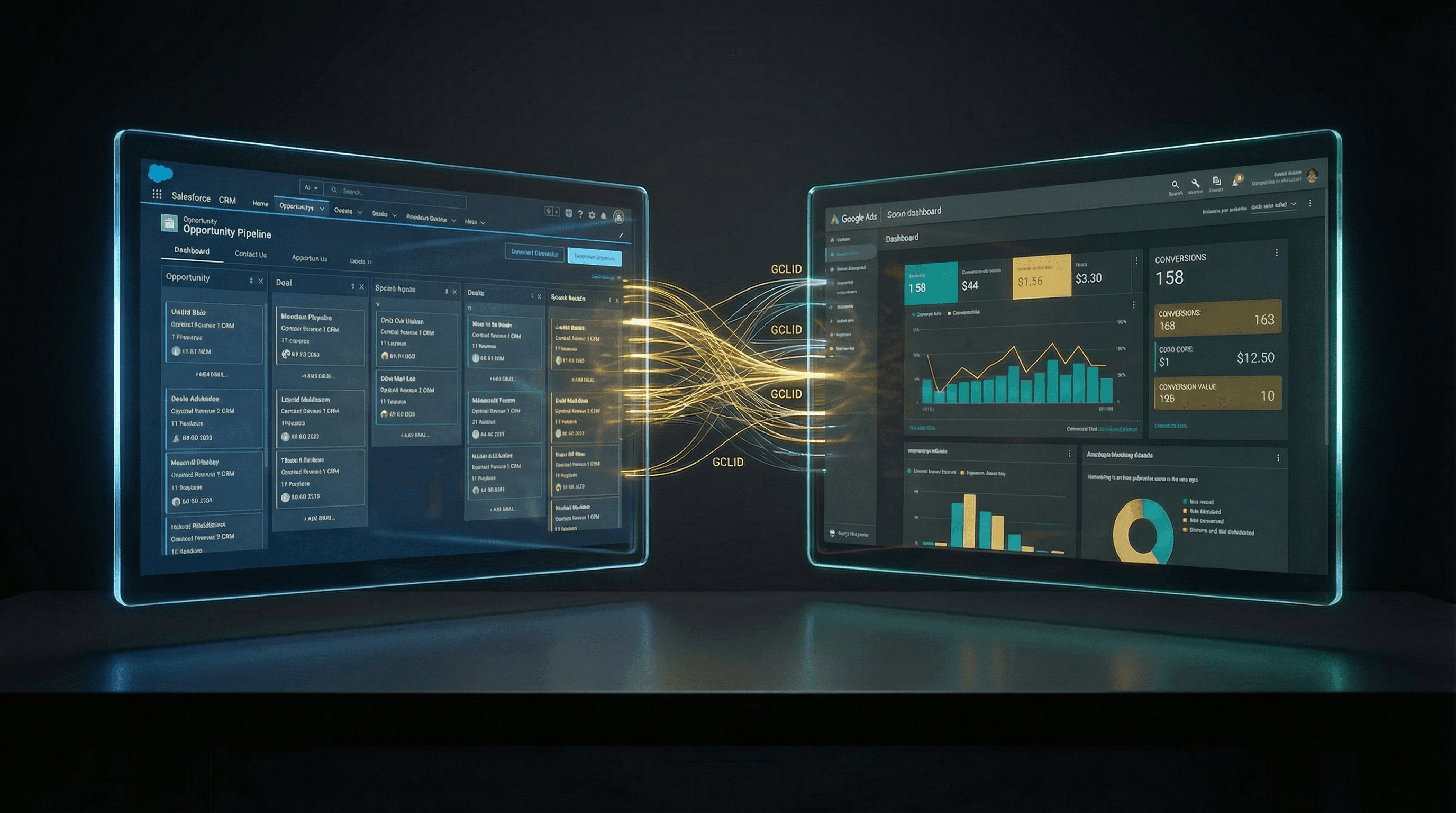
For political campaigns, efficiency is everything. The best AI ad generation tools don't operate in a vacuum. They're designed to connect with the other tools you're already using. This could mean linking up with your CRM, social media schedulers, or your ad accounts on platforms like Meta or Google. This integration helps to smooth out the process from creation to distribution. Imagine generating an ad and having it automatically ready to schedule or launch – that's the kind of workflow these tools aim for. This connectivity is key for streamlining campaign management.
Here's a quick look at what these features can do:
Generate Ad Copy: Write headlines, body text, and calls to action tailored to specific audiences.
Create Visuals: Suggest or generate images and video concepts that align with your message.
Develop Ad Variations: Produce multiple versions of an ad to test different angles and messages.
Provide Performance Insights: Analyze ad performance data to suggest improvements.
The ability to quickly generate and test numerous ad formats and variations simultaneously is key to fine-tuning your campaigns for optimal performance across different ad networks and advertising channels. This rapid experimentation is a significant advantage over traditional methods.
Best Practices for AI Political Ad Creative
So, you've got your AI tools ready to churn out some ad ideas. That's great! But just because a machine can make something doesn't mean it's automatically going to win you votes. There's a bit more to it than just hitting 'generate'. We need to think about how to actually make these AI-generated ads work for us, and more importantly, not backfire.
Synergy Between AI and Human Talent
Look, AI is good at a lot of things, like spitting out variations of text or images really fast. It can handle the grunt work. But it doesn't get people. It doesn't understand the subtle nuances of a local issue or the specific anxieties voters are feeling. That's where your human team comes in. The best results happen when AI and people work together. Think of AI as your super-fast intern who can draft a hundred versions of a slogan, and your campaign manager as the one who picks the best one and tweaks it to sound like a real person talking.
Concept Generation: Use AI to brainstorm initial ideas and angles. It can explore possibilities you might not have considered.
Refinement: Have your human team review and edit AI-generated copy and visuals. They add the emotional intelligence and strategic messaging.
Fact-Checking: AI can sometimes hallucinate or present outdated information. Human oversight is non-negotiable for accuracy.
Prioritizing Brand Consistency
Your campaign has a look, a feel, a message. You can't have AI creating ads that look like they belong to a completely different campaign. It's important to feed the AI your brand guidelines – your logo, your colors, the general tone you want to strike. This way, even if the AI is generating different ad variations, they all feel like they're coming from your campaign. It builds recognition and, hopefully, trust. If every ad looks and sounds different, people might get confused or just tune out.
Maintaining a consistent brand voice and visual identity is key. It helps voters recognize your message quickly and builds a sense of reliability. When AI tools are properly configured with brand assets, they can help scale this consistency across numerous ad formats and platforms.
Continuous Monitoring and Optimization
Don't just set your AI ad generator and forget it. That's a recipe for wasted money. You need to watch how the ads are performing. Are people clicking? Are they watching the videos? Are they donating? Use the data these platforms give you to see which AI-generated ads are actually hitting the mark and which ones are falling flat. Then, you can tell the AI to make more of what's working or tweak the ones that aren't. It's an ongoing process, not a one-and-done deal. You might find that certain messages only work for specific groups of voters, and AI can help you test those hypotheses quickly. For more on campaign strategy, check out this AI prompt library.
Here's a quick look at what to track:
Click-Through Rates (CTR)
Conversion Rates (e.g., sign-ups, donations)
Engagement Metrics (likes, shares, comments)
Video View Duration
Cost Per Acquisition (CPA)
By paying attention to these numbers, you can make smarter decisions about where to spend your ad budget and what kind of creative to push forward.
The Future of AI in Political Campaigning
So, where does all this AI stuff in politics go from here? It's a bit of a wild ride, honestly. We're seeing AI tools get easier to use, and politicians are jumping on board. This means more AI-generated content, and it's not always about tricking people into believing something fake happened. Sometimes, it's just for laughs or to make a point, kind of like a political meme.
Predictive Scoring and Performance Analysis
Imagine knowing, before you even spend a dime, which ad is likely to get the most attention. That's where predictive scoring comes in. AI can look at past campaign data, current trends, and even audience sentiment to guess how well a new ad might perform. This helps campaigns put their money and effort into ads that actually have a shot at connecting with voters. It's like having a crystal ball for your ad spend.
Scaling Creative Production
One of the biggest headaches for any campaign is churning out enough content. AI can help here in a big way. Need a dozen variations of an ad for different platforms or audiences? AI can whip those up way faster than a human team. This means campaigns can test more ideas and reach more people without breaking the bank on creative teams. This ability to scale creative production is a game-changer.
Adapting to Evolving Platform Policies
Platforms are still figuring out how to handle AI-generated content. Right now, it's a bit of a free-for-all, with many AI ads not being properly labeled. But that's likely to change. As AI gets more sophisticated and its use in politics becomes more widespread, platforms will have to create clearer rules. Campaigns will need to stay on top of these changes to avoid running afoul of new regulations. Keeping up with evolving campaign regulations will be key.
The line between real and AI-generated content is blurring. While some AI political videos are clearly fake and used for humor or to stir emotions, others are becoming harder to distinguish from reality. This makes it challenging for voters to discern truth from fiction, especially when emotional responses are heightened.
Here's a quick look at what's changing:
More Realistic Content: AI is getting better at creating videos and images that look incredibly real.
Personalized Messaging: Campaigns can use AI to tailor messages to specific voter groups, making ads feel more personal.
Increased Volume: The ease of AI tools means campaigns can produce a massive amount of content quickly.
Ethical Debates: Ongoing discussions about transparency and authenticity in political advertising will continue.
So, What's the Takeaway?
Alright, so we've looked at how AI is shaking things up in the world of political ads. It's pretty clear that the big social media platforms are still figuring out their rules, and honestly, it's a bit of a mixed bag right now. Some places are more open to AI-generated content than others, and the rules can change pretty fast. For anyone thinking about using AI for political ads, it means you really need to stay on top of what each platform allows. It’s not as simple as just plugging in a prompt and hitting go. You’ve got to be smart about it, understand the guidelines, and maybe even have a human eye on things to make sure you’re not crossing any lines. The tech is moving quickly, and so are the policies around it, so keeping informed is key.
Frequently Asked Questions
What exactly is AI-generated political ad creative?
Think of it like this: AI is a smart computer program that can help create ads. For political ads, AI can help design images, write catchy phrases, or even make short videos. It's like having a super-fast assistant that can come up with lots of different ad ideas based on what you tell it.
Which social media or ad platforms let you use AI-made ads?
Right now, many big platforms like Facebook, Instagram, and Google allow you to run ads created with AI tools. The main thing is that the ad itself follows the platform's rules. The tools that help you make the ads are usually separate from the platforms where you actually show them.
Are there any rules about using AI for political ads?
Yes, there are! Political ads often have special rules, and using AI doesn't change that. You still need to be honest about who is paying for the ad. Plus, some platforms are starting to ask for ads made with AI to be clearly marked so people know they weren't made by a human.
Can AI make political ads that are misleading?
AI can create almost anything you ask it to, so it could potentially be used to make misleading ads. That's why it's super important for the people running the campaigns to be honest and responsible. It's also why platforms are thinking about ways to label AI-generated content.
How can AI help political campaigns create ads faster?
AI is really good at doing things quickly. Instead of a person spending hours drawing a picture or writing text, AI can do it in minutes. This means campaigns can create many different versions of an ad to see which one works best, and they can do it much faster than before.
Is it better to use AI or have people make political ads?
The best approach is usually a mix of both! AI can help with the quick, repetitive parts, like making lots of ad versions or suggesting ideas. But humans are still needed to make sure the message is right, that it sounds genuine, and that it follows all the rules. It's like AI is the tool, and humans are the artists using the tool.