
Carlos Courtney
Political Advertising
TikTok Shop in Politics: Shoppable Ads That Turn Views into Votes
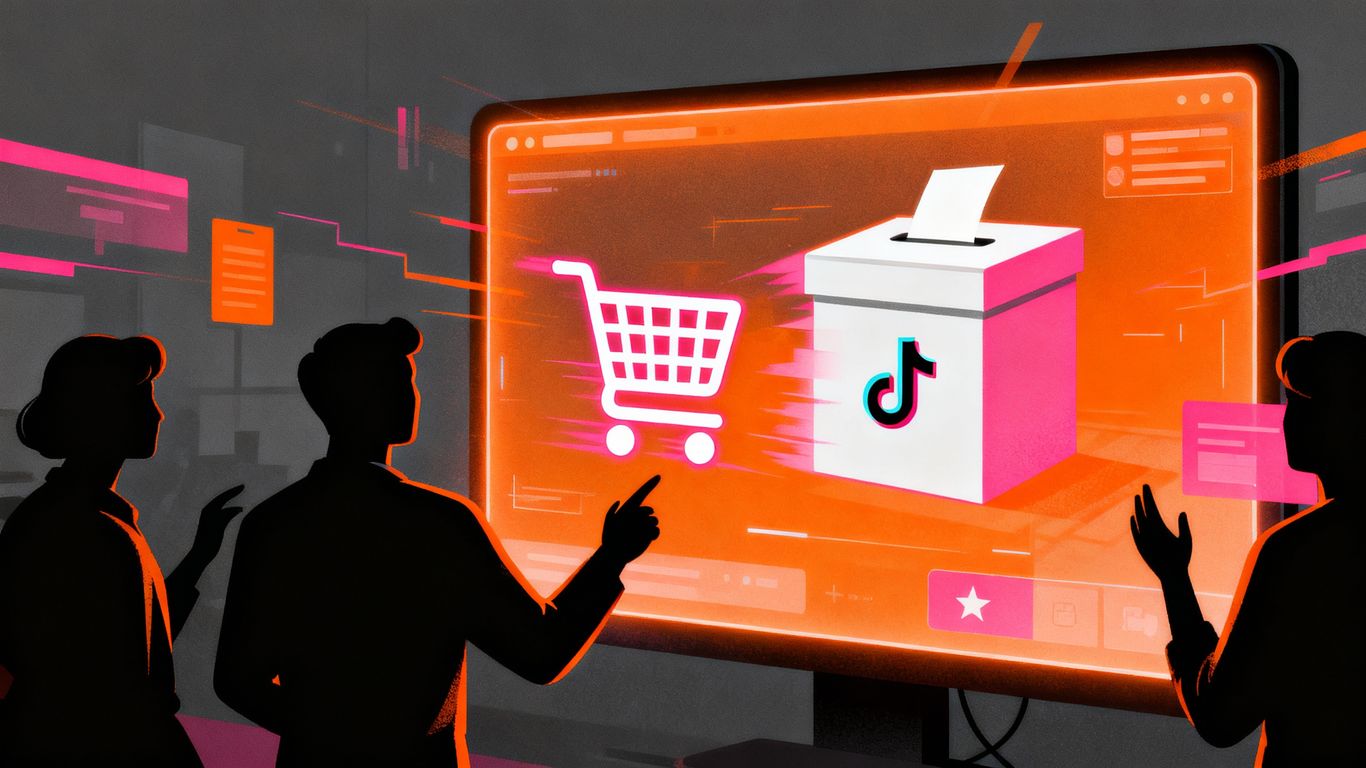
It's pretty wild how much things have changed with how politicians try to reach people. Remember when it was just TV ads and flyers? Now, it's all about being where people actually spend their time, and a lot of that is on apps like TikTok. This whole idea of 'tiktok shop politics' is kind of new, where campaigns might even be thinking about how to sell things or get people to take action right there on the app. It's a whole different ballgame, and campaigns are figuring out if this is the future or just another passing trend.
Key Takeaways
TikTok's influence on voters, especially younger ones, means campaigns are looking at new ways to connect, including using shoppable features.
Politicians face a tricky balance: using TikTok to reach voters while also voting on policies that could ban or restrict the app.
Getting views on TikTok doesn't automatically mean getting votes; turning online buzz into real-world support is a big challenge.
Both Republican and Democratic campaigns are exploring TikTok, but their reasons and strategies can differ based on who they need to reach.
Avoiding TikTok might make a campaign look out of touch, suggesting that being present on the platform is becoming important, regardless of policy debates.
The Evolving Landscape Of TikTok Politics
TikTok's Growing Influence On Voter Engagement
It's pretty clear by now that TikTok isn't just for dance challenges and lip-sync videos anymore. This app has become a major player in how people, especially younger folks, get their news and form opinions about politics. We're seeing politicians and campaigns flocking to the platform, trying to connect with a demographic that might otherwise tune out traditional political messaging. It's a whole new ballgame when it comes to reaching voters, and TikTok is right at the center of it. The sheer number of active users, particularly among Gen Z, makes it an undeniable force. Campaigns that ignore this platform are missing a huge opportunity to get their message out.
Younger demographics are spending more time on TikTok than ever before.
Political content, from candidate messages to issue discussions, is gaining traction.
Traditional media outlets are also using TikTok to share news and reach new audiences.
The shift towards video-first content consumption means platforms like TikTok are becoming primary sources of information for many. This changes how campaigns need to think about communication, moving away from static ads and towards dynamic, engaging video content.
Navigating The Digital Divide In Political Campaigns
There's a noticeable gap between how different campaigns are using digital tools, and TikTok highlights this. While some candidates are all-in, creating content and engaging with users, others are hesitant or simply don't know how to start. This digital divide isn't just about having an account; it's about understanding the platform's culture and how to communicate effectively within it. For campaigns that are already struggling with online outreach, this can be a real hurdle. It's not enough to just be present; you have to be effective. A poorly executed TikTok strategy can do more harm than good, making a candidate seem out of touch. This is where understanding the nuances of online engagement becomes key, especially when considering landing page mistakes that can derail even the best online efforts.
The Appeal Of TikTok For Reaching Younger Demographics
Let's face it, younger voters often feel disconnected from the political process. They're not always tuning into nightly news or reading lengthy policy papers. TikTok offers a way to meet them where they are, in a format they understand and enjoy. Short, engaging videos can break down complex issues or introduce candidates in a more personal way. This direct line to a younger audience is incredibly appealing for campaigns looking to build a future voter base. It's about making politics feel less like a chore and more like a conversation. The platform's algorithm can also help spread messages organically, reaching people who might not actively seek out political content. This organic reach is something campaigns are increasingly trying to replicate, as they look to refresh their brand and connect with new audiences.
Campaign Strategies In The Age Of Shoppable Ads
So, how do campaigns actually use these new tools, especially when it comes to those shoppable ads on platforms like TikTok? It's not just about posting a video and hoping for the best. We're talking about really specific ways to connect with voters, turning those quick scrolls into actual engagement, and maybe even votes. It’s a whole new ballgame compared to just running TV ads.
Leveraging TikTok For Direct Voter Interaction
Campaigns are starting to see TikTok not just as a place to broadcast messages, but as a direct line to voters, especially younger ones. Think about it: instead of waiting for a town hall, a candidate can answer questions in a quick video, or a campaign team can use live streams to talk directly with people. This kind of immediate back-and-forth is something traditional media just can't offer. It makes politicians seem more real, less like distant figures. This direct engagement can build a sense of connection that’s hard to replicate elsewhere. It’s about making voters feel heard and seen, which is a big deal when you're trying to get them to the polls.
The Role Of Influencer Tactics In Political Messaging
Using influencers isn't just for selling products anymore. Campaigns are now working with popular TikTok creators to get their message out. These creators already have a following that trusts them, so when they talk about a candidate or an issue, it carries weight. It’s like getting a personal recommendation from a friend. The key is finding influencers whose audience aligns with the campaign's goals and whose style feels authentic. It’s not about paying someone to read a script; it’s about them genuinely sharing their perspective. This can be a really effective way to reach people who might otherwise tune out political ads. You can find more details on political advertising spending if you're curious.
Measuring The Impact Of Social Media On Election Outcomes
This is where things get tricky. We can see how many people watch a video, how many people click a link, or how many comments an ad gets. But how do we know if that actually leads to someone voting for a candidate? It’s not as simple as tracking sales. Campaigns are trying to figure this out by looking at things like website traffic after an ad runs, sign-ups for email lists, or even just the sentiment in the comments. It’s a constant experiment to see what works. We have to be smart about what we measure. Just because an ad gets a lot of views doesn't mean it's effective. We have to dig deeper and see if those views are translating into real support for the candidate or cause. It's about quality of engagement, not just quantity.
The digital ad landscape is constantly shifting, with platforms like TikTok offering new ways to connect. Campaigns need to be adaptable, understanding that what worked last year might not work today. It's about staying current and being willing to try new approaches to reach voters where they are spending their time.
The Paradox Of Political Presence On TikTok
It's a strange situation, isn't it? Politicians are flocking to TikTok, trying to connect with voters, especially younger ones. They're posting videos, jumping on trends, and generally trying to seem relatable. But then, some of these same politicians are voting to ban the app or force its sale. This creates a bit of a disconnect, a real head-scratcher for people watching.
Candidates' Dissonance On TikTok Policy And Practice
This whole situation highlights a tricky spot politicians find themselves in. On one hand, they see the massive reach TikTok offers, a place where millions of potential voters spend their time. It's a chance to get their message out in a way that feels more authentic than a traditional TV ad. Many campaigns, regardless of party, feel they can't afford to ignore this audience. It's like advertising on cable news even if you don't personally watch MSNBC; sometimes you just have to be where the people are. However, when votes come up in Congress regarding the app's future, the calculus changes. Some lawmakers feel pressured by national security concerns or other political factors, leading them to vote for measures that could restrict or ban TikTok. This creates a public image problem, making them look inconsistent.
Voter Reactions To Politicians' Use Of The Platform
When voters notice this kind of inconsistency, they definitely react. Take the example of North Carolina Rep. Jeff Jackson. He had built a significant following on TikTok, discussing current events. But after he voted for a bill that could lead to a TikTok ban, he lost a huge chunk of his followers. Comments flooded in, questioning his motives and accusing him of being swayed by outside interests. It shows that people are paying attention, and they don't like feeling like they're being played. This kind of backlash can be damaging, especially when a candidate relies on that online engagement. It makes you wonder if the short-term gains from being on the platform are worth the long-term trust issues that can arise.
The political landscape is shifting, and platforms like TikTok are at the center of it. Campaigns are trying to balance the need to reach voters where they are with the complex policy decisions being made in Washington. This often leads to a public perception of hypocrisy, even if politicians argue they are simply following the rules or acting in what they believe is the national interest.
The 'Unilateral Disarmament' Dilemma For Campaigns
This brings us to the idea of "unilateral disarmament." Essentially, no campaign wants to be the first to stop using a platform that's working for them, especially if their opponents are still using it. It's like saying, "I'll stop using this tool if everyone else does, but until then, I need to keep up." This is especially true because many users on TikTok are also active on other platforms like Facebook and YouTube. So, even if a campaign is on TikTok, they're likely still investing in those other channels too. The fear is that if you unilaterally decide to leave TikTok, you're just handing an advantage to your rivals. It's a tough call, but most campaigns feel they have to keep all their options open, using every avenue possible to connect with voters. It’s a strategy of leaving no stone unturned, even if it means navigating some tricky political waters.
TikTok Politics: Bridging The Gap Between Views And Votes
Turning Viral Moments Into Electoral Gains
It's one thing to get a lot of people to watch your video on TikTok. It's another thing entirely to get them to actually vote for you. Campaigns are trying to figure this out. They see how popular the app is, especially with younger folks, and they want to use that attention. But how do you take a funny clip or a quick explanation of a policy and turn it into votes on election day? It’s a puzzle many are still trying to solve. The goal is to make sure that all those views and likes actually mean something when people head to the polls. The real challenge is converting online buzz into tangible electoral support.
The Challenge Of Translating Online Engagement To Offline Support
Getting a lot of likes or shares on a TikTok video is nice, but it doesn't automatically mean more votes. For example, a candidate might post a video that gets millions of views, but if those viewers aren't in the right voting district or don't actually plan to vote, the impact is limited. It's like having a huge crowd at a rally that doesn't actually show up to vote. Campaigns need to think about how to connect with people on the app in a way that makes them want to take action, like registering to vote or showing up on election day. This often means making content that feels real and personal, not just like another political ad.
Here’s a look at how campaigns are trying to make that connection:
Direct Calls to Action: Encouraging viewers to visit a campaign website, sign up for an email list, or even donate.
Community Building: Creating spaces where supporters can interact with each other and the campaign.
Relatable Content: Sharing behind-the-scenes looks or personal stories that make the candidate seem more human.
The digital world moves fast, and what works one day might not work the next. Campaigns have to stay flexible and keep trying new things to see what connects with voters.
Building A Loyal Base Through Social Media Strategies
Building a dedicated group of supporters takes more than just posting popular videos. It’s about creating a consistent presence and giving people a reason to stick around. For local candidates, like Armando Carmona in Jurupa Valley, TikTok can be a way to talk about local issues that people care about. He found that by talking about his own experiences and how he wants to help his community, he could reach young people who might not be paying attention to traditional news. This approach helps build a connection that goes beyond just a single viral moment. It’s about making people feel like they are part of something bigger, a movement they want to support long-term. This is where digital literacy becomes important for voters to understand the messages they are seeing.
Metric | TikTok Views | Website Clicks | Volunteer Sign-ups |
|---|---|---|---|
Campaign Video A | 1,500,000 | 5,000 | 50 |
Campaign Video B | 200,000 | 1,500 | 25 |
Campaign Video C | 50,000 | 200 | 5 |
Partisan Calculus In TikTok Campaigning
Republican Strategies For Reaching Their Base
For Republicans, the calculus on TikTok can look a bit different. While the platform's user base skews younger and often leans more liberal, there's a growing recognition that their own base is present too. Some surveys suggest that a notable portion of MAGA Republicans use TikTok. This means that while traditional platforms like Facebook remain a primary focus for reaching their core supporters, ignoring TikTok entirely might mean missing an opportunity. The strategy often becomes about finding pockets of their audience or using the platform to counter narratives they disagree with. It's about efficiency; if they can reach a segment of their base or even undecided voters without diverting too many resources from established channels, they might consider it. The key is to assess if the return on investment, in terms of engagement and potential voter persuasion, justifies the effort.
Democratic Imperatives For Voter Turnout
Democrats, on the other hand, often face a different imperative: voter turnout. With a need to mobilize a broad coalition of voters, including younger demographics who are heavily represented on TikTok, the platform becomes a more compelling tool. They can't afford to leave any stone unturned when it comes to engaging potential voters. This means actively using TikTok for direct communication, sharing policy positions, and encouraging participation. The challenge lies in translating online enthusiasm into offline action, like registering to vote or showing up at the polls. For Democrats, TikTok isn't just about reaching people; it's about activating them.
The Shifting Demographics Of TikTok Users
It's easy to pigeonhole TikTok as just for Gen Z, but that's not the whole story anymore. While younger users are certainly a dominant force, Millennials and even Gen Xers are increasingly active on the platform. This broadening demographic means that TikTok is becoming a more viable space for campaigns targeting a wider range of age groups. It's not just about reaching the next generation of voters; it's about reaching voters who are already engaged and active online, regardless of their specific age bracket. This shift makes the platform more attractive across the political spectrum, as campaigns realize their message might reach more than just the youngest segment of the electorate. Political interest may significantly influence how digital media use affects traditional political participation [f99a].
The decision to use or not use TikTok often boils down to a pragmatic assessment of where voters are and how best to reach them. While policy debates about the platform's ownership or security might create tension, the immediate need to connect with constituents often takes precedence. Campaigns are unlikely to abandon a tool that proves effective simply because of external political pressures, especially when the alternative is potentially ceding ground to opponents.
The Future Of TikTok In Political Discourse

Anticipating Policy Changes And Their Impact
It's pretty clear that TikTok isn't going anywhere soon, at least not in the immediate future. Even with all the talk about potential bans or forced sales, campaigns are likely to keep using the platform as long as they can. It’s a bit like that old saying about not wanting to "unilaterally disarm" – nobody wants to be the first to stop using a tool that might be working, especially when competitors are still using it. This means we'll probably see candidates continue to show up on TikTok, trying to connect with voters where they are, regardless of the political climate surrounding the app itself. The real question is what happens when policy does catch up. If a ban or significant restriction actually happens, campaigns will have to scramble. But until then, the show goes on.
The Enduring Appeal Of Reaching Voters Where They Are
Look, the bottom line is that TikTok has become a major hangout spot for a huge chunk of the population, especially younger folks. For political campaigns, that's a goldmine. It's not just about getting your message out; it's about being present in the spaces where potential voters spend their time. Trying to reach people on TikTok is like setting up a booth at a festival instead of just handing out flyers on a quiet street corner. You're more likely to get noticed. The platform's ability to turn fleeting views into potential engagement is a powerful draw for any campaign looking to expand its reach. While other platforms like Facebook remain important, TikTok offers a different kind of connection, one that feels more immediate and less formal. It's about meeting people on their turf, and that's a strategy that's hard to ignore.
The Signal Of Being 'Out Of Touch' By Avoiding TikTok
There's a real risk for politicians who decide to sit out TikTok entirely. In today's world, especially with younger voters, not being on platforms like TikTok can send a message that you're out of touch. It suggests you're not really paying attention to where people are communicating and getting their information. Think about it: if a candidate is only using traditional methods or sticking to older social media sites, they might seem like they're living in a different era. This can be a problem when you're trying to convince people that you understand their concerns and are relevant to their lives. It's not just about the votes you might gain directly from TikTok; it's also about the perception you create by simply being present (or absent) on the platform. Campaigns that ignore TikTok might find themselves struggling to connect with a significant portion of the electorate, making it harder to build momentum and ultimately, to win.
The dynamic nature of social media means that political strategies must remain adaptable. What works today might not work tomorrow, and staying ahead requires constant observation and willingness to experiment. Ignoring a platform with significant user engagement, regardless of its controversies, carries its own set of risks for political campaigns aiming for broad appeal.
Here's a look at how different groups might approach the platform:
Incumbent Politicians: Have an opportunity to build an audience over time and use it for re-election campaigns.
New Candidates: May find it challenging to build a significant TikTok following quickly enough to impact an election.
Partisan Differences: While Democrats might see TikTok as crucial for voter turnout, Republicans may find it easier to reach their base through other established channels, though a notable segment of MAGA Republicans are active users.
Campaigns will continue to weigh the benefits of reaching younger demographics against the potential policy risks associated with the platform. The ability to drive user engagement is a key factor, even as the political landscape around TikTok evolves.
TikTok is changing how people talk about politics. It's a fast-paced platform where short videos can spread ideas quickly. This means politicians and regular people alike are using it to share their views and connect with others. It's becoming a major spot for political discussions, influencing what many people think and how they vote.
Want to understand more about how social media shapes our world? Visit our website for deeper insights.
The Takeaway: Politics on TikTok Isn't Going Anywhere Soon
So, what's the deal with politicians using TikTok even when there's talk of banning it? Basically, if there's a chance to reach voters, especially younger ones, they're going to take it. It's like using any other tool in the toolbox, even if you don't love the company that made it. People in politics know that voters are on TikTok, and not being there can make a campaign look out of touch. Sure, there's some awkwardness, like voting for a ban while still posting videos, but that's politics for you. For now, campaigns will keep using TikTok because the potential to connect with people, get donations, and maybe even get a few more votes is just too good to pass up. It's a messy reality, but it's how things are working right now.
Frequently Asked Questions
Why are politicians using TikTok even if some want to ban it?
Many politicians use TikTok because it's a popular place where voters, especially younger ones, spend their time. Even if they vote for rules that might affect TikTok, they often continue using it because they don't want to miss out on reaching potential voters. It's seen as a way to connect with people where they are, similar to advertising on TV channels they might not personally watch.
How do politicians use TikTok to connect with voters?
Politicians use TikTok to share short videos about their campaigns, answer questions, and show a more personal side. They might talk about current events or their plans for the future. The goal is to get people interested and involved, turning views into support for their election.
Can TikTok really help a candidate win an election?
TikTok can help by getting a candidate's message out to a lot of people, especially young voters who might not pay attention to traditional news. While it's hard to say for sure if it guarantees a win, going viral or getting many views can definitely boost a campaign's visibility and attract supporters and donations.
Is it strange for politicians to be on TikTok and also vote on rules about it?
It might seem contradictory, but many politicians see it as a practical choice. They believe it's important to use every tool available to reach voters, even if they have concerns about the platform itself. Some people feel that voters expect politicians to be a bit hypocritical, so it doesn't always hurt their chances.
Do all politicians need to be on TikTok to be successful?
Not necessarily. While TikTok is great for reaching younger voters, established platforms like Facebook and YouTube are still very important for campaigns. Candidates who already have a strong following elsewhere might not see as much benefit in building a new audience on TikTok, especially if they are new to politics.
What happens if TikTok gets banned or sold?
If TikTok were to be banned or its ownership changed, politicians would likely shift their focus back to other platforms they already use. However, as long as TikTok is available and useful for reaching voters, most campaigns will probably keep using it, even if they disagree with some of its policies or its ownership.