Carlos Courtney
Political Ads
The New TikTok Political Advertising Rules: What Changed After the 2024 Election Cycle
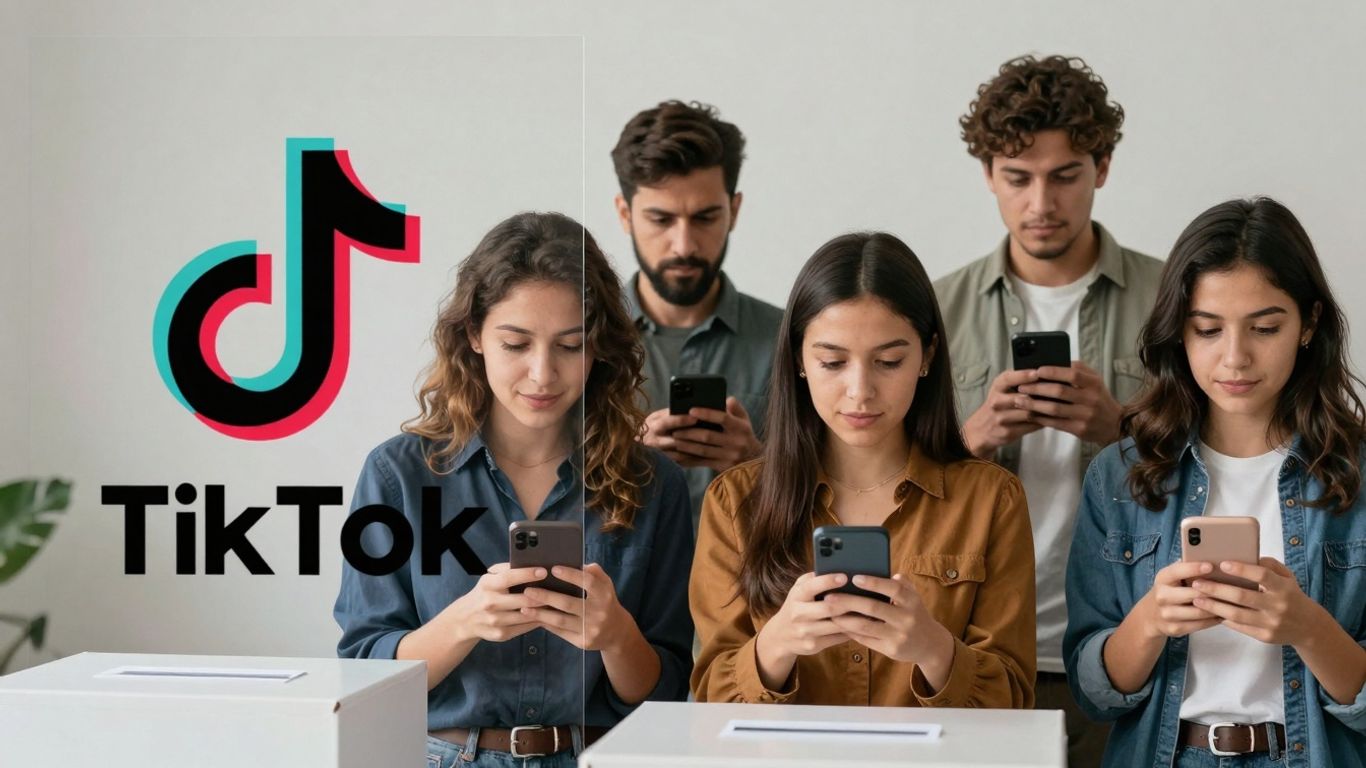
So, the 2024 election cycle is over, and things on TikTok are... well, different. Remember how everyone was talking about whether TikTok would even be allowed in the US, let alone be a place for political ads? It's been a wild ride. The platform has been trying to figure out its place in politics, especially with all the national security chatter. Now that the dust has settled a bit, let's look at what's changed, what hasn't, and what it all means for how campaigns reach voters online.
Key Takeaways
TikTok's stance on political advertising has been a moving target, with the platform officially banning paid political ads. However, there are questions about how strictly this ban is enforced and if 'paid partnership' posts or sponsored content are being used as workarounds.
The ownership situation of TikTok in the US has created uncertainty and potential shifts in its policies. There's speculation that a new ownership structure could lead to the introduction of political advertising, mirroring changes seen on other platforms like X.
Transparency in political advertising is a growing concern. Unlike other major platforms, TikTok's ad library for US users is limited, raising questions about how effectively political ad spending and verification can be tracked.
TikTok remains a powerful tool for reaching younger voters, and candidates are increasingly using the platform, not just for direct political messaging but also for organic content that can go viral, sometimes through less conventional means like trending sounds.
National security concerns, particularly around data privacy and potential foreign influence operations linked to TikTok's ownership, continue to shape regulatory scrutiny and legal battles, impacting the platform's future role in political discourse.
Evolving Landscape Of TikTok Political Advertising
The Shifting Stance On TikTok Political Ads
It feels like just yesterday that TikTok was this app for dancing teens and funny skits. But as we've seen over the past few election cycles, especially after 2024, it's become a serious player in how political messages get out there. For a while, TikTok had a pretty firm ban on political ads, probably trying to avoid all the headaches that come with it, especially with all the national security chatter. It seemed like a smart move, given the company's ownership and the regulatory climate. But now, with potential ownership changes and the sheer amount of money campaigns are spending elsewhere – think billions on Google and Meta – the temptation to open the floodgates on TikTok is huge.
Impact Of Ownership Changes On Advertising Policies
The big question mark hanging over TikTok's political advertising future is its ownership. With the US operations potentially being sold off, the new owners will have a lot of freedom to set the rules. Many folks are watching closely to see if the algorithm gets tweaked, especially for American users, and if there's any political leaning introduced. For campaigns, the idea of being able to run targeted ads on TikTok, reaching a younger and super engaged audience without relying on the unpredictable nature of going viral, is incredibly appealing. It's a whole new revenue stream, not just for TikTok, but for campaign consultants too. It simplifies things, moving away from trying to find the right influencers and instead just paying for ad space.
Campaigns' Desire For Direct Advertising Channels
Let's be real, campaigns want to talk directly to voters, and TikTok offers a massive, often younger, audience that's hard to ignore. While some politicians have found success with more organic, even playful content – think lip-syncing to popular songs – it's a gamble. Not every policy-focused video hits the mark, and relying on luck to go viral isn't a solid strategy. The ability to run paid ads would give campaigns a more predictable way to get their message out, bypassing the need to chase virality. This direct channel is something many campaigns and their strategists are eager for, especially as they look for every possible way to connect with voters in an increasingly crowded digital space.
Navigating TikTok's Advertising Policies Post-2024
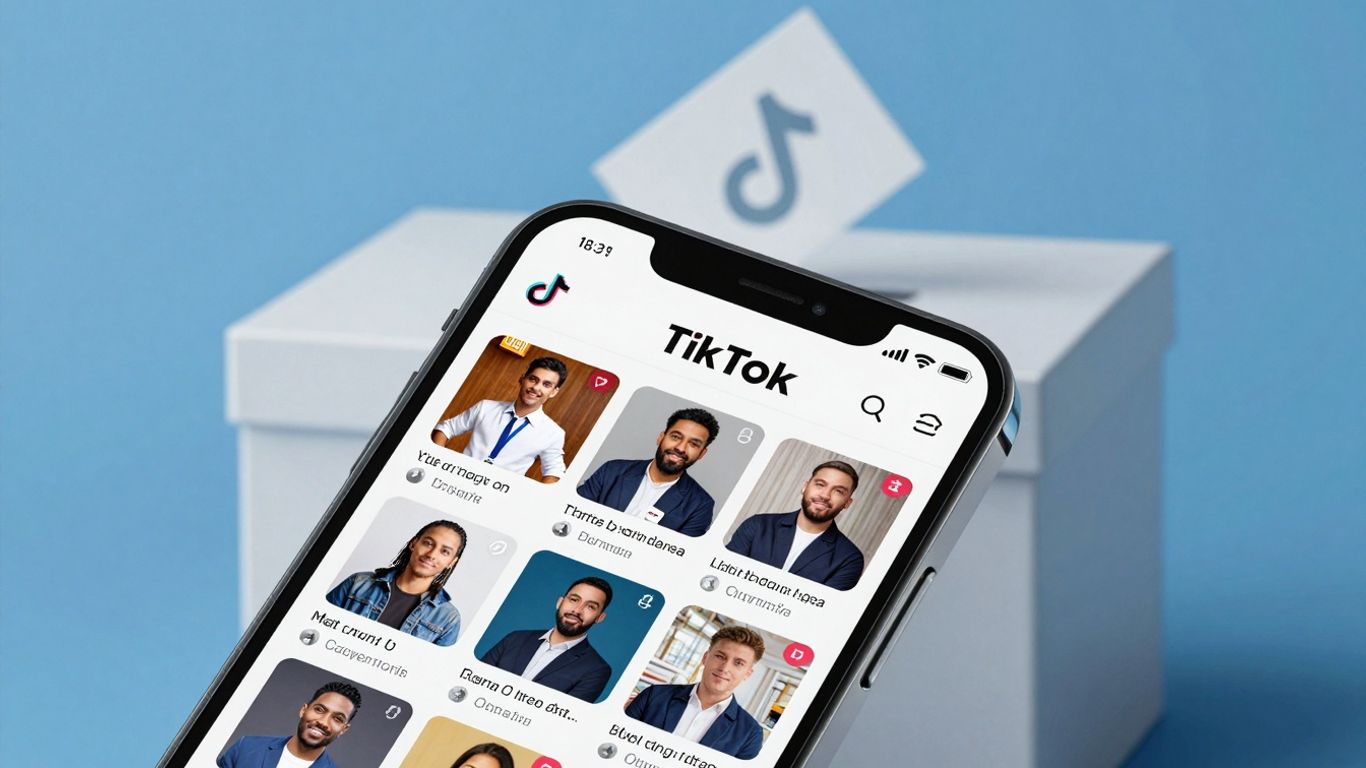
So, what's the deal with political ads on TikTok now that the 2024 election dust has settled? It's a bit of a mixed bag, honestly. For a while there, TikTok had a pretty firm ban on political advertising. They said it was too much trouble, especially with all the talk about national security and data privacy. But now, with the ownership situation changing and campaigns constantly looking for new ways to reach voters, things are starting to shift.
Understanding The Current Ban On Political Ads
Right now, the official word is that political ads are still off the table. This means you won't see your typical campaign commercials running as paid promotions on your feed. It's a policy that was put in place to avoid some of the headaches that come with political messaging, like potential foreign influence or the complexities of regulating campaign finance on the platform. This ban has been a significant hurdle for campaigns wanting to directly target users with paid content. It's a stark contrast to platforms like Google and Meta, where political parties are investing unprecedented sums in social media advertising [6ac8].
Workarounds And Unforeseen Advertising Methods
Even with the ban, people are finding ways around it. Some researchers have managed to run ads that technically go against the policy, and there have been reports of political messages appearing with "Paid Partnership" labels or #ad tags. It's not exactly a straightforward advertising channel, but it shows that the demand is there. Campaigns are also getting creative, posting political content that might not be a direct ad but still serves a similar purpose. It's a bit of a gray area, and it makes you wonder how long the official ban can really hold.
The Role Of 'Paid Partnership' And Sponsored Content
When you see a "Paid Partnership" label on TikTok, it usually means a creator has been paid to promote something. This is where things get interesting for political messaging. While direct political ads are banned, sponsored content from influencers or creators discussing political topics, or even subtly promoting a candidate, can slip through. It's a way for messages to get out there without technically being a "political ad." This method is becoming more common as campaigns look for authentic ways to connect with audiences, especially younger demographics who are highly active on the platform. It's a delicate balance, though, as the line between genuine content and paid promotion can become blurred.
The lack of a dedicated ad library for the US, unlike the EU's system, makes tracking these sponsored political messages even harder. This asymmetry in transparency compared to other platforms is a growing concern for those who want to understand who is paying for political influence online.
Transparency And Verification In TikTok Political Campaigns
The Importance Of Advertiser Verification
When it comes to political campaigns on TikTok, knowing who's actually behind the message is a big deal. It's not just about seeing a blue checkmark; it's about trust. The platform has made some moves to verify official accounts, like those belonging to politicians and government bodies. This is supposed to help users know they're getting information from the real deal, not some random account trying to spread misinformation. However, the effectiveness and reach of these verification efforts are still up for debate. It's a step, sure, but is it enough to really make a difference in a sea of content?
Challenges With TikTok's Ad Library For US Users
So, TikTok says it's all about transparency, right? They have this thing called an Ad Library, which is supposed to let people see what ads are running on the platform. It's a good idea in theory. But for folks in the US, it's been a bit of a mixed bag. While they've put out technical specs for how these libraries could work, actually using TikTok's specific library to track political ads, especially those that might be skirting the rules, can be tough. It's not always easy to find what you're looking for, and sometimes, ads that look an awful lot like political messages pop up with a "Paid Partnership" tag, making them harder to categorize and track.
Comparing TikTok's Transparency To Other Platforms
When you look at how TikTok handles transparency for political content compared to, say, Facebook or Google, there are some noticeable differences. Other platforms have had their ad libraries and transparency tools for longer, and they're often more robust, at least for US users. TikTok's approach feels a bit newer, and while they're making efforts, there's still a gap. For instance, the verification process for candidate accounts hasn't always been speedy, and sometimes, official campaign websites link to unverified TikTok accounts. It makes you wonder how consistent the transparency really is across the board.
Here's a quick look at some general points:
Verification Status: Official government, politician, and political party accounts are required to be verified. However, a small percentage of these accounts actually have the "verified" checkmark.
Ad Library Access: While a general ad library exists, its depth and ease of use for tracking specific political messaging can be limited for US users.
Labeling of Sponsored Content: Posts with "Paid Partnership" labels or #ad tags are visible, but distinguishing them from subtle political messaging can be challenging.
The platform's reliance on user-generated content means that even with verification efforts, the sheer volume of posts makes comprehensive oversight a constant challenge. Identifying subtle political influence campaigns requires more than just checking for a blue badge; it demands sophisticated analysis of content and engagement patterns.
The Influence Of TikTok On Voter Engagement
Reaching Younger Demographics Through TikTok
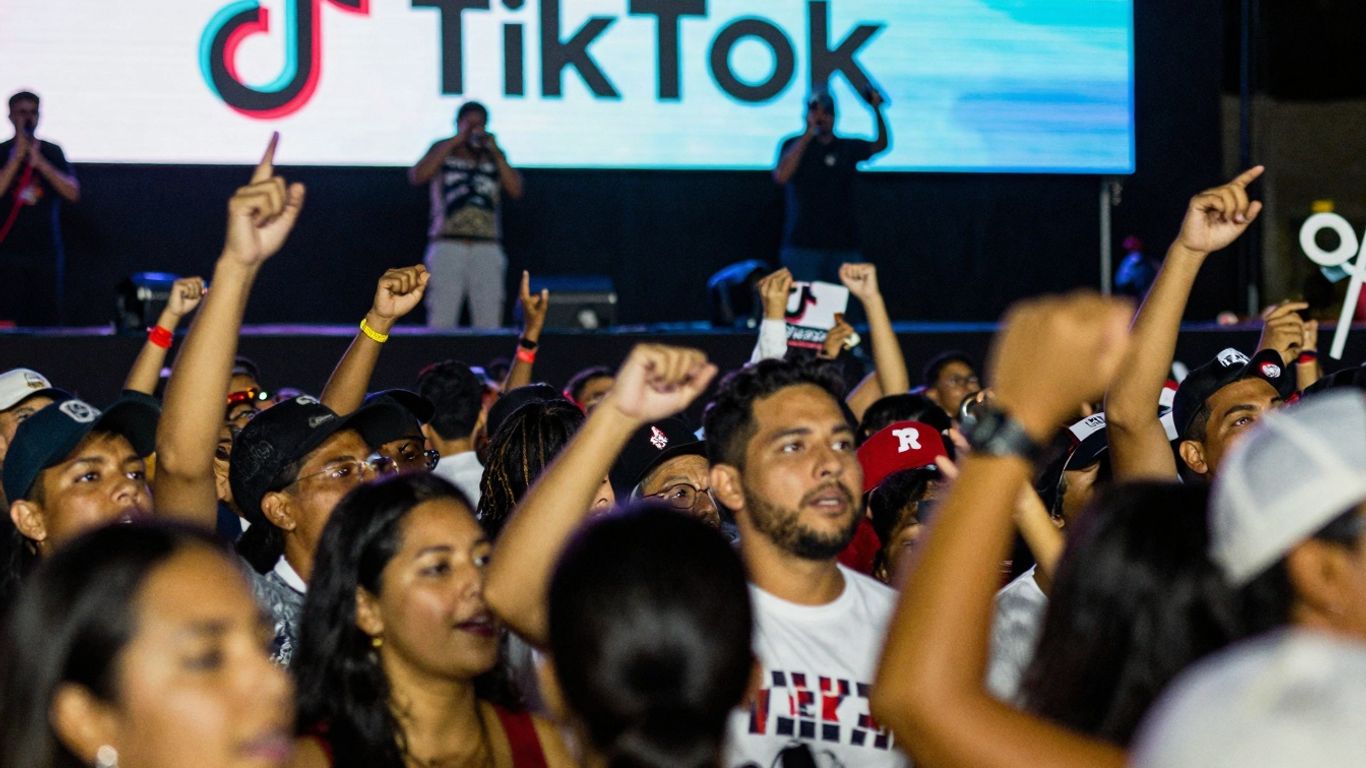
TikTok has become a major player in how campaigns connect with younger voters. It’s not just about getting the message out; it’s about meeting people where they are. For many Gen Z and younger millennials, TikTok is a primary source of information, including news about politics. This shift means candidates can't just rely on traditional methods. They have to adapt their strategies to fit the platform's style. This is especially true for reaching demographics that might not tune into cable news or read daily newspapers. The app's short-form video format is perfect for quick, digestible content, making complex political ideas more accessible. It's a different ballgame than a 30-minute town hall, that's for sure.
The Virality Of Political Content On The Platform
What makes political content go viral on TikTok? It's a mix of things, but often, it's not the most serious policy discussions that take off. Research from the 2024 election cycle showed that while policy-focused videos exist, they don't always get the same traction as more lighthearted or even controversial content. For instance, a politician lip-syncing to a popular song might get hundreds of thousands of views, far more than a clip of a congressional hearing. This suggests that to achieve widespread reach, candidates often need to tap into the platform's native culture of trends and humor. It's a balancing act between seriousness and entertainment.
Here's a look at what tends to get attention:
Content that aligns with current trends and sounds.
Videos that are emotionally engaging, whether through humor or strong opinions.
Posts that simplify complex issues into easily understandable snippets.
Content that sparks conversation and debate in the comments section.
The algorithmic nature of TikTok means that content which generates high engagement, even if it's divisive, can be amplified. This can lead to the rapid spread of certain narratives, shaping how users perceive political issues and candidates.
Candidate Strategies For Organic Reach
Given the platform's dynamics, candidates are experimenting with various ways to gain organic reach. This often involves:
Authenticity: Presenting a more genuine, less polished version of themselves.
Trend Participation: Joining popular challenges or using trending audio to make political points.
Behind-the-Scenes Content: Showing glimpses of campaign life or personal moments.
Direct Engagement: Responding to comments and questions directly within the app.
While the platform officially bans political advertising, the lines can blur. We've seen instances where content is labeled as a "Paid Partnership" or uses #ad tags, indicating sponsored political messages. This highlights the ongoing challenge of distinguishing between organic content and paid promotion, even without direct political ads. Understanding these nuances is key for voters trying to evaluate online information and for campaigns looking to make an impact.
National Security Concerns And Regulatory Scrutiny
Look, the whole TikTok situation has been a bit of a headache for a while now, and after the 2024 election cycle, it's clear those worries aren't going away. It's not just about ads anymore; it's about who's really pulling the strings and what information is getting out there. The U.S. government has been pretty vocal about its concerns, especially with TikTok's ties to China.
Addressing Data Privacy And Influence Operations
One of the biggest red flags has been around data privacy. There have been accusations and even admissions that the company, ByteDance, has accessed data on American citizens, including journalists. This isn't just a theoretical problem; it's about real people and potential surveillance. Plus, there's the ongoing worry about China using the platform to influence public opinion or spread propaganda, especially around election times. It's a tricky balance between free speech and protecting the integrity of our democratic processes.
The Impact Of Divestiture Legislation
Congress actually passed a law, HR 7521, that basically says TikTok has to sell its U.S. operations or face a ban. This was a pretty big move, showing just how serious lawmakers are about these national security risks. It's a direct response to the perceived threat of foreign influence and data control. The idea is that if a U.S. company owns TikTok's American operations, the data would be safer and the platform less susceptible to foreign government pressure.
Ongoing Legal Battles And Their Implications
Of course, this hasn't been a smooth process. TikTok and ByteDance have pushed back, leading to a bunch of legal challenges. These court cases are really important because they'll shape how these regulations are applied and what TikTok's future looks like in the U.S. The outcome could set precedents for other foreign-owned tech companies and how they operate here, especially when it comes to sensitive political content and user data. It's a complex legal maze, and everyone's watching to see how it plays out.
Key Concerns:
Data privacy and potential surveillance.
Foreign influence operations and propaganda.
Lack of transparency in content moderation.
The platform's susceptibility to foreign government directives.
The constant back-and-forth between government action and legal challenges highlights the difficulty in regulating a platform with such a massive user base and complex ownership structure. Finding a solution that protects national security without stifling free expression remains a significant hurdle.
Future Trends In TikTok Political Advertising
So, what's next for political campaigns on TikTok? It's a bit of a wild west out there, and things are definitely shifting. After the 2024 election cycle, we're likely to see some big changes, especially if the platform opens up more for political ads. Campaigns are always looking for new ways to reach voters, and TikTok, with its massive user base, is a huge draw.
Potential For Increased Ad Spending On TikTok
If TikTok eventually lifts its ban on political ads – and there's a lot of talk about that happening, especially with the ownership changes – expect campaigns to pour money into the platform. Think about how much was spent on other sites like Google and Meta in past election cycles. TikTok could easily grab a significant chunk of that. It's a whole new channel to get messages out, and consultants will be eager to get their piece of the pie.
Campaigns want direct access to voters.
New revenue streams for the platform and its owners.
Potential for higher overall political ad spending.
The Role Of Influencers In Political Messaging
Even with a ban, we've seen political messages pop up on TikTok, often through "Paid Partnership" labels or #ad tags. This suggests that even without official ad channels, campaigns are finding ways to work with creators. As things evolve, expect to see more structured collaborations. Influencers, especially those who connect with younger voters, could become even more important.
The line between organic content and paid political messaging is already blurry on TikTok. As the platform potentially opens up to more direct advertising, this line could become even harder to discern for the average user.
Anticipating New Advertising Features And Regulations
It's not just about whether ads are allowed; it's also about how they'll be shown and regulated. We might see TikTok develop its own ad library, similar to what other platforms have, to track political spending. But there's also the question of transparency. Will it be as open as other sites? And what about verification for political accounts? These are big questions that will likely shape how campaigns use the platform moving forward. It's a balancing act between reaching people and making sure everything is above board.
Feature/Regulation | Current Status (Post-2024) | Potential Future Development |
|---|---|---|
Political Ad Ban | Largely in effect | Likely to be lifted |
Advertiser Verification | Limited | Increased requirements |
Ad Library (US) | Non-existent | Possible development |
Transparency Requirements | Minimal | Subject to new regulations |
Wrapping It Up: What's Next for TikTok and Politics?
So, after all that, what's the big takeaway? It seems like TikTok is still a bit of a wild west when it comes to political stuff, even with the new rules. Candidates are definitely using it more, trying to connect with younger voters, but it's not always about serious policy talk. Sometimes, a funny lip-sync video gets way more attention than a speech. The whole political ad ban is still a murky area, with questions about whether it's really being enforced and how it might change. Plus, with all the talk about who owns TikTok and potential changes, the future feels pretty uncertain. One thing's for sure, though: politicians aren't going to stop trying to reach people on TikTok, and we'll all be watching to see how it plays out in future elections.
Frequently Asked Questions
Did TikTok allow political ads after the 2024 election?
No, TikTok still has a ban on political ads. This means that campaigns and groups can't pay TikTok directly to run ads that promote a political candidate or message. However, some people have found ways to get political messages onto the platform, sometimes by using 'Paid Partnership' labels or sponsored content.
Why did TikTok ban political ads in the first place?
TikTok banned political ads because they thought it was too much trouble. Concerns about national security, especially because the company is owned by a Chinese company, and worries about user data played a big role. They also wanted to avoid issues with rules in other countries.
How are campaigns using TikTok if they can't run ads?
Even without ads, candidates are using TikTok to connect with voters, especially younger ones. They post videos, sometimes funny ones like lip-syncing, to get attention. They also try to get their messages out through organic reach, meaning their content becomes popular naturally without being paid for.
What about transparency for political content on TikTok?
Transparency is a big issue. TikTok has an ad library for Europe, but not for the US. This makes it hard to see who is paying for political messages on the platform in the US. Other big platforms like Meta and Google have better systems for showing who pays for political ads.
Are there still national security concerns about TikTok?
Yes, national security concerns remain. There have been worries about data privacy and potential influence from China. Laws have been passed that could force TikTok to sell its US operations, and there are ongoing legal fights about this.
What might happen with political advertising on TikTok in the future?
It's possible that TikTok could allow political ads in the future, especially if its ownership changes. This could lead to more money being spent on the platform for political campaigns. Influencers might also play a bigger role in spreading political messages.