Carlos Courtney
Political Ads
The Brutal Truth About Political TikTok Ads in 2026 (It’s Not What Most Consultants Are Saying)
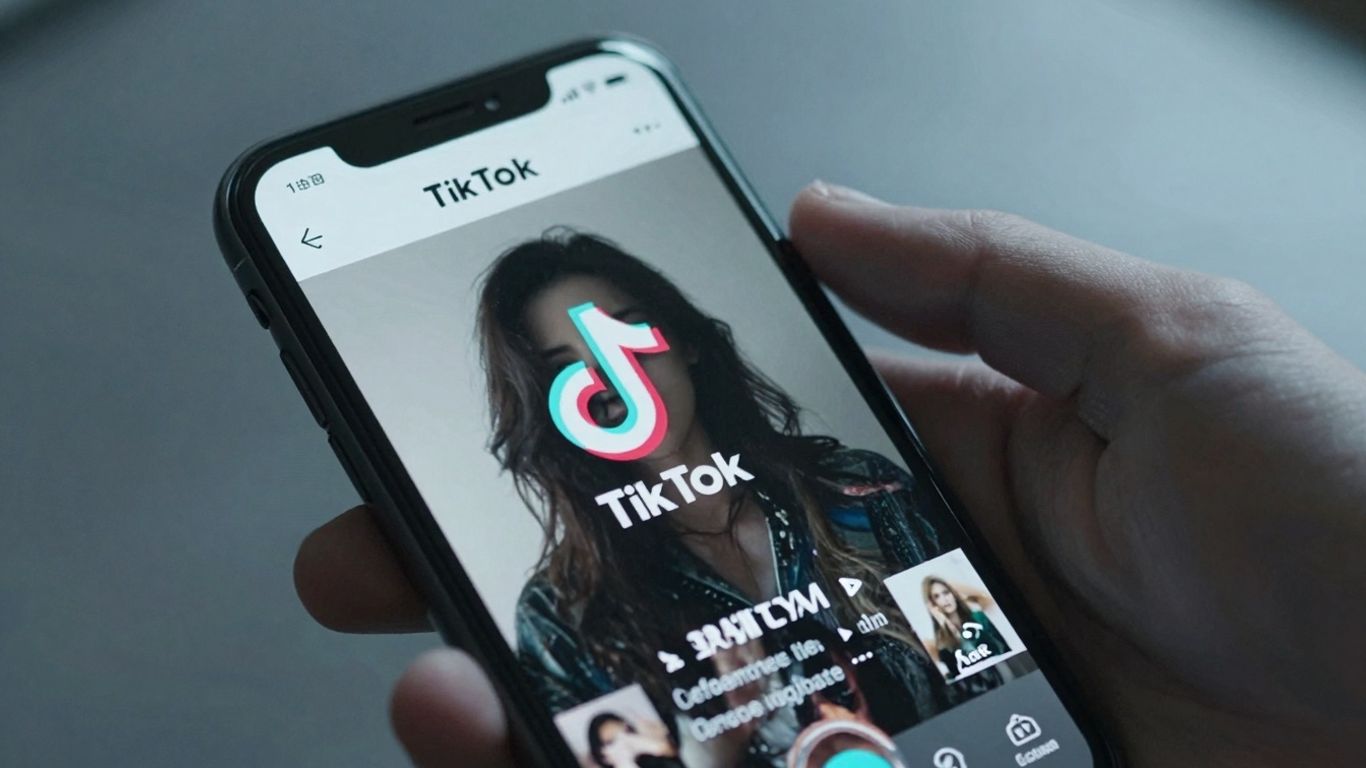
So, we're talking about political ads on TikTok in 2026. Everyone’s got an opinion, especially the consultants, but are they seeing the whole picture? It feels like there’s a lot more going on than just quick videos and trending sounds. We need to look past the surface stuff and figure out what’s really happening with these ads, how they’re made, and what they actually do to us. It’s not as simple as it looks, and frankly, most people aren’t talking about the real issues.
Key Takeaways
The political ad game on TikTok is changing fast. Consultants might be missing the bigger picture, focusing too much on surface trends instead of deeper impacts.
AI is becoming a huge part of political ads, but it’s a tricky tool. It can help campaigns but also make fake content and spread bad info more easily.
Influencers on TikTok are powerful, but their real impact and trust are being questioned, especially with AI making it harder to tell what’s real and what’s manufactured.
Relying too much on data from social media for political campaigns can be misleading. What looks good on a dashboard might not actually be working.
We need to be more aware of how technology and politics mix. People should look closely at where information comes from and watch out for warning signs in political messages online.
The Shifting Landscape of Political TikTok Ads Truth
Most folks in political consulting are still talking about TikTok like it's just another place to run a 30-second spot. They're focused on reach, impressions, and maybe some basic demographic targeting. But that's missing the forest for the trees. The real story with political ads on TikTok in 2026 isn't about where you're advertising, but how the platform itself shapes the message and the audience's perception.
Beyond the Hype: What Consultants Miss About TikTok
Consultants often treat TikTok as a simple extension of existing digital ad strategies. They're looking for the next big channel to blast out their carefully crafted messages. What they're not fully grasping is that TikTok isn't just a channel; it's an ecosystem. The algorithm is king here, and it doesn't care about your focus group data as much as it cares about engagement. This means content that feels authentic, even if it's a bit rough around the edges, often performs better than slick, overly produced ads. The pressure to constantly create short, attention-grabbing videos means campaigns are often forced to simplify complex issues to the point of being misleading. The platform rewards virality over substance.
The Real Cost of Attention Harvesting on Social Platforms
We're all aware that platforms like TikTok are designed to keep us scrolling. They're built on an attention economy, and political campaigns are now just another commodity being harvested. This constant demand for engagement means campaigns are spending more on content creation and promotion, not just to reach voters, but to fight the algorithm itself. It's a cycle that can quickly become expensive, and the return on investment isn't always clear. The focus shifts from persuading voters to simply capturing their fleeting attention.
Navigating Algorithmic Noise in Political Campaigns
Trying to get your message heard on TikTok is like shouting into a hurricane. The algorithm is constantly changing, and what worked yesterday might be ignored today. This makes long-term planning incredibly difficult. Campaigns are often chasing trends rather than setting a clear narrative. It's a chaotic environment where genuine messages can get lost, and misinformation can spread like wildfire because it's more engaging.
Here's a look at how campaign spending might be shifting:
Platform | Estimated Spend (2025) | % Change from 2024 |
|---|---|---|
TikTok | $150M | +40% |
$200M | +15% | |
$180M | +5% | |
YouTube | $220M | +20% |
The relentless pursuit of engagement means that the most sensational or emotionally charged content, regardless of its accuracy, is often amplified. This creates a challenging environment for nuanced political discourse.
AI's Double-Edged Sword in Political Advertising
Artificial intelligence is shaking things up in political advertising, and it's not all good news. On one hand, AI can be a real game-changer, helping campaigns do more with less. Think of it as a super-powered assistant. It can churn out ad copy variations faster than any human team, help target specific voter groups with uncanny accuracy, and even analyze campaign performance in real-time. This means campaigns can potentially reach the right people with the right message at the right time, making their limited budgets go further. This efficiency boost is what many consultants are hyping.
AI as a Skill Multiplier vs. an Attention Amplifier
AI tools can definitely make existing campaign staff more productive. A junior staffer armed with AI can suddenly perform tasks that used to require a seasoned professional. This is the 'skill multiplier' effect. However, there's another side to this. AI is also incredibly good at grabbing and holding attention. It can create content that's designed to be addictive, to keep people scrolling, and to provoke strong emotional reactions. In politics, this can easily tip over into simply amplifying noise and outrage, rather than fostering genuine understanding or productive debate. It's like giving a megaphone to everyone, but not necessarily to those with the most thoughtful things to say.
The Rise of Simulated Content and Disinformation
This is where things get really tricky. AI can now generate incredibly realistic text, images, and even video. This means creating fake news, deepfake videos of politicians saying things they never said, or generating endless streams of propaganda that look and sound authentic. It becomes harder and harder for the average person to tell what's real and what's not. Campaigns might use AI to flood the zone with misleading information, making it impossible for voters to get a clear picture of the issues or candidates.
Ethical Considerations in AI-Driven Political Messaging
So, what are the rules of the road here? It's a bit of a Wild West. We're seeing AI used to personalize messages to an extreme degree, sometimes playing on people's deepest fears or biases. There's also the question of transparency: should AI-generated political content be clearly labeled? And who is responsible when AI is used to spread harmful disinformation? These are big questions with no easy answers.
Transparency: Clearly labeling AI-generated content.
Accountability: Establishing who is responsible for AI-driven misinformation.
Bias Mitigation: Ensuring AI tools don't perpetuate or amplify societal biases.
Voter Education: Helping the public understand and identify AI-manipulated content.
The speed at which AI can generate and distribute content means that by the time a piece of disinformation is debunked, it may have already reached millions of people, shaping opinions and influencing behavior before the truth can catch up. This creates a significant challenge for maintaining an informed electorate.
The Creator Economy and Political Influence
Influencer Marketing: Metrics, Trust, and AI's Impact
The creator economy, once a niche corner of the internet, has ballooned into a massive force. For political campaigns in 2026, this means a new frontier for reaching voters, but it's not as simple as just throwing money at popular TikTokers. The real challenge lies in understanding what actually works. We're seeing a shift away from just raw follower counts. Campaigns are starting to look at engagement rates, audience demographics, and, most importantly, trust. Does the audience actually believe what the creator is saying, or are they just there for the entertainment?
AI is starting to muddy these waters. Tools can now generate realistic-looking content, and even mimic the style of popular creators. This raises serious questions about authenticity. If an AI can create a video that looks and sounds like a trusted influencer endorsing a candidate, how do voters know what's real? This isn't just about fake news; it's about the erosion of genuine connection.
Here's a look at how campaigns are trying to measure influencer impact:
Metric Category | Key Metrics | What It Tells Us |
|---|---|---|
Reach | Follower Count, Impressions | How many people could see the content |
Engagement | Likes, Comments, Shares, Saves | How many people interacted with the content |
Conversion | Website Clicks, Sign-ups, Donations | How many people took a desired action |
Sentiment | Comment Analysis, Brand Mentions | How people feel about the content/creator |
Manufacturing Culture vs. Organic Populism
Political campaigns often try to manufacture a certain image or culture around their candidate, and influencers can be a tool for this. They can help create a narrative, a vibe, that resonates with specific demographics. But there's a big difference between this manufactured approach and genuine, organic populism. Organic movements arise from real sentiment on the ground, often bubbling up from everyday people. Trying to force a culture through paid partnerships can feel inauthentic and backfire spectacularly.
Think about it: if a candidate suddenly starts appearing in a dozen different influencer videos, all saying similar things in a slightly too-polished way, people notice. It starts to feel less like genuine support and more like a coordinated marketing push. This can alienate voters who are looking for real connection, not just another ad.
The line between a carefully curated online persona and a genuine political movement is getting thinner. Campaigns that try too hard to engineer this connection risk appearing fake, while movements that genuinely capture public sentiment can gain unstoppable momentum. The key is authenticity, something that's increasingly hard to fake in the digital age.
The Blurring Lines Between Content Creators and Political Leaders
We're seeing a fascinating trend where the skills and platforms used by content creators are starting to overlap with those of political leaders. Figures like Elon Musk, for example, command massive attention not just for their business ventures but for their direct communication style on social media. They're bypassing traditional media gatekeepers and speaking directly to their audience, much like a popular YouTuber or TikToker would.
This fusion means that political figures need to be adept at creating engaging content, understanding platform algorithms, and building a personal brand. Conversely, some creators are becoming de facto political commentators or influencers, shaping public opinion without holding elected office. This blurring of lines presents both opportunities and challenges for political discourse in 2026. It can democratize communication, but it also opens the door for personality cults and a focus on style over substance.
Data-Driven Strategies and Their Pitfalls
The Allure of Data in Out-of-Home Political Advertising
Look, everyone loves data. It feels solid, right? Like you've got a handle on things. Political campaigns are no different. They're drowning in numbers, trying to figure out who's listening, who's watching, and who's actually going to vote. This is especially true when you start thinking about things like billboards or digital screens in public places. You can track impressions, maybe even get some basic demographic info if the location is right. It’s easy to get caught up in the idea that if you have enough data points, you'll magically know exactly what to do. But here's the kicker: data can be a really convincing liar.
Why Dashboards Can Lead Marketers Astray
So, you've got your fancy dashboard. It's got charts and graphs, showing you all sorts of things. Maybe it tells you how many people saw your ad, or how many clicked a link (if it's a digital out-of-home ad). It might even show you engagement rates. Sounds great, but what does it really mean? A lot of times, these dashboards are showing you metrics that look good on paper but don't actually tell you if your message is landing or if people are changing their minds. It's like looking at your car's speedometer and seeing you're going 60 mph, but you're completely oblivious to the cliff edge just ahead.
Here are some common dashboard traps:
Vanity Metrics: Numbers that look impressive but don't correlate with actual campaign success (e.g., raw follower counts, generic impressions).
Ignoring Context: Data without understanding the 'why' behind it. A spike in engagement might be due to a controversy, not effective messaging.
Lagging Indicators: Metrics that only show what already happened, not what's likely to happen next.
Misleading Correlations: Assuming that because two things happen together, one caused the other.
Social Media as a Vanity Metric in Politics
This is where things get really tricky. Social media platforms are designed to keep you scrolling, and campaigns often focus on metrics like likes, shares, and follower growth. Sure, it's nice to have a million followers, but does that translate into votes? Not necessarily. You can have a huge online following that's completely disengaged or even hostile to your actual political goals. It's easy to mistake online buzz for real-world support. The real challenge is connecting online activity to offline action, like voting.
We've all seen it: a candidate with a massive online following that doesn't show up at the polls. Or a campaign that generates tons of social media chatter but fails to win over key demographics. The data might look good, but the outcome tells a different story. It's a classic case of optimizing for the wrong thing, getting blinded by numbers that don't reflect the actual goal.
The Future of Political Discourse Online
The Entanglement of Technology and Politics
It feels like technology and politics are just tangled up together now, right? It’s hard to imagine one without the other. We’ve seen how platforms like TikTok can shape opinions, and honestly, it’s not always for the best. The lines between genuine conversation and carefully crafted messages are getting blurrier by the day. It’s like trying to find a clear signal in a storm of noise. We used to think of the internet as this open space for ideas, but now it often feels more like a series of walled gardens, each with its own set of rules and its own version of reality. This makes it tough for people to get a balanced view of what’s really going on.
Combating Disinformation in a Fractured Society
Dealing with fake news and outright lies is a huge challenge. It’s not just about spotting a fake headline anymore. We’re seeing AI create incredibly convincing fake videos and audio, making it harder than ever to tell what’s real. Think about it: someone could create a video of a politician saying something they never actually said, and it could spread like wildfire before anyone can even check it. This really messes with public trust. It’s like a constant game of whack-a-mole, where new tricks pop up faster than we can shut them down.
Here’s a look at how disinformation can spread:
Initial Spark: A piece of false information is created, often using AI for realism.
Amplification: Social media algorithms, bots, or paid accounts rapidly share the content.
Echo Chambers: Users within like-minded groups share and reinforce the false narrative.
Erosion of Trust: Repeated exposure to disinformation makes people doubt legitimate sources.
The speed at which false narratives can gain traction is alarming. When people are constantly bombarded with conflicting or outright untrue information, it becomes incredibly difficult to form informed opinions. This isn't just about politics; it affects our understanding of everything from public health to social issues.
Developing Public Awareness of Red Flags in Communication
So, what can we actually do? We need to get better at spotting the warning signs. It’s about teaching people to be more critical consumers of information. This means looking beyond the catchy headlines and understanding how algorithms work to keep us hooked. We need to question sources, check for evidence, and be wary of content that seems designed to provoke a strong emotional reaction, whether it’s anger or extreme excitement. Building media literacy isn't just a nice-to-have; it's becoming a necessity for a functioning democracy. It’s about equipping ourselves with the tools to see through the manipulation and engage with information more thoughtfully. It’s a tough fight, but it’s one we have to keep having.
So, What's the Real Takeaway?
Look, the consultants telling you TikTok ads are the golden ticket in 2026? They're probably not looking at the whole picture. We've seen how quickly things change, how ads are just a symptom of bigger issues like money flooding in and tech getting less fun. It’s not just about making short videos; it’s about understanding that the digital world, especially politics, is getting messy. People are tired of fake stuff and just want real connection. So, instead of chasing the latest shiny object, maybe it’s time to think about what actually works, what’s honest, and what doesn’t feel like a manufactured trend. Because if you’re not careful, you’ll end up spending a lot of money on ads that just don’t land, and frankly, nobody has time for that.
Frequently Asked Questions
What's the big deal about political ads on TikTok in 2026?
Political ads on TikTok are changing a lot. It's not just about getting lots of views anymore. The real challenge is cutting through all the noise and making sure people actually pay attention to the message, not just scroll past it. Consultants often miss this point, focusing too much on just getting clicks.
How is AI changing political ads?
AI is a powerful tool that can help campaigns reach more people and make ads that grab attention. But it can also be used to create fake content or spread misinformation, making it hard to tell what's real. It's like a double-edged sword.
What's the role of influencers in political campaigns?
Influencers on platforms like TikTok can have a big impact on what people think. But it's tricky. We need to know if their followers really trust them and if AI is making their content seem more real than it is. Sometimes it feels like these influencers are trying to create culture instead of just sharing their own thoughts.
Why are data strategies sometimes misleading in politics?
While data can seem helpful, relying too much on numbers from social media can be misleading. It's easy to get caught up in how many likes or shares you get, which might not actually mean people are paying attention or agreeing with you. It can become a 'vanity metric'.
What does 'algorithmic noise' mean for political ads?
Think of 'algorithmic noise' as all the stuff that makes it hard for your message to be seen. Social media platforms use complex systems (algorithms) to decide what people see. Political ads can get lost in this noise, making it tough for campaigns to reach voters directly without a lot of effort and smart strategy.
How can people spot fake or misleading political messages online?
It's super important to be aware of red flags. Always ask yourself: who made this message? Is it current? Does it seem too good or too bad to be true? Developing this awareness helps you avoid being fooled by fake news or tricky political tactics.