
Carlos Courtney
Political Ads
Snapchat for Political Campaigns: Is It Worth Testing in 2026?
Thinking about political campaigns in 2026? You've probably heard about all the usual platforms, but what about Snapchat? It's easy to dismiss it as just for younger folks, but things are changing. This article looks at whether Snapchat political ads are actually worth your time and money for the next election cycle. We'll break down what Snapchat offers, how its advertising works, and if it makes sense for your campaign strategy.
Key Takeaways
Snapchat is becoming more important for reaching younger voters, especially in key states, and its advertising tools are improving.
The platform offers unique features like geo-targeted lenses and ephemeral content that can be useful during specific campaign moments like GOTV efforts.
With changes like the potential TikTok ban and the phasing out of third-party cookies, Snapchat could see increased ad market share.
Snapchat is working on its direct response capabilities and brand safety, making it a more serious contender for campaign ad dollars.
While still not a primary platform for all campaigns, Snapchat's advertising landscape is evolving, and it might be time to reconsider its role in a 2026 digital strategy.
Understanding Snapchat's Evolving Role in Political Discourse
It feels like just yesterday that platforms like Facebook were the go-to for political campaigns trying to reach people. But things change fast, right? Now, we're seeing a real shift, and Snapchat is definitely part of that conversation, especially when we talk about connecting with younger voters. It's not just for sending silly snaps anymore; it's becoming a place where political ideas get shared and discussed, even if it's in a more fleeting way.
Snapchat's Appeal to Younger Demographics
Let's face it, older generations might not get it, but for a huge chunk of Gen Z and younger millennials, Snapchat is where it's at. Think about it: 90% of 13-to-24-year-olds in the U.S. are on the app. That's a massive audience that campaigns often miss if they're only focused on Facebook or Instagram. This demographic is more politically aware than previous generations were at the same age, with a significant percentage already identifying as politically active. They're not living with their heads in the sand; they're online, and they're paying attention.
The Platform's Features for Political Engagement
Snapchat offers some pretty unique tools that can be used for political purposes. You've got your ephemeral content – messages and stories that disappear after a while. This can create a sense of urgency or exclusivity. Then there are the augmented reality (AR) lenses. Imagine a candidate's face on a fun filter or a lens that lets users virtually place a campaign sign in their yard. It’s interactive and shareable in a way that traditional ads just aren't. Plus, the platform has even rolled out features to help users learn about running for office, showing a commitment to civic engagement.
Snapchat's Potential for Candidate Outreach
When campaigns think about reaching out, they usually think about direct messages or emails. But Snapchat opens up a different avenue. It allows candidates to show a more casual, behind-the-scenes side of themselves. Think quick video updates from the campaign trail or Q&A sessions that feel more personal. This informal approach can make candidates seem more relatable and approachable to a younger audience. It's a way to bypass the polished, often sterile, messaging that can turn off younger voters and connect on a more human level. It’s a space where social media is evolving with AI and creator-led experiences, and campaigns need to be aware of that.
Evaluating Snapchat's Advertising Capabilities for Campaigns
So, how does Snapchat actually stack up when it comes to running ads for a political campaign? It's not just about reaching younger folks anymore; the platform has been quietly beefing up its ad tools. They're really pushing their direct response business, which is a big deal if you're trying to get people to take a specific action, like signing up for an email list or donating.
Direct Response and Pixel Optimization
Snapchat's Pixel Purchase optimization, especially the 7-0 version, is designed to help campaigns see real results. Think of it like this: the better the pixel tracks what people do after seeing your ad, the smarter the system gets at showing that ad to more people who are likely to do the same thing. This is key for campaigns that need to show a clear return on ad spend, not just impressions. It’s about turning views into actual supporters or donors.
Sponsored Augmented Reality Filters
This is where Snapchat gets fun and interactive. Imagine a filter that lets users virtually try on a candidate's campaign hat or place a virtual yard sign in their own neighborhood. These sponsored AR filters can be a really creative way to get people talking and sharing. They can be geo-targeted too, meaning you can have specific filters available only in certain cities or states, which is pretty neat for localized campaign efforts. It’s a way to make your campaign feel more present and engaging.
Brand Safety Solutions for Advertisers
Brand safety is a big concern, especially in politics. Nobody wants their campaign ads showing up next to questionable content. Snapchat has been working with third-party companies, like Integral Ad Science (IAS), to give advertisers more confidence that their ads are being placed in appropriate environments. This partnership means they're not just grading their own homework; there's an independent check to make sure things are on the up and up. This is a significant step for campaigns that are wary of negative associations.
Strategic Advantages of Snapchat Political Ads
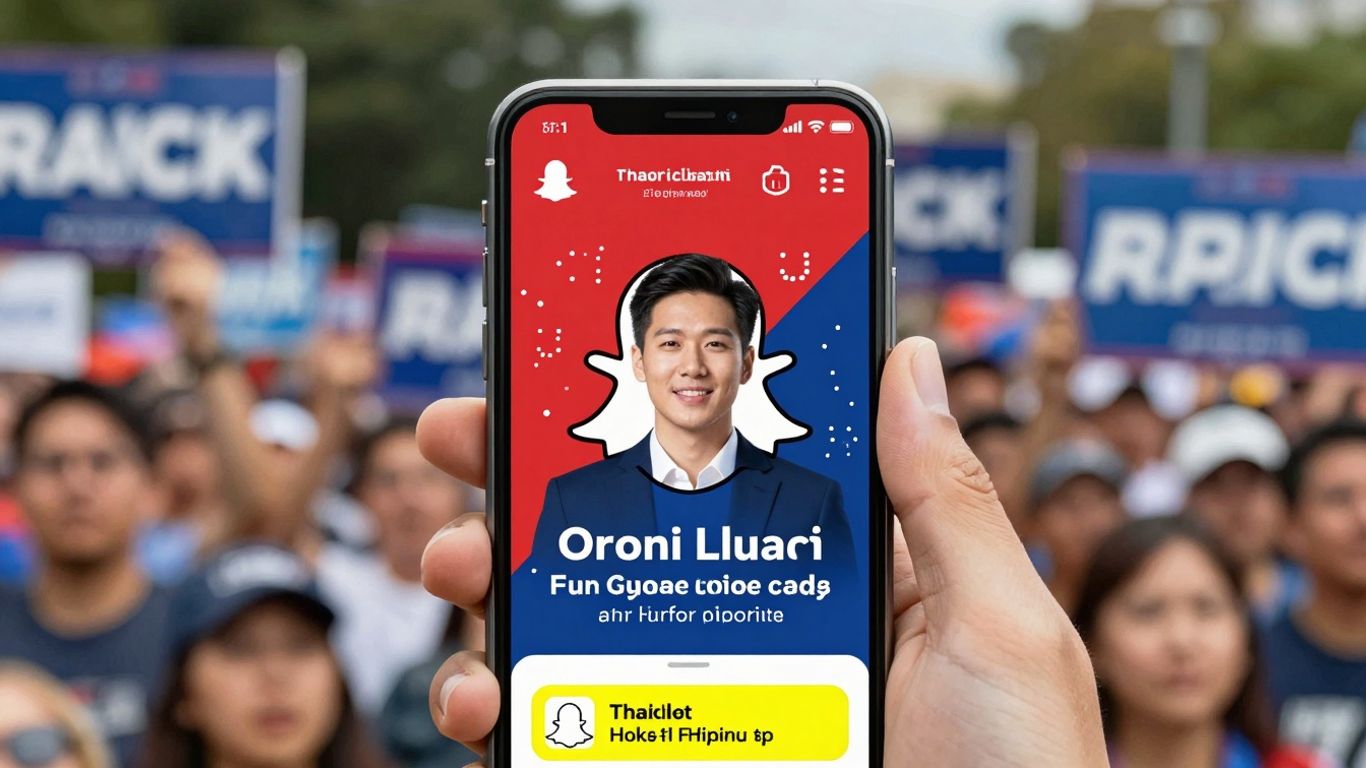
When thinking about where to put your campaign's ad money, Snapchat offers some pretty interesting upsides, especially if you're trying to connect with younger voters. It's not just about reaching a new audience, though; the platform's tools can be used in some really smart ways.
Reaching Younger Voters in Key States
Let's face it, a lot of younger people are on Snapchat. If your campaign needs to win over voters under 30 in swing states, this is a place where they actually spend their time. Traditional media might not be cutting through to this group, but Snapchat ads can.
Targeting specific age groups within a certain geographic area.
Focusing on states with a high concentration of young, undecided voters.
Using creative that feels native to the platform, not like a typical political ad.
Geo-Targeted Lenses and Ephemeral Content
Snapchat's unique features, like Lenses (those fun filters that change your face or surroundings) and the fact that content disappears after a while, can be used strategically. Imagine a custom Lens that pops up only when someone is near a polling place on election day, or a short video message from a candidate that disappears after 24 hours, creating a sense of urgency.
This ephemeral nature can actually be a good thing for political campaigns. It encourages immediate action and can make content feel more personal and less permanent, which might appeal to users who are tired of the constant online noise.
GOTV and Debate Season Opportunities
Snapchat can be a great tool for Get Out The Vote (GOTV) efforts. You can send out reminders about registration deadlines or polling hours right before an election. During debate season, quick, engaging clips of a candidate's best moments can be shared widely. It’s about being timely and relevant.
Here’s a quick look at how you might use it:
GOTV Push: Run ads reminding people to vote in the final week before the election.
Debate Reaction: Share short, impactful video clips from a debate within hours of it ending.
Event Promotion: Announce rallies or town halls happening in specific locations.
Snapchat's Competitive Positioning in the Digital Ad Market
So, where does Snapchat fit into the big picture of online advertising these days? It's a question a lot of campaigns are asking, especially with so many options out there. Snapchat is really trying to make a stronger case for itself as a go-to ad platform, not just a place for teens to share silly filters. They've been making some big moves to get advertisers to pay attention, and frankly, some of these changes are pretty interesting.
Impact of TikTok Ban and Cookie Deprecation
Let's be real, the digital ad world is always shifting. The whole situation with TikTok has definitely shaken things up, and the slow fade of third-party cookies is another massive change on the horizon. For platforms like Snapchat, this creates both challenges and opportunities. With one major competitor facing uncertainty and a fundamental way we track users online about to change, other platforms get a chance to step up. It's like when a big player leaves a game; suddenly, other teams see a path to victory.
Snapchat's Growing Market Share Potential
Because of these shifts, Snapchat could actually see its slice of the advertising pie get bigger. They've been working hard on their ad tools, making them more useful for direct response advertising. Think about it: if other channels become less predictable or accessible, advertisers will look for stable, effective alternatives. Snapchat's focus on things like its 7-0 Pixel Purchase optimization and new AR features are all part of this push to capture more ad dollars. They're aiming to be a more serious contender.
Incentives and Discounts for Advertisers
Snapchat hasn't been shy about offering deals. Over the past year, they've reportedly rolled out some pretty substantial discounts and incentives. This isn't just about giving away freebies; it's a strategic move to get advertisers to try out their improved ad products and see the results for themselves. They've even revamped their Agency Partner Program to bring in more agencies, offering support, beta access, and coupons. It's a clear signal that they want to expand their advertiser base across the board.
Here's a quick look at what they're offering:
Improved Ad Platform: Better tools for tracking and optimization.
New Features: Like sponsored AR filters that can be quite engaging.
Incentives: Discounts and special offers to encourage testing.
Partnerships: Working with companies like Integral Ad Science for brand safety.
The platform is actively working to prove its worth, especially in areas like direct response and brand safety, which are top concerns for advertisers right now. They're trying to move beyond being seen as just a fun app and become a reliable advertising channel.
Navigating Snapchat's Advertising Landscape in 2026
So, let's talk about actually using Snapchat for political ads in 2026. It's not just about throwing money at the platform anymore; things have gotten a lot more sophisticated. Snap has been putting in some serious work behind the scenes, trying to make its ad tools more appealing, especially for campaigns that need to see real results.
Performance Improvements and Agency Reconsideration
Campaigns that might have written off Snapchat a year or two ago are starting to look again. Why? Because the platform's ad performance has actually gotten better. We're hearing from agencies that they're seeing different results now compared to, say, 18 months ago. It's not just about the discounts Snap might be offering (though those are definitely a thing right now, with some pretty substantial comps to try out new features). It's about the actual numbers. They've been tweaking their pixel purchase optimization and conversion tracking, which means campaigns can get a clearer picture of what's working and what's not. This has led some agencies to reconsider Snapchat, moving from a 'maybe we'll try it' to a 'let's actually budget for this' mindset.
The Rise of Short-Form Video Features
Remember how everyone started talking about TikTok? Well, Snapchat has been quietly building out its own short-form video features. For political campaigns, this is huge. Think about it: quick, engaging video clips that can grab attention fast. These features are becoming a big selling point, especially as short-form video continues to dominate how people consume content online. It's a natural fit for campaign messaging that needs to be punchy and memorable.
Transitioning from Experimental Spend to Budgets
Right now, a lot of campaign spending on Snapchat might still be in the 'experimental' bucket. You know, trying things out, seeing what sticks. But with the improvements in ad tools and the growing understanding of how to get results, the goal for 2026 is to move that spend from experimental to a solid part of the overall digital budget. It's about proving the value and then scaling up.
Here's a quick look at how campaigns might shift their thinking:
From Experimentation: Testing basic ad formats, low budgets, focusing on reach.
To Strategic Allocation: Integrating Snapchat into broader digital plans, using advanced targeting, optimizing for conversions.
Measuring ROI: Moving beyond vanity metrics to track actual voter engagement and potential impact.
The platform is actively trying to position itself as a place for direct response, not just a place where younger people hang out. They've partnered with companies like Integral Ad Science to beef up brand safety, which is a big deal for campaigns worried about where their ads might show up. This focus on safety and measurable results is key to getting campaigns to commit real budgets.
Snapchat's ad business has been growing, and with changes in the wider digital ad world (like the potential TikTok ban and the phasing out of third-party cookies), platforms like Snapchat could see their market share increase. It's a good time for campaigns to figure out how to best use these evolving tools before everyone else catches on.
The Future of Snapchat in Political Campaign Strategies
Addressing Advertiser Value Perception
Look, campaigns are always trying to figure out where to put their money, right? And for a while, Snapchat felt like that quirky cousin at the family reunion – you know they're there, but you're not quite sure what they bring to the table. But things are changing. Snap has been putting in the work, beefing up its ad tools, especially for direct response. They're not just relying on those fun filters anymore; they're talking about pixel optimization and making sure ads actually lead to actions, like sign-ups or donations. It’s about showing campaigns that their ad spend on Snapchat can actually get results, not just eyeballs. They've even brought in outside help, like Integral Ad Science, to make sure ads are running in safe spaces, which is a big deal given how heated politics can get.
Snapchat as a Direct Response Channel
This is where Snapchat could really shine in 2026. Forget just building brand awareness; campaigns want to see a return on their investment, and fast. Snapchat's focus on direct response means they're pushing features that help campaigns track exactly what their ads are doing. Think about it: you can run an ad for a specific event in a key district, and because of their targeting and tracking, you can see how many people actually clicked through to RSVP. It’s moving beyond just likes and shares to actual voter engagement. This is especially important for down-ballot races or campaigns with smaller budgets that can't afford to waste a single dollar.
Adapting to Shifting Social Media Trends
Let's be real, the social media landscape is always shifting. What's hot today might be yesterday's news tomorrow. With platforms like TikTok facing potential bans and the whole digital ad world figuring out life without third-party cookies, Snapchat has a real shot at grabbing more ad dollars. They're leaning into short-form video, which is what everyone's watching anyway. Plus, their unique features, like geo-targeted lenses that can pop up during local events or debate nights, offer a creative way to reach specific groups. Campaigns that are willing to experiment and adapt their strategies to these evolving trends will likely find Snapchat to be a surprisingly effective tool in their arsenal for 2026.
Here's a quick look at how Snapchat stacks up for different campaign goals:
GOTV Efforts: Geo-targeted lenses can remind people to vote in specific neighborhoods on Election Day.
Fundraising: Direct response ads can be optimized to drive donations with clear calls to action.
Candidate Introduction: Ephemeral content can offer a more casual, behind-the-scenes look at a candidate, building relatability.
Issue Advocacy: Short, engaging videos can explain complex policy points to a younger audience.
The biggest hurdle for Snapchat in political advertising isn't necessarily its capabilities, but perception. Campaigns have historically defaulted to platforms they know and trust, often overlooking Snapchat's potential for genuine engagement and measurable results. Shifting this perception requires consistent demonstration of value and a willingness from campaigns to move beyond their comfort zones.
So, Should Campaigns Give Snapchat a Shot in 2026?
Looking at everything, it seems like Snapchat could be a worthwhile test for political campaigns in 2026, especially if they're trying to connect with younger voters. It's not a one-size-fits-all situation, and you can't just slap your usual ads on there and expect magic. You've got to think about what works on Snapchat – like those quick, geo-targeted filters or ephemeral content, especially when people are really fired up to vote. While it might not be the main stage for every campaign, ignoring it completely could mean missing out on a key group. The platform is trying to get better for advertisers, and if campaigns are smart about how they use it, it might just pay off. It’s definitely something to consider, not just a maybe.
Frequently Asked Questions
Why should political campaigns think about using Snapchat in 2026?
Snapchat is a great way to reach younger voters, especially those under 30, who might not be as active on other platforms. It offers unique ways to connect with them through fun filters and short, disappearing messages that can make politics feel more approachable.
What makes Snapchat's advertising different from other social media?
Snapchat has cool features like augmented reality (AR) filters that can be used for ads, making them interactive and memorable. Plus, the messages disappear, which can create a sense of urgency and encourage people to act quickly.
Can Snapchat ads help campaigns get people to take action, like voting?
Yes! Snapchat is getting better at helping campaigns track if their ads lead to real results, like website visits or sign-ups. This means campaigns can see if their spending is actually working to get people involved, especially during important times like getting out the vote (GOTV) efforts.
Is Snapchat a good alternative to platforms like TikTok?
With concerns about TikTok's future and changes in how ads work on other sites, Snapchat is becoming a more attractive option. It's a strong platform for reaching young people, and its features are improving, potentially giving it a bigger slice of the advertising market.
Are there special deals for campaigns to advertise on Snapchat?
Snapchat has been offering discounts and incentives to get advertisers to try out its platform. While these deals can help, the platform's improved ad tools and performance are also making it a more serious choice for campaign spending.
How can campaigns use Snapchat effectively in 2026?
Campaigns should use Snapchat to tell stories in a fresh, engaging way, especially targeting younger voters in key areas. Using location-based filters and short videos can make messages pop, and it's especially useful for encouraging people to vote during election season.