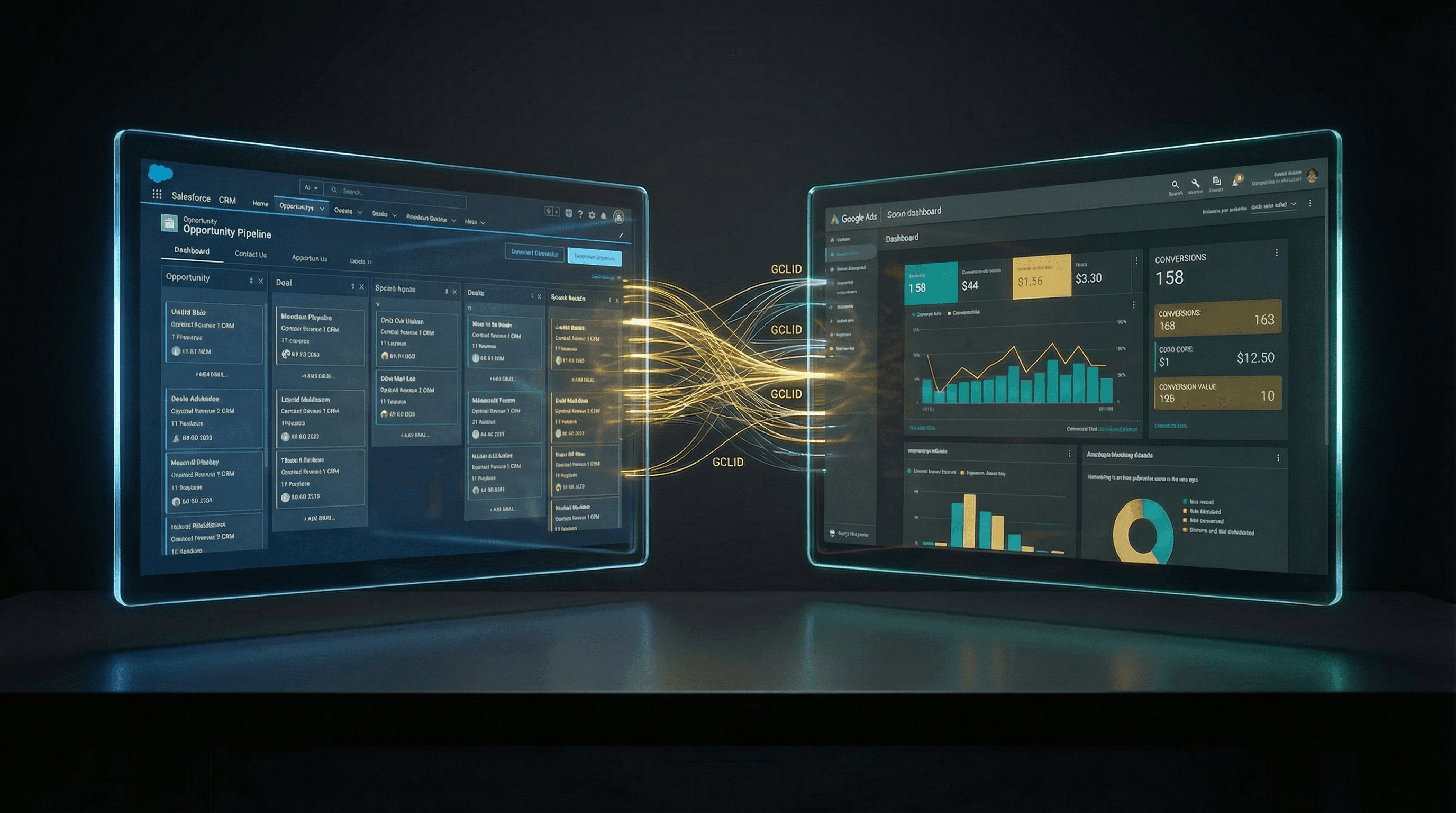
Carlos Courtney
Sales Funnel
Sales Funnel Optimization: Guiding Prospects to Purchase

Trying to get people to buy what you're selling can feel like a puzzle. You know you have a good product, but how do you make sure the right people find it and actually decide to purchase? That's where sales funnel optimization comes in. It's all about making the path from someone first hearing about you to becoming a happy customer as smooth as possible. We'll look at how to make each step better, use tools to help, and keep improving things over time.
Key Takeaways
Sales funnel optimization means making each step of a customer's journey, from learning about your brand to buying, more effective.
Improving each stage of the funnel helps grab attention, build interest, and guide people toward making a purchase.
Using technology like interactive demos and automated messages can personalize the buyer's experience and help move them along.
Constantly testing different approaches and looking at data helps find and fix problems in the funnel, making it work better.
Keeping customers happy after they buy and encouraging them to return or recommend you is a key part of long-term success and growth.
Understanding the Core of Sales Funnel Optimization
Defining the Sales Funnel Journey
Think of a sales funnel like a path. Lots of people might start at the wide top, maybe by seeing an ad or reading a blog post. As they move down, some people decide it's not for them and leave. Others get more interested, maybe by downloading a guide or watching a video. The goal is to guide as many of those interested people as possible to the narrow bottom, where they actually make a purchase. It's not just about selling; it's about understanding what someone needs to know and feel before they decide to buy from you. This journey has different points, and knowing what's happening at each point helps you make the path smoother.
The Art and Science of Optimization
Optimizing a sales funnel is a bit like tuning up a car. There's the science part – looking at the numbers. Where are people dropping off? What emails are getting opened? What pages are they leaving? Tools like analytics can show you this data. Then there's the art part. It's about figuring out why those things are happening and how to fix them. Maybe your website copy isn't clear, or perhaps the follow-up emails aren't quite right. It's about making every step of the customer's experience as good as it can be. You're not just guessing; you're using data to make smart changes that make the whole process work better.
Why Sales Funnel Optimization Matters
Honestly, if you're not paying attention to your sales funnel, you're probably leaving money on the table. When people find your business, they're often just curious. They don't automatically trust you or know if you can solve their problem. The funnel helps build that trust. It shows them you understand their needs and have a good solution. Without a well-tuned funnel, potential customers can get confused or frustrated and just go somewhere else. This means:
Fewer people actually buying your product or service.
Wasted money on advertising that doesn't lead to sales.
A less clear picture of what's working and what's not in your business.
When you fix the leaks in your sales funnel, you're not just improving a process; you're directly impacting your company's growth and making it easier for customers to find and buy what they need.
Strategies for Enhancing Each Funnel Stage
Think of your sales funnel like a path. You want to make it as clear and easy as possible for people to walk from the entrance to the checkout. This means paying attention to what's happening at every single step.
Capturing Attention and Building Awareness
This is where people first hear about you. It's like putting up a sign that says, "Hey, we're here and we might have what you need!" You want to get noticed by the right crowd. This could be through social media posts, articles that pop up when someone searches for a solution, or even just word-of-mouth.
Content Marketing: Create blog posts, infographics, or short videos that address common problems your audience faces. Make it helpful, not just a sales pitch.
Social Media Presence: Be active where your potential customers hang out. Share interesting tidbits and engage in conversations.
Search Engine Optimization (SEO): Make sure your website shows up when people search for keywords related to what you offer. This is how you get found organically.
The goal here isn't to sell yet. It's to make a good first impression and let people know you exist as a potential answer to their needs.
Nurturing Interest and Fostering Desire
Once they know you exist, you need to keep them interested. They're looking around, maybe comparing you to others. This is the time to show them why you're a good choice. You're building trust and showing them you know your stuff.
Educational Content: Offer more in-depth guides, webinars, or case studies that explain how your product or service works and the benefits it brings. This is where you can start showing your expertise.
Email Sequences: Send a series of emails that provide more information, answer common questions, and highlight unique features. Don't just blast them with sales talk; provide real value.
Personalized Outreach: If possible, reach out with tailored messages based on what you know about their interests or the problems they're trying to solve.
Guiding Prospects Through Decision and Action
Now, they're seriously thinking about buying. They might be comparing prices, looking at specific features, or wondering about the next steps. Your job is to make this part as smooth as possible and give them the final push they need.
Product Demos: Offer live or recorded demonstrations that show the product in action, focusing on how it solves their specific problems.
Clear Pricing and Options: Present your pricing clearly and explain what's included. Avoid hidden fees or confusing packages.
Testimonials and Reviews: Show them that other people have had good experiences. Social proof can be very persuasive.
Easy Checkout: Make the final purchase process simple and quick. If it's complicated, people will leave.
Stage | Key Activities |
|---|---|
Awareness | Social media, SEO, blog posts |
Interest | Webinars, case studies, email newsletters |
Consideration | Product demos, comparison guides, testimonials |
Decision | Free trials, consultations, special offers |
Action | Simple checkout, clear next steps, thank you page |
Making it easy for someone to move from one stage to the next is the heart of funnel optimization. If a stage is causing people to drop off, you need to figure out why and fix it. Maybe your demo isn't clear enough, or perhaps your checkout process has too many steps. Paying attention to these details makes a big difference.
Leveraging Technology for Funnel Refinement
Okay, so we've talked about the general ideas behind making your sales funnel work better. Now, let's get into the nitty-gritty of how technology can really make a difference. It's not just about having fancy software; it's about using the right tools to make things smoother for both you and the people you're trying to sell to.
Interactive Demos and Product Tours
Think about it: someone's looking at your product online. They've read the descriptions, maybe seen some pictures, but they still aren't quite sure. This is where interactive demos and product tours come in. Instead of just telling them what your product does, you can show them, and even better, let them play around with it a bit.
Guided Walkthroughs: These are like having a salesperson right there, but it's automated. They highlight key features and show how things work step-by-step.
Sandbox Environments: For software or complex products, letting prospects try a limited version in a safe space can be a game-changer. They can experiment without any risk.
Feature Spotlights: Short, focused demos that zoom in on specific benefits or solutions to common problems can grab attention and answer questions quickly.
The goal is to let prospects experience the value of your product firsthand, building confidence before they even talk to sales.
Trying to explain a complex service through text alone is tough. Technology lets people see and interact with the solution, which cuts down on confusion and speeds up their decision-making process.
Automating Personalized Buyer Experiences
People don't like feeling like just another number. They want to feel like you understand their specific needs. Automation, especially with AI, helps make this happen on a larger scale.
Dynamic Content: Websites and emails can change what they show based on who is visiting. If someone looked at a specific product page, the next email they get can talk more about that product.
Lead Scoring: Not all leads are created equal. AI can look at a prospect's behavior – what pages they visit, what emails they open – and give them a score. This tells your sales team who to focus on first.
Automated Follow-ups: Setting up email sequences that trigger based on a prospect's actions means no one falls through the cracks. You can send helpful content at just the right time.
Action Taken | Next Step in Automation | Potential Outcome |
|---|---|---|
Downloaded Ebook | Email with related blog | Increased engagement |
Visited Pricing Page | Follow-up email w/ demo | Higher conversion chance |
Abandoned Cart | Reminder email w/ offer | Recovered sale |
Utilizing Analytics for Data-Driven Decisions
Guesswork is out. With the right tools, you can see exactly what's working and what's not in your sales funnel. This data is gold.
Tracking Drop-off Points: Analytics tools can show you where people are leaving your funnel. Is it on the signup page? The checkout? Knowing this helps you fix the problem.
Conversion Rate Analysis: You can see which marketing channels or campaigns are bringing in the most qualified leads and which ones are just wasting time.
User Behavior Mapping: Tools like heatmaps and session recordings let you watch how people actually use your website. You can spot confusing layouts or broken links that might be costing you sales.
Relying on gut feelings alone to optimize a sales funnel is like trying to navigate a maze blindfolded. Data provides the map, showing you the quickest and most effective routes to your destination.
By using these technologies, you're not just making your sales process more efficient; you're making it smarter and more responsive to what your potential customers actually want and need.
Continuous Improvement Through Testing and Analysis
So, you've built your sales funnel, and things are looking pretty good. But here's the thing: a sales funnel isn't a 'set it and forget it' kind of deal. What worked last month might not be cutting it today. Customer habits change, new competitors pop up, and your own product evolves. That's where continuous testing and analysis come in. It's about constantly looking under the hood to see what's working, what's not, and how you can make things even better.
The Importance of Ongoing A/B Testing
A/B testing is your best friend when it comes to optimizing your funnel. It’s a straightforward way to compare two versions of something – like a webpage, an email, or an ad – to see which one performs better. You show version A to one group of people and version B to another, then you measure the results. Did one get more clicks? Did it lead to more sign-ups? This kind of testing helps you make decisions based on actual data, not just gut feelings. It’s about making small, informed tweaks that can add up to big improvements over time. For instance, you might test different headlines on your landing page or try out two different calls to action on your emails. The goal is simple: make it easier for buyers to say yes.
Identifying and Addressing Bottlenecks
Think of your sales funnel like a pipe. If there's a clog somewhere, the flow slows down, and you lose potential customers. These clogs are called bottlenecks. They're the points in your funnel where prospects tend to drop off or get stuck. Maybe your checkout process is too complicated, or perhaps your follow-up emails aren't hitting the mark. You need to actively look for these weak spots. Analyzing your conversion funnel analysis data is key here. You can track where people are leaving and try to figure out why. Once you find a bottleneck, you can brainstorm solutions and implement changes to smooth out the process.
Here are some common areas where bottlenecks can occur:
Awareness Stage: Not enough people are finding out about you in the first place.
Interest Stage: Visitors are coming, but they aren't engaging with your content or moving further down.
Decision Stage: Prospects are comparing you to others but aren't convinced to choose you.
Action Stage: They're ready to buy, but something (like a complex form or payment issue) stops them.
Fixing these leaks is vital. You've worked hard to get prospects into your funnel; you don't want them slipping out because of a preventable issue. It's about making the journey as smooth as possible from start to finish.
Gathering Buyer Feedback for Refinement
While data tells you what is happening, buyer feedback can tell you why. Don't underestimate the power of directly asking your prospects and customers about their experience. Surveys, feedback forms, and even casual conversations can reveal insights you'd never get from analytics alone. What confused them? What did they love? What could have been better? This qualitative data is gold. It helps you understand the human element behind the numbers and can point you toward specific improvements that analytics might miss. For example, a prospect might say they found your pricing page confusing, even if analytics show they spent a decent amount of time there before moving on. That's a clear signal for refinement.
The Crucial Role of Post-Purchase Engagement
So, you've got a customer. Great! But honestly, that's just the beginning. The real work, the stuff that builds a business that lasts, happens after they click 'buy'. It’s about making sure they don't just buy once, but that they stick around and maybe even tell their friends. This is where building customer loyalty really kicks in. It’s about turning a simple transaction into a real connection.
Strategies for Customer Retention
Keeping customers happy after they've bought something isn't just about sending a thank-you email. It's a whole process. You want them to feel good about their decision and see ongoing value. Think about it:
Onboarding: Make sure they know how to use what they bought. A structured onboarding process can prevent early frustration and set them up for success. This could be a quick tutorial, a helpful guide, or even a quick call.
Follow-up Communication: Don't go silent. Send emails with tips, case studies, or updates that relate to their purchase. This shows you're still invested in their success with your product or service.
Feedback Loops: Actively ask for their thoughts. What's working? What could be better? This not only helps you improve but also makes the customer feel heard and valued.
Leveraging Existing Customers for Growth
Happy customers are your best salespeople. Seriously. They've already gone through the whole process and liked what they found. So, how do you get them to help you grow?
Referral Programs: Offer incentives for customers who bring in new business. A discount for them and their friend can be a win-win.
Testimonials and Reviews: Encourage satisfied customers to share their experiences. Positive reviews build trust with potential new buyers.
Community Building: Create spaces, like forums or social media groups, where your customers can connect with each other and share their own tips and tricks. This builds a sense of belonging.
Building lasting relationships with customers after the sale is key. It's not just about getting them to buy again; it's about creating advocates for your brand. This human-centered approach transforms simple transactions into enduring trust.
Building Long-Term Customer Relationships
Think of your customers not just as buyers, but as partners. The goal is to keep that relationship going strong, year after year. This means staying relevant and continuing to provide value. It’s about understanding their changing needs and adapting your approach. By consistently showing up and being helpful, you build a foundation of trust that goes way beyond the initial sale. This kind of relationship is what makes people stick with a company, even when competitors come knocking. It’s about making them feel like they're part of something, not just a number. Building customer loyalty begins after a purchase, and it’s a continuous effort that pays off in the long run. Building customer loyalty is a marathon, not a sprint.
Aligning Sales and Marketing for Optimal Funnel Performance
Think of your sales and marketing teams as two halves of the same brain, working together to get things done. When they're not talking to each other, things get messy, and potential customers can get lost. Making sure these two groups are on the same page is a big deal for making your sales funnel work better.
Creating a Seamless Handoff Process
This is all about making sure that when marketing passes a lead over to sales, it's a smooth transition. Marketing does the heavy lifting of attracting attention and getting someone interested. Then, sales steps in to close the deal. If this handoff is clunky, like marketing sending over a lead that isn't really ready, sales wastes time. It's like passing a baton in a race – you don't want to drop it.
Define what a 'qualified lead' looks like together. Marketing needs to know what kind of prospect sales can actually help.
Use shared tools. A good CRM system helps both teams see the same information about a lead.
Set clear expectations. How quickly should sales follow up? What information should marketing provide?
Ensuring Consistent Brand Messaging
Imagine a customer talking to someone from marketing, and then later talking to someone from sales, and they get completely different stories. That's confusing and makes your company look unprofessional. Both teams need to use the same language, talk about the same benefits, and present the same overall image of your brand. This builds trust.
When marketing and sales speak with one voice, prospects feel more confident about the company they're dealing with. It removes doubt and makes the decision to buy feel safer.
Sharing Data for Comprehensive Insights
Sales and marketing teams often collect different kinds of information. Marketing might know how a lead found you, while sales knows what questions they asked during a demo. When they share this data, you get a much clearer picture of the entire customer journey. This helps everyone figure out what's working and what's not.
Team | Data Collected |
|---|---|
Marketing | Website visits, ad clicks, content downloads |
Sales | Demo requests, call notes, deal stage |
Both | Lead source, customer pain points, purchase history |
By looking at all this information together, you can spot where people might be dropping out of the funnel and figure out how to fix it. It's about working smarter, not just harder, to guide people from being curious to becoming happy customers.
Wrapping It Up
So, we've talked a lot about how to make your sales funnel work better. It's not just about getting people in the door; it's about making sure they have a good experience all the way through to buying something. Think of it like guiding a friend through a store – you point out what they might like, answer their questions, and make it easy for them to find what they need. By paying attention to each step, fixing the spots where people get stuck, and always looking for ways to improve, you'll see more people actually buying. It takes some effort, sure, but getting your funnel right means more sales and happier customers. Keep tweaking, keep testing, and you'll get there.
Frequently Asked Questions
What exactly is a sales funnel?
Think of a sales funnel like a path. It shows how someone goes from just hearing about your product or service to actually buying it. Lots of people might start at the wide top, but only some will make it to the narrow bottom to become paying customers. It's all about guiding them step-by-step.
Why is it important to make my sales funnel better?
Making your sales funnel better means you can help more people who are interested actually buy what you're selling. It's like fixing a leaky pipe – you want to stop people from dropping out before they buy. This means more sales and a healthier business overall.
What are the main parts of a sales funnel?
Usually, a sales funnel has stages like Awareness (when someone first learns about you), Interest (they want to know more), Desire (they really want your product), and Action (they buy!). Sometimes, there's also a stage for keeping customers happy after they buy.
How can I make people more interested in what I offer?
To get people interested, you need to grab their attention right away. Share helpful information, use cool pictures or videos, and make it easy for them to learn more. Think about what problems they have and show them how you can fix them.
What does 'optimizing' a sales funnel mean?
Optimizing means making each step of the sales funnel work as well as it can. It's like fine-tuning a race car. You look at where people might be leaving and make changes – maybe improving your website, sending better emails, or offering special deals – to help them move forward to the purchase.
How do I know if my sales funnel is working well?
You can track how many people move from one stage to the next. If lots of people stop at a certain point, that's a sign you need to improve that part. Using tools that show you what people are doing online also helps a lot in figuring out what's working and what's not.