
Carlos Courtney
Political Ads
Political SMS + Meta Combo: The Highest ROI Stack We’ve Seen in Recent Cycles
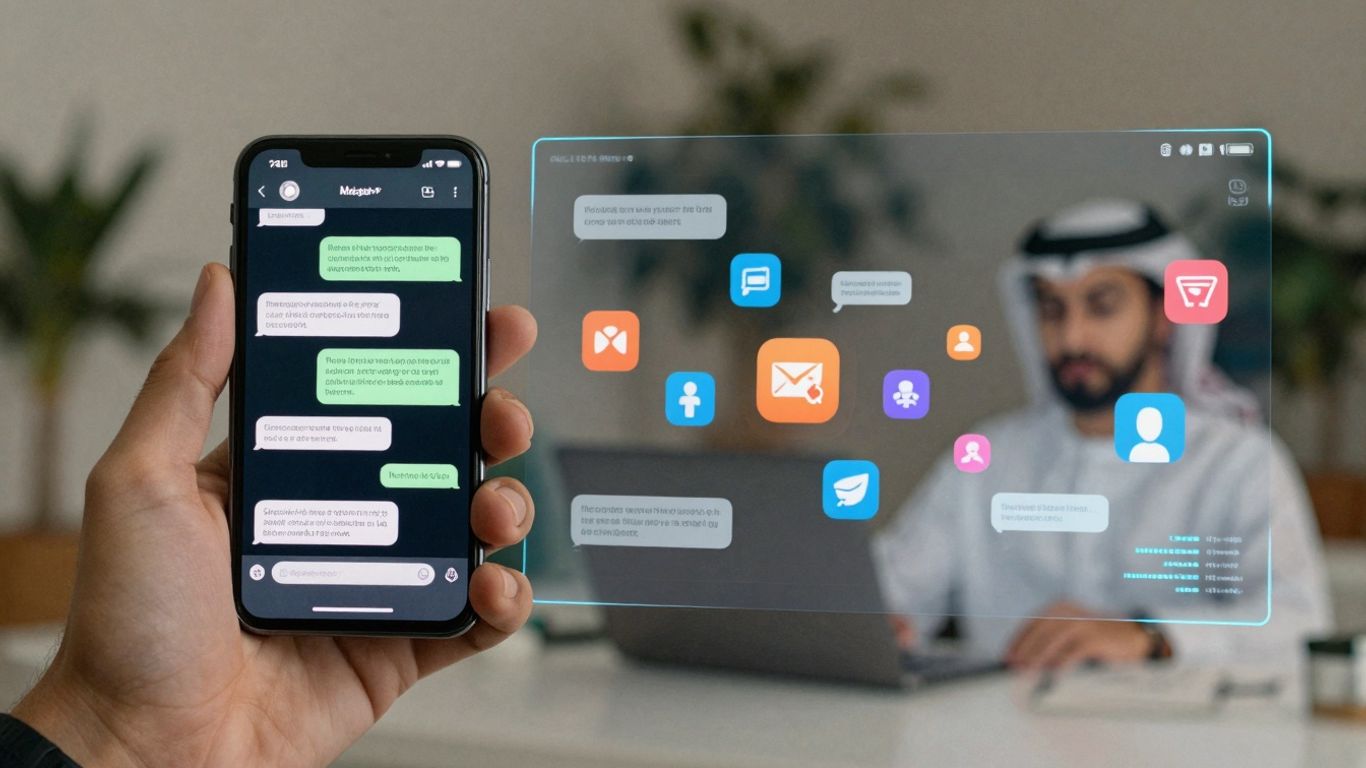
Running political campaigns these days feels like a whole new ballgame, doesn't it? It’s not just about shouting the loudest anymore. We've found a pretty sweet spot by combining SMS outreach with Meta ads. Seriously, this combo is giving us some of the best results we've seen in a while. It’s all about working smarter, not just harder, and making sure every dollar spent is pulling its weight. Let's break down how this political SMS marketing stack is changing the game.
Key Takeaways
Meta's ad system works in cycles, exploring new audiences and then exploiting those who show interest. Understanding this 'explore-exploit' rhythm is key to not panicking during performance dips and to planning campaigns effectively over weeks, not just days.
Combining political SMS marketing with Meta ads creates a powerful customer journey. SMS can be used for deeper engagement and follow-ups, complementing the broad reach and targeting capabilities of Meta ads.
While Meta and Google remain the core of digital ad spend, diversifying with platforms like TikTok and Pinterest can broaden reach. However, it's important to use these as additions, not replacements, to your main ad channels.
Campaign success relies on data-driven testing and adapting strategies. A checklist approach helps operationalize channel strategies, ensuring accountability and continuous refinement based on real results.
Messaging-based payments and conversational commerce, often facilitated through SMS, can boost convenience and engagement. This bridges the gap between quick transactions and building customer relationships, leading to loyalty and operational savings.
Understanding Meta's Explore-Exploit Algorithm

Ever feel like your Meta ad performance is on a wild rollercoaster? One week you're seeing amazing results, and the next, it feels like everything's fallen apart. You're not alone. This isn't usually a sign that something's broken; it's often just Meta's algorithm doing its thing, cycling between 'Explore' and 'Exploit' modes. It's a core part of how Meta's EMQ works to optimize ad delivery [c3cf].
Navigating the Performance Rollercoaster
Meta's ad system is designed to do two main things: find new potential customers and then double down on the ones who are most likely to convert. When the algorithm is in 'Explore' mode, it's spending money to test the waters, reaching out to new audiences. This phase can look less profitable because you're essentially building future demand, not just grabbing immediate sales. Then, when it identifies people showing strong interest, it shifts into 'Exploit' mode. This is when you see performance spike – conversions look great, and it feels like you've hit a new, higher baseline. But then, just as quickly, things can dip again because that specific pocket of demand has been 'harvested,' and the system needs to go back to exploring for more.
For advertisers who only glance at daily results, these swings can be incredibly stressful. It's easy to assume the worst when you see a few down days in a row, but often, the algorithm is just doing the necessary, slower work of finding new buyers.
Measuring Success Over Weeks, Not Days
The key to managing this cycle without losing your mind is to zoom out. Looking at performance day-by-day is like trying to understand a movie by watching only one scene. Depending on your product and how long your typical sales cycle is, it can take anywhere from 7 to 14 days for the demand generated during the 'Explore' phase to actually turn into sales. So, instead of reacting to daily fluctuations, try looking at trends over a week or two. This gives the algorithm enough time to do its job and for the results to become clear.
Here's a simplified look at the cycle:
Explore Mode: Budget is used to find new audiences. ROAS might appear lower.
Exploit Mode: Budget focuses on high-intent audiences identified during exploration. ROAS typically spikes.
Cycle Repeat: Demand from the exploited group is met, and the algorithm returns to exploring.
Balancing Demand Creation and Harvesting
To work effectively with this cycle, you need to balance both creating new demand and capitalizing on existing interest. Prospecting campaigns are great for fueling the 'Explore' phase, helping the algorithm find fresh audiences. On the flip side, retargeting campaigns are perfect for the 'Exploit' phase, allowing you to connect with people who have already shown interest. Ignoring either of these strategies means the other part of your funnel will eventually suffer. It’s about using both to build a sustainable flow of customers.
The Synergy of Political SMS and Meta Ads
Beyond First Click: Tracking True Customer Journeys
Look, we all know that a single click doesn't tell the whole story, right? Especially in politics. Someone might see a Meta ad, think "Huh, interesting," but not act. Then, a few days later, they get an SMS about the same issue, and bam, they're engaged. That's where the real magic happens – connecting those dots. Meta ads are great for casting a wide net and getting initial eyeballs. They're good at grabbing attention and introducing a concept or candidate. But SMS? That's your direct line. It's personal, it's immediate, and it cuts through the noise in a way that a social media feed just can't.
We've seen campaigns spend a ton on Meta, only to see a fraction of that come back through direct online conversions. But when you layer in SMS, things change. People who interact with your Meta ads are often more receptive to your SMS messages later on. It’s like they’ve already met you online, and now you’re calling them up to chat. This combined approach helps you see the full picture of how someone actually becomes a supporter, not just how they clicked an ad.
Amplifying Reach with Integrated Channel Strategies
Think of Meta ads as the megaphone and SMS as the personal conversation. You can't just rely on one. Using them together means you're not just reaching people; you're reaching them repeatedly and in different ways. Someone might scroll past your ad on Facebook, but they're probably checking their texts. If that text is relevant and timely, it can bring them back to your website or a specific action.
Here’s a simple breakdown of how this works:
Initial Awareness (Meta): Use Meta ads to introduce your message, candidate, or cause to a broad but targeted audience. Think visually appealing graphics and short, punchy videos.
Nurturing Interest (Meta + SMS): If someone engages with your Meta ad (clicks, watches a video), you can then follow up with an SMS. This could be a reminder, more detailed information, or a direct call to action.
Driving Action (SMS): SMS is often the final push. It's direct, urgent, and effective for getting people to donate, sign a petition, or RSVP to an event.
Retargeting (Meta): Use data from SMS opt-ins to refine your Meta ad targeting, showing ads to people who have already shown interest via text.
This isn't just about throwing messages everywhere. It's about creating a path for people to move from seeing something online to taking a real-world action, guided by consistent messaging across platforms.
Leveraging SMS for Deeper Customer Engagement
Social media is public, often noisy, and algorithms change constantly. SMS, on the other hand, is private and direct. When someone gives you their phone number, they're giving you permission for a more personal connection. This is gold.
We've found that SMS campaigns, when used after an initial touchpoint on Meta, see significantly higher engagement rates. It's about building a relationship, not just collecting clicks. People feel more connected when they receive personalized messages directly to their phones, making them more likely to participate.
This direct line allows for more nuanced conversations. You can send updates, ask for specific feedback, or mobilize supporters quickly. It’s the difference between shouting into a crowd and having a one-on-one chat. And in politics, that personal connection can make all the difference in turning passive interest into active support.
Building a Resilient Marketing Foundation

Meta and Google as the Core Advertising Spine
Look, nobody's really reinventing the wheel when it comes to the big players. Meta and Google are still the workhorses for a reason. They've got the reach, the targeting options, and the sheer volume of users that most campaigns need to get off the ground. Think of them as the main roads in your marketing city – you've got to be on them to get anywhere significant. We're talking about platforms where you can find people based on pretty specific interests, behaviors, or demographics. It’s where you can really start building awareness and driving initial interest. This is where most of your budget will likely live, and it's smart to have a solid plan for how you're using them. They're not just for broad strokes either; you can get pretty granular with your ad sets to make sure you're talking to the right folks.
Diversifying Reach with Emerging Platforms
But relying only on the giants? That's a bit like putting all your eggs in one basket, and we all know how that story goes. Once you've got Meta and Google dialed in, it's time to look around. What else is out there? Think about platforms that might be newer, or maybe cater to a more niche audience. This could be anything from TikTok for younger demographics, to LinkedIn for B2B, or even smaller, specialized ad networks. The goal here isn't necessarily to spend a ton of money everywhere, but to find places where your message might get a warmer reception or where you can reach people who aren't seeing your ads on the usual channels. It’s about spreading out your bets a little. We've seen good results testing out platforms that focus on specific interests or communities. It’s about finding those pockets of opportunity.
Mitigating Single-Provider Risk with Smart Routing
So, what happens if Meta decides to change its algorithm overnight, or Google hikes up its ad prices significantly? If your entire operation is tied to one or two places, you're in a tough spot. That's where having a strategy to spread your efforts and knowing how to move your budget around becomes really important. It’s not just about being on multiple platforms, but having a system that lets you shift focus based on performance. If one channel starts to tank, you need to be able to quickly redirect resources to where they're working better. This means having clear metrics for every channel and a plan for what to do when things change. We use a simple checklist internally:
Audit current channel performance weekly: Are we hitting our targets?
Identify underperforming channels: Where are we wasting money?
Test one new channel per quarter: What else could work?
Reallocate budget based on ROI: Move money to what's scaling.
Building a marketing foundation that isn't dependent on just one or two big platforms gives you a lot more stability. It means you can weather the storms when one platform gets tricky and keep your overall growth moving forward. It’s about being smart and adaptable, not just busy.
This approach helps you avoid getting caught off guard. You’re not just hoping for the best; you’re actively building a system that can adapt. It’s about making sure that if one part of your marketing engine sputters, the rest can pick up the slack and keep things running smoothly. That kind of resilience is what separates campaigns that just survive from those that really thrive over the long haul.
Optimizing Campaigns for Maximum Impact
So, you've got your Meta and SMS campaigns running, and things are looking pretty good. But how do you make sure you're not just coasting? It's all about staying sharp and making sure your ads are always working as hard as they can. Think of it like tuning up a car – you don't just drive it until it breaks down, right? You keep it maintained so it runs smoothly.
Data-Informed Experimentation for Channel Mix
This is where we get a bit more hands-on with the numbers. It’s easy to get stuck in a routine, running the same ads with the same targeting. But the digital ad world changes fast. What worked last month might not be the best approach today. We need to be constantly testing different combinations of channels, audiences, and creative to see what really moves the needle. It’s not just about throwing money at ads; it’s about smart spending.
Test different audience segments: Are you reaching the right people? Try creating lookalike audiences or focusing on very specific interest groups. You might be surprised who responds best.
Experiment with ad formats: Video, carousel, single image – each can perform differently. Test them against each other to see which ones grab attention.
Vary your messaging: Even small tweaks to your ad copy or calls to action can make a big difference. Try different angles to see what connects.
We need to look at how different channels work together. For instance, using Meta ads to build awareness and then using SMS to follow up with a special offer can be way more effective than just doing one or the other. It’s about creating a conversation across platforms. You can find some great insights on Democratic strategy and campaign tactics that touch on this integrated approach in this blog.
The key is to treat your campaign setup not as a one-time event, but as an ongoing process of discovery. Regularly review your performance data, identify underperforming areas, and have a plan to test improvements. Don't be afraid to shift budget away from what's not working and put it towards what is.
Operationalizing Channel Strategy with a Checklist
Having a solid strategy is one thing, but actually putting it into practice consistently is another. That’s where a good checklist comes in. It helps make sure you don't miss any important steps, especially when you're juggling multiple campaigns and platforms. This is especially true when you're looking at automated systems like Meta's Advantage+ Shopping Campaigns (ASC). While they handle a lot, getting the initial setup right is still super important.
Here’s a basic checklist to keep in mind:
Define Clear Goals: What exactly are you trying to achieve with this campaign? More leads? Higher sales? Be specific.
Audience Review: Have you checked your targeting recently? Are you excluding people who have already converted?
Creative Refresh Cadence: When was the last time you updated your ad visuals or copy? Plan for regular refreshes to avoid ad fatigue.
Budget Allocation: Is your budget distributed effectively across your best-performing channels and campaigns?
Tracking Setup: Double-check that your Meta Pixel and any other tracking are working correctly. Bad data leads to bad decisions.
Adapting PR and Influencer Strategies for Today's Market
It’s not just about paid ads, right? Public relations and working with influencers still play a big role. But the game has changed. People are savvier now. They can spot a fake endorsement a mile away. So, we need to be smart about how we approach this. It’s about finding authentic partnerships and creating content that feels real, not just like another advertisement.
Focus on authenticity: Partner with influencers who genuinely align with your brand and message. Their audience trusts them, and that trust is key.
Think beyond just reach: Look at engagement rates and the quality of comments. Are people actually interacting with the content?
Integrate with paid efforts: Use influencer content in your paid social ads. It often performs better because it feels more organic.
We also need to think about how PR can support our overall campaign. Getting positive media mentions can add a layer of credibility that paid ads alone can't always achieve. It’s about building a consistent message across all the places people encounter your brand.
The Power of Conversational Commerce
Messaging-Based Payments for Enhanced Convenience
Think about how often you use messaging apps. Probably a lot, right? People are already there, chatting with friends and family. Now, imagine being able to buy something right within that same chat. That's the idea behind messaging-based payments. It cuts out a lot of the usual steps, like opening a separate app or typing in card details all over again. This makes buying things much quicker and easier for customers. It's about meeting people where they already are, making the whole shopping experience feel more natural.
Bridging Transactional Efficiency and Customer Engagement
It's not just about speed, though. When payments can happen inside a message, it opens up new ways to talk to customers. Instead of just sending a bill, you can have a real conversation. Maybe someone has a question about a product, or they need help with their order. You can answer them right there and then, and if they decide to buy, they can do it without leaving the chat. This keeps the interaction going and makes the customer feel looked after.
Here’s a quick look at how it works:
Customer asks a question: Via SMS, WhatsApp, or another messaging app.
Business responds: Provides information or a product recommendation.
Payment request sent: A secure link or prompt appears in the chat.
Customer completes purchase: Clicks the link or follows the prompt to pay.
Confirmation received: Both parties get a notification.
Driving Loyalty Through Seamless Payment Experiences
When buying something is simple and pleasant, people are more likely to come back. If a customer has a good experience paying through a message, they remember that. It feels less like a chore and more like a helpful service. This kind of smooth transaction builds trust and makes customers feel valued. Over time, these positive interactions add up, turning first-time buyers into loyal fans who know they can count on you for an easy shopping trip.
Leveraging Zero-Party Data for Personalization
Okay, so we've talked a lot about how Meta and SMS can work together, but how do we make sure the messages we're sending and the ads we're showing are actually right for the person seeing them? That's where zero-party data comes in. Think of it as the gold standard for knowing your audience.
The Clarity of Consent-Forward Signals
This isn't data that's guessed or inferred. Zero-party data is what people tell you directly. It's their preferences, their intentions, what they're looking for, and even how they like to be contacted. Because they're giving it to you willingly, with clear consent, it's super clean and reliable. It’s like asking someone their favorite color instead of trying to figure it out by watching what clothes they wear.
Directly volunteered information: Preferences, purchase intentions, communication style.
Explicit consent: Customers know what they're sharing and why.
High accuracy: Based on what people say, not what we assume.
This kind of data is a game-changer because, let's be honest, third-party data is getting harder to use, and people are more aware of their privacy. Getting information straight from the source builds trust. It shows you're listening.
When you collect zero-party data, you're not just gathering information; you're building a relationship. It’s a two-way street where customers feel heard and valued, which makes them more likely to engage and convert.
Transforming Personalization into a Customer-Led Process
Instead of us guessing what might work, zero-party data lets the customer guide the personalization. We can use what they’ve told us to tailor everything from the ads they see on Meta to the specific offers they get via SMS. It’s about making the experience relevant to them, not just to our campaign goals.
Here’s a quick look at how it plays out:
Stage | How Zero-Party Data Helps |
|---|---|
Awareness | Target ads to people with similar declared interests. |
Consideration | Show product recommendations based on stated needs. |
Conversion | Offer deals that match expressed budget or urgency. |
Retention | Send reminders or content based on preferred topics. |
This approach cuts down on wasted ad spend and makes sure our messages are hitting the mark. It’s more efficient and, frankly, a lot more respectful to the person on the other end.
Activating Data Across Channels for Measurable Lift
The real magic happens when you connect this zero-party data across your channels. What someone tells you in a preference center can directly influence the SMS they receive later that day, or the ad they see on Facebook tomorrow. It creates a consistent, personalized experience no matter where they interact with you.
Consistent Messaging: Ads and SMS align with declared preferences.
Reduced Friction: Offers and content feel more relevant, leading to easier decisions.
Increased Engagement: People are more likely to interact when the communication feels personal.
By using what customers willingly share, we can see a real difference in campaign performance. It’s not just about getting more clicks; it’s about building stronger connections that lead to better results over time. This is how you build a marketing stack that truly works for everyone involved.
Wrapping It Up
So, we've seen how combining political SMS with Meta ads isn't just a good idea, it's really the best way to get the most bang for your buck right now. It’s about being smart with your money and understanding how these tools work together. Don't just throw money at ads and hope for the best. Instead, use SMS to talk directly to people and Meta to find more folks like them. When you put them together, you get a powerful combo that really drives results. It takes a bit of planning, sure, but the payoff is totally worth it for campaigns that need to perform.
Frequently Asked Questions
Why does my Meta ad performance go up and down so much?
Meta's ad system tries to find new customers (explore) and then focuses on those who are likely to buy (exploit). When it's exploring, it might seem like ads aren't working as well because it's reaching new people. When it's exploiting, performance looks great because it's showing ads to people ready to buy. This up and down is normal and part of how the system works to find the best customers over time.
How can SMS and Meta ads work together effectively?
SMS and Meta ads can be a powerful team. Meta ads can help you find new potential customers and get them interested. Then, SMS can be used to talk to those interested people more directly, remind them about offers, or provide special deals. This way, you're not just relying on one click to make a sale; you're building a relationship across different ways of talking to customers.
Should I only use Meta and Google for my ads?
Meta and Google are still super important for most online ads because they reach a lot of people. Think of them as the main roads for your advertising. However, it's smart to also use other platforms like TikTok or Pinterest. This helps you reach different kinds of people and makes sure you're not putting all your eggs in one basket if one platform has problems.
How do I know if my advertising is really working?
Instead of just looking at how much money you make each day, it's better to look at trends over a week or two. Also, think about more than just sales. Are you reaching new people? Are they coming back to buy again? Using different ways to measure success helps you see the full picture of how your ads are helping your business grow.
What is 'conversational commerce'?
Conversational commerce means you can buy things directly through messages, like texting. Imagine getting a notification that your order is ready and being able to pay for it right there in the message without opening a separate app. It makes buying things super easy and fast, which customers really like.
What is 'zero-party data' and why is it important?
Zero-party data is information that customers willingly share with you, like their preferences or what they're looking for. It's important because it's the clearest way to understand what your customers want. When you use this information to make your ads and offers more personal, customers feel understood and are more likely to buy from you.