
Carlos Courtney
Political Ads
Political Advertising on OTT/CTV: Is It Finally Worth the Premium in 2026?
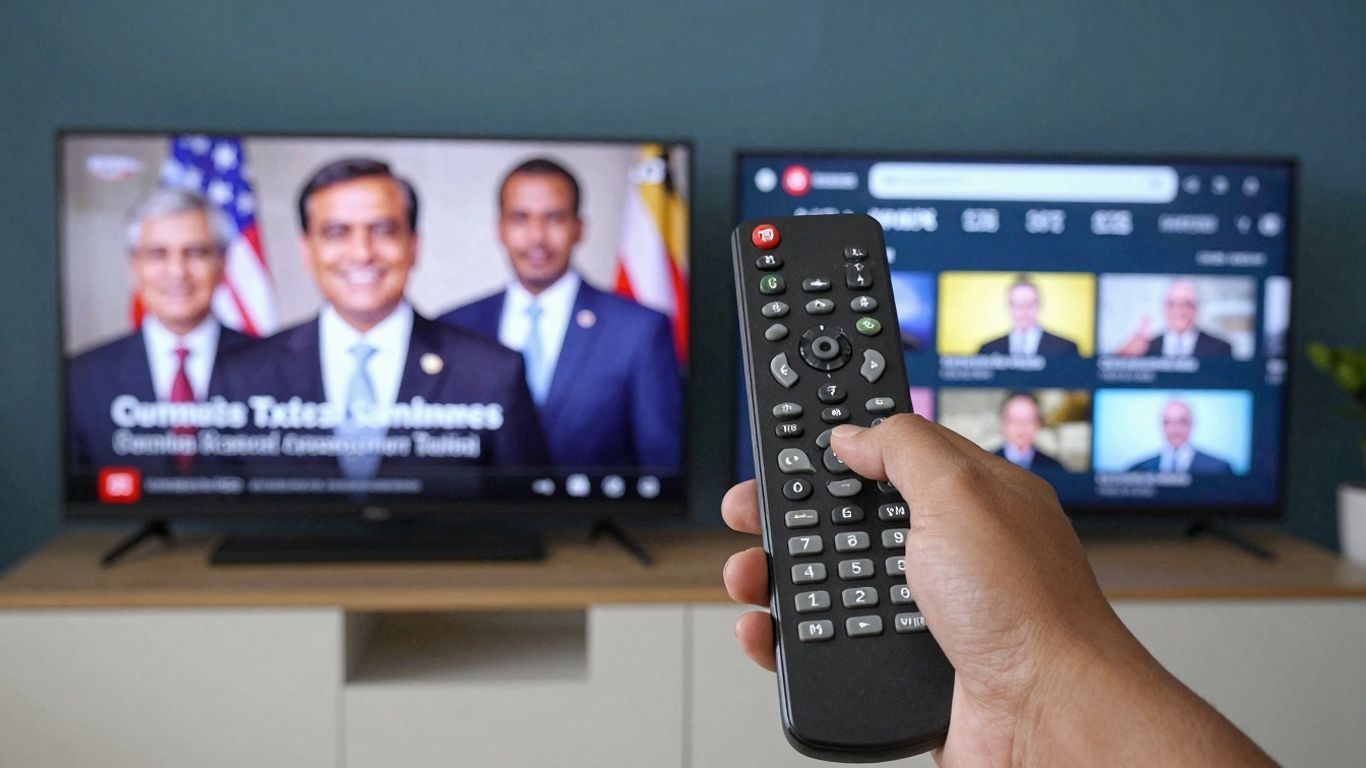
Remember when TV ads just blasted the same message to everyone? Those days are pretty much gone. Now, we’re watching shows on all sorts of screens, and ads are getting smarter. Political campaigns are starting to notice this shift, and they’re figuring out how to reach voters where they actually are. This article is all about political CTV advertising and whether it’s finally the big thing for campaigns in 2026.
Key Takeaways
People are ditching cable for streaming, so political advertisers need to follow them there.
Connected TV (CTV) lets campaigns target specific groups of voters, which is way better than just showing ads to anyone.
You need to figure out the right mix of how many people see your ad and how often they see it for political CTV advertising to work.
Picking the right streaming platforms and dealing with ad fraud are big challenges for political CTV advertising.
Using data and smart creative is key to making political CTV advertising campaigns effective and showing a good return.
The Evolving Landscape of Political CTV Advertising
Remember when watching TV meant being stuck with whatever was on at a specific time? Those days are pretty much gone. The way we consume video content has changed big time, and political advertising is catching up. It’s not just about tuning into a channel anymore; it’s about streaming shows, movies, and news whenever and wherever we want.
The Shift From Linear TV to Streaming
Linear TV, the old-school cable or satellite kind, used to be the king. Advertisers bought ad slots during popular shows, hoping to reach a broad audience. But here’s the thing: a lot of those impressions were wasted. You’d be showing ads for, say, a local mayoral candidate to someone who lived three states away or someone who just wasn’t interested in politics at all. Plus, figuring out if anyone actually saw the ad, let alone did anything about it, was a real headache. Now, most people are ditching their cable boxes. Streaming services are where it’s at, and that’s where the eyeballs are moving.
Understanding OTT vs. CTV
Okay, so you hear terms like OTT and CTV thrown around. What’s the deal? OTT stands for Over-The-Top, which basically means content delivered directly over the internet, bypassing traditional cable or satellite providers. Think Netflix, Hulu, Disney+. CTV, or Connected TV, refers to the actual devices you use to watch that OTT content – smart TVs, streaming sticks like Roku or Fire TV, or game consoles. So, OTT is the content delivery method, and CTV is the device. When we talk about advertising, we're usually talking about placing ads on these CTV devices that are streaming OTT content.
The Rise of Programmatic Political Advertising
This is where things get really interesting for political campaigns. Programmatic advertising is like the super-smart, automated way of buying ad space. Instead of calling up a TV station and negotiating a deal, campaigns can use software platforms to buy ad spots in real-time, across a huge network of websites and apps, including CTV. This means they can target specific groups of people based on their viewing habits, location, and other data. It’s a far cry from the old days of just blasting ads everywhere and hoping for the best. Programmatic allows for much more precise targeting, reducing wasted ad spend and making campaigns more efficient.
Here’s a quick look at how the ad buying process has changed:
Linear TV: Manual negotiation, broad audience, limited measurement.
Early Digital: Basic online ads, some targeting, better measurement but still clunky.
Programmatic CTV: Automated bidding, precise audience targeting, detailed performance tracking.
The shift to streaming isn't just a trend; it's a fundamental change in how people watch TV. Political advertisers need to adapt to this new landscape to effectively reach voters where they are spending their time.
Why Political CTV Advertising Is Gaining Traction

So, why are political campaigns suddenly paying more attention to ads on Connected TV? It’s not just a passing trend; there are some solid reasons behind this shift. Think about it: more and more people are ditching their cable boxes for streaming services. If you want to reach voters, you’ve got to go where they are, right?
Reaching Cord-Cutters and Cord-Nevers
This is a big one. Remember when everyone had cable? Those days are fading fast. We've got folks who are actively canceling their cable subscriptions – the "cord-cutters" – and a whole new generation that never even signed up for cable in the first place – the "cord-nevers." These groups are spending a ton of time watching content on streaming platforms. Political advertisers realize that if they stick only to traditional TV, they're missing out on a huge chunk of the electorate. CTV advertising lets them tap into this growing audience, ensuring their message gets seen by people who might otherwise be unreachable.
Enhanced Targeting Capabilities
Traditional TV ads are kind of like shouting into a crowd and hoping the right person hears you. CTV advertising, on the other hand, is like having a direct conversation. Because these ads run on internet-connected devices, advertisers can use data to get really specific about who sees their ads. We're talking about targeting based on things like:
Demographics: Age, gender, location, income level.
Viewing Habits: What shows or genres do they watch? When do they watch?
Interests: Based on their online activity and app usage.
Past Behavior: Previous interactions with political content or specific issues.
This means a campaign can show a specific ad about healthcare to voters who have shown interest in healthcare issues, or target younger voters with messages tailored to their concerns. It’s about making every ad dollar count by reaching the right people.
Measurable Campaign Performance
With traditional TV, it's tough to know exactly how many people saw your ad or what they did afterward. CTV advertising changes that game completely. You get actual data. Advertisers can track things like:
Impressions: How many times the ad was displayed.
Viewability: Was the ad actually seen by a person?
Completion Rates: Did people watch the whole ad?
Click-Throughs: If the ad had a call to action, did people click it?
Conversions: Did the viewer take a desired action, like visiting a website or signing up?
This kind of detailed feedback is gold. It allows campaigns to see what's working and what's not, so they can tweak their strategy on the fly. If one ad isn't performing well, they can quickly swap it out for something better. It’s a much more agile and effective way to run a political campaign compared to the old methods.
Key Considerations for Political CTV Campaigns
Alright, so you're thinking about jumping into the political ad game on Connected TV. That's smart, but before you go all-in, there are a few things you really need to think about. It's not just about throwing money at the screen; it's about being smart with it.
Balancing Reach and Frequency
This is a big one. You want as many of the right people to see your message as possible, right? That's reach. But you also don't want them to see it so many times they start tuning it out. That's frequency. Finding that sweet spot is tricky. Too little frequency, and your message might not stick. Too much, and you risk annoying potential voters, which is the last thing you want.
Define your target audience: Who are you trying to reach? Be specific. Are they young voters, undecided suburban moms, or something else entirely?
Set realistic reach goals: How many unique households or individuals do you aim to contact?
Monitor frequency caps: Most ad platforms let you set limits on how many times a single viewer sees your ad. Use this wisely.
Analyze performance data: Look at completion rates and viewer feedback to see if your frequency is hitting the mark or if it's too high or low.
The political battleground has shifted from cable boxes to streaming platforms, mobile devices, and smart TVs. Democrats must recognize this change and adapt their strategies to reach voters where they are now consuming content. political battleground has shifted
Platform Selection and Inventory
Not all streaming platforms are created equal, and neither is the ad space on them. You've got everything from big-name apps to niche channels. Picking the right ones means understanding where your target voters actually spend their time. Do they binge-watch dramas on one service, or are they catching up on news via another? You also need to think about the actual ad slots available. Sometimes, the best spots are limited, and you might have to compete for them, which can drive up costs. It's a bit like choosing which billboards to buy, but with way more data involved.
Combating Ad Fraud in CTV
This is a headache in any digital advertising, and CTV is no exception. Ad fraud means you're paying for ad impressions or clicks that never actually reach a real person. Think bots or fake traffic. For political campaigns, where every dollar counts, this is a serious waste. You need to work with reputable platforms and ad tech partners who have strong fraud detection measures in place. It's about making sure your message is seen by actual voters, not just lines of code. Always ask about their anti-fraud protocols.
Optimizing Your Political CTV Advertising Strategy

So, you've figured out that CTV is the place to be for political ads in 2026. Great! But just showing up isn't enough, right? You've got to make sure your ads are actually seen by the right people and that they do something. It’s about being smart with your money and your message.
Leveraging Data for Precision Targeting
This is where things get really interesting. Forget just blasting your ad everywhere. We're talking about using data to get your message in front of the voters who actually care about what you're saying. Think about it: you can target people based on where they live, their age, maybe even what shows they watch. It’s like having a super-powered spotlight instead of a floodlight.
Know Your Audience: Use what you know about potential voters. What are their interests? What issues are on their minds? Data from third parties can help fill in the gaps, showing you who's watching what and when.
Geographic Precision: For local races, this is a game-changer. You can target specific neighborhoods or even zip codes. No more wasting money showing ads to people who can't even vote for you.
Behavioral Insights: What shows do your target voters watch? Are they into sports, documentaries, or reality TV? Matching your ad to the content they enjoy makes it feel less intrusive and more relevant.
Creative Strategies for Viewer Engagement
Okay, you've got the targeting down. Now, what do you actually show them? CTV viewers aren't sitting there with a remote waiting for a political ad. They're usually watching something they want to watch. So, your ad needs to grab their attention fast and make them feel something.
Keep it Short and Sweet: Most people have the attention span of a goldfish these days, especially when they're trying to relax. Aim for ads that are 15 or 30 seconds max. Get to the point quickly.
Visuals Matter: High-quality video is a must. Make it look professional. A shaky, low-res ad just screams 'amateur' and gets ignored.
Clear Call to Action: What do you want people to do after seeing your ad? Visit a website? Sign up to volunteer? Make it super clear and easy for them.
CTV ads that feel like they're part of the viewing experience, rather than an interruption, tend to perform better. Think about how you can make your message fit the context of the content.
Measuring and Iterating for ROI
This is the part that separates the winners from the also-rans. You can't just set it and forget it. You need to see what's working and what's not, and then adjust. It’s all about getting the best bang for your buck.
Here’s a look at some key metrics to watch:
Metric | What It Tells You |
|---|---|
Impressions | How many times your ad was shown. |
View-Through Rate (VTR) | Percentage of people who watched your ad to completion. |
Click-Through Rate (CTR) | Percentage of people who clicked on your ad (if applicable). |
Conversions | How many people took the desired action (e.g., visited site). |
Constantly looking at these numbers helps you figure out which ads are connecting, which targeting is most effective, and where you might be wasting money. Then, you can tweak your campaigns, shift your budget, and try new creative approaches. It’s a cycle of testing, learning, and improving.
The Future of Political Advertising on Connected TV
AI and Machine Learning in Ad Buying
Artificial intelligence (AI) and machine learning (ML) are changing how political campaigns buy ads on Connected TV (CTV). Think of it like having a super-smart assistant that can look at tons of data way faster than any human could. These tools help figure out the best times and places to show ads to specific voters. They can predict which ads will work best with certain groups and adjust spending on the fly to get the most bang for the buck. This means less wasted money and more targeted messages reaching the right people.
The Battle for CTV Supremacy
Right now, there's a big push among different companies to control the CTV ad space. You've got the big streaming services, device makers, and ad tech companies all trying to get a bigger piece of the pie. This competition is actually good for advertisers because it means more options and potentially better prices. For political campaigns, it means they need to be smart about where they place their ads. Choosing the right platforms and partners is becoming more important than ever. It's not just about getting your ad seen; it's about getting it seen by the right voters on the right platforms.
Predicting Future Spend and Growth
Looking ahead, it's pretty clear that political ad spending on CTV is going to keep climbing. More and more people are cutting the cord from traditional TV and streaming everything. Campaigns are realizing they can't afford to ignore this shift. We're likely to see campaigns spend more on CTV in future election cycles, especially as the targeting tools get even better and more sophisticated. It's becoming a standard part of the media mix, not just an experimental add-on. The ability to measure results and refine strategies in near real-time makes it a very attractive option for getting political messages out effectively.
So, Is It Worth It in 2026?
Looking at everything, it seems like political advertising on OTT and CTV is definitely becoming more than just a maybe. The way people watch TV has changed a lot, and these platforms let advertisers get their message to specific groups of people, which is a big deal for campaigns. While it might cost a bit more than older methods, the ability to target voters directly and see what's actually working makes it a smart move. It's not just about getting your ad seen; it's about getting it seen by the right people at the right time. As more viewers move to streaming, campaigns that don't jump on board might miss out on a huge chunk of the audience. So yeah, by 2026, paying that premium for OTT/CTV ads looks like it'll be a pretty solid investment for getting political messages out there.
Frequently Asked Questions
What is the difference between OTT and CTV?
Think of OTT (Over-The-Top) as the general idea of streaming video content over the internet, bypassing traditional cable or satellite TV. CTV (Connected TV) is a bit more specific – it refers to any TV that can connect to the internet and stream content, like smart TVs or devices like Roku and Apple TV. So, while all CTV viewing happens via OTT, not all OTT viewing happens on a CTV (it could be on your phone or tablet too!).
Why are political campaigns using streaming TV ads?
Political campaigns are using streaming TV ads because more and more people are cutting the cord on cable TV and watching shows and movies online. It's a great way to reach voters who aren't watching regular TV anymore. Plus, these ads can be shown to very specific groups of people based on their interests or where they live, making the message more likely to reach the right voters.
Can I target specific voters with ads on streaming TV?
Yes, absolutely! One of the biggest advantages of advertising on streaming TV is the ability to target. You can show your ads to people based on things like their age, what they like to watch, or even what they've bought before. This means your political message can be seen by the people most likely to be interested or vote.
How do I know if my streaming TV ads are working?
Unlike old TV ads where it was hard to tell who saw what, streaming TV ads offer ways to track their performance. You can see how many people saw your ad, if they clicked on it, or even if they took an action like visiting a website. This information helps campaigns see what's working and make their ads even better.
What is programmatic advertising in streaming TV?
Programmatic advertising is like an automatic system for buying ad space on streaming TV. Instead of calling up different channels, computers make the decisions super fast to buy ad spots for the right audience at the right price. It helps make sure ads are shown efficiently and reach the intended viewers.
Is it worth spending more money on streaming TV ads for political campaigns?
It's becoming more and more worth it! With so many people watching streaming services, it's a powerful way to get your message out. The ability to target specific voters and track results means that campaigns can often get a better return on their ad spending compared to traditional TV, even if the initial cost seems higher.