Carlos Courtney
Political Ads
Political Ads Creative Trends That Are Working Right Now (Q4 2025)
Alright, let's talk about what's actually working right now in political ads creative trends, especially as we head into the busy Q4 season. It feels like things are changing fast, and what worked last year might not cut it anymore. We've seen a lot of shifts, from how people watch videos to how they interact with brands online. If you're trying to get your message out there, especially with all the noise, you need to know what's grabbing attention and actually leading to action. This isn't about fancy tricks; it's about smart, direct communication that connects with voters.
Key Takeaways
Short videos that grab attention in the first three seconds are key. Think quick visuals and clear messages, especially for mobile viewing.
Using chat apps like Messenger can be a good way to connect with people directly, acting like a simple landing page for quick questions or offers.
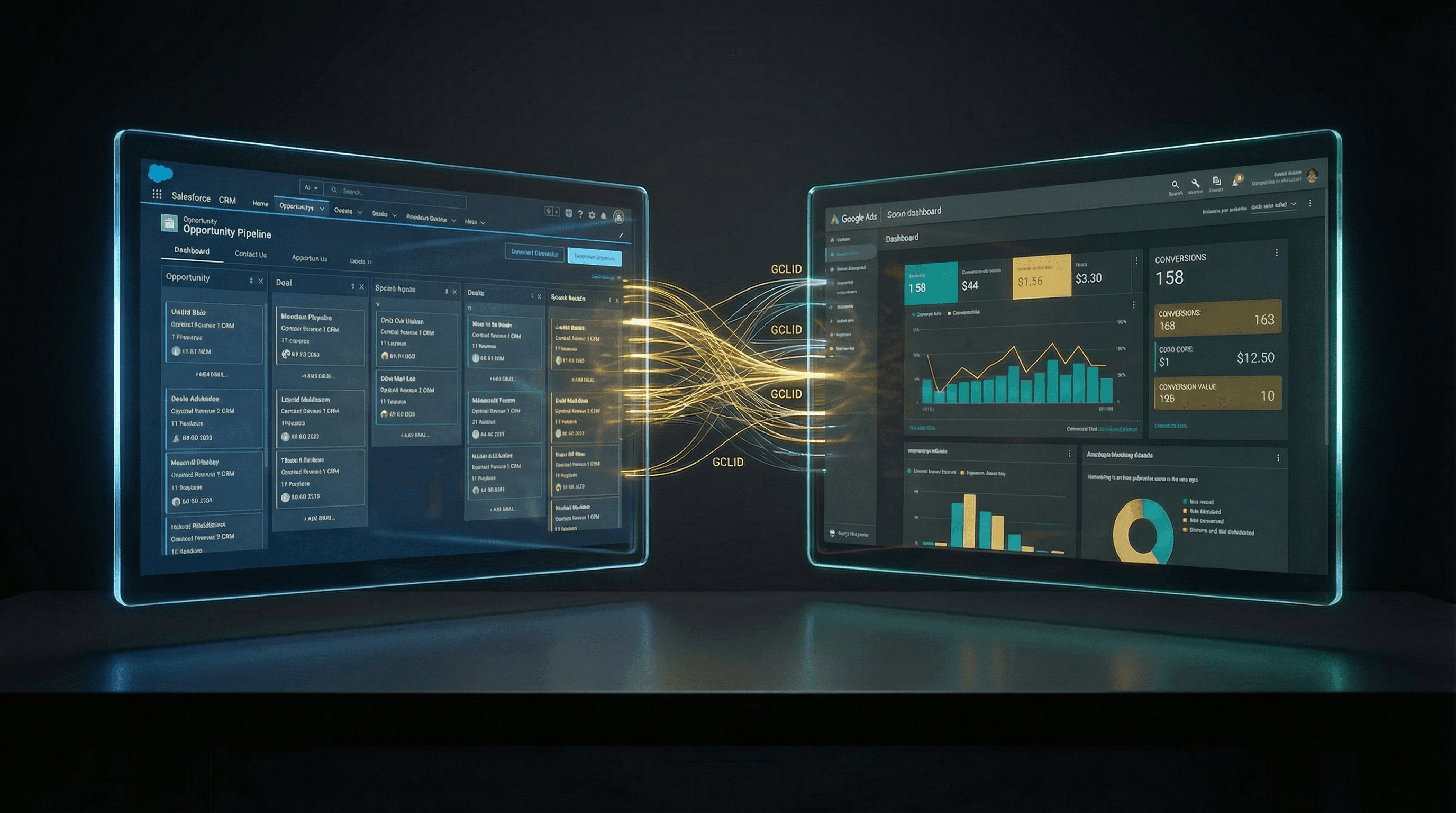
Your own customer data is super important for targeting ads. Using info from your CRM or past purchases helps make your ads way more effective.
Testing your ads early and often is a must. Find out what works best before spending big, and be ready to scale up what's performing well.
Keep your ads simple and direct. Clear headlines, product-focused images, and obvious calls-to-action cut through the clutter better than clever slogans.
Leveraging Short-Form Video For Maximum Engagement
Capturing Attention Within The Crucial First Three Seconds
Look, we all scroll. A lot. And in today's feed, if you don't grab someone's attention in the first three seconds of a video, they're gone. It's that simple. Think about it – you're probably doing the same thing. So, how do you make sure your ad doesn't just get skipped?
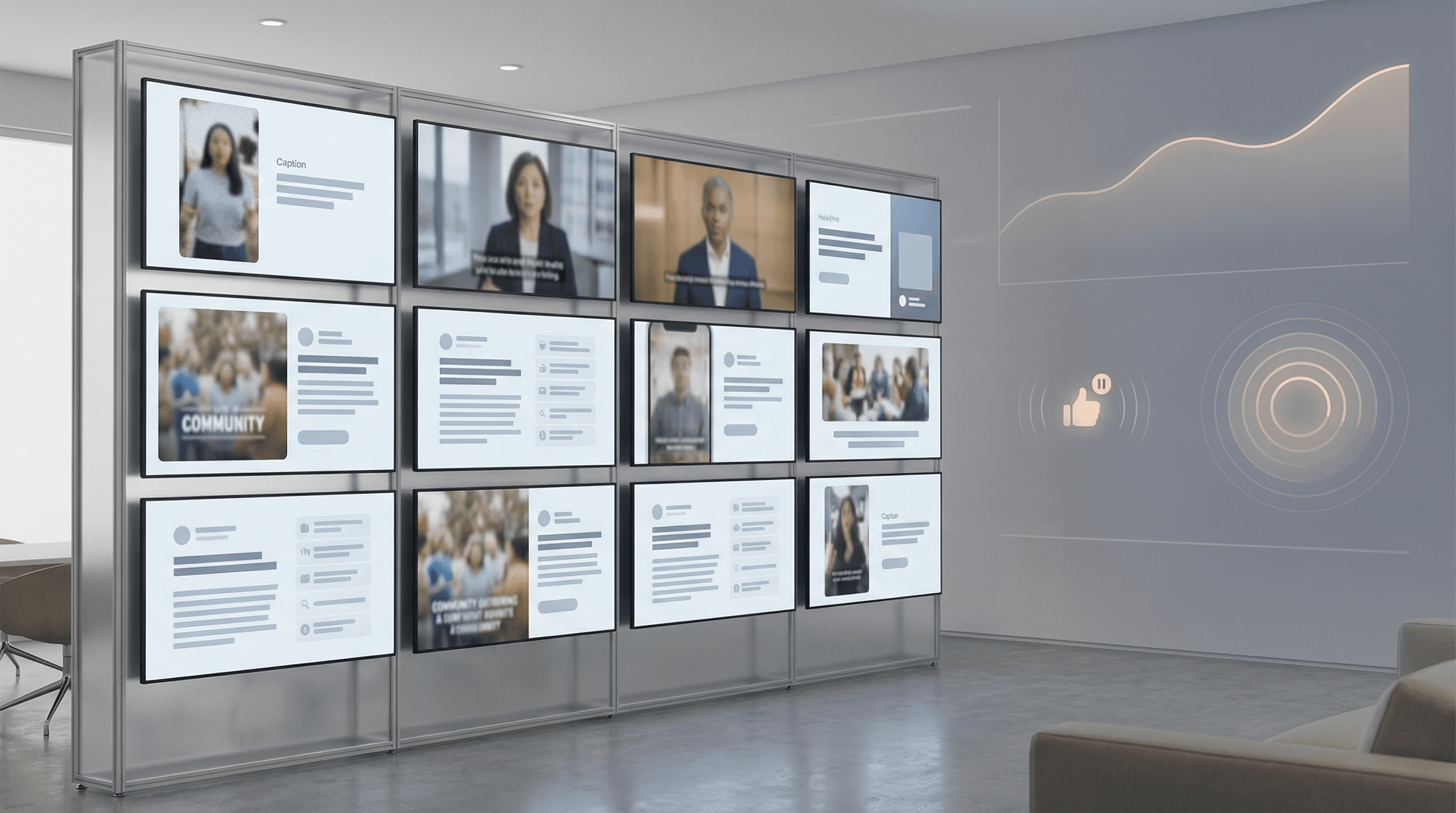
Start with a bang. Forget slow intros. You need dynamic visuals and movement right from the get-go. Think bright colors, quick cuts, or something unexpected happening immediately. Static images just don't cut it anymore. People are watching these videos without sound, too, so make sure your visuals tell the story. Adding captions and on-screen text is non-negotiable. It helps people understand what you're about, even if their sound is off.
Here’s a quick breakdown of what works:
Immediate Action: Show the product or service in use, not just sitting there.
Visual Hooks: Use motion, changing scenes, or bold graphics to keep eyes glued.
Clear Text: Overlay key messages or questions that are easy to read.
The goal here is to make someone stop scrolling and think, "Wait, what's this?" It’s about creating that instant curiosity that makes them want to see what happens next.
Integrating Clear Calls-To-Action For Conversion
Okay, so you've got their attention. Now what? You need to tell them exactly what you want them to do. Vague requests just don't work. If you want them to buy something, say "Shop Now." If you want them to sign up, say "Sign Up Today." Make it obvious and easy.
This isn't just about slapping a button on the end. The call-to-action (CTA) should feel like a natural next step after watching your video. If your video showed how your product solves a problem, your CTA should be the solution. For example, if you showed a quick fix for a common issue, the CTA could be "Get Your Fix Now" or "Learn How It Works."
Utilizing Dynamic Visuals And Captions
We touched on this already, but it's worth repeating. Static ads are becoming a thing of the past, especially in the fast-paced world of short-form video. You need visuals that move and change to keep viewers engaged. This could mean showing a product from different angles, demonstrating a process step-by-step with quick transitions, or using animated text to highlight important points.
And remember the captions. Most people watch videos on social media with the sound off. If your video doesn't have captions, you're missing a huge opportunity to communicate your message. Make sure your captions are easy to read and accurately reflect what's being said or shown. Think of them as another visual element that helps tell your story and drive your message home.
The Rise Of Conversational Advertising

Forget those clunky landing pages that take forever to load. In today's fast-paced digital world, especially as we head into the busy Q4 season, people want things to happen now. That's where conversational advertising really shines. It's all about meeting people where they are, right inside the apps they're already using, like Facebook Messenger.
Messenger Ads As A Landing Page Alternative
Think about it: instead of sending someone off your ad to a separate website, you can start a conversation with them right there. This cuts down on all that friction. No more waiting for a page to load, no more filling out long forms. Click-to-Messenger ads are basically turning your ad into a mini-landing page, but way more interactive. This is super useful for all sorts of businesses, from local shops to coaches, and even for those quick, limited-time sales online.
Personalized Chatbot Flows For User Interaction
Once they click, you don't have to have a real person answering every single question. That's where chatbots come in. They can guide people through a process, like helping them find the right product, taking a quick quiz, or even booking an appointment. It feels personal, but it's automated. This makes the whole experience smoother and keeps people engaged.
Here’s a quick look at why this works:
Instant Connection: Users don't have to leave the platform, making it super convenient.
Guided Experience: Chatbots can ask questions and provide tailored answers.
Reduced Drop-off: Less friction means fewer people abandon the process.
Driving Higher Opt-In Rates With Timely Offers
Because you're talking directly to someone who has shown interest, you can offer them something special right then and there. Maybe it's a discount code for signing up, or early access to a sale. This timeliness makes the offer feel more exclusive and valuable. People are more likely to give you their contact info when they feel like they're getting something good, right away. It's a win-win: they get a deal, and you get a lead or a sale.
Harnessing First-Party Data For Precision Targeting
Okay, so relying on Facebook's general interest targeting or those third-party lists? That's getting pretty risky these days. With all the privacy changes and ad costs going up, especially in Q4, you really need to build your own customer lists. It’s not just a good idea anymore; it’s pretty much a necessity if you want your ads to actually reach the right people without breaking the bank.
Building Robust Data Pipelines In A Restricted Environment
Think of your first-party data as your secret weapon. It’s the information you collect directly from your customers. This could be anything from email addresses gathered through a newsletter signup to purchase history from your online store. Building these pipelines means setting up systems to collect and organize this data effectively. It’s about being smart with what you already have.
Email Subscribers: People who've signed up for your newsletter or updates. These folks have already shown some interest.
Past Purchasers: Segment them by what they bought, when they bought it, or where they are located. This tells you a lot about their preferences.
Website Visitors: Track who visits your site, which pages they look at, or how long they stay. This gives you clues about their intent.
Loyalty Program Members: Your most dedicated customers are gold. Knowing who they are lets you reward them and find more like them.
The goal here is to create detailed customer profiles. The more you know about who is interacting with your brand, the better you can tailor your ads to them. It’s about moving away from guessing and towards knowing.
Leveraging CRM Data And Purchase History
Your Customer Relationship Management (CRM) system is probably sitting on a goldmine of information. If you're selling products or services, you know who bought what. This is incredibly powerful. You can create ads specifically for people who bought product A, suggesting they might like product B. Or, you can target people who haven't bought in a while with a special offer to bring them back.
This direct knowledge of customer behavior is far more reliable than broad targeting. It means your ad spend is focused on people who have already demonstrated an interest or a need for what you offer.
Enhancing Efficiency With Lookalike Audiences
Once you have your solid first-party data, you can use it to find new customers who are similar to your best existing ones. Platforms like Meta allow you to create 'lookalike audiences.' You upload your customer list, and the platform finds other users who share similar characteristics and behaviors. It’s like asking the platform to find you more people who are just like your best customers. This dramatically cuts down on wasted ad spend because you're targeting people who are already predisposed to be interested in your offerings. It’s a smart way to scale your efforts without just throwing money at the problem.
Strategic Budgeting And Early Scaling
Alright, let's talk about money and timing for your political ads, especially as we head into the busy Q4 season. It’s not really a time to just sit back and see what happens. The truth is, ad costs, or CPMs, start creeping up earlier than you might think. If you're still trying out different ad versions in mid-November, you're probably paying way too much just to figure out what works.
The Importance Of Early Campaign Testing
So, what's the game plan? Start early. Like, really early. Think the first week of October. This is your window to launch a bunch of test campaigns. Try out different ad images, different text, different buttons – all of it. The goal here isn't to spend a ton of money, but to learn. What messages are people actually clicking on? Which visuals grab their attention for more than a second? You need to gather this information before the prices really start to climb.
Identifying Top Performers For Scaling
Once you've run those initial tests, you'll start to see patterns. Some ads will just do way better than others. Don't be afraid to put more money behind these winners. This is where you shift from learning to earning, or in this case, persuading. You want to identify those ads that are getting the most engagement, the most clicks, or the most sign-ups, and then focus your budget there. It’s about being smart with your cash, not just spending it everywhere.
Allocating Budget For Urgency-Based Promotions
As Q4 really gets going, especially in November, think about creating a sense of urgency. People are making decisions, and a little nudge can go a long way. This means having some budget set aside for ads that highlight limited-time offers, deadlines, or special events. These kinds of promotions can be really effective when timed right, driving action when it matters most. It’s about making sure your message lands when people are most likely to act.
AI-Driven Creative Testing And Optimization
Okay, so we all know Q4 gets pretty wild with ad spending. CPMs can shoot through the roof, and trying to figure out what creative actually works by hand? Forget about it. That's where AI comes in, and honestly, it's not just a nice-to-have anymore, it's pretty much a requirement. Meta, for example, keeps rolling out tools like Advantage+ Creative that automatically tweak and test different ad elements based on how people are reacting. It’s like having a tiny, super-fast ad expert working 24/7.
But here's the thing: AI isn't a magic wand. You still need to guide it. Think of it like this: AI can mix the ingredients and bake the cake, but you need to tell it what kind of cake you want and what flavors to use. Combining automated tools with a solid testing plan is the real secret sauce.
Combining Automation With Structured Testing
We can't just let the machines run wild without any direction. We need a system. This means setting up tests that give AI clear parameters to work within. It’s about structured experimentation, not just hoping for the best. You're essentially creating a framework for the AI to learn and optimize within.
Testing Headline Variants And Visual Formats
When you're testing, start with the big stuff. What kind of headlines grab attention? Are people responding more to a direct benefit or a curiosity hook? And visuals – that's huge. You'll want to test different types of images, videos, user-generated content (UGC), and even animated graphics. Seeing which visual style connects best is key. For instance, you might find that short, punchy videos showing a transformation work wonders, especially in the post-holiday slump when people are looking for self-improvement. This is a great time to explore marketing trends for 2025 to see what's gaining traction.
Optimizing Copy Length And Call-To-Action Experiments
Don't forget the words! Sometimes a super short, snappy line is all you need. Other times, people want a bit more detail about the benefits. Experiment with different lengths of ad copy. And the call-to-action (CTA)? That's your direct line to getting people to do something. Test out different CTAs – maybe "Learn More" works for some, while "Claim Your Discount" is better for others. It’s all about finding that sweet spot that encourages action.
The goal here is to move beyond guesswork. By systematically testing different creative elements, you provide the AI with the data it needs to identify the most effective combinations. This iterative process allows for continuous improvement, ensuring your ad spend is as efficient as possible, especially when competition heats up.
Clarity And Directness In Crowded Feeds

Look, everyone's scrolling through their feeds like crazy, especially in Q4. Your ad needs to be understood in about two seconds flat. Trying to be too clever or cute? That's a fast way to get ignored. People are bombarded, so you've got to make it super easy for them to get what you're offering.
Direct Headlines Over Clever Slogans
Forget those witty taglines that make people think. Get straight to the point. Instead of something like 'Embrace the Season's Style,' try '25% Off All Jackets Ends Sunday.' It tells people exactly what's in it for them and why they should care now. It’s about immediate understanding, not a puzzle.
Product-Centric And Benefit-Driven Imagery
Your visuals should scream what you're selling or what problem you solve. Show the actual product looking good, or better yet, show someone using it and looking happy. No abstract art or confusing lifestyle shots. If you're selling a time-saving app, show someone relaxing while the app does the work. Keep it focused on the outcome.
Crystal Clear Value Proposition And CTAs
What exactly are you giving them, and why should they act? Make that obvious. Don't make them guess. Your call-to-action (CTA) needs to be just as clear. Instead of a generic 'Click Here,' try 'Get Your Free Trial' or 'Shop the Sale Now.' It tells them exactly what happens next.
Here’s a quick breakdown of what works:
Headlines: State the offer or main benefit directly.
Visuals: Show the product or the positive result of using it.
Copy: Explain the core value simply and quickly.
CTA: Tell people the exact action to take.
When the feed is packed, the ads that get noticed are the ones that don't require any mental heavy lifting. They're the ones that communicate value instantly and tell you exactly what to do next. It’s not about being fancy; it’s about being understood.
Navigating Q4 Political Ad Spending Trends
Alright, let's talk about Q4. This is always a big deal for advertisers, and this year, it's shaping up to be even more intense, especially with political campaigns ramping up. You've probably noticed things are getting a bit more crowded out there, and that means costs can go up.
Anticipating Earlier CPM Ramps
We're seeing the usual Q4 cost increase, or CPM ramp-up, starting earlier than we've seen in past years. This isn't just a little bump; it's a noticeable shift. Think of it like this: the earlier the political spending kicks into high gear, the sooner those ad slots become more expensive for everyone. This year, with major elections and campaigns already making big moves, the pressure on ad inventory is building faster. It means that if you're planning a campaign, you need to be ready for these rising costs sooner rather than later. Getting your campaigns tested and ready to go before this ramp-up hits its peak is super important. It’s not just about the presidential race; even state-level contests, like the Virginia gubernatorial race, can add significant pressure to ad markets.
Understanding Party Spending Patterns On Key Platforms
Both major parties are spending heavily, but they're not always putting their money in the same places. Democrats, for instance, have been putting a lot of their budget into platforms like Meta and YouTube. Republicans, on the other hand, seem to be leaning more towards YouTube and other video platforms. This split means that while some platforms might see CPMs shoot up due to one party's focus, others might remain relatively more affordable for a bit longer. It’s a good idea to keep an eye on where the big money is going. This can give you clues about which platforms might become saturated first and where you might still find some breathing room. It's a dynamic situation, and knowing these patterns can help you make smarter choices about where to place your ads.
Capitalizing On Favorable Non-Political CPMs
Here's where things get interesting for non-political advertisers. Even with all the political spending, some platforms are actually showing lower CPMs for non-political ads right now. Take YouTube, for example. Despite heavy political ad buys, non-political CPMs have actually dipped a bit year-over-year. This is a temporary window, though. As Q4 progresses, these costs are expected to climb. It’s a prime opportunity to get your message out there before the holiday rush and the continued political ad surge drive prices up across the board. You need to be smart about timing and platform choice.
The key takeaway for Q4 is proactive planning. Don't wait for costs to skyrocket or for the best ad slots to disappear. Early testing, understanding where the competition is focusing, and identifying opportunities for cost-effective placements are critical for success. It's about working smarter, not just harder, in a very crowded advertising landscape.
Here’s a quick look at what to watch for:
Earlier Budget Allocation: Expect to need your Q4 budgets ready and allocated sooner than usual.
Platform Diversification: Don't put all your eggs in one basket. Explore different platforms to find the best rates.
Testing is Key: Run small tests early to see what works before committing larger budgets.
Monitor CPMs Daily: Keep a close eye on cost trends across your target platforms.
Wrapping It Up
So, we've looked at what's working right now in political ads for the last quarter of 2025. It's clear that things are moving fast, and sticking to the old ways just won't cut it anymore. Short videos grab attention, using first-party data is super important, and getting your message out clearly and quickly is key, especially when everyone's feed is packed. Plus, testing your ads early and often, and really knowing who you're talking to, makes a huge difference. It’s all about being smart and adaptable, not just throwing money at the problem. Keep an eye on these trends, and you'll be in a much better spot to connect with voters.
Frequently Asked Questions
Why are short videos so important for ads right now?
Short videos grab people's attention super fast, like in the first three seconds. Since most people scroll quickly, these quick videos help your ad get noticed before they move on. They're great for showing off what you're selling and telling people what to do next, like 'Shop Now'.
What's the deal with Messenger ads?
Messenger ads are like a quick chat instead of a whole website. People can talk to a chatbot right on Facebook or Instagram to ask questions or get help. This is faster and easier than filling out long forms, and it helps get people to sign up for things with special offers.
Why is my own customer information so important for ads?
Using information you already have about your customers, like who bought things before, helps you show ads to the right people. It's like knowing what your friends like. This makes your ads work better and saves you money because you're not showing them to people who won't be interested.
When should I start testing my ads for the holidays?
It's best to test your ads early, like in October. This way, you can see what works best before prices go up later in the year. Once you know which ads are doing well, you can spend more money on those to get the best results.
How can computers help make ads better?
Computers, especially with AI, can test many different versions of your ads really quickly. They can try out different headlines, pictures, and calls to action to see what gets the most attention and clicks. This helps make your ads more effective without you having to do all the work.
Why should my ads be really clear and simple?
When people are scrolling through lots of ads, it's hard to get their attention. Your ad needs to be super clear about what you're offering and why they should care, right away. Simple headlines and pictures that show the product or its benefits work best. Avoid being too clever; just tell them what they get and what to do.