Carlos Courtney
Strategy
Packaging Design Trends: Influencing Purchase Decisions at Shelf
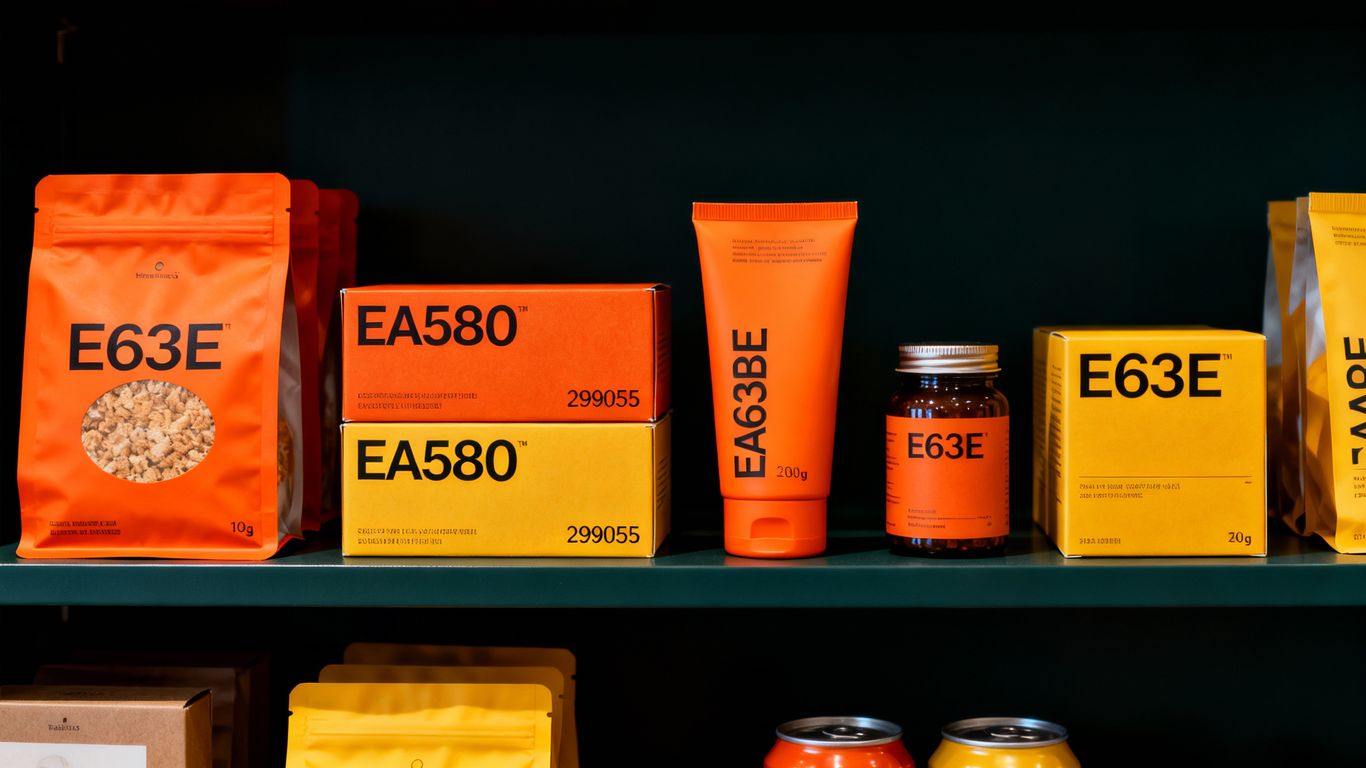
You know, walking through the store can be a bit overwhelming these days. So many choices, right? It turns out, how things are packaged plays a huge role in what we end up grabbing. It's not just about what's inside, but how it looks on the shelf. We're going to look at some of the latest packaging design trends and how they really make people decide to buy something.
Key Takeaways
Packaging design is super important for getting noticed on store shelves. It's often the first thing a shopper sees, and that first look really matters.
Using bright colors, cool graphics, or even just a really clean, simple look can make a product pop out from everything else.
The way a package is shaped or the materials it's made from can also make a big difference. Think unique shapes or eco-friendly stuff.
Making the package easy to use and showing off how fresh or good the product is inside helps people feel good about buying it.
As people care more about the planet, packaging that's good for the environment is becoming a major selling point.
The Psychology Behind Packaging Design Trends
Ever wonder why some products just seem to leap off the shelf while others just sit there? It's not magic, it's psychology. Packaging is way more than just a box or a wrapper; it's the first handshake a product gives a customer, and that first impression can make or break a sale. We're talking about how the look, feel, and even the shape of packaging taps into our brains, influencing what we pick up and why.
Understanding Shelf Appeal and Consumer Psychology
Think about walking down a busy grocery aisle. What catches your eye? It's usually the packaging. This visual pull is a direct result of how design elements play on our subconscious. Colors, fonts, imagery – they all send signals. A bright, bold package might signal energy and excitement, while a muted, earthy tone could suggest natural ingredients or calm. It’s a silent conversation happening between the product and the shopper, and the packaging is doing all the talking.
The Power of First Impressions in Packaging
That initial glance is everything. In the split second it takes for a shopper to notice a product, their brain is already making judgments. Is it trustworthy? Is it high quality? Does it look like something I need? A well-designed package creates an immediate positive association, making the product seem more desirable and worth investigating further. If the packaging looks cheap or confusing, people will likely move on, no matter how good the product inside is.
Building Emotional Connections Through Design
Beyond just looking good, packaging can actually make us feel something. Think about a brand that uses nostalgic imagery or a color palette that reminds you of happy childhood memories. That's not accidental. These design choices are meant to create an emotional link. When a package evokes a positive feeling – be it joy, comfort, or excitement – it builds a connection that goes beyond the transactional. This emotional bond is what can turn a one-time buyer into a loyal fan.
Packaging is the silent salesperson on the shelf. It has to grab attention, communicate value, and create a desire to purchase, all before the customer even touches the product. It's a complex interplay of visual cues and psychological triggers designed to influence decision-making in a crowded marketplace.
Visual Strategies for Impactful Packaging
Think about the last time you were in a grocery store. So many products, right? It’s a lot to take in. Your packaging has to work hard to get noticed. It’s the first handshake you get with a potential customer, and it needs to be a good one.
Leveraging Bold Colors and Graphics
Colors aren't just pretty; they speak a language. A bright, energetic color can make a product pop off the shelf, practically yelling, "Look at me!" On the flip side, a calm, muted tone might suggest natural ingredients or a sense of luxury. Graphics do a similar job. A well-placed illustration or a striking pattern can tell a story or convey a feeling without a single word. It’s about creating an immediate visual hook that stops someone mid-aisle.
Consider how different visual elements can affect perception:
Vibrancy: Bold, contrasting colors often signal excitement or a strong flavor profile.
Imagery: Realistic product shots can highlight freshness, while abstract graphics might convey innovation.
Typography: The font you choose can communicate anything from playful fun to serious sophistication.
The goal is to create a visual identity that’s not just seen, but felt. It’s about making a connection before the consumer even picks up the product.
The Role of Clarity and Product Visibility
While bold visuals grab attention, sometimes what’s inside is the biggest selling point. If your product is naturally appealing – think fresh produce, artisanal baked goods, or colorful candies – letting people see it can be incredibly effective. Transparent windows or even fully clear packaging can build trust and excitement. It’s like saying, "Here’s exactly what you’re getting, and it’s good!"
However, clarity isn't just about seeing the product. It's also about understanding what the product is and what it does. The packaging needs to communicate its purpose quickly and easily. This means clear labeling, straightforward messaging, and a design that doesn't make people guess.
Here’s a quick breakdown of clarity in action:
Immediate Product Identification: Can someone tell what it is from 10 feet away?
Benefit Communication: Does the packaging quickly explain why they need it?
Brand Recognition: Is it clear which brand it belongs to?
Minimalism: Simplicity That Sells
In a world full of visual noise, sometimes less is more. Minimalist packaging strips away the clutter, focusing on essential elements. This often means a clean background, simple typography, and perhaps a single, impactful graphic or logo. This approach can communicate sophistication, purity, or a focus on quality ingredients. It suggests that the product itself is the star, and the packaging is just there to present it elegantly.
Minimalism can be particularly effective for:
Premium or artisanal products
Brands emphasizing natural or organic qualities
Products aiming for a modern, uncluttered aesthetic
It’s a strategy that relies on thoughtful design and high-quality execution. When done right, minimalist packaging can feel incredibly luxurious and trustworthy, making consumers feel they are choosing something special.
Structural and Material Innovations in Packaging
When you're walking down the grocery aisle, it's not just the colors and pictures that grab your attention. The actual shape and feel of the packaging play a huge role too. Companies are getting really creative with how they build their packages, moving beyond the standard box or bottle.
Unique and Custom Packaging Shapes
Think about it: a regular soda can versus a uniquely sculpted bottle that fits perfectly in your hand. That's the power of custom shapes. They make a product instantly recognizable and give it a distinct personality on the shelf. It's like giving your product a signature look that makes it stand out from the crowd. This isn't just about looking different; it can also make the product easier to handle or store.
The Rise of Flexible Packaging Formats
Flexible packaging, like pouches and bags, has really taken off. It's not just for chips anymore. These formats are great because they can be molded into different shapes, often use less material than rigid containers, and can really show off the product inside, especially with clear windows. This adaptability is perfect for brands that want to offer a lot of variety, like different flavors or seasonal items, without needing a whole new set of rigid molds for each one.
Sustainable Materials as a Brand Differentiator
This is a big one. More and more, people are looking at what a package is made of. Using materials that are better for the planet, like recycled paper, biodegradable plastics, or even things made from mushrooms, isn't just good for the environment – it's good for business. Consumers are actively seeking out brands that show they care about sustainability. It's a way to connect with shoppers on a deeper level and show that your brand has values beyond just selling a product. Plus, clear communication about these materials, like using visible recycled content or simple icons, helps people make informed choices.
Packaging is no longer just a container; it's a statement. The materials chosen and the structural design are powerful tools that communicate a brand's commitment to quality, convenience, and environmental responsibility. Innovative packaging can transform a simple purchase into a more engaging and positive experience for the consumer.
Enhancing the Consumer Experience with Packaging

Think about the last time you bought something. Was it just the product itself that made you happy, or did the packaging play a part? Often, it's the whole package, literally. Good packaging does more than just hold the goods; it makes using them a bit nicer, a bit easier, and sometimes, even a little bit special. It's about making that moment of interaction with your product a positive one, right from the shelf to the moment it's gone.
Functional Features for Ease of Use
Let's be real, nobody likes struggling with packaging. When a product is easy to open, reseal, or dispense, it just makes life simpler. Think about a ketchup bottle that finally lets you get the last bit out without a fight, or a cereal box with a clever tab that keeps it fresh. These little touches matter. They show you've thought about the customer's daily life.
Here are a few things that make packaging easier to use:
Easy-open tabs: No more scissors or struggling fingers.
Resealable closures: Keeps products fresh and prevents spills.
Ergonomic shapes: Comfortable to hold and pour from.
Clear measurement markings: Helpful for cooking or mixing.
When packaging works with the consumer, not against them, it builds a quiet kind of trust. It’s a small detail, but it adds up. This kind of thoughtful design can really make a difference in whether someone picks your product again. It's about making the practical part of the purchase feel good, too. This thoughtful approach to packaging design significantly influences purchasing decisions, with brands leveraging behavioral strategies to enhance shelf appeal and drive sales. Effective packaging can capture consumer attention and lead to a substantial increase in real-world sales.
Communicating Freshness and Quality
How do you know if that avocado is ripe or if that bread is still soft? Sometimes, the packaging tells you. Clear windows let you see the product inside, giving you a direct look at its condition. For items like produce or baked goods, this visibility is key. It sets expectations and builds confidence. If you can see it's good, you're more likely to buy it.
Beyond just seeing, the materials and design can hint at quality. A sturdy box for something delicate, or a material that feels premium, can communicate that the product inside is worth the price. It’s a visual and tactile promise of what you’re getting.
The way a product is presented visually, from its color to its texture, can subtly signal its quality and freshness. This direct communication bypasses the need for extensive text and relies on intuitive consumer understanding.
Creating Memorable Unboxing Experiences
Remember that feeling of opening a new gadget or a special gift? The unboxing experience is a big part of the excitement. It's not just about getting the product; it's about the journey to get there. Thoughtful packaging can turn a simple purchase into a mini-event.
This could involve:
A satisfying sound when you open it.
Nicely arranged contents inside.
A small note or surprise element.
Packaging that’s easy to recycle or reuse.
When a brand puts effort into the unboxing, it makes the consumer feel valued. It’s like a little thank you from the company. This positive interaction can make people feel more connected to the brand and more likely to share their experience. It’s a way to build a relationship, one box at a time.
Personalization and Future Packaging Trends
Customized Packaging for Individual Consumers
Think about it, getting something that feels like it was made just for you? That's what custom packaging is all about. It’s not just about slapping a name on a box, though that’s part of it. Brands are getting really good at making products feel special, like they know exactly what you like. This can be anything from a simple "Happy Birthday" note printed on the side to a whole design that matches a specific event you're celebrating. It makes the product feel less like something mass-produced and more like a personal gift. It’s a way to connect with people on a one-on-one level, even when you’re selling to thousands.
Technological Advancements Driving Personalization
It used to be that making custom packaging was a huge hassle and super expensive. But things have changed. Digital printing is a big deal here. It means companies can print small batches of unique designs without breaking the bank. So, if you order something online and want it personalized, it's actually doable now. Plus, companies are getting smarter with data. They can look at what people are buying and what they like, and then use that info to make the packaging even more spot-on. Some brands even let you see what your personalized packaging will look like on their website before you buy, which is pretty neat. It takes the guesswork out of it.
The Influence of Eco-Consciousness on Choices
People are definitely paying more attention to where things come from and how they're made. This means packaging has to be more than just pretty; it needs to be responsible. We're seeing a big push for materials that are better for the planet. Think recycled paper, cardboard, or even stuff made from plants that can break down naturally. It’s not just a trend; it’s becoming a standard expectation. Brands that get this right, and actually show they care about the environment through their packaging, tend to build a stronger connection with their customers. It makes people feel good about their purchase, knowing they're not contributing to a giant waste problem. This shift towards sustainability is reshaping how products are presented on shelves.
Here's a quick look at some eco-friendly materials gaining traction:
Biodegradable Plastics: Often made from things like cornstarch or sugarcane, these can break down over time.
Recycled Paper and Cardboard: Using these cuts down on the need to harvest new trees.
Plant-Based Materials: Innovations include packaging made from mushrooms or other plant fibers, which are often compostable.
Consumers are increasingly looking at packaging not just as a container, but as a statement about a brand's values. If a brand prioritizes sustainability, it often translates into a more positive perception and a greater likelihood of purchase, especially among younger demographics who are particularly vocal about environmental issues. This isn't just about looking good; it's about doing good, and customers are noticing.
Key Packaging Design Trends Driving Sales
In today's busy stores, your product's packaging is like its first handshake with a customer. It needs to do a lot of work, fast. We're talking about those few seconds a shopper glances at a shelf before moving on. Getting the packaging right is a direct way to influence whether someone picks your product or not. It's not just about looking pretty; it's about communicating value and making a connection.
Standing Out in a Crowded Retail Landscape
Think about walking down the snack aisle. So many bags, boxes, and bottles, all vying for your attention. How does one product break through? Often, it's through smart design choices that make it visually distinct. This could be a unique shape that doesn't fit the usual mold, a color that pops against everything else, or even a clever use of texture. The goal is to create something that stops the shopper's scroll, so to speak. Research shows that hundreds of package redesigns have been analyzed, and the findings indicate that design is a significant driver of growth for consumer packaged goods (CPG) companies [342c].
Here are a few ways brands achieve this:
Unconventional Shapes: Moving away from standard rectangular boxes or cylindrical cans can immediately make a product noticeable.
Bold Color Palettes: Using colors that contrast sharply with competitors or align with a specific emotional appeal can draw the eye.
Distinctive Typography: A unique font or a clever arrangement of text can make a brand's name or key message memorable.
Interactive Elements: Sometimes, a small detail like a pull-tab or a unique opening mechanism can add an element of surprise and delight.
The retail environment is a constant battle for attention. Packaging that is designed with shelf presence in mind, considering how it will appear from different angles and alongside competing products, has a much higher chance of being noticed and chosen.
Communicating Brand Values at a Glance
Shoppers today want to know what a brand stands for, and they want that information quickly. Packaging is the perfect place to convey these values. If your brand is all about being eco-friendly, the packaging should show that. This might mean using recycled materials that have a visible texture or printing with soy-based inks. If your brand is about fun and playfulness, the design might use bright, energetic graphics and a more casual tone. It’s about making sure the look and feel of the package align with what the brand promises.
Sustainability Cues: Visible recycled content, minimalist designs that use less material, or clear recycling instructions.
Ingredient Transparency: Using clear windows to show the product, or simple graphics that highlight key natural ingredients.
Brand Personality: Employing specific color schemes, imagery, or language that reflects the brand's character – whether it's sophisticated, playful, or trustworthy.
The Direct Impact of Design on Purchase Decisions
Ultimately, all these design elements come together to influence a purchase. When a package is visually appealing, clearly communicates what the product is and what it stands for, and stands out from the competition, it significantly increases the likelihood of being selected. It’s a silent salesperson working on the shelf. A well-designed package can justify a higher price point by making the product look more premium and can even encourage impulse buys because it simply looks too good to pass up. It’s a powerful tool that, when used effectively, can directly boost sales figures.
So, What's the Takeaway?
Look, it’s pretty clear that how a product is packaged really matters. It’s not just about keeping things safe until they get home; it’s the first handshake, the quick hello that can make or break a sale. We’ve talked about how colors, shapes, and even what the package is made of all play a part in grabbing someone’s eye and making them think, 'Yeah, I want that.' In the end, good packaging is like a silent salesperson, working hard on the shelf to tell your brand’s story and get people to choose you over everyone else. Getting it right means paying attention to the details, knowing who you’re talking to, and making sure your package looks good and does its job.
Frequently Asked Questions
Why is packaging design so important for selling products?
Think of packaging as the first hello a product gives to a shopper. It's like the cover of a book – it needs to look interesting enough to make someone want to learn more. Good packaging grabs attention on a busy store shelf, tells people what the product is about, and can even make them feel a certain way about the brand. Studies show that how a product is packaged really does make people decide whether to buy it or not.
How do colors and pictures on packaging affect what people buy?
Colors and graphics are like a product's voice. Bright, bold colors can make a product pop out and seem exciting. Certain colors can also make people feel happy, calm, or even hungry. Cool pictures and designs can make a product look more appealing and help shoppers remember it later. It's all about catching the eye and making a good first impression really fast.
What does 'minimalist' packaging mean, and why is it popular?
Minimalist packaging is all about keeping things simple. It uses clean lines, not too many colors, and avoids clutter. This makes the product itself and the brand name easy to see and understand. It looks modern and clean, and it helps the important information stand out without being confusing. It's like saying more with less.
How can the shape and materials of packaging help a product sell better?
Packaging that has a unique shape or is made from interesting materials can make a product stand out from others that look the same. For example, a package that's easy to hold or open makes shopping more convenient. Using eco-friendly materials, like recycled paper or plant-based plastics, shows that the brand cares about the environment, which is important to many shoppers today.
What is 'unboxing experience,' and why does it matter?
The 'unboxing experience' is how someone feels when they open a product for the first time. It's about more than just getting the item out. Special touches, like nice wrapping, a thank-you note, or packaging that's fun to open, can make the whole experience feel special and exciting. This makes people remember the brand positively and feel more connected to it.
Can packaging be made just for me, and what are future trends?
Yes, some companies are starting to make packaging that's specially designed for individual customers, maybe with their name on it or tailored to their interests. In the future, we'll likely see even more of this. Also, making packaging that's good for the planet, like using less plastic or materials that can be reused, will become even more important as people care more about the environment.