
Carlos Courtney
Political Ads
How to Use Political Ads to Drive Volunteer Sign-Ups (Best Creative + Targeting Stack)
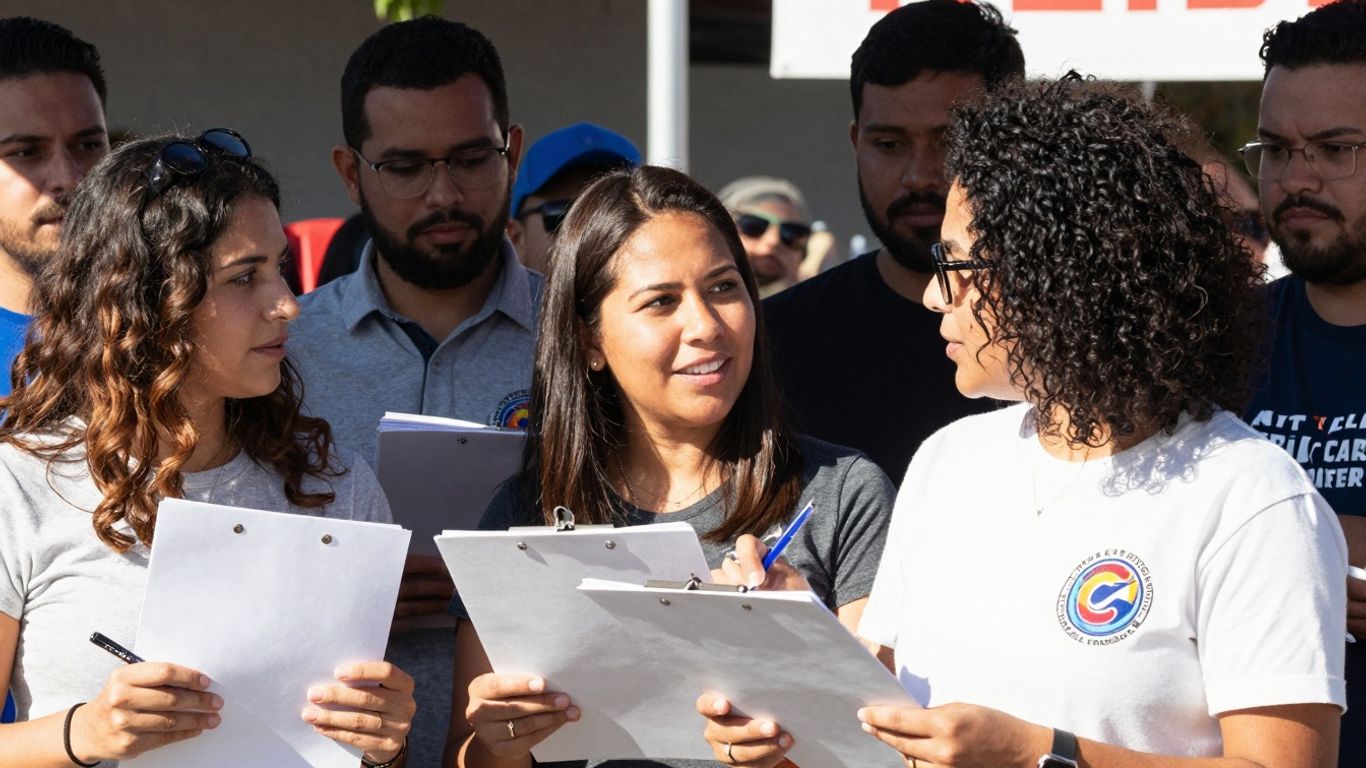
Getting people to volunteer for a political campaign can feel like a puzzle. You want folks who are passionate about the cause and willing to give their time. While traditional methods have their place, using political ads, especially digital ones, can really boost your volunteer sign-ups. It's about reaching the right people with the right message at the right time. This guide will walk you through how to make that happen, from setting clear goals to picking the best ad strategies and creative ideas for political ads volunteer recruitment.
Key Takeaways
Clearly define what you want volunteers to do and set measurable goals for sign-ups. Understand why people volunteer and make your call to action obvious.
Use digital ads to find potential volunteers. Think about who you're trying to reach and use different online platforms to get your message out. Keep an eye on how your ads are doing and make changes as needed.
Make your ads stand out. Show how volunteering locally makes a difference, share success stories from others, and design ads that look good and build trust.
Connect your online ads with any offline efforts, like events or mailers. Make sure your campaign looks and sounds the same everywhere people see it.
Track how well your ads are working. Use special links or codes to see which ads bring in the most volunteers and use that information to improve your future campaigns.
Defining Your Volunteer Recruitment Objectives
Before you even think about placing an ad, you need to know what you're trying to achieve. It sounds obvious, right? But seriously, have you sat down and figured out the specifics? Just saying "we need more volunteers" isn't going to cut it. You need clear, measurable goals. Think about it: what exactly does "more" mean? Is it a specific number of new volunteers per week? Or maybe a certain number of hours filled for a particular event?
Setting Measurable Volunteer Goals
Let's get down to brass tacks. What are you aiming for? Having concrete goals helps you track progress and know if your ad campaigns are actually working. It's not just about getting bodies in seats; it's about getting the right people who will stick around and make a difference. A good volunteer management strategy really hinges on this.
Here are some examples to get you thinking:
Increase weekly volunteer sign-ups by 15% over the next quarter.
Recruit 20 new volunteers for the "Community Garden Project" by the end of the month.
Fill 90% of all available shifts for the upcoming "Annual Charity Run" event.
Understanding Motivations for Volunteer Engagement
Why do people volunteer in the first place? It's rarely just for fun, though that can be a part of it. People want to feel like they're making a difference, learn new skills, meet new people, or support a cause they believe in. Understanding these motivations is key to crafting ads that actually speak to potential volunteers. What's in it for them? What problem are you solving in their lives by offering this opportunity?
Consider these common drivers:
Desire to contribute to a cause they care about.
Opportunity to gain experience or learn new skills.
Social connection and meeting like-minded individuals.
Feeling a sense of purpose and community involvement.
People often volunteer because they want to connect with something bigger than themselves. They're looking for a way to give back, to feel useful, and to be part of a community that shares their values. Your ads should tap into these deeper needs.
Crafting a Clear Volunteer Call to Action
Once you know your goals and understand your audience, you need to tell people exactly what you want them to do. This is your call to action (CTA). It needs to be super clear and easy to follow. Don't make people guess. Are they supposed to click a link? Fill out a form? Call a number? Make it obvious and direct. A muddled CTA is a sure way to lose potential volunteers before they even start. You want to drive people to sign up for volunteer opportunities that align with your mission.
Leveraging Digital Advertising for Volunteer Sign-Ups
So, you've got your volunteer goals sorted and your message is ready to go. Now, how do you actually get people to see it and sign up? That's where digital advertising comes in. It's not just about throwing ads out there; it's about being smart with where and how you show them.
Strategic Targeting of Potential Volunteers
Think about who you want to volunteer. Are they students looking for experience? Retirees with free time? People passionate about a specific cause? Digital ads let you get pretty specific. You can target people based on their interests, demographics, online behavior, and even where they live. For instance, if you're recruiting for a local park cleanup, you'd want to show ads to people in that specific town or neighborhood. This makes your ad spend go further because you're not showing your ad to folks who are unlikely to be interested.
Demographics: Age, location, income level, education.
Interests: Hobbies, causes they follow, pages they like.
Behaviors: Online shopping habits, device usage, past interactions with similar organizations.
Custom Audiences: Uploading your existing supporter list to find similar people online.
Targeting is like aiming a spotlight instead of using a floodlight. You get the right people's attention without wasting energy on those who aren't a good fit. This focused approach is key to getting more sign-ups.
Multi-Channel Advertising Approaches
Don't put all your eggs in one basket. People spend time on different platforms, so you need to be there too. A multi-channel strategy means using a mix of advertising types to reach people at different points in their online journey. This could include:
Social Media Ads: Great for reaching broad audiences and engaging with visually appealing content. Think Facebook, Instagram, or even LinkedIn depending on your target volunteer.
Search Engine Marketing (SEM): Capturing people who are actively searching for volunteer opportunities. When someone types "volunteer opportunities near me," you want your ad to show up.
Display Ads: Banner ads on websites people visit. These are good for building awareness and can be used to retarget people who have already shown interest.
Video Ads: Engaging short videos can tell a powerful story and connect emotionally with potential volunteers.
Using a combination of these channels helps you reach more people and reinforce your message. For example, someone might see a display ad, then later search for your organization on Google, and finally see a social media ad. Each touchpoint increases the chance they'll sign up. This approach is key to promoting your volunteer sign-up opportunities and reaching more potential supporters [f1fa].
Optimizing Ad Performance with Real-Time Data
Once your ads are running, the work isn't over. You need to watch how they're doing and make changes. This is where real-time data comes in. Most advertising platforms give you reports on things like:
Click-Through Rate (CTR): How many people clicked your ad after seeing it.
Conversion Rate: How many people who clicked actually signed up to volunteer.
Cost Per Acquisition (CPA): How much it costs you to get one volunteer sign-up.
Metric | Performance | Notes |
|---|---|---|
CTR | 2.5% | Above industry average for this platform. |
Volunteer Sign-Ups | 150 | Target met for the first week. |
Cost Per Sign-Up | $12.00 | Needs to be reduced by 10% next week. |
If one ad is getting a lot of clicks but no sign-ups, maybe the landing page needs work. If another ad has a low CTR, perhaps the creative or targeting isn't quite right. By looking at the data regularly, you can tweak your ads, adjust your bids, and shift your budget to the best-performing campaigns. This constant refinement helps you get the most volunteers for your budget.
Creative Strategies for Compelling Volunteer Ads

When you're trying to get people to sign up as volunteers, your ads need to do more than just state the facts. They need to grab attention and make a connection. Think about what makes someone want to give their time – it's usually about making a difference, being part of something, or learning new skills. Your ads should speak to those desires.
Highlighting Local Relevance and Impact
People are more likely to volunteer for causes that directly affect their community. Show them how their time will make a tangible difference right where they live. Instead of saying "Help us fight poverty," try "Help feed families in your neighborhood this winter." Use specific examples and local landmarks if possible. This makes the cause feel real and immediate.
Show, don't just tell: Use visuals or stories that depict the local impact.
Mention specific neighborhoods or towns: If your campaign has a local focus, name the areas you serve.
Connect to local events or issues: Tie your volunteer needs to current happenings in the community.
Showcasing Past Achievements and Testimonials
Nothing builds trust like proof that your organization gets things done. Share stories of successful projects or positive changes you've made. Even better, let your current volunteers or beneficiaries speak for themselves. A short video clip or a quote from someone who has benefited from your work, or who has had a great experience volunteering, can be incredibly persuasive. It shows potential volunteers that they'll be joining a successful and impactful team.
People want to know their efforts matter. Seeing concrete results and hearing from real people who are already involved can be the deciding factor for someone considering volunteering.
Designing Eye-Catching and Trustworthy Ads
Your ad's appearance matters. It needs to stand out in a crowded digital space, but also look professional and legitimate. Use clear, easy-to-read fonts and a color scheme that matches your organization's branding. Avoid cluttered designs. A clean, professional look builds confidence. If you're using images, make sure they are high-quality and relevant to your mission. A call to action should be prominent and unambiguous, telling people exactly what to do next, like "Sign Up to Volunteer Today" or "Learn More & Get Involved."
Here's a quick checklist for ad design:
Clear Headline: Immediately state the purpose (e.g., "Volunteer for Our Community Garden").
Compelling Visual: Use an image or short video that evokes emotion or shows action.
Concise Copy: Briefly explain the need and the impact.
Strong Call to Action: Make it obvious how to sign up.
Trust Signals: Include your logo and perhaps a link to your website.
Integrating Online and Offline Volunteer Recruitment
Think about it: you're running ads online, getting people excited about volunteering. That's great! But what happens when someone sees your ad on their phone while they're out and about, maybe at a coffee shop? They might not be ready to sign up right then and there. This is where making sure your online efforts connect with what people see and do in their local communities becomes super important. You want your digital ads to feel like a natural extension of real-world opportunities.
Aligning Digital Ads with Traditional Outreach
It's easy to get caught up in the digital world, but don't forget about the folks who might not be as active online, or who prefer a more hands-on approach. Your online ads should point people towards local events or meetings where they can learn more and sign up in person. Imagine someone sees an ad for a park cleanup this weekend. The ad should mention the exact time and location, and maybe even a contact person they can reach out to if they have questions before the event. This bridges the gap between seeing an ad and actually showing up.
Event Promotion: If you're advertising a volunteer drive online, make sure the details match what's on any flyers or posters you put up around town.
Community Events: Use online ads to promote local meet-and-greets or information sessions. People can then come, ask questions, and sign up on the spot.
Local Media: Consider if your online ad campaign can be supported by local radio spots or newspaper announcements that mention the same volunteer opportunities.
Consistent Branding Across All Platforms
When someone sees your organization's name or logo, they should immediately know it's you, whether it's on a Facebook ad or a flyer at the library. This consistency builds trust and makes your message stick. If your online ads use a certain color scheme and tone, try to keep that same feel in any physical materials you distribute. It makes your campaign look more professional and organized.
The goal here is to create a unified experience for potential volunteers. They shouldn't feel like they're dealing with two different organizations when they interact with you online versus offline. Everything should feel connected and familiar.
Cross-Promoting Channels for Maximum Reach
Don't keep your online and offline efforts in separate boxes. Use each to boost the other. For example, at your in-person volunteer events, have a clear call to action for people to follow your social media pages or sign up for your email list. This way, you can keep them engaged even after the event is over. Conversely, your online ads can encourage people to share information about upcoming events with their friends and family, turning your digital reach into real-world word-of-mouth.
Here’s a quick look at how you can cross-promote:
Website: Make sure your website clearly lists upcoming offline events and has prominent links to your social media. Also, include a way for people to sign up to volunteer online.
Social Media: Post photos and updates from your in-person volunteer activities. Encourage followers to share your posts and invite their friends to join.
Email: Send out newsletters that highlight both online volunteer opportunities and upcoming local events. Include clear sign-up links for both.
Physical Materials: Add QR codes to flyers and posters that link directly to your online volunteer sign-up page or social media profiles. This makes it super easy for people to connect digitally after seeing your physical materials.
Measuring the Effectiveness of Volunteer Recruitment Ads
So, you've put out some ads to get volunteers, which is great. But how do you know if they're actually working? It's not enough to just spend money on ads and hope for the best. You've got to track what's happening.
Utilizing Unique URLs and Tracking Codes
One of the simplest ways to see where your volunteers are coming from is by using unique links for each ad campaign. Think of it like giving each ad its own special address. When someone clicks that link and signs up, you know exactly which ad brought them in. This is super helpful for figuring out which ads are hitting the mark and which ones are just kind of… there. You can also use tracking codes, often called UTM parameters, which get added to the end of your links. These codes give you even more detail, like which specific platform or even which keyword led someone to sign up. It’s like having a detective for your ads.
Analyzing Volunteer Sign-Up Data
Once you're collecting all this information, you need to look at it. What does it all mean? You'll want to see things like:
Cost Per Volunteer: How much did you spend on ads to get one person to sign up?
Conversion Rate: What percentage of people who saw your ad actually became a volunteer?
Source of Volunteers: Which ad platforms or campaigns brought in the most sign-ups?
Looking at this data helps you understand the return on investment for your advertising efforts. For example, if one ad costs a lot but only brings in a couple of volunteers, while another costs less and brings in a dozen, you know where to put more of your energy and budget. It’s about making smart choices based on what the numbers tell you.
It's easy to get lost in the numbers, but remember that each sign-up represents a person who wants to help. While data is important for optimizing your campaigns, don't forget the human element behind the clicks and conversions. Keep your messaging authentic and focused on the impact volunteers can make.
Adapting Strategies Based on Performance Metrics
This is where the real magic happens. You've got your goals, you're tracking everything, and you're looking at the data. Now, you need to act on it. If you see that ads on Facebook are bringing in tons of sign-ups, maybe it's time to put more money there. If your ads on a certain website aren't doing much, you might want to pause them or try a different approach on that site. This constant tweaking and adjusting based on what's working and what's not is how you get better results over time. It’s not a set-it-and-forget-it kind of thing; it’s an ongoing process. This kind of data-driven approach is key to making sure your volunteer recruitment efforts are as effective as possible, much like how organizations work to recruit participants for studies.
Building a Robust Campaign Tech Stack for Volunteers

So, you've got your volunteer recruitment strategy down, and the ads are starting to roll out. That's great! But how do you actually manage all those sign-ups and keep your volunteers engaged without losing your mind? This is where your campaign's tech stack comes into play. Think of it as the engine room of your volunteer operations – it needs to be solid, reliable, and work well together.
Essential Software for Volunteer Management
At its core, you need a system to handle volunteer information. This isn't just a fancy spreadsheet anymore. You're looking for software that can track volunteer details, manage their availability, assign tasks, and communicate with them effectively. Some platforms are built specifically for volunteer coordination, while others might be part of a larger CRM system. The key is that it should make your life easier, not add more work.
Volunteer Database: A central place to store contact info, skills, interests, and availability.
Scheduling Tools: To easily create shifts and allow volunteers to sign up for them.
Communication Features: In-app messaging, email integration, or SMS capabilities to keep everyone in the loop.
Task Management: Assigning specific jobs and tracking their completion.
Integrating CRM and Communication Tools
Your volunteer management system shouldn't live in a silo. It needs to talk to your other campaign tools, especially your Customer Relationship Management (CRM) software. If you're tracking donors and potential voters in a CRM, you'll want to link volunteer data to those profiles. This helps you see the bigger picture – who are your most engaged supporters? Are your volunteers also donors? This kind of integration is where a no-code marketing stack can really shine, automating connections between different platforms.
Communication is another big piece. You'll likely be using email and maybe SMS for outreach. Your tech stack should allow you to segment your volunteer lists and send targeted messages. Imagine sending a specific call for volunteers for an event happening in their neighborhood, or a thank-you message to those who helped out last weekend. This level of personalization makes volunteers feel valued and more likely to stick around.
Leveraging Analytics for Data-Driven Decisions
This is where things get really interesting. Your tech stack should provide data on volunteer activity. How many people signed up? Who showed up for shifts? What tasks were completed? Analyzing this information helps you understand what's working and what's not. Are certain recruitment channels bringing in more committed volunteers? Are there particular roles that are hard to fill?
The goal is to move beyond just counting heads. You want to understand the quality of your volunteer engagement. Are they showing up consistently? Are they taking on more responsibility? This data isn't just for reporting; it's your roadmap for improving your volunteer program.
Here’s a quick look at what kind of data you might track:
Metric | What it Tells You |
|---|---|
Sign-up Rate | How many people respond to your recruitment ads. |
Attendance Rate | How many signed-up volunteers actually show up. |
Volunteer Hours Logged | Total time contributed by your volunteers. |
Task Completion Rate | How effectively tasks assigned to volunteers are done. |
Retention Rate | How many volunteers continue to participate over time. |
By consistently reviewing these metrics, you can tweak your recruitment messages, adjust your volunteer roles, and ultimately build a stronger, more effective volunteer team. It’s all about making smart choices based on what the data tells you, not just guessing.
Putting It All Together
So, we've gone over how to really make political ads work for getting volunteers. It's not just about throwing money at ads and hoping for the best. You need to think about who you're talking to, what you're saying, and where you're saying it. Mixing up your approach, like using digital ads alongside maybe some direct mail or even local radio, can reach more people. And remember, people respond to real stories and clear calls to action. By paying attention to the details, testing what works, and keeping your message consistent across different platforms, you can build a stronger team and get more people involved in your campaign. It takes work, but seeing those sign-up numbers climb makes it all worth it.
Frequently Asked Questions
Why should political campaigns use ads to find volunteers?
Political campaigns need lots of people to help out, like handing out flyers or making calls. Ads can reach many potential helpers who might not know about the campaign. It's a great way to get more hands on deck to make the campaign successful.
What's the best way to get people to sign up as volunteers through ads?
Make your ads clear about what you need volunteers to do and why it's important. Show how their help makes a real difference in the community or for the candidate. Also, make it super easy for them to sign up, like with a simple click or a quick form.
How do I know if my volunteer ads are working?
You can track how many people click on your ads and then sign up to volunteer. Using special links or codes in your ads helps you see exactly which ads are bringing in the most helpers. This way, you know what's working and what's not.
Should I use different kinds of ads to find volunteers?
Yes, using different types of ads is a smart move. You can try ads on social media, websites, or even videos. This way, you can reach different groups of people who might be more likely to see and respond to certain kinds of ads.
How can I make my volunteer ads stand out from others?
Show real people helping out and talk about the good things the campaign has already done. Use pictures or short videos that feel genuine and trustworthy. Make sure your ad looks professional and clearly tells people what you want them to do.
What kind of information do I need to target the right people for volunteer ads?
You'll want to think about who might be interested in helping. Are they people who live in a certain area? Do they care about specific issues the campaign is focused on? Using information about demographics and interests helps you show your ads to the people most likely to volunteer.