
Carlos Courtney
Political Ads
How to Run Geo-Fenced Political Ads Around Early Voting Locations
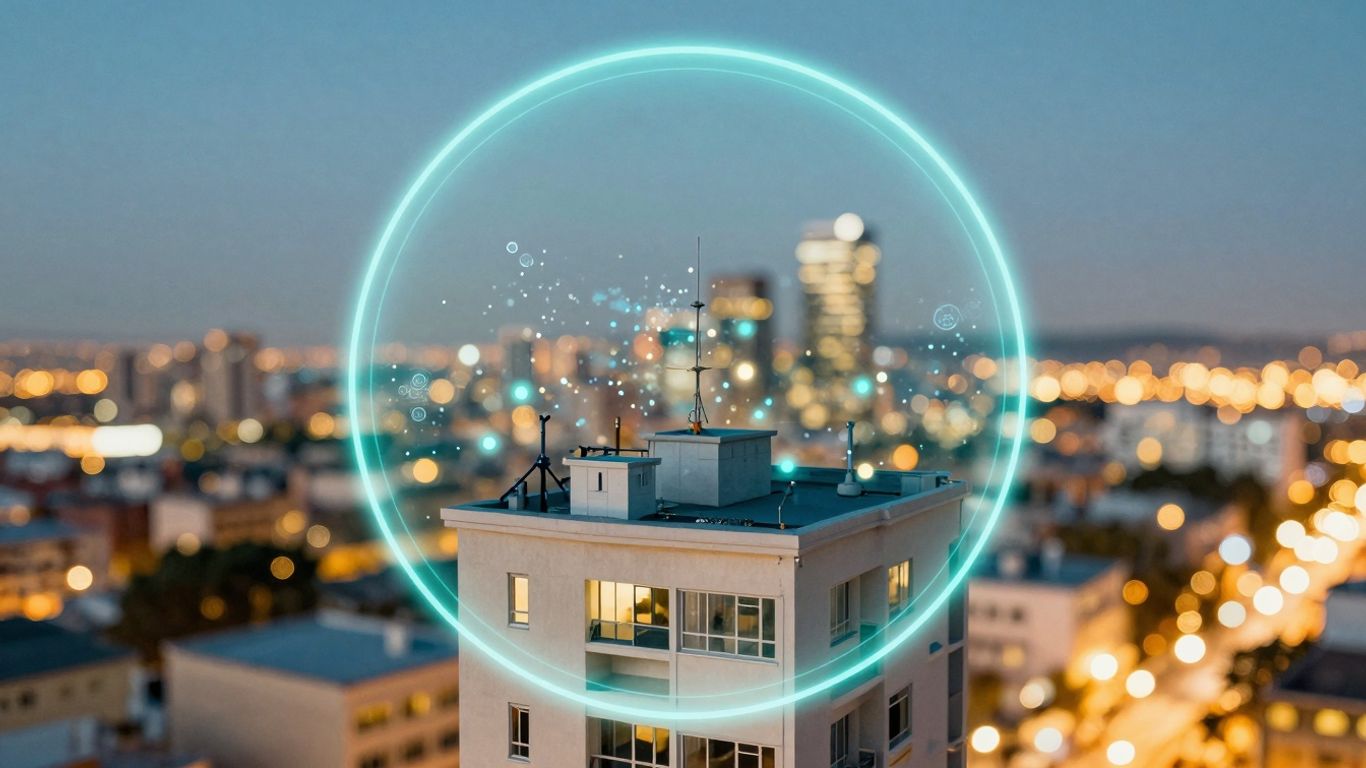
Running political ads can feel like throwing darts in the dark sometimes. You want your message to reach the right people, but how do you make sure it actually does? That's where something called geo-fencing comes in. Think of it as drawing a virtual fence around a specific area. When someone with a smartphone enters that fence, your ad can pop up. It sounds simple, but when you're trying to get voters to the polls, especially around places like early voting sites, it can be a really smart move. We'll break down how to use these political geo-fenced ads to your advantage.
Key Takeaways
Political geo-fenced ads let you target voters with your message when they are physically near specific locations, like early voting sites or campaign events.
Planning is key: know who you want to reach and where they are, then create ads that fit the moment.
Use geo-fencing to remind people to vote, especially during early voting periods and on Election Day, to boost turnout.
You can also use these ads to target specific groups or even counter what your opponents are doing.
Always check the rules about privacy and make sure your ads clearly say who paid for them.
Understanding Political Geo-Fencing

So, what exactly is this "geo-fencing" thing we keep hearing about in political campaigns? Think of it like drawing an invisible fence around a specific area on a map. When someone's smartphone enters that fenced-off zone, it can trigger a digital ad to pop up on their screen. It's a pretty neat way to get your message directly in front of people who are physically in a place that matters for your campaign. Location is power in politics, and geo-fencing lets you tap into that power like never before.
Defining Geo-Fencing for Political Campaigns
At its core, geo-fencing uses technology like GPS, Wi-Fi signals, or cellular data to create these virtual boundaries. For political campaigns, this means you can target voters not just by who they are, but by where they are. Imagine being able to serve an ad to every person who walks into a specific polling location, a candidate's rally, or even a community center where voters tend to gather. It's about precision targeting, making sure your ad spend is focused on reaching the right people at the most opportune moments. This is different from other location-based tactics, like geoframing, which focuses on past locations rather than current ones.
Key Benefits of Geo-Fencing for Voter Engagement
Why bother with geo-fencing? Well, it offers some pretty significant advantages for engaging voters:
Hyperlocal Targeting: You can get super specific, targeting down to individual neighborhoods or even a single building. This is great for focusing resources on those crucial swing precincts.
Real-Time Relevance: Serving ads to voters while they're at a relevant location—like an early voting site—makes the message feel more immediate and important.
Competitive Edge: You can even geo-fence opponent events and deliver your own message right when people are thinking about the other side.
Measurable Impact: You can track who saw your ads and, in some cases, even see if they later visited a polling place or attended an event.
Common Use Cases for Political Geo-Fencing
Geo-fencing isn't just a one-trick pony. Campaigns are using it in a bunch of smart ways:
Voter Persuasion: Targeting voters in swing precincts with messages about the candidate's stance on key issues.
Get Out The Vote (GOTV): Reminding people to vote at early voting sites or on Election Day itself.
Event Amplification: Reaching people who attended a rally or town hall with follow-up information or donation appeals.
Opposition Targeting: Delivering contrast messaging or fact-checks when voters are near a competitor's event.
Geo-fencing allows campaigns to move beyond broad demographic targeting and connect with voters based on their physical presence. This creates opportunities for highly relevant and timely communication that can significantly influence voter behavior and turnout, especially in competitive races where every vote counts.
Strategic Planning for Geo-Fenced Ad Campaigns
Okay, so you've got your geo-fencing idea, but how do you actually make it work for a political campaign? It's not just about drawing a circle on a map. You need a solid plan. This means really digging into who you're trying to reach and when they're most likely to pay attention. Think of it like planning a route for a road trip – you need to know your destination, the best roads to take, and when to stop for gas.
Defining Geographic Targets with Voter Data
This is where the real groundwork happens. You can't just guess where your voters are. You need data. Voter files are your best friend here. Look at past voting history, turnout rates, and even demographic information if you have it. Break down your target areas into smaller chunks, like precincts or even specific neighborhoods. This helps you focus your ad spend where it'll have the most impact. Imagine you're trying to get people to vote early in a specific town. You'd want to know which parts of that town have historically had lower early voting numbers, or maybe areas where your candidate is less known. That's where you'd concentrate your efforts.
Here’s a quick look at how you might break down your targets:
Target Area Type | Data Points to Consider | Why It Matters |
|---|---|---|
Precincts | Past turnout, voter registration | Identifies areas with potential for growth or strong support |
Neighborhoods | Demographics, local issues | Allows for tailored messaging based on community concerns |
Specific Buildings | Event attendance, community hubs | Useful for targeting specific events or gathering places |
Designing Timely and Relevant Ad Creative
Once you know where you're targeting, you need to think about what you're saying and when. Your ads need to make sense for the location and the time. If you're targeting people near an early voting site, your ad should probably remind them about voting hours or deadlines. If you're near a community center, maybe you focus on a local issue that affects that community. The message needs to feel like it belongs there. Short, punchy videos or clear graphics work best on mobile. And always, always include a clear call to action – tell people exactly what you want them to do, like "Vote Today" or "Find Your Polling Place."
Think about the user's context. Someone walking out of a polling place might not want a long, complicated ad. They might just need a quick reminder or a thank you. Conversely, someone attending a town hall might be more receptive to detailed policy information.
Optimizing Ad Delivery Timing for Key Events
Timing is everything, right? With geo-fencing, you can be super precise. You don't want to blast ads about Election Day when early voting just opened. Align your ad delivery with the actual voting periods. This means planning for early voting windows, mail-in ballot deadlines, and of course, Election Day itself. You might run ads more frequently in the final week or two leading up to an election, when people are making their final decisions. It’s about hitting them with the right message at the moment they are most likely to act on it. Consider running ads a few days before a major event, during the event, and immediately after to capture different stages of engagement.
Leveraging Geo-Fencing for Voter Turnout
Okay, so you've got your campaign message ready, and you know who you want to reach. Now, how do you actually get people to the polls, especially when every vote counts? This is where geo-fencing really shines. It's not just about showing ads; it's about nudging people at the right moment, in the right place, to take that final step and cast their ballot.
Geo-Fencing Early Voting Sites
Early voting is a big deal. It spreads out the voting process, and campaigns can use geo-fencing to make sure people take advantage of it. Imagine setting up a virtual fence around every early voting location in your target areas. When a potential voter walks or drives by, or even enters the building, their phone can get an ad. This ad could be a simple reminder: "Don't forget, early voting is open! Find your nearest location here." Or it could highlight a specific reason to vote early, like avoiding long lines on Election Day.
Remind voters about early voting deadlines.
Provide easy access to polling place information.
Encourage voting before Election Day to secure their vote.
This kind of timely message, delivered right when someone is near a place to vote, can make a real difference. It cuts through the noise and speaks directly to their immediate opportunity to participate.
Targeting Community Centers and Gathering Places
Beyond just the polling places themselves, think about where people in your community naturally gather. This could be community centers, libraries, popular local parks, or even specific places of worship. By geo-fencing these spots, you can reach voters in a more relaxed, community-focused setting. The ads here might be less about a direct call to action and more about building a connection. You could share positive messages about the candidate's vision for the community, highlight local endorsements, or simply remind people that their voice matters.
Reaching voters where they are already engaged in community life can build trust and reinforce campaign messages in a less overtly political context. It's about showing up where people live their lives.
Driving Turnout on Election Day
Election Day is the grand finale, and geo-fencing can still play a critical role. You can set up geo-fences around polling locations that might be seeing lower turnout than expected, or target areas with historically lower participation rates. The ads here need to be direct and urgent: "Polls are closing soon! Make your voice heard." You can also use geo-fencing to target people who have shown interest but haven't voted yet, perhaps by retargeting them with ads if they've previously visited your campaign website or engaged with your social media.
Here’s a quick look at how you might structure Election Day efforts:
Morning Push: Target commuters with ads reminding them to vote on their way to work.
Midday Reminder: Reach people during lunch breaks with messages about polling hours and locations.
Final Hours Blitz: Focus on high-potential areas in the last few hours before polls close, with strong calls to action.
The goal is to make voting as easy and top-of-mind as possible for every eligible voter. By strategically placing ads around these key locations and times, you're not just advertising; you're actively participating in the democratic process by helping to turn out the voters you need.
Advanced Geo-Fencing Tactics
So, you've got the basics of geo-fencing down. You know how to set up virtual fences around places and get ads in front of people. But what if you want to get a little more strategic, a little more... advanced? This is where things get really interesting for campaigns looking to make a big impact.
Opposition Targeting with Geo-Fenced Ads
Ever thought about turning your opponent's own events against them? You can actually geofence areas around their rallies, town halls, or even their campaign headquarters. When people are there, perhaps feeling inspired by the speaker, they could suddenly see your ads. This is a prime opportunity for contrast messaging. You can highlight policy differences, point out voting records, or simply remind voters of your candidate's strengths. It's about being present when voters are most engaged with the opposition.
Here’s a quick look at how this might play out:
Event Type | Geofenced Location | Ad Focus |
|---|---|---|
Rival Rally | Within 500 feet of venue | Contrast messaging, fact-checks |
Opponent Town Hall | Near community center | Issue comparison, candidate strengths |
Campaign HQ | Adjacent streets/parking | Voter registration reminders, turnout push |
Engaging Specific Demographic Groups
Geo-fencing isn't just about where people are, but who they are. By combining location data with voter file information, you can target specific demographics. Think about geofencing around places important to particular communities, like churches, cultural centers, or specific neighborhood hubs. The messaging can then be tailored to be culturally relevant and address issues that matter most to that group. For instance, you might target Hispanic voters near community events with messages about immigration policy or economic opportunity.
Culturally Relevant Messaging: Ads that speak directly to the values and concerns of a specific demographic.
Issue-Specific Targeting: Focusing on issues that are known to motivate particular groups.
Community Hubs: Identifying and targeting locations where specific demographics congregate.
It's not enough to just show an ad. The real power comes from showing the right ad to the right person at the right time, especially when they are in a place that signifies their community or their political engagement.
Integrating Geo-Fencing with Broader Digital Strategies
Geo-fencing works best when it's part of a bigger plan. Think of it as a powerful tool that feeds into your overall digital advertising efforts. Once you've identified and served ads to people within a specific geofenced area, you can take that audience data and use it elsewhere. You can retarget them on social media platforms like Facebook or Instagram, serve them ads on streaming services (OTT), or even use that data to build lookalike audiences. This multi-channel approach ensures that voters see your message multiple times across different platforms, reinforcing your campaign's presence and increasing the likelihood of action. It’s about creating a consistent and persistent message that follows voters throughout their digital journey.
Platforms and Partners for Geo-Fencing
When you're ready to get serious about geo-fencing for your political campaign, you'll need the right tools and people to make it happen. It's not just about drawing a circle on a map; it's about connecting with voters in a really specific way. Luckily, there are platforms out there that specialize in this, and some partners who really know the political ad game.
Top Platforms for Political Geo-Fencing
Several companies offer robust geo-fencing capabilities. They often provide the technology to define your target areas, serve ads, and sometimes even measure the results. Think of them as the engine behind your location-based ads.
Here are a few types of platforms you might encounter:
Ad Tech Platforms: These are the big players that offer broad digital advertising solutions, including geo-fencing. They often have extensive networks for ad delivery.
Location Data Specialists: Some companies focus specifically on collecting and activating location data. They might have more precise insights into consumer movement.
Political Data Providers: These firms often integrate geo-fencing tools with their voter data, allowing for highly targeted campaigns based on who voters are and where they are.
It's important to look at what each platform offers. Some are better at drawing complex shapes (like custom polygons around specific buildings), while others excel at measuring if people actually showed up somewhere after seeing an ad.
Choosing the Right Partner for Your Campaign
Finding the right partner is almost as important as picking the right platform. You want someone who understands the nuances of political advertising and how geo-fencing fits into the bigger picture. They should be able to guide you on strategy, creative, and timing.
Consider these factors when selecting a partner:
Political Experience: Have they worked on campaigns before? Do they understand voter turnout goals and persuasion tactics?
Technical Capabilities: Can they handle the specific geo-fencing needs of your campaign, like targeting very small areas or integrating with your existing voter data?
Measurement & Reporting: How will they show you the impact of your ad spend? Look for partners who can connect ad exposure to real-world actions.
Transparency: Are they upfront about their data sources, targeting methods, and pricing?
A good partner won't just sell you a service; they'll act as an extension of your campaign team, offering strategic advice and adapting to the fast-paced nature of political cycles. They should be able to explain complex technical details in simple terms.
Understanding Platform Strengths
Not all platforms are created equal, and knowing their strengths can help you make a smarter choice. Some platforms are known for their advanced targeting options, allowing you to create very specific geographic zones. Others might be better at reaching a wide audience across many apps and websites.
Here's a quick look at what different platforms might offer:
Platform Type | Key Strength |
|---|---|
Ad Networks | Wide reach, diverse inventory |
Data Platforms | Granular location insights, audience accuracy |
Political Specialists | Campaign-specific strategies, voter data integration |
When you're evaluating options, ask specific questions about how they handle things like:
Polygon Mapping: Can they draw custom shapes around specific locations, not just simple circles?
Device Targeting: Are they able to target mobile devices effectively, which is key for geo-fencing?
Attribution: How do they measure if seeing an ad led to a visit to a polling place or event?
Ultimately, the best platform and partner will be the one that aligns with your campaign's specific goals, budget, and technical requirements.
Measuring the Impact of Geo-Fenced Ads
So, you've put your geo-fenced ads out there, targeting early voting spots and community hubs. That's great! But how do you know if it actually worked? It’s not enough to just run the ads; you need to see what kind of impact they had. This is where measurement comes in. We're talking about figuring out if those ads actually nudged people to vote or at least pay attention.
Key Metrics for Geo-Fencing Success
When we look at geo-fencing, we're not just counting impressions. We want to see how people interacted with the ads and, more importantly, if they took action. Here are some things to keep an eye on:
Impressions Delivered: This is the basic reach – how many times your ad was shown. It tells you the potential audience size you touched.
Click-Through Rate (CTR): This shows how many people clicked on your ad after seeing it. A higher CTR usually means your message was relevant and caught their eye.
Video Completion Rate (VCR): For video ads, this is super important. It tells you if people watched your whole message. If they're not finishing the video, maybe it's too long or not engaging enough.
Cost Per Visit: This metric helps you understand how efficient your campaign was at driving people to a specific location, like an early voting site. It's about the cost to get one person to show up.
Attributing Foot Traffic and Engagement
This is where things get really interesting. We want to connect the digital ad exposure to real-world actions. Did someone see your ad on their phone and then actually go to the polling place?
Voter File Matching: This is a big one. If you can match the devices that saw your ads with voter files, you can see if those specific voters turned out. It’s like connecting the dots between digital ads and the ballot box.
Lift Studies: These studies help measure the difference in behavior between people who saw your ads and those who didn't. It helps quantify the actual impact your campaign had on voter intent or turnout.
Measuring the true impact of geo-fenced political ads goes beyond simple ad metrics. It requires connecting digital exposure to real-world actions, like visiting a polling place or casting a ballot. This attribution is key to understanding campaign effectiveness and optimizing future efforts.
Real-World Examples of Geo-Fencing Impact
Let's look at a hypothetical scenario. Imagine a campaign focused on boosting early voting in a few key neighborhoods. They decided to geo-fence all the early voting locations and popular community spots within those areas.
They ran short video ads reminding people about early voting dates and providing easy-to-find polling information. For people who showed a lot of engagement with these ads, they might have followed up with a text message reminder.
What happened? They saw millions of ad impressions over a couple of weeks. The video ads had a pretty good completion rate, meaning people watched them. Most importantly, in the neighborhoods where they ran these targeted ads, early voter turnout went up by a noticeable percentage compared to areas where the ads weren't shown. That's a clear win for geo-fencing.
Compliance and Best Practices

Running geo-fenced ads, especially around sensitive locations like early voting sites, means you've got to be extra careful about the rules. It’s not just about getting your message out; it’s about doing it the right way. Staying on the right side of regulations protects your campaign from fines and bad press.
Navigating Location Data Privacy
When you're collecting and using location data for ad targeting, privacy is a big deal. People are more aware of how their data is used, and rightly so. You need to make sure you're handling this information responsibly. This means being transparent about what data you collect and how you use it. For political campaigns, this often involves using aggregated and anonymized data where possible, rather than pinpointing individuals. Think about it like this: you want to know that voters in a certain area are likely to vote a certain way, not necessarily know exactly where John Doe lives and when he leaves his house.
Transparency: Clearly state your data collection and usage policies. This builds trust with voters.
Consent: Where possible and required, obtain consent for data collection. This is becoming more important with evolving privacy laws.
Anonymization: Use tools and methods to anonymize data, focusing on general trends rather than individual tracking.
Data Minimization: Only collect the data you absolutely need for your campaign objectives.
The digital advertising landscape is constantly shifting, and with it, the expectations around data privacy. Campaigns that prioritize ethical data handling will not only avoid legal trouble but also build a stronger, more trustworthy brand with voters. It's a long-term play that pays off.
Ensuring Political Ad Disclosure Compliance
Political advertising has specific disclosure requirements. This means clearly stating who paid for the ad. For geo-fenced ads, this applies just as much as any other ad. You need to make sure the sponsor identification is visible and understandable within the ad itself or on the landing page it directs to. Different platforms might have slightly different rules, so it's worth checking their specific policies. For instance, if you're running ads on social media, they usually have clear guidelines on how to include sponsor information. Failing to do this can lead to your ads being rejected or, worse, legal penalties. It’s a good idea to have a standard disclaimer ready to go for all your ad creatives. You can find more information on these requirements through resources like the Federal Election Commission (FEC) or your state's election board. Understanding the rules for political advertising services is key.
Avoiding Common Geo-Fencing Mistakes
Even with the best intentions, campaigns can stumble when using geo-fencing. One common pitfall is setting the geo-fence too broadly or too narrowly. Too broad, and you're wasting money on people who aren't your target. Too narrow, and you might miss potential voters. Another mistake is not accounting for the timing of ad delivery. Showing an ad for early voting on a day when polls aren't open, for example, is just ineffective. Also, make sure your ad creative is relevant to the location you're targeting. A generic ad might not perform as well as one that acknowledges a local issue or event. Finally, always double-check your targeting parameters before launching a campaign. A simple typo could send your ads to the wrong neighborhood entirely.
Here are a few common errors to watch out for:
Overlapping Fences: Running multiple, overlapping geo-fences can lead to inefficient ad spend and confusing targeting. It's better to consolidate where possible.
Ignoring Local Regulations: Some areas have specific rules about political signage or advertising near polling places. Always check local ordinances.
Lack of Testing: Not A/B testing different geo-fences or ad creatives means you might be missing out on better performance.
Outdated Data: Using old voter files or location data can lead to inaccurate targeting. Keep your data fresh.
It’s also wise to have a clear process for handling any issues that arise. For example, if a vendor doesn't meet a contract term, have a step-by-step plan to address it, starting with immediate notification and escalating if necessary. This structured approach helps maintain control and accountability throughout your campaign.
Wrapping It Up
So, we've talked about how to use geofencing to get your political ads right in front of voters when and where it counts. It’s a powerful way to make sure your message hits home, especially around early voting spots or other key locations. By being smart about where you place your ads and what you say, you can really make a difference in getting people to the polls. It’s not just about shouting into the void; it’s about connecting with voters in a very specific, very timely way. When done right, this kind of targeted advertising can be a game-changer for any campaign looking to boost turnout and get their message heard.
Frequently Asked Questions
What exactly is geo-fencing for political ads?
Geo-fencing is like drawing an invisible fence around a specific spot using a phone's GPS. When someone with a smartphone enters that 'fence,' like a voting center or a campaign rally, their phone can get special ads. It's a way to show ads to people who are physically in a certain place at a certain time.
Why would a political campaign use geo-fencing around voting places?
Campaigns use it to remind people to vote, especially during early voting or on Election Day. They can target ads right near polling stations to encourage people who are already thinking about voting to actually go and cast their ballot. It's a direct way to boost voter turnout.
Can geo-fencing help reach specific groups of voters?
Yes, definitely! Campaigns can set up geo-fences around places where certain groups hang out, like community centers or churches. This lets them send messages that really speak to those specific communities, making the ads more meaningful and effective for them.
What's the difference between geo-fencing and regular online ads?
Regular online ads might show up anywhere, but geo-fencing is super precise. It targets people based on their real-world location. So, instead of just hoping the right person sees an ad, geo-fencing makes sure it's shown to someone who is actually at a relevant place, like near a polling station or at a town hall.
How do campaigns know if geo-fencing ads are working?
Campaigns track how many people see the ads and, more importantly, if they actually go to the places being advertised, like voting sites. They look at things like how many people clicked on the ad or if there was a noticeable increase in voters from the targeted areas. It's all about measuring the impact.
Are there any rules about using geo-fencing for political ads?
Yes, there are rules. Campaigns have to be careful about people's privacy when using location information. They also need to clearly state who paid for the ad, just like with any political advertising. Following these rules is super important.