
Carlos Courtney
Political Ads
How to Build Custom Audiences From Canvassing Data for Political Ads
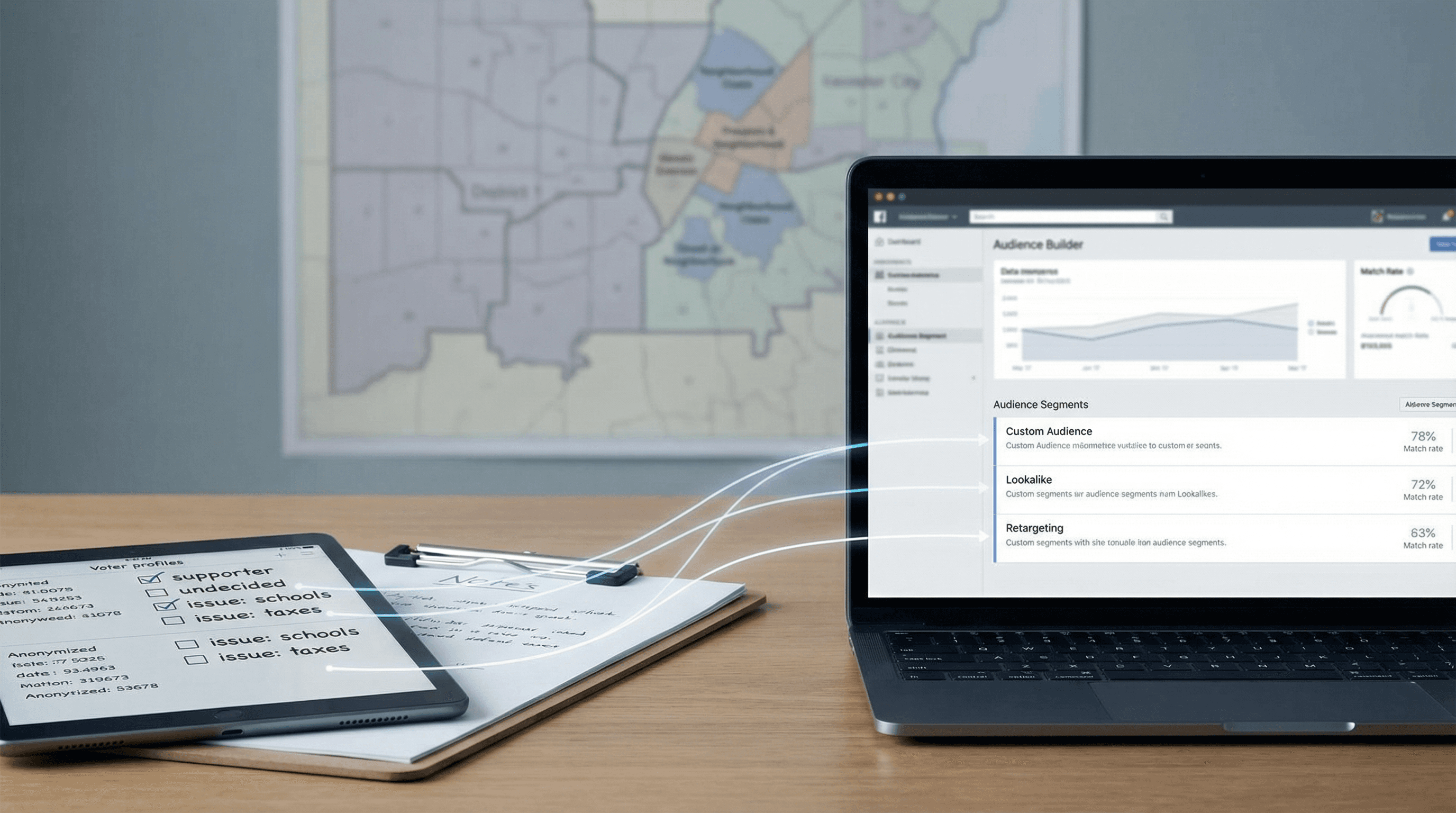
So, you've been out there talking to people, knocking on doors, and collecting all sorts of useful info. That's great! But what do you do with all that valuable data once the canvassing is done? Well, you can actually use it to build really specific groups of people for your online ads. Think of it like this: instead of shouting your message to a huge crowd, you're talking directly to the folks who are most likely to listen and care. This article is all about how to turn that on-the-ground information into smart digital ad targeting, making sure your message gets to the right voters.
Key Takeaways
Using the information gathered from door-to-door canvassing is a smart way to create targeted groups for online political ads. This approach helps make sure your message reaches the people who matter most.
To use your canvassing data effectively for digital ads, you need to organize and clean up the information first. Then, figure out which groups of voters are most important based on what you learned.
You can build custom audiences for ads by uploading lists of people you've contacted or by looking at who has interacted with your website or social media. This helps you define exactly who sees your ads.
Combining the data from your canvassing with other information, like what issues people care about, helps you make your ad targeting even more precise. You can also use this data to find new audiences that are similar to your best supporters.
By using data to create these specific ad audiences, you can spend your advertising money more wisely. It allows you to see what's working, make adjustments, and put your resources where they'll have the biggest impact.
Leveraging Canvassing Data for Precise Audience Building
So, you've got all this information from people knocking on doors, right? It's not just a bunch of names and addresses; it's gold. This is where the real magic happens for political ads. Forget just blasting messages everywhere. We're talking about getting super specific.
Understanding the Value of Canvassing Data
Think about it. When someone talks to a voter face-to-face, they learn things you just can't get from a voter file alone. Did the voter seem really passionate about a certain issue? Were they undecided but leaning a certain way? Maybe they mentioned they're a first-time voter or that they're planning to move. This kind of detail is incredibly useful. It's the difference between shouting into the void and having a real conversation.
Here's what you're really getting:
Direct Feedback: What voters are actually saying, not just what they might be thinking.
Nuanced Insights: Understanding their concerns, motivations, and potential barriers to voting.
Real-Time Updates: Information that's current, not based on old data.
This isn't just about who might vote for you; it's about understanding why and how to reach them effectively. It helps you figure out who to focus on, whether it's persuading someone on the fence or making sure your supporters actually turn out on election day.
The data collected at the doorstep provides a granular view of voter sentiment that digital tracking alone often misses. It’s the human element that adds depth to your targeting.
Connecting Field Insights to Digital Targeting
Okay, so you have all this great info from your canvassers. Now what? The trick is to connect that on-the-ground intel with your digital ad campaigns. This means taking those notes and turning them into actionable segments for platforms like Facebook, Google, or even programmatic ad networks. For example, if your canvassers noted a high number of voters expressing concern about local school quality in a specific neighborhood, you can create a digital audience for that area and serve them ads focused on education policy. This kind of targeted approach is way more effective than generic ads. It's about making sure the right message gets to the right person, at the right time, on the platform they're actually using. It's a smart way to spend your ad budget, making sure you're not wasting money on people who aren't likely to be swayed. Campaigns are spending millions on ads, and knowing who to target makes a big difference in how that money is used, with parties allocating significant sums to traditional media as well [a853].
Building Your Canvassing Data Custom Audience Foundation
Before you can start running ads, you need a solid base. This involves organizing all that canvassing data. You'll want to clean it up, make sure it's accurate, and then figure out how to upload it into your digital advertising tools. This might mean creating lists of voters who expressed a certain opinion or who live in a particular area. The goal is to create custom audiences that mirror the segments you identified in the field. It’s about translating those real-world interactions into digital profiles that ad platforms can understand and target. This foundational step is key to making sure your digital efforts are actually informed by your field work, rather than just guessing.
Structuring Your Canvassing Data for Digital Campaigns
Alright, so you've been out there knocking on doors, talking to folks, and gathering all this gold-mine information. That's awesome! But what do you do with it all? Just having the data isn't enough; you've got to get it organized so it actually helps you win. Think of it like sorting your tools before you start a big project – you wouldn't just grab a random wrench, right?
Aggregating and Cleansing Voter Information
First things first, you need to pull all that canvassing data together. This means getting it out of notebooks, off random spreadsheets, and into one central spot. Whether you're using a fancy political CRM or just a well-organized database, the goal is to have a single source of truth. This is where you'll merge your field data with existing voter files. It’s super important to clean it up too. Typos, duplicate entries, or outdated addresses can really mess things up down the line. A clean dataset is the bedrock of effective targeting. You want to make sure you're talking to real people at real addresses.
Here’s a quick look at what you’re aiming for:
Consolidated Voter File: All your contact info, canvass responses, and demographic data in one place.
Standardized Formats: Dates, names, and addresses should all look the same.
Duplicate Removal: Get rid of any repeated entries.
Address Verification: Make sure the addresses are valid and deliverable.
Identifying Key Voter Segments from Canvass Results
Once your data is clean, you can start digging into what it actually tells you. Your canvassing responses are like little clues about what voters care about. Did a lot of people mention the economy? Are folks worried about schools? These insights are pure gold for tailoring your digital ads. You can start grouping voters based on their answers. Maybe you have a group that's super concerned about environmental issues, or another that's really focused on local jobs. These aren't just random people; they're segments with specific needs and interests.
Think about these common segments:
Persuadables: Voters who are undecided or could be swayed.
Base Supporters: Your core voters who need to be motivated to turn out.
Issue-Specific Groups: Voters who consistently bring up a particular topic.
Undecided Turnout: Voters who are registered but don't vote often.
The real power comes from connecting what people say at their doorstep to what they're likely to respond to online. If someone tells your canvasser they're worried about healthcare costs, that's a signal to show them digital ads about your candidate's healthcare plan.
Mapping Canvassing Data to Digital Platforms
Now for the exciting part: taking those organized insights and putting them to work online. Most digital ad platforms, like Facebook or Google Ads, let you upload custom lists of people. You can take the email addresses or phone numbers of the specific voter segments you identified and upload them directly. This is how you move from broad outreach to super-targeted advertising. You're essentially telling the ad platform, "Hey, only show this ad to people who fit this specific profile." This makes your ad spend way more efficient. You're not wasting money showing ads about farming policy to people who live in the city and don't care about it. You can also use geographic data from your canvassing to define very specific areas for your digital ads, which is a huge advantage for political campaign management.
Here’s a simplified view of the process:
Export Segmented Lists: Get your lists of contacts (emails, phone numbers) for each voter segment from your cleaned data.
Prepare for Upload: Ensure the data is in the correct format for your chosen ad platform (e.g., CSV file).
Upload to Ad Platform: Use the custom audience feature on platforms like Meta Ads Manager or Google Ads.
Create Targeted Ads: Design ad creative and copy that speaks directly to the interests of each uploaded segment.
Creating Custom Audiences from Voter Interactions

So, you've got all this great information from people you've talked to out in the field. That's gold! Now, how do you actually use it to get your message in front of the right digital eyes? It's all about turning those real-world conversations into targeted online ads. Think of it like this: every person you spoke with, every interaction you logged, is a piece of a puzzle that helps you build a more precise picture of who to reach online.
Utilizing Contact Lists for Custom Audiences
This is probably the most straightforward way to start. If you've collected phone numbers or email addresses from voters during your canvassing efforts, you can upload these directly to platforms like Facebook, Google, or other ad networks. These platforms then try to match your list against their user base. This allows you to directly target people you know have already engaged with your campaign in some way. It's a powerful way to re-engage supporters, remind undecideds, or even identify potential volunteers.
Here's a basic rundown of how it works:
Gather Your Data: Make sure your contact list is clean and organized. Include emails and phone numbers. The more data you have, the better the match rate.
Format for Upload: Most platforms require a specific file format, usually a CSV. Check the platform's guidelines for the exact requirements.
Upload and Match: Import your list into the ad platform's audience manager. The platform will then do its best to find corresponding user profiles.
Create Your Audience: Once matched, you can create a "Custom Audience" from this list. You can then use this audience for ad campaigns.
Building Audiences from Website and Social Engagement
Beyond direct contact lists, think about how people interact with your campaign online. Did someone visit your website? Did they watch a video on your Facebook page? Did they click on one of your past ads? These actions are signals of interest.
Website Visitors: By installing a tracking pixel (like the Meta Pixel or Google Tag) on your website, you can track who visits specific pages. You can then create audiences of people who visited your "Donate" page, read a specific policy issue, or even just browsed your site.
Social Media Engagers: Platforms like Facebook and Instagram let you create audiences based on who has interacted with your content. This includes people who have:
Watched a certain percentage of your videos.
Liked or commented on your posts.
Visited your Facebook Page or Instagram profile.
Responded to your events.
These audiences are often highly engaged and more likely to respond to your ads because they've already shown a clear interest in your campaign.
Defining Your Canvassing Data Custom Audience Parameters
When you're setting up these custom audiences, you're not just uploading a list and calling it a day. You can get much more specific. For example, you might want to:
Exclude certain groups: If you're running a "get out the vote" (GOTV) campaign for your base, you probably don't need to show persuasion ads to people who have already consistently voted for your party. You can exclude them.
Layer audiences: Combine your custom audience with other targeting options. For instance, target people from your contact list who also live in a specific zip code or who have shown interest in a particular issue.
Set timeframes: For website visitors, you might only want to target people who visited in the last 30 or 60 days, as more recent engagement is usually more relevant.
The key here is to move beyond just broad targeting. Every interaction, whether it's a door knock or a website click, provides a data point. By thoughtfully building custom audiences from these interactions, you're essentially creating highly relevant groups of people who are more likely to pay attention to your message and take the action you want them to take. It's about being smart with your ad spend and making sure your message lands with the people who matter most.
Refining Targeting with Canvassing Data Insights
So, you've gathered all this great information from knocking on doors. Now what? It's time to really dig into what those conversations and observations tell you. This isn't just about knowing who answered the door; it's about understanding why they might vote a certain way and how to reach them effectively online. The real power comes from connecting those real-world interactions with your digital ad strategies.
Integrating Demographic and Behavioral Data
Your canvassing data is a goldmine for understanding who your voters are. You likely have basic demographic info, but the real insights come from what people do and say. Did someone mention they're a small business owner? That's behavioral data. Did they express concern about local school funding? That's an issue-based insight. Combining this with standard demographics like age and location helps paint a much clearer picture.
Think about it like this:
Demographics: Age, location, household size.
Behavioral Data: Online shopping habits, social media usage, past voting history (if available).
Canvass Insights: Stated issues, volunteer interest, undecided status, party leanings.
When you layer these together, you can start to see patterns. For example, you might find that younger voters in a specific neighborhood, who you previously only knew by age, are also highly engaged with environmental issues based on your canvass feedback. This allows for much more precise ad targeting.
Leveraging Issue-Based Segmentation
People vote based on what matters to them. Your canvassing efforts are perfect for uncovering these core issues. A voter might seem like a typical undecided, but if they repeatedly bring up healthcare costs, that's a powerful signal. You can then create custom audiences based on these specific issue interests.
Here’s a quick look at how you might segment:
Healthcare Focused: Voters who expressed concern about healthcare access or costs.
Economic Concerns: Those worried about jobs, inflation, or local business.
Environmental Advocates: Individuals passionate about climate change or conservation.
Education Supporters: Voters prioritizing school funding or curriculum issues.
By creating separate audiences for each of these groups, you can serve them ads that speak directly to their priorities. This makes your message far more relevant and effective than a generic political ad. It’s about showing voters you understand their world.
The goal here is to move beyond broad strokes. Instead of targeting
Optimizing Ad Spend with Data-Driven Audiences
So, you've put in the legwork, gathered all that valuable canvassing data, and built some pretty specific custom audiences. That's fantastic! But the job isn't done yet. Now comes the really important part: making sure your ad budget is working as hard as possible for you. It’s all about getting the most bang for your buck, right?
Measuring the Impact of Targeted Campaigns
How do you know if your ads are actually hitting the mark? You've got to track things. It's not enough to just run ads; you need to see what's happening. Think about metrics like cost per persuadable voter – that tells you how efficiently you're influencing those undecided folks. Engagement rates are also a big clue; if people aren't interacting with your ads, the message probably isn't landing.
Here’s a quick look at some key things to watch:
Cost per Persuadable: How much are you spending to sway someone on the fence?
Engagement Rates: Are people liking, commenting, or sharing your ads?
Conversion Rates: If you're asking people to take a specific action (like signing up), how many are doing it?
Voter File Match Rates: How many of the people you're targeting digitally actually match your known voter data?
Iterative Improvement of Your Canvassing Data Custom Audience
This isn't a 'set it and forget it' kind of deal. You need to be constantly tweaking things. Look at the data from your initial campaigns. Which audiences responded best? Which messages seemed to get the most traction? Maybe one group of voters really lit up over a specific issue you highlighted, while another group barely blinked. That's gold!
Use these insights to refine your targeting. If an audience isn't performing, don't just keep throwing money at it. Adjust the demographics, tweak the interests, or even try a completely different message. It’s a process of learning and adapting.
Allocating Resources Based on Audience Performance
Once you start seeing which audiences are delivering results, you can get smarter about where you put your money. If your ads are really clicking with, say, suburban voters who care about education, maybe it makes sense to shift more of your budget to reach them. Conversely, if an audience is costing a lot and not yielding much, it might be time to scale back or re-evaluate.
Think of it like this:
Identify Top Performers: Which custom audiences are giving you the best return?
Analyze Underperformers: Why might certain audiences not be responding?
Reallocate Budget: Shift spending towards the audiences that are proving most effective.
Test New Hypotheses: Use what you've learned to create new, informed audience segments to test.
Advanced Strategies for Canvassing Data Custom Audiences
Hyperlocal Targeting with Geographic Data
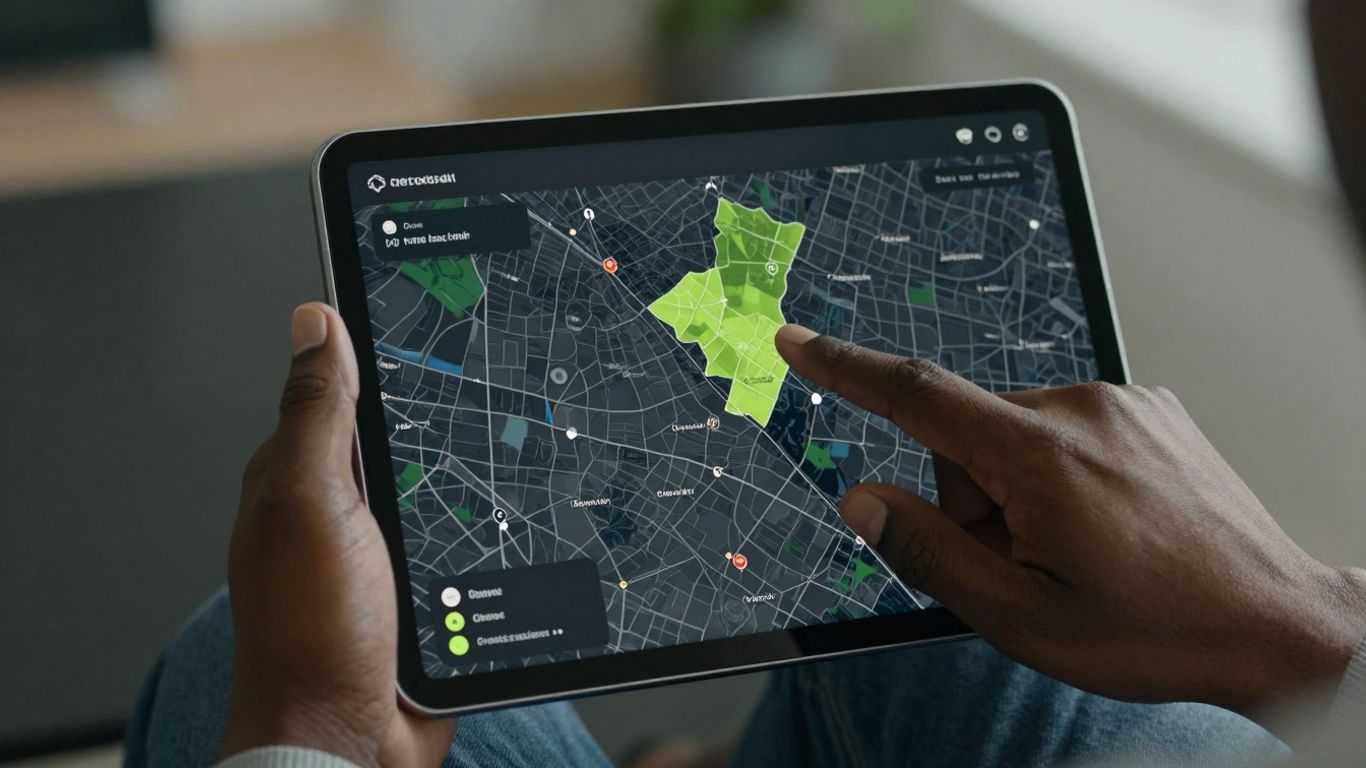
Okay, so you've got your voter data, and you've built some solid custom audiences. That's great! But are you really getting down to the nitty-gritty? Geographic data is your best friend here. Think beyond just zip codes. We're talking about targeting specific precincts, neighborhoods, or even blocks where you know you have a strong base or a real opportunity to persuade. This means your ads show up for people who are literally down the street from each other, making the message feel more relevant and community-focused.
Imagine running an ad about a local park improvement project. If you can target only the households within a mile of that park, the ad suddenly feels much more personal. It's not just a generic message; it's about their park. This level of precision helps cut through the noise and makes your ad spend work harder.
Retargeting Engaged Voters
This is where you really make your data work for you. You've already put in the effort to get people to interact with your campaign, whether it was visiting your website, watching a video, or even just opening an email. Now, you want to bring them back. Retargeting is all about showing ads to people who have already shown interest. They're not cold leads anymore; they're warm.
Think about it: someone clicked on an ad about your stance on education. They might not have taken the next step, like donating or signing up. Retargeting allows you to show them a follow-up ad, maybe with a testimonial from a local parent or a more detailed policy explanation. It’s about nurturing those existing connections.
Here’s a quick breakdown of who to retarget:
Website Visitors: Anyone who landed on your site, even for a few seconds.
Video Viewers: People who watched a significant portion of your campaign videos.
Email Engagers: Those who opened or clicked links in your previous emails.
Social Media Engagers: Users who liked, commented on, or shared your posts.
Synergizing Digital and Field Efforts
This is the big one. Your canvassing data isn't just for digital ads; it's a bridge between your door-knocking efforts and your online campaigns. The insights you get from talking to voters face-to-face are gold. If a canvasser notes that a voter is particularly concerned about local infrastructure, you can use that information to serve them digital ads highlighting your candidate's plans for road repairs or public transit.
The most effective campaigns don't treat digital and field as separate entities. They work together. When a canvasser identifies a persuadable voter, that voter can be added to a custom audience for targeted digital ads. Conversely, digital ads can drive sign-ups for volunteer events, feeding directly back into your field operations.
This feedback loop is incredibly powerful. It means your digital ads are informed by real conversations, and your field teams are working with people who have already been exposed to your message online. It creates a consistent, multi-channel experience for the voter, which is exactly what you need to win.
Wrapping It Up
So, we've gone over how to take the information you gather from knocking on doors and turn it into a way to reach more people online. It's not just about collecting names; it's about understanding who you talked to and then using that to find similar folks on platforms like Facebook. This whole process helps make sure your message gets to the people who are most likely to listen and vote. Don't just blast your message everywhere; be smart about it. Using your canvassing data to build custom audiences is a solid way to make your ad spending work harder and connect with voters on a more personal level. It takes a bit of effort, sure, but in the end, it really helps focus your campaign where it matters most.
Frequently Asked Questions
What exactly is canvassing data, and why is it useful for political ads?
Canvassing data is like notes taken during face-to-face chats with voters. When people knock on doors or call voters, they write down who they talked to and what the person said. This info is super helpful because it tells you what voters care about, if they're likely to vote, and what issues matter most to them. Using this data helps political campaigns show ads to the right people who are most likely to support their candidate.
How can I turn my canvassing notes into an audience for online ads?
First, you need to gather all your canvassing notes and clean them up, making sure the information is accurate and organized. Then, you can group voters based on what you learned, like people who care a lot about a certain issue or those who are undecided. Once you have these groups, you can upload them to ad platforms like Facebook or Google to create special 'custom audiences' that match these voter groups.
What's the difference between a custom audience and a lookalike audience?
A custom audience is a group of people you already know something about, like voters from your canvassing list or people who visited your website. A lookalike audience is like a bigger, expanded version of your custom audience. The ad platform finds new people who are similar to the people in your custom audience, helping you reach more potential supporters.
Can I use canvassing data to target ads to very specific areas?
Yes, absolutely! Canvassing data often includes location details, like neighborhoods or even street blocks. You can use this geographic information to create super specific ad campaigns for small areas, making sure your message reaches voters in exactly the places you want it to.
How do I know if my ads are working when I use canvassing data?
You track how people react to your ads. Did they click on them? Did they visit your website? Did they take the action you wanted them to? By looking at these results, you can see which messages and audiences are performing best. This helps you spend your money wisely and make your ads even better over time.
What if I don't have a lot of canvassing data yet?
Even a little bit of canvassing data is a great start! You can also combine it with other information, like who visits your campaign website or who interacts with your social media posts. Any information you have about people who might support your campaign can be used to build audiences and make your ads more effective.