
Carlos Courtney
Political Advertising
Holographic Political Ads: Immersive Designs That Stop Voters in Their Tracks
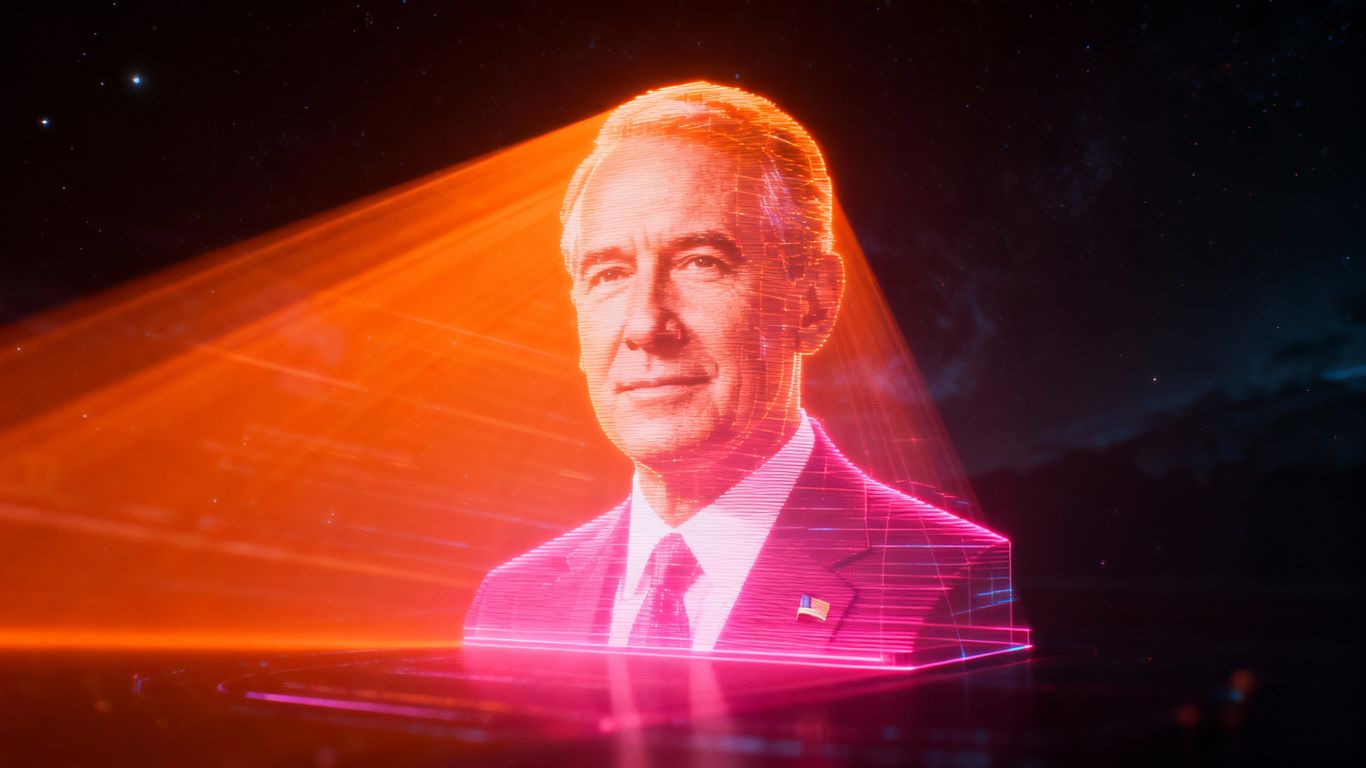
Political campaigns are always looking for new ways to grab people's attention. These days, that means using some pretty wild technology. Think about holographic political ads – they're like something out of a sci-fi movie, but they're actually being used to get voters to stop and pay attention. This new approach uses 3D images that seem to float in the air, making messages hard to ignore. It's a big change from the usual flyers and TV commercials.
Key Takeaways
Holographic political ads offer a unique and attention-grabbing way to reach voters, moving beyond traditional advertising methods.
Campaigns like 'Ballots Against Bullets' have shown how holographic technology can be used to deliver powerful messages, especially when combined with personal stories.
The immersive nature of holographic ads can create a stronger emotional connection with voters, making issues feel more real and potentially combating apathy.
Designing effective holographic ads requires balancing visual impact with clear, substantive messaging, while also considering ethical implications.
The future of political communication will likely see more advanced technologies, including holograms, used for personalized and engaging voter outreach.
The Rise Of Holographic Political Ads
Political advertising has always been about grabbing attention, but the methods are changing fast. Forget the old flyers and basic TV spots; we're seeing a new wave of technology making its way into campaigns. Holographic ads are starting to pop up, and they're definitely not like anything voters have seen before.
Immersive Visuals That Capture Attention
Think about walking down the street and suddenly seeing a three-dimensional figure appear out of thin air. That's the power of holographic technology. It's not just a flat image on a screen; it's something that feels real, almost like it's standing right there with you. This kind of visual trickery is incredibly effective at stopping people in their tracks. In a world flooded with constant digital noise, a holographic ad cuts through it all. It creates a moment of surprise and wonder, making people pause and pay attention. This immediate engagement is a huge advantage for any campaign trying to get its message across. It's a way to make a political statement that's hard to ignore.
Beyond Traditional Billboards And Projections
Traditional advertising methods, like billboards or even projected images, have their limits. Billboards are static, and projections, while sometimes dynamic, often lack that tangible, in-your-face quality. Holograms, on the other hand, offer a level of immersion that's simply not possible with older tech. They can be viewed from multiple angles, creating a sense of depth and presence. Imagine a candidate's hologram speaking directly to passersby, or a complex issue being visualized in a way that makes it easy to grasp. This isn't just about showing an image; it's about creating an experience. Campaigns are starting to explore how this technology can be used to make their messages more memorable and impactful, moving beyond the limitations of static displays.
Creating Unforgettable Voter Experiences
What does it mean to create an unforgettable voter experience? It means making a connection that lasts. Holographic ads have the potential to do just that. They can turn a passive viewing experience into an active one. Instead of just seeing a message, voters can feel like they're interacting with it. This could be through a projected figure that seems to respond to movement, or a visual representation of data that floats in the air. The novelty alone is a powerful draw, but when combined with a well-crafted message, it can lead to a deeper level of engagement. It's about making politics feel more present and less abstract, leaving a lasting impression long after the ad has faded.
The shift towards holographic advertising signals a broader trend in political communication: the pursuit of novelty and immersion to combat voter fatigue. As audiences become desensitized to traditional media, campaigns are seeking out technologies that can create genuine surprise and a more visceral connection with the electorate.
Innovative Campaigns Leveraging Holographic Technology
When traditional methods just aren't cutting it anymore, some campaigns have turned to holographic technology to really make a splash. It's not just about showing a candidate; it's about creating an experience that sticks with people long after they've seen it. These aren't your grandpa's political flyers. We're talking about visuals that pop out, grab your attention, and make you stop and think.
Ballots Against Bullets: A Powerful Message
Imagine seeing a holographic representation of a ballot box, only to have it shatter into pieces, symbolizing the fragility of democracy when faced with violence. This kind of visual storytelling can be incredibly impactful. It takes an abstract concept – the threat to voting rights – and makes it tangible, something viewers can see and react to. Campaigns have used similar tactics to highlight issues like gun violence, projecting ghostly figures or statistics that appear and disappear, creating a sense of urgency and loss. It’s a way to cut through the noise and deliver a message that’s hard to ignore.
Survivor Stories Projected In Three Dimensions
Another way holographic tech is being used is to bring personal stories to life. Think about survivors of a particular policy or event sharing their experiences not just through video, but as a three-dimensional projection. This can create a profound emotional connection. For instance, a campaign might project a holographic figure of someone who lost their home due to climate change, speaking directly to passersby. This method makes the human cost of issues more apparent, moving beyond dry statistics to real, relatable narratives. It’s about making voters feel the weight of the issues.
Targeting Key Voting Demographics
While the technology itself is attention-grabbing, its effectiveness often comes down to how it's deployed. Campaigns are getting smarter about using holograms to reach specific groups. For example, a candidate might use holographic displays in areas with a high concentration of young voters, showcasing issues that matter to them in a format they find engaging. This could involve interactive elements or projections that tie into popular culture. The goal is to meet voters where they are, using technology that feels fresh and relevant to their lives. It’s about making the political message feel less like an imposition and more like a conversation. This approach to paid search campaigns shows a similar focus on precise audience engagement.
Holographic advertising offers a unique opportunity to break through the clutter of modern media. By presenting information in a novel, three-dimensional format, campaigns can capture attention and create memorable experiences that traditional methods struggle to match. This novelty factor can be particularly effective in combating voter apathy, making abstract issues feel more real and personal stories more impactful.
The Psychological Impact Of Holographic Advertising

Immersive Visuals That Capture Attention
Holographic ads aren't just flashy; they tap into something deeper. When a political message appears to float in mid-air, it's hard to ignore. This novelty grabs our attention in a way a flat billboard just can't. It's like seeing something from a sci-fi movie pop into reality, and that immediate surprise makes us stop and look. This isn't just about being seen; it's about being noticed in a world flooded with constant visual noise. The three-dimensional aspect makes the message feel more present, more real, and therefore, more impactful.
Making Abstract Issues Tangible
Politics often deals with big, abstract ideas – like economic policy or national security. Holograms can take these complex concepts and make them easier to grasp. Imagine a hologram showing a shrinking graph to represent job losses, or a projected image of a divided nation to illustrate political polarization. These visual metaphors help voters connect with issues on an emotional level, moving beyond dry statistics to something they can almost touch and feel. It's a way to simplify complicated topics without dumbing them down, making them more accessible to a wider audience. This visual translation can be a powerful tool for understanding.
Combating Voter Apathy With Novelty
Let's be honest, a lot of people tune out political advertising. It can feel repetitive and uninspired. Holographic ads, by their very nature, are different. They introduce an element of surprise and wonder that can cut through the cynicism. When voters encounter something unexpected and technologically advanced, it can spark their curiosity and make them more receptive to the message. This novelty can be the first step in re-engaging people who have become disaffected with the political process. It's about breaking through the noise and reminding people that politics can, and should, be engaging.
The way information is presented can significantly alter how it's perceived. When abstract concepts are given a tangible, three-dimensional form, the emotional and cognitive impact on the viewer is amplified. This shift from passive reception to active engagement is key to making complex issues understandable and memorable for the average voter.
Here are some ways holographic ads can affect voters:
Increased Recall: The unusual nature of holograms makes them more memorable than traditional ads.
Emotional Connection: Seeing issues or candidates in a more lifelike, three-dimensional format can create a stronger emotional bond.
Perceived Innovation: Campaigns using advanced technology might be seen as more forward-thinking and modern.
Attention Grabbing: The sheer novelty of a hologram naturally draws the eye in crowded public spaces.
This technology can also be used to illustrate the impact of certain policies, like showing a projected image of a community benefiting from a new infrastructure project. It’s a way to visualize progress and make the abstract promise of political action feel concrete. The ability to present information in a dynamic, spatial way offers a unique avenue for political communication, potentially influencing voter engagement in ways we're only beginning to understand.
Designing Effective Holographic Political Ads
Creating holographic political ads isn't just about the 'wow' factor; it's about making that initial awe translate into meaningful engagement. When you've got voters stopping in their tracks, you have a golden opportunity. The trick is to make sure that moment of surprise leads to something more substantial than just a fleeting glance. It's about balancing that initial visual impact with a message that sticks.
Balancing Shock Value With Substance
It's easy to get caught up in the novelty of holograms. You could project a candidate dancing or a giant, floating campaign logo. But that kind of approach often misses the mark. The real power comes when the holographic element serves the message, not the other way around. Think about how a hologram could visually represent a complex issue, making it easier for people to grasp. For instance, a projection showing rising sea levels could be far more impactful than a graph on a screen. The goal is to use the immersive nature of holography to make abstract concepts feel real and urgent.
Ethical Considerations In Immersive Campaigns
With any new technology, especially one as attention-grabbing as holography, ethical questions pop up. How do we ensure these ads are persuasive without being manipulative? It’s important to be transparent about what voters are seeing. If a hologram is used to represent data, it should be accurate data. Misleading visuals, even if holographic, can erode trust. We need to consider the potential for these ads to create echo chambers or exploit emotional vulnerabilities. It's a fine line between engaging voters and overwhelming them with potentially biased or emotionally charged imagery.
Measuring The Impact Of Holographic Messaging
So, how do you know if your holographic ad campaign is actually working? It's not as simple as counting clicks on a website, though that's part of it. You need to think about how these ads affect voter perception and recall. Are people talking about the message, or just the technology? Tracking social media sentiment, conducting post-campaign surveys, and even observing voter behavior at events where holograms are displayed can provide insights. For example, a campaign might track how many people visit a specific landing page after seeing a holographic ad, checking if the page delivers on ad promises. Understanding the return on investment, both in terms of engagement and potential shifts in voter opinion, is key to refining future strategies.
Here are some ways to think about measuring impact:
Direct Engagement: How many people interact with the hologram or related materials?
Message Recall: Do voters remember the core message of the ad days or weeks later?
Sentiment Analysis: What are people saying online and offline about the ad and its message?
Behavioral Change: Does the ad influence voter registration, turnout, or candidate preference?
The effectiveness of holographic political ads hinges on their ability to connect with voters on a deeper level. While the technology itself is captivating, its true value lies in its capacity to communicate complex ideas, evoke genuine emotion, and ultimately, drive informed decision-making. Without a clear, substantive message supported by ethical practices, even the most dazzling hologram will fade into obscurity.
The Future Of Political Communication
Holographic Ads In The Digital Age
We've seen how holographic ads can grab attention now, but what's next? Think about how political messages have changed over time. From pamphlets and posters to TV and the internet, each new way of communicating has changed how campaigns reach people. Holograms are just the latest step. They offer a way to make political messages feel more real and present, even when people aren't physically there. This technology could make campaigns feel more immediate and impactful, moving beyond flat screens and static images.
Personalized Persuasion Through Advanced Tech
Future political ads will likely get even more personal. Imagine ads that change based on who is watching, or even what they've searched for online. This kind of targeting, using data about our habits and interests, can make messages feel like they were made just for you. It's a powerful way to connect, but it also raises questions about privacy and fairness. The goal will be to make voters feel understood, but the line between helpful personalization and manipulation could become very thin.
The Evolving Landscape Of Voter Engagement
As technology advances, so will the ways campaigns try to connect with voters. Holographic displays, combined with other digital tools, could create entirely new experiences. We might see interactive holographic town halls or virtual rallies that feel like you're really there. The challenge will be to use these new tools in ways that inform and engage voters without overwhelming or misleading them. It's about finding a balance between the wow factor of new tech and the serious business of democratic participation.
Here's a look at how communication methods have evolved:
Early Methods: Speeches, pamphlets, and decrees. Limited reach, but direct.
Mass Media Era: Radio, film, and television. Wider reach, emotional appeals.
Digital Age: Internet, social media, mobile. Instant, global, personalized, but also prone to misinformation.
Holographic Future: Immersive, three-dimensional, potentially highly personalized experiences.
The constant evolution of communication tools means that political campaigns will always be looking for the next big thing to capture public attention. While holograms offer a new level of immersion, the underlying goal remains the same: to persuade voters and shape public opinion. Understanding the history of these changes helps us anticipate what might come next and how to critically evaluate new forms of political messaging.
The way we talk about politics is changing fast. New tools and ideas are popping up all the time, making it easier for people to connect and share their thoughts. It's an exciting time to see how these changes will shape our conversations and communities. Want to learn more about how these shifts are happening? Visit our website to dive deeper into the world of political communication.
Looking Ahead: The Future of Political Messaging
So, we've seen how holographic ads can really grab people's attention, making them stop and look. It's a pretty wild way to get a message across, especially when you think about how much we're all bombarded with ads every day. This tech isn't just for flashy movie effects anymore; it's becoming a real tool for campaigns. As this technology gets better and more common, we'll probably see even more creative and maybe even surprising ways politicians try to connect with voters. It makes you wonder what the next big thing will be, but for now, holograms are definitely making their mark.
Frequently Asked Questions
What are holographic political ads?
Holographic political ads are like 3D images that appear to float in the air. They are designed to grab people's attention and make political messages more memorable than regular ads you see on TV or billboards.
How do holographic ads make voters feel?
These ads can make people feel more connected to the message because they are so lifelike and engaging. When a message feels real and powerful, it can make voters think more deeply about the issues and the candidates.
Can holographic ads help people who don't usually pay attention to politics?
Yes, the unique and surprising nature of holographic ads can capture the interest of people who might otherwise ignore political messages. It's a new way to get their attention and share important information.
Are there any downsides to using holographic political ads?
While exciting, there are important things to consider. Ads should be truthful and not just try to shock people. It's important that these ads provide real information and not just fancy visuals. Also, we need to make sure they are used fairly and don't mislead voters.
How do campaigns decide what to show in a holographic ad?
Campaigns think carefully about what message they want to send and how to make it stand out. They might use stories or powerful images to make the ad both interesting and meaningful, aiming to connect with voters on an emotional level.
Will we see more holographic ads in future elections?
It's likely that technology like this will become more common in politics. As new ways to communicate emerge, campaigns will probably use them to reach voters in more creative and impactful ways, making elections more engaging.