Carlos Courtney
Political Advertising
Gun Control Ad Tactics: Debate Clips That Spark Heated Engagement
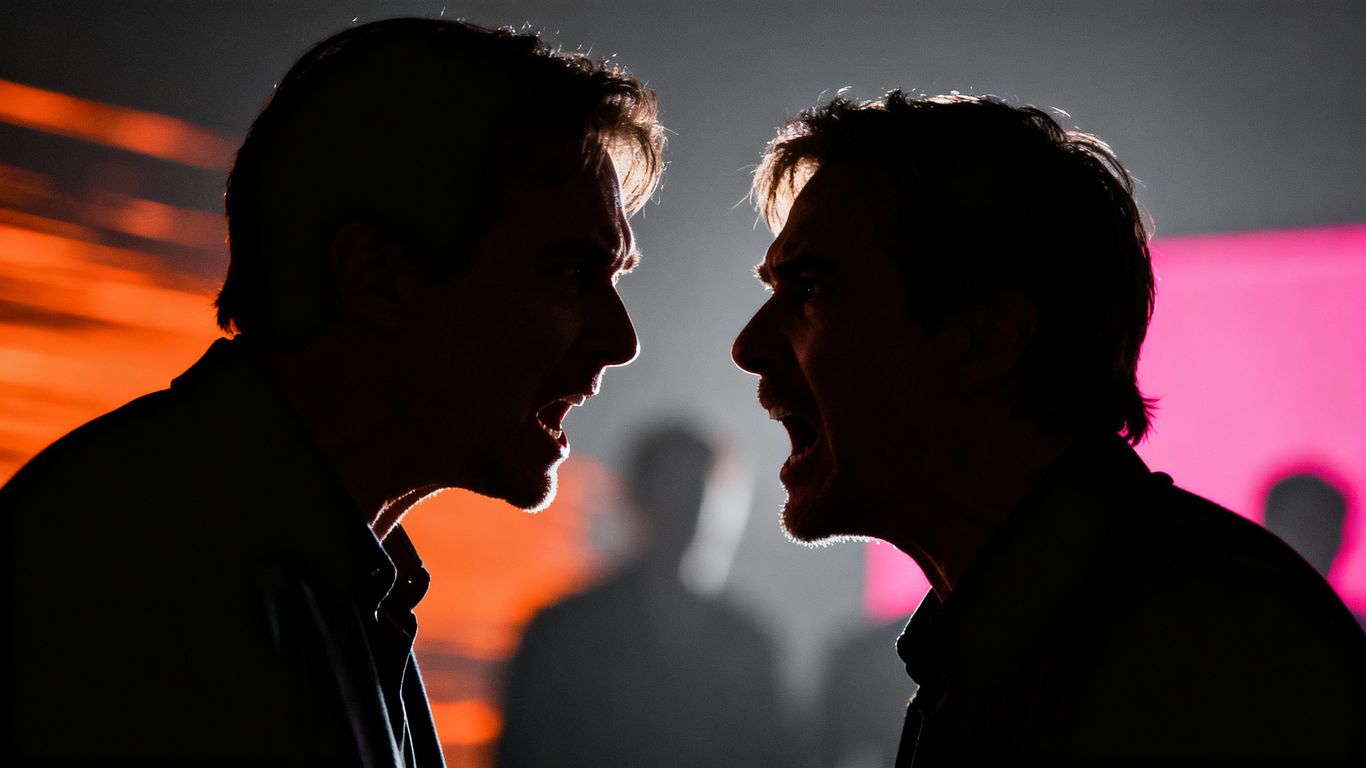
Looking at how gun control messages are presented in ads can be pretty eye-opening. It's not just about showing sad pictures or making loud demands. There's a whole strategy behind it, especially when you see how these messages get people talking, sometimes really heated. We'll check out some of the ways these gun control ad tactics have shown up and what makes them get noticed.
Key Takeaways
The gun control debate has seen a shift, moving from a focus on the NRA's perceived power to a growing grassroots movement. This change is visible in how public opinion and advocacy efforts have evolved.
Online platforms have become a major battleground for gun control discussions. Social media trends show a rise in pro-gun safety messages and a more active challenge to traditional gun rights talking points.
Major events, like the Sandy Hook Elementary School shooting, have significantly influenced public sentiment and spurred action, leading to renewed calls for stricter gun laws and shaping the discourse around gun control ad tactics.
The failure of certain legislative efforts, such as the Manchin-Toomey bill, highlighted the influence of organized groups but also energized new advocacy efforts, showing how political outcomes can shape future strategies.
Corporate responses to gun violence and public pressure have become a notable tactic, influencing policy and drawing media attention, which in turn affects the broader conversation on gun control ad tactics.
Shifting The Gun Control Narrative
For a long time, the conversation around gun control felt pretty stuck. It seemed like the same arguments were being made over and over, and not much was changing. The National Rifle Association (NRA) had a really strong hold on the narrative, and it felt like their voice was the loudest one in the room. But things have started to change, and it's not just a few people talking about it anymore. A new wave of activism is pushing to change how we talk about gun violence and gun laws.
The Intensity Gap In Gun Politics
One of the biggest hurdles in gun politics has been what's called the "intensity gap." Basically, even if a lot of people agreed that we needed stronger gun laws, the folks who were against any changes were often much more motivated to show up and make their voices heard. Think about it: the NRA has millions of members, and they're often very passionate about their Second Amendment rights. They'd show up at hearings, write letters, and make calls, while supporters of stricter laws might have been more passive.
Passionate minority: Gun rights supporters often showed up in large numbers to political events and hearings.
Passive majority: Many people who supported gun control were not as actively engaged.
Impact: This difference in engagement meant that even when polls showed broad support for certain measures, like universal background checks, the more vocal opposition often carried the day.
This dynamic made it really hard to get any significant legislation passed. It felt like a lot of effort was spent just trying to educate people, while the other side was actively playing the political game. The failure of bills like the Manchin-Toomey legislation in 2013 really highlighted how this intensity gap could block progress, even when public opinion seemed to be on your side.
The political landscape around gun laws is definitely not what it used to be. What once seemed like an uphill battle is slowly starting to shift, with more people realizing that their voices can make a difference.
Grassroots Movements Challenge The Status Quo
But that's where things started to change. Around 2013, and really picking up steam after events like the Sandy Hook tragedy, new grassroots movements began to emerge. Groups like Moms Demand Action and others started organizing in a big way. They weren't just politely asking for change; they were actively mobilizing voters, showing up at rallies, and putting pressure on politicians. This wasn't just about talking anymore; it was about organized action. These groups started to challenge the idea that the NRA was unbeatable and that the status quo couldn't be changed. They showed that a motivated public could indeed push back against powerful lobbying efforts. This shift meant that politicians started to see that supporting gun safety measures might not be political suicide after all, and could even be a winning strategy. It's about changing the conversation and making sure all voices are heard.
Corporate Responsibility And Public Pressure
Another interesting part of this narrative shift involves corporations. For a while, many companies stayed out of the gun debate, or even actively supported gun rights. But as public pressure mounted, especially after major mass shootings, some companies started to change their tune. We saw major retailers stop selling certain types of firearms, and some companies that had partnerships with gun manufacturers began to reconsider those relationships. This wasn't just about public relations; it was about responding to consumer demand and the growing awareness of gun violence. When big businesses start to take a stand, it sends a message and can influence public opinion and policy even further. It shows that the conversation isn't just happening in political arenas; it's also playing out in the marketplace.
The Evolving Landscape Of Gun Control Advocacy
The way people talk about gun control has really changed over the years. For a long time, it felt like the National Rifle Association (NRA) was the only voice that mattered in these discussions. They had a dedicated group of supporters who were very vocal and showed up everywhere, from local meetings to big congressional hearings. This made it tough for groups pushing for stricter gun laws to get their message heard. It was like they were always playing catch-up, trying to convince politicians to do the right thing while the other side was already in the room, making their case.
Online Discourse And Shifting Dynamics
Things started to shift, especially with the rise of the internet and social media. Suddenly, it wasn't just about who could show up at a hearing. Online, more people could share their views and connect with others who felt the same way. We saw millions of posts about gun control, gun laws, and gun safety. This digital space allowed grassroots movements to challenge the old narratives and get their message out to a much wider audience. It became easier for people to organize and make their voices heard, even if they weren't part of a big, established organization. This online activity also helped to highlight the growing support for gun safety measures across the country.
State-Level Advocacy's National Impact
What happens at the state level can have a big effect nationally. We've seen states become real testing grounds for new gun laws and advocacy efforts. When a state makes progress on gun safety, it can inspire others and put pressure on the federal government to act. It's like a ripple effect. For example, changes in one state might lead to more discussion and action in neighboring states or even across the entire country. This kind of localized success can build momentum and show that change is possible, influencing the broader conversation about gun policy.
The NRA's Defensive Posture In Modern Discourse
As more people got involved and online discussions grew, the NRA found itself in a different position. Instead of always leading the conversation, they started to spend more time responding to criticism and defending their stance. Their once-dominant influence began to face more direct challenges. The sheer volume of online conversations and the organized efforts of gun safety groups meant that the NRA couldn't always control the narrative as easily as before. They had to adapt to a more public and often critical environment, where their talking points were frequently questioned and debated by a wider range of voices. This shift put them on the defensive, trying to maintain their influence in a changing landscape. It's a bit like trying to refresh your brand when people are already talking about what you need to change [39e8].
Key Moments In Gun Control Ad Tactics
The Sandy Hook Tragedy And Its Aftermath
The shooting at Sandy Hook Elementary School in December 2012 was a deeply tragic event that profoundly impacted the national conversation around gun violence. In the immediate aftermath, public opinion showed a significant shift, with a surge in support for stricter gun laws. For instance, a poll indicated that 58 percent of Americans favored more stringent regulations, and a remarkable nine out of ten people supported universal background checks. This moment seemed like a potential turning point for gun safety advocates.
Despite this widespread public backing, legislative efforts faced considerable hurdles. The push to close loopholes in the background check system, a goal supported by a vast majority, ultimately failed to gain enough traction in Congress. This outcome highlighted the persistent influence of gun rights organizations, even when public sentiment leaned in the opposite direction. It was a stark reminder of the challenges in translating public opinion into policy change.
The intense grief and anger following Sandy Hook created a powerful emotional backdrop for advocacy, but the political machinery proved resistant to immediate, sweeping reform.
The Manchin-Toomey Bill's Failure
The Manchin-Toomey bill, introduced in 2013, aimed to expand background checks for firearm purchases. It was seen by many as a bipartisan effort to address gun violence following the Sandy Hook tragedy. However, the bill ultimately failed to pass the Senate. This failure was largely attributed to opposition from gun rights groups, particularly the NRA, which threatened to "score" votes against senators who supported it. This event underscored the significant power of the gun lobby in shaping legislative outcomes, even when proposals had broad public support.
This moment was significant because it demonstrated how a vocal and organized minority could effectively block legislation supported by a larger, though less mobilized, segment of the population. It exposed the "intensity gap" in gun politics, where passionate single-issue voters on one side could often outweigh the more passive support for reform on the other. The failure of this bill signaled to many that a new approach was needed to challenge the status quo. It also spurred discussions about how to better organize and mobilize gun safety supporters, aiming to counter the NRA's political influence. This event was a wake-up call for many who believed that meaningful gun reform was within reach.
Beto O'Rourke's Debate Stance
During a 2019 Democratic presidential primary debate, Beto O'Rourke's impassioned response to a question about gun violence became a defining moment. After a mass shooting in his hometown of El Paso, Texas, O'Rourke declared, "Hell yes, we're going to take your AR-15." This direct and forceful statement marked a departure from more cautious political rhetoric on the issue. It signaled a willingness to confront the gun lobby directly and to advocate for more aggressive gun control measures, including buybacks of certain types of firearms.
O'Rourke's stance, while controversial, energized many gun safety advocates and brought a new level of intensity to the debate. It represented a shift towards more confrontational tactics, aiming to force a clearer choice for voters and politicians. This moment highlighted the evolving strategies within the gun control movement, moving beyond traditional lobbying to more public and direct challenges to gun rights. It also sparked conversations about the effectiveness of such bold declarations in mobilizing voters and influencing policy discussions, especially in the context of calm and respectful discussions about firearms. The impact of such direct appeals continues to be analyzed in the broader context of gun policy debates.
The Rise Of The Gun Safety Movement
The landscape of gun politics in the United States has seen a significant shift, largely driven by the emergence and growth of the gun safety movement. For years, the National Rifle Association (NRA) held considerable sway, often dominating the conversation and influencing legislative outcomes. However, events and dedicated activism have begun to challenge this long-standing dominance.
Challenging NRA Dominance
The influence of the NRA, while substantial, has been built on a foundation of highly motivated voters who respond intensely to calls to action. This "intensity gap" meant that even if a majority of Americans favored certain gun safety measures, the gun rights lobby could often prevail due to their more organized and vocal base. However, the gun safety movement has worked to close this gap. Organizations like Moms Demand Action, born from the widespread grief and frustration following the Sandy Hook Elementary School shooting, have mobilized millions of Americans, particularly women, to become active participants in advocating for policy change. This grassroots energy aims to counter the NRA's political power by demonstrating broad public support for stricter gun laws. The founding of groups like Giffords, by former Congresswoman Gabby Giffords and her husband Mark Kelly, further solidified this new wave of advocacy, explicitly taking on the powerful gun lobby.
Mobilizing Voters And Influencing Elections
A key strategy of the gun safety movement has been to translate public opinion into electoral action. Polls consistently show a majority of Americans support stronger gun laws, including measures like universal background checks. The movement seeks to make "gun sense" voting a winning proposition for candidates. By highlighting the disconnect between public sentiment and legislative action, and by actively supporting candidates who champion gun safety, these groups aim to shift the political calculus. The failure of legislation like the Manchin-Toomey bill, despite broad public support for its provisions, underscored the need for more direct political engagement. The movement's success in recent years, including influencing election outcomes and pushing for state-level reforms, suggests a changing tide in gun politics.
Virginia's Transformation In Gun Politics
Virginia serves as a notable example of the gun safety movement's impact. Once considered a state with relatively permissive gun laws, Virginia has undergone a significant transformation. Following mass shootings and sustained advocacy, the state has seen a wave of new gun safety legislation passed. This shift is a direct result of increased voter engagement and the successful mobilization of citizens who demand action on gun violence. The state's legislative changes reflect a broader trend where grassroots organizing and public pressure can indeed alter the political landscape, even in areas with a strong gun culture. This transformation demonstrates how organized advocacy can lead to tangible policy changes and influence election outcomes.
The gun safety movement has effectively countered the narrative that legislative action on gun violence is politically unfeasible. By organizing, educating, and mobilizing voters, they have demonstrated that there is significant public demand for change, and that supporting gun safety measures can be a path to electoral success rather than a political liability.
Strategies For Engaging The Public

Getting people to pay attention and care about gun control is a big challenge. It's not just about making a good argument; it's about connecting with folks on a deeper level. This means using different approaches to reach people where they are and make them feel like this issue matters to them personally.
Leveraging Media Attention
Media plays a huge role in shaping public opinion. For gun control advocates, this means finding smart ways to get their message out there. It's not always about big, flashy campaigns. Sometimes, it's about using current events to our advantage. For instance, after a tragic event, there's often a window where people are more open to discussing gun safety. This is the time to push for policy changes and make sure our voices are heard. Strategic use of news cycles can amplify advocacy efforts significantly. Think about how certain events get a lot of coverage; that's an opportunity to insert the conversation about gun violence prevention. It's also about working with journalists to tell compelling stories that highlight the human cost of gun violence, rather than just focusing on statistics.
The Power Of Personal Stories
Numbers and facts are important, but they don't always move people. What really hits home are the stories of individuals and families affected by gun violence. When someone shares their personal experience – the loss, the fear, the struggle for change – it creates an emotional connection that statistics alone can't achieve. These stories humanize the issue and make it harder for people to ignore. We've seen this work effectively in various community input sessions aimed at finding local solutions [484a]. Sharing these narratives can be done through various platforms, from social media to community gatherings, and they often form the backbone of effective advocacy campaigns.
Direct Political Confrontation
Sometimes, you have to be direct. This involves confronting lawmakers and demanding action. It means showing up at town halls, writing letters, making calls, and organizing protests. It's about making it clear that the public expects change and that inaction has consequences. This can also involve challenging the narratives put forth by opposing groups. For example, when political ads run, advocates might need to respond quickly with their own messaging or fact-checking. The timing of political advertising is also key, with budgets often increasing in the weeks leading up to elections [7316].
Engaging the public effectively requires a multi-pronged approach. It's about more than just presenting information; it's about building empathy, creating urgency, and demanding accountability. By combining media savvy, heartfelt personal accounts, and direct political action, advocates can create a powerful force for change.
Understanding Gun Control Ad Tactics
When we talk about gun control ads, it's not just about showing sad faces or scary statistics. There's a whole strategy behind how these messages are crafted to get people talking, and sometimes, arguing. It's about tapping into emotions, highlighting specific events, and trying to shift the public's view on gun policy. Think of it like a carefully planned campaign, where every word and image is meant to have an impact.
Analyzing Media and Social Media Trends
Looking at how gun control messages spread is key. For years, the National Rifle Association (NRA) had a pretty strong hold on the conversation, often presenting itself as the voice of responsible gun owners. But things have changed. Groups like Everytown for Gun Safety, formed in 2014, have actively worked to counter the NRA's influence. They use research, like analyzing news articles and social media chatter, to see what's working and what's not. This data helps them figure out the best way to get their message out and connect with people.
Tracking online conversations: Using tools to see what people are saying about gun control on platforms like Twitter and Facebook.
Monitoring news coverage: Keeping an eye on how major news outlets are reporting on gun violence and policy debates.
Identifying effective messaging: Figuring out which types of ads or stories get the most attention and engagement.
The way information travels has changed a lot. What used to be controlled by a few big players is now much more spread out. This means advocacy groups have to be smart about how they use different media channels to reach different audiences.
The Historical Context of Gun Policy Debates
To really get gun control ads, you need to know where this debate comes from. The NRA wasn't always the political powerhouse it is today. Back in the late 1960s, after major events like the assassinations of Martin Luther King Jr. and Robert F. Kennedy, laws like the Gun Control Act of 1968 were passed. Even the NRA's leadership at the time, like Franklin Orth, seemed to accept some of these regulations. But over time, a segment of the membership pushed the organization in a more political, anti-regulation direction. This shift is important because it shows how the landscape has evolved, and how current ad tactics are often reacting to or building upon this history. Understanding this background helps explain why certain arguments or appeals are used in today's ads.
Examining the NRA's Evolving Role
The NRA's position in the gun control debate has definitely shifted. Founded with a focus on safety and marksmanship, the organization became a major political force, especially after the 1968 Gun Control Act. For a long time, their strategy involved mobilizing a dedicated base of supporters, often referred to as the "intensity gap." This meant that even if more people generally favored certain gun safety measures, the NRA's highly motivated members could often sway political outcomes. However, events like the failure of the Manchin-Toomey bill in 2013, despite broad public support for measures like universal background checks, highlighted the limitations of this approach and spurred new advocacy efforts. The NRA has had to adapt its tactics in response to growing public pressure and the rise of well-funded counter-movements. Their current advertising and political strategies are a reflection of this ongoing adaptation and the changing dynamics of the gun policy debate. For more on how political campaigns can sometimes miss the mark, check out common landing page mistakes.
When we talk about gun control, you'll often see ads that try to sway your feelings. They might use strong words or sad stories to get a reaction. It's smart to look closely at these ads and think about what they're really trying to say. Want to learn more about how these ads work and how to spot them? Visit our website for a deeper dive into "Understanding Gun Control Ad Tactics".
Looking Ahead
So, what does all this mean for the future of gun control debates? It seems like things are really changing. For a long time, it felt like one side had all the power, and the other side was just trying to get heard. But we're seeing more people speak up, especially online. Companies are even getting involved, which is something new. It’s not just about big political fights anymore; it’s about everyday people and how they react. The way these ads and clips get people talking, sharing, and even arguing, shows that this is a topic that still gets a lot of attention. It’s going to be interesting to see how these tactics continue to shape the conversation and what happens next.
Frequently Asked Questions
How has the debate around gun control changed over time?
The conversation about gun control has shifted quite a bit. For a long time, groups supporting gun rights, like the NRA, were very vocal and organized, often showing up in large numbers at important meetings. People who wanted stricter gun laws were sometimes quieter, but events like the Sandy Hook Elementary School shooting made more people want to speak up and demand action. Now, there's a growing movement pushing for gun safety, using social media and personal stories to get their message out and influence decisions.
What was the "intensity gap" in gun politics?
The "intensity gap" referred to how a smaller group of people who strongly supported gun rights were more motivated to act and vote than the larger group of people who supported gun control. Even though more people might have agreed with stricter gun laws, they weren't as likely to show up at hearings or contact politicians. This made it easier for the highly motivated gun rights supporters to have a bigger impact.
How do social media and online discussions affect gun control debates?
Social media has become a powerful tool for both sides of the gun control debate. It allows people to share information quickly, organize, and challenge different viewpoints. Online conversations show that messages about gun safety are becoming more common, and advocates are getting better at responding to arguments made by groups like the NRA. This online activity can influence public opinion and even affect elections.
What role have major tragedies played in the gun control movement?
Tragic events, such as the shooting at Sandy Hook Elementary School, have often served as wake-up calls, leading to increased public demand for action on gun control. These events can spark widespread grief and anger, motivating people to get involved and push for policy changes. They can also lead to important discussions about gun safety and the need for new laws.
How have grassroots movements influenced gun control efforts?
Grassroots movements, like Moms Demand Action, have become very important in pushing for gun safety. These groups bring together everyday people, often sharing personal stories about how gun violence has affected them. By organizing, protesting, and contacting lawmakers, they challenge the status quo and put pressure on politicians and even companies to take action on gun laws.
What is the NRA's role in the modern gun control discussion?
The National Rifle Association (NRA) has historically been a very influential group in gun politics. However, in recent years, its dominance has been challenged. While still a significant voice, the NRA has faced internal issues and found itself on the defensive in public and online discussions. The rise of opposing movements and changing public opinion have altered its influence in the ongoing debate.