
Carlos Courtney
Guerrilla Marketing
Guerrilla Marketing Ideas: Creative Low-Cost Campaigns That Surprise
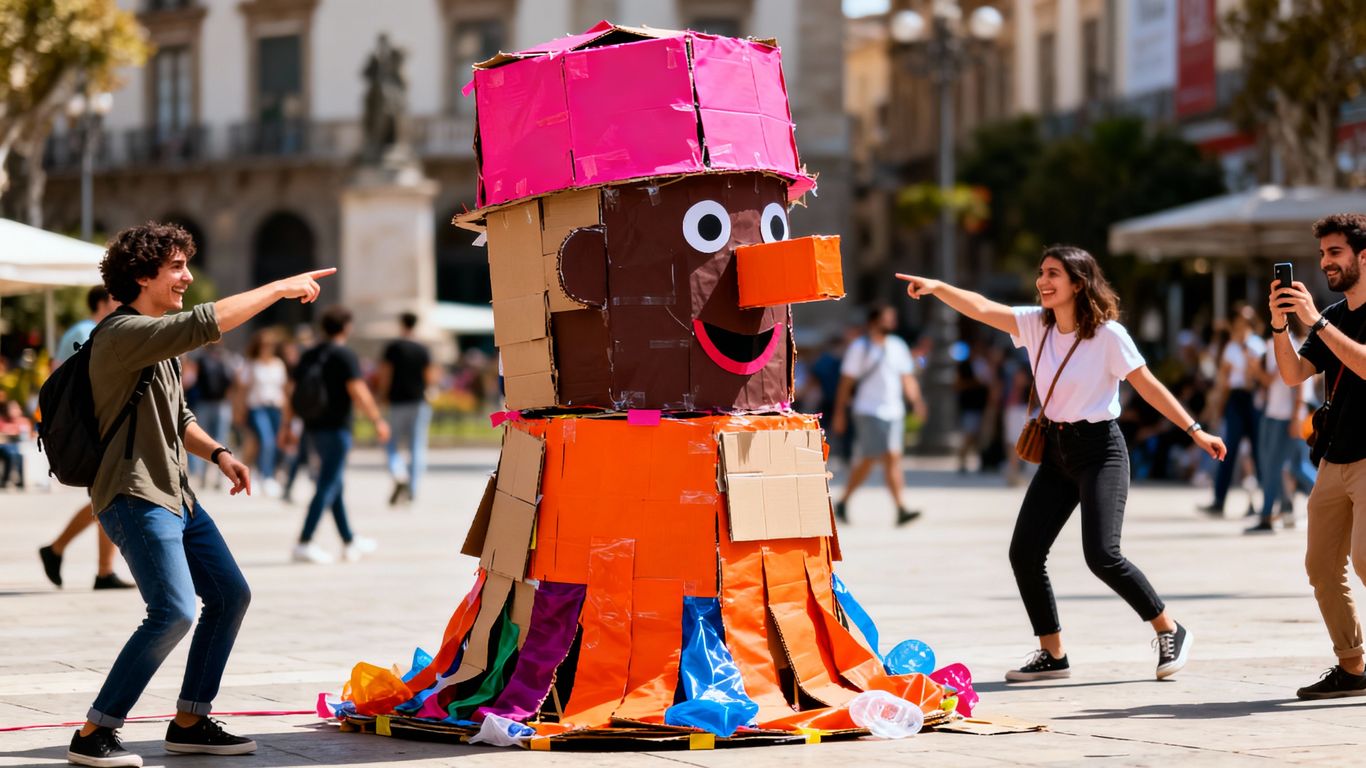
Tired of ads that just blend in? You know, the ones you scroll past or barely notice on your commute? Well, it might be time to think about guerrilla marketing ideas. Forget the huge budgets and fancy studios for a minute. Guerrilla marketing is all about being clever and unexpected. It’s like the underdog of advertising, using creativity to grab attention without costing a fortune. We're talking about campaigns that make people stop, look, and then talk about it. It's a way to make a big impact, even if you're a small business.
Key Takeaways
Guerrilla marketing is about smart, low-cost tactics to get noticed, not about actual warfare.
Surprise and unexpected placement are your best friends in grabbing attention.
Street art, interactive setups, and clever stunts can create a lot of buzz without a big budget.
Making your brand part of everyday life or piggybacking on existing events can be super effective.
The most successful campaigns are authentic, well-timed, and generate talk, rather than just being a one-off ad.
Unconventional Guerrilla Marketing Ideas To Capture Attention
Leveraging Surprise for Maximum Impact
Think about the last time something truly unexpected made you stop and pay attention. That's the core of guerrilla marketing – catching people off guard in a good way. It's not about big, flashy billboards that everyone ignores. Instead, it's about those clever, low-cost tactics that make people do a double-take and then talk about it. The element of surprise is your most powerful tool here. It transforms ordinary moments into memorable brand interactions. Imagine walking down a street and seeing a bus stop bench designed to look like a giant open book, with the title of a new novel. Suddenly, you're not just waiting for a bus; you're engaging with a story. This kind of unexpected placement and creative execution can generate a lot of buzz without costing a fortune. It’s about being smart and creative, not just loud.
Defining Guerrilla Marketing Beyond Warfare
When you hear "guerrilla," you might picture soldiers in the jungle. But in marketing, it's a bit different. It's less about fighting and more about outsmarting. Guerrilla marketing is all about using unconventional methods to get noticed, especially when you don't have a massive budget like the big players. It’s like being the underdog who uses clever tricks to win. Instead of spending millions on TV ads, you might use street art or a clever public stunt. The goal is to create a big impact with small resources. It’s about being resourceful and thinking outside the typical advertising box. This approach often relies on creativity and a deep understanding of your audience's daily lives to find those unexpected moments to connect. It’s about making a statement that sticks, not just a fleeting impression.
The Power of Unexpected Placement
Where you put your message matters. A lot. Guerrilla marketing thrives on placing ads or brand messages in spots where people least expect them, but where they'll have the most impact. Think about a coffee shop chain using stencils to create temporary "coffee steam" art on sidewalks near their locations, or a pet adoption agency placing "missing" posters for stuffed animals in parks. These aren't just random placements; they're carefully chosen to align with the brand's message and catch the eye of the right audience. It’s about integrating your brand into the environment in a way that feels natural yet surprising. This kind of placement can make people stop, think, and even take a photo, sharing it with others and extending the campaign's reach far beyond the initial physical location. It’s a smart way to get noticed by making your brand part of the urban landscape.
Here’s a quick look at what makes placement powerful:
Contextual Relevance: The placement should make sense for the brand and the message.
Audience Proximity: Be where your target audience is, but in an unexpected way.
Visual Intrigue: The placement itself should be interesting or thought-provoking.
Memorability: Aim for placements that people will remember long after they see them.
Creative Low-Cost Guerrilla Marketing Tactics
When you're trying to get noticed without a massive advertising budget, guerrilla marketing is your best friend. It's all about being clever and unexpected. Think less about big billboards and more about making people stop and say, "Whoa, what was that?" This approach is perfect for small businesses looking to make a big impact. The goal is to create memorable experiences that get people talking.
Street Art and Reverse Graffiti Campaigns
This is where you turn public spaces into your canvas. Street art campaigns can involve anything from temporary chalk drawings that disappear with the rain to more permanent murals that tell a story about your brand. Reverse graffiti, on the other hand, is pretty neat – instead of adding paint, you clean dirt off surfaces to create an image or message. It's eco-friendly and definitely catches the eye.
Chalk Art: Temporary, colorful, and can be used to create interactive games or directional paths.
Stencils: Quick to deploy and can create consistent branding across multiple locations.
Reverse Graffiti: Cleaning grime off walls or sidewalks to reveal your message – a clean approach to a dirty problem.
Interactive Installations and Experiences
People love to engage. Creating something they can touch, play with, or be a part of makes your brand stick in their minds. Imagine a giant, branded Jenga set in a park or a photo booth that dispenses custom-branded souvenirs. These experiences create a personal connection and are highly shareable on social media. It’s about making your brand part of the fun, not just an advertisement.
These kinds of campaigns often rely on surprise and delight. When people encounter something unexpected and engaging in their daily routine, it breaks the monotony and makes them pay attention. It’s a way to insert your brand into their lives in a positive, memorable way.
Publicity Stunts That Generate Buzz
This is where you go big with something unexpected to grab headlines. Think flash mobs, unusual public demonstrations, or stunts that highlight your product's benefits in a dramatic way. For instance, a company selling durable luggage might stage a stunt where they drop their suitcases from a moderate height to show how tough they are. The key is to make it newsworthy and something that local media or bloggers would want to cover. It’s a fantastic way to get free publicity and boost brand awareness without spending a fortune on traditional ads. Remember, the more unique and attention-grabbing the stunt, the more likely it is to generate buzz.
Ambient Marketing: Integrating Brands into Everyday Life
Ambient marketing is all about making your brand a natural part of the world around us, almost like it was always meant to be there. It’s not about shouting from the rooftops; it’s more like a quiet whisper that catches your ear because it’s so unexpected and clever. Think about how you can use the existing environment – a park bench, a bus stop, even the steam rising from a manhole – to subtly introduce your product or service. The goal is to surprise people in their daily routines, making them pause and think about your brand in a new way.
Razor Mowing for Sharp Impressions
Imagine waking up one morning and seeing a giant razor blade perfectly "mowing" a patch of grass in a public park. That’s the kind of unexpected visual that makes people stop and look. BIC once did something like this, using a massive razor to create the impression of a perfectly cut lawn. It’s a bold statement that says, "Our razors are incredibly sharp and precise." This kind of stunt doesn't require a huge budget, but it can create a massive impression because it's so out of the ordinary. It turns a mundane object into a memorable advertisement.
Manhole Coffee for Steaming Awareness
This is a classic example that really shows how creative ambient marketing can be. Folgers, the coffee company, once transformed the steam rising from New York City manholes into what looked like steaming cups of coffee. Picture this: you're walking down a busy street, and suddenly, you see these little "coffee cups" appearing from the ground. It’s a playful and imaginative way to connect the idea of hot, fresh coffee with the urban environment. It makes people smile and think, "Wow, that's clever!" and associate that feeling with the Folgers brand.
Unexpected Product Demonstrations
Sometimes, the best way to show what your product can do is to demonstrate it in a place no one expects. Think about a company that sells powerful cleaning supplies. Instead of a typical ad, they could set up a small, temporary "clean zone" in a grimy public area, making a stark contrast that highlights their product's effectiveness. Or consider a brand that makes durable outdoor gear; they might set up a small, functional campsite in an unexpected urban spot, showing their products in action. The key is to make the demonstration relevant to the environment and surprising to the audience. It’s about showing, not just telling, and doing it in a way that sparks curiosity and conversation.
Ambient marketing works best when it feels like a natural, albeit surprising, addition to the environment. It's about finding those everyday moments and giving them a brand twist that makes people look twice and remember your message long after they've passed by.
Ambush Marketing: Capitalizing on Existing Events
So, you've got a great product or service, but maybe sponsoring that huge music festival or the big game is just way out of your budget. That's where ambush marketing comes in. It's all about cleverly attaching your brand to an event's buzz without actually paying for official sponsorship. Think of it as crashing a party, but in a really smart, strategic way that gets people talking about you.
Leveraging Competitor Campaigns
Sometimes, the best way to get noticed is by playing off what others are doing. If a competitor launches a big campaign, you can jump in with your own related message. It's like shouting your own message right after they've got everyone's attention. This can be done by creating a response ad or a clever social media post that ties into their theme but highlights your unique selling point. It's a bit of a gamble, but when it works, it can really make your brand stand out.
Event-Based Brand Association
This is the classic ambush. You know that massive sporting event or popular local fair is happening? Instead of paying for a banner, you might strategically place your own advertising nearby. Imagine billboards or even street teams handing out branded items just outside the venue. The goal is to catch the attention of attendees as they arrive or leave, associating your brand with the excitement of the event without being an official part of it. It’s about being present where the action is, even if you’re not on the official guest list.
Strategic Partnerships for Visibility
Another way to ambush is by teaming up with businesses that are officially involved in an event, but aren't direct competitors. For example, if a food truck is at a concert, you might partner with them to offer a special discount to concert-goers who show a ticket stub. Or, if a band is playing, you could offer a special deal to fans who mention the band's name. This creates a connection between your brand and the event through a third party, giving you visibility without the direct sponsorship cost. It's about finding clever workarounds to get your name out there.
Experiential Guerrilla Marketing: Engaging Your Audience
Experiential guerrilla marketing is all about getting people to actually do something with your brand, not just see it. It’s about creating a moment, a feeling, an interaction that sticks with them long after they’ve walked away. Think less about a billboard and more about a mini-adventure that happens to have your brand at its center.
Creating Immersive Brand Environments
This is where you transform a regular space into something totally unexpected, something that pulls people into your brand's world. It’s not just about decoration; it’s about crafting an atmosphere. Imagine walking into a park and suddenly finding yourself in a whimsical forest that’s promoting a new eco-friendly product, complete with the sounds of nature and maybe even some friendly forest creatures (actors, of course!). Or perhaps a brand takes over a busy subway station, turning it into a temporary art gallery showcasing their product's design inspiration. The goal is to make people forget they’re in a marketing situation and just enjoy the experience, all while absorbing the brand message.
Interactive Product Demonstrations
Forget boring demos. Experiential marketing makes trying out a product an event. This could be anything from a pop-up challenge where people use a new cleaning product to tackle a messy obstacle course, to a tech company setting up a VR experience in a public square that lets people virtually test drive their latest gadget. The key is making it hands-on and fun. People learn best when they're actively involved, and a memorable interaction with a product can be far more persuasive than a thousand ads. It’s about letting the product speak for itself through the user’s own actions.
Participation Marketing for Deeper Connection
This takes interaction a step further by inviting the audience to contribute. It’s like a collaborative art project where the brand is the facilitator. A great example is a company that sets up a large blank canvas in a city center and invites passersby to add their own artistic touch, with the brand’s logo subtly integrated into the supplies or the overall theme. Or consider a food brand that hosts a “build-your-own-dish” station in a busy market, encouraging people to get creative with their ingredients. When people feel like they’re part of something, they form a stronger bond with the brand behind it. It turns passive observers into active participants, creating a sense of ownership and loyalty.
The magic of experiential guerrilla marketing lies in its ability to bypass the usual advertising noise. By creating genuine, memorable interactions, brands can forge deeper connections with their audience, turning everyday moments into opportunities for discovery and engagement. It’s about making people feel something, making them do something, and ultimately, making them remember.
Viral Guerrilla Marketing Ideas That Spread Organically

Sometimes, the best way to get people talking isn't by shouting the loudest, but by creating something so unexpected and shareable that they can't help but spread the word themselves. That's the magic of viral guerrilla marketing. It’s about sparking conversations and creating moments that people want to talk about, share with friends, and post online. Think of it as planting a seed of an idea that grows on its own, fueled by genuine interest and surprise. The goal is to make your brand part of the conversation, not the sole topic of it.
The Role of Word-of-Mouth
Word-of-mouth is still king, especially in the digital age. When a friend tells you about something cool they saw or experienced, you're far more likely to pay attention than if you saw a traditional ad. Viral guerrilla campaigns tap into this by creating experiences or content that people naturally want to discuss. It’s about making your brand memorable enough that it becomes a topic of casual conversation, whether that's around the water cooler or in a group chat. This organic spread is incredibly powerful because it comes with a built-in trust factor that paid advertising often lacks. It’s the kind of buzz that can turn a small business into a household name overnight.
Crafting Shareable and Memorable Content
So, how do you actually make something that people will share? It usually boils down to a few key ingredients:
Surprise: Doing something completely out of the blue that catches people off guard. Think unexpected art installations or playful public interventions.
Emotion: Campaigns that make people laugh, feel inspired, or even a little nostalgic tend to stick. Emotional connections drive sharing.
Utility or Novelty: Offering something genuinely useful or presenting something in a totally new and interesting way can make people want to share it.
Simplicity: The core idea needs to be easy to grasp and explain. If it's too complicated, people won't bother sharing.
Consider how brands create moments that feel like discoveries. It’s not just about showing a product; it’s about creating an experience that’s worth talking about. For instance, a clever street art piece that subtly incorporates a brand logo can become a local talking point and a photo opportunity for passersby, leading to countless social media shares. This kind of organic promotion is gold.
Achieving Viral Success Through Creativity
While you can't force something to go viral, you can certainly increase its chances by being incredibly creative and understanding your audience. It’s about tapping into current trends or cultural moments in a unique way, or creating something so novel that it stands out from the noise. Sometimes, the most successful viral campaigns are those that don't even feel like marketing at first glance. They might be funny, thought-provoking, or simply delightful. The key is to be authentic and to create something that genuinely entertains or engages people. Remember, the internet has a way of amplifying what captures its attention, so aim to create something truly remarkable. If your campaign is interesting enough, it might even generate press coverage or go viral.
Viral marketing isn't about guaranteed outcomes; it's about crafting an experience or message so compelling that people choose to share it. It’s a testament to the power of creativity and surprise in cutting through the clutter and connecting with an audience on a personal level.
Key Elements of Successful Guerrilla Marketing
So, you've got a killer idea for a guerrilla campaign. That's awesome. But before you run out and start sticking posters everywhere, let's talk about what actually makes these kinds of campaigns work. It's not just about being weird or cheap; there's a bit more to it.
Authenticity and Uniqueness
First off, it's got to be real. Your campaign needs to feel like it genuinely comes from your brand, not like you just copied something cool you saw online. Think about what makes your brand tick. Is it about being playful? Bold? Helpful? Whatever it is, the campaign should scream you. Trying to be something you're not is a fast track to looking silly. The most memorable campaigns are those that are completely original and feel true to the brand's core values. It's like trying to wear clothes that don't fit – everyone notices.
Perfect Execution and Timing
This is where things can get tricky. Guerrilla marketing often happens in public spaces, and you only get one shot to get it right. If your street art washes away too soon or your interactive display breaks down, the magic is gone. And timing? It's everything. Launching a campaign when your target audience is most receptive, or when it ties into a current event (but not in a cheesy way), can make all the difference. It's about being in the right place at the right time, with the right message. A poorly executed stunt can do more harm than good, so planning is key.
Generating Buzz, Not Replacing Strategy
Guerrilla marketing is fantastic for creating a stir and getting people talking. It's that unexpected jolt that gets your brand noticed. However, it's not a magic bullet that replaces your entire marketing plan. Think of it as a powerful amplifier for your existing efforts. It's great for building brand awareness and creating memorable moments, but you still need a solid strategy to guide people towards actually buying your product or service. It’s the spark that ignites interest, not the whole bonfire.
Here's a quick rundown of what to keep in mind:
Know Your Audience: Where do they hang out? What do they care about? Your campaign needs to be where they are and speak their language.
Be Unexpected: Surprise is your best friend. Catch people off guard in a good way.
Keep it Simple: Complex ideas often get lost. A clear, impactful message is usually best.
Embrace the Local: Tailor your campaign to the specific location and its unique characteristics.
The goal is to create a moment that people want to share, a story they'll tell their friends. It's about making an impression that lasts long after the campaign itself has faded from view. This approach can be incredibly effective for small businesses with limited budgets.
Measuring the impact is also important. How many people shared it online? Did it lead to more website visits? Did people start talking about your brand more? Keeping an eye on these things helps you understand what worked and what didn't for your next big idea.
Wrapping It Up
So, there you have it. Guerrilla marketing isn't just for the big guys with huge budgets. It's about being clever, surprising people, and making them talk. Whether it's a clever sticker on a street corner or an unexpected interactive display, the goal is to get noticed without spending a fortune. Remember, the best campaigns often come from thinking outside the usual ad box and tapping into what makes people stop and say, 'Wow, that's cool!' Don't be afraid to get a little weird and see what sticks. You might just surprise yourself – and your customers.
Frequently Asked Questions
What exactly is guerrilla marketing?
Think of guerrilla marketing as a clever way for businesses, especially smaller ones, to get noticed without spending a ton of money. Instead of big, expensive ads, it uses surprise and creativity to grab people's attention in unexpected ways. It's like being a marketing ninja – quiet, smart, and impactful!
Why is surprise such a big deal in guerrilla marketing?
When something unexpected pops up, it instantly catches your eye and makes you stop and think. People see so many ads every day that they start to ignore them. Guerrilla marketing breaks through that by doing something out of the ordinary, making it much more memorable and likely to be talked about.
Can guerrilla marketing really be low-cost?
Absolutely! The whole point is to be resourceful. Instead of paying for TV commercials or billboards, guerrilla marketing uses things like street art, clever placements in public places, or simple but brilliant ideas. Sometimes, a few dollars and a lot of creativity can create a bigger buzz than a huge advertising budget.
What's the difference between guerrilla marketing and regular advertising?
Regular advertising often uses big budgets and familiar channels like TV, radio, or online ads. Guerrilla marketing is the opposite – it's unconventional, often spontaneous, and relies on creativity and surprise rather than just spending money. It aims to create a memorable experience rather than just showing an ad.
How can a small business use guerrilla marketing effectively?
Small businesses can shine with guerrilla marketing! They can use local events, create fun street art, or set up unique interactive displays. The key is to understand your local community and target audience, then come up with a creative idea that fits your brand and surprises them in a positive way.
Does guerrilla marketing help a business grow?
Yes, it can! When a guerrilla marketing campaign is creative and surprising, people are more likely to talk about it, share pictures online, and tell their friends. This 'word-of-mouth' marketing can spread quickly and bring a lot of attention to a business without costing a fortune.