
Carlos Courtney
Texas Marketing
Fort Worth Packaging Trends: Designs for Cattle and Culture Brands
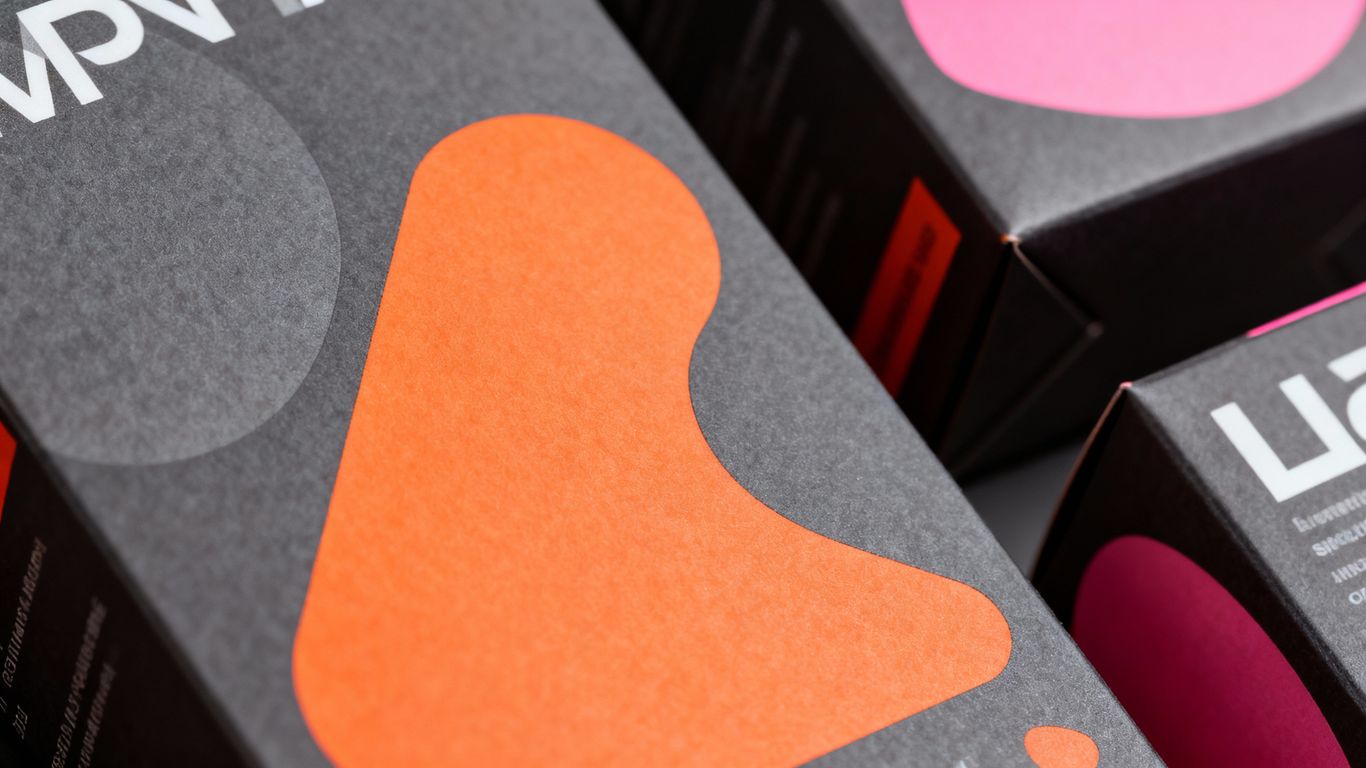
Fort Worth is a city with a deep connection to its Western roots. This heritage isn't just about cowboys and cattle anymore; it's influencing how businesses, big and small, present themselves. We're seeing a real trend in packaging that pulls from this history, blending old-school authenticity with modern design. It’s about more than just looking good; it’s about telling a story and connecting with people on a deeper level. These fort worth packaging trends are really something to watch.
Key Takeaways
Brands are using Western design elements like earth tones, vintage fonts, and natural textures to create a sense of durability and timelessness in their packaging.
Storytelling is a major part of these fort worth packaging trends, with companies sharing frontier narratives and heritage to connect emotionally with consumers.
Rodeo values such as authenticity and resilience are being adopted by brands across various industries, not just Western wear, to build trust and community.
Packaging design often incorporates subtle symbolic elements and focuses on material choices that suggest handcrafted origins and quality craftsmanship.
Fort Worth's historic identity, linked to cattle and commerce, is being translated into packaging through iconic symbols and references to ranching innovations.
Fort Worth Packaging Trends: Embracing Western Authenticity
When you think of Fort Worth, what comes to mind? Probably wide-open spaces, maybe a bit of dust, and definitely that unmistakable cowboy spirit. It’s a vibe that’s deeply ingrained in the city’s identity, and it’s showing up everywhere, especially in how brands are packaging their products. We're seeing a real move towards designs that feel genuinely Western, not just a cheap imitation. It’s about capturing that feeling of the frontier, the grit, and the honest work that built this place.
Visual Identity and Western Design Language
This isn't just about slapping a cowboy hat on a box. It's a whole aesthetic. Think earthy colors – deep browns, dusty tans, maybe a touch of faded denim blue or sunset orange. These aren't just pretty colors; they connect us to the land, to something real and grounded. The fonts often have a bit of character, too, maybe a little rough around the edges like old hand-painted signs you’d see in a frontier town. It’s about looking like it was made with care, not churned out by a machine. Even the way things are laid out can feel a bit more organic, less perfectly symmetrical, suggesting a natural, unforced style.
Storytelling Through Frontier Narratives
Packaging is becoming a storybook. Brands are using their boxes and labels to tell tales of the West, of pioneers, of the hard work and resilience that define cowboy culture. It’s a way to connect with people on a deeper level, making the product feel like part of a larger history. Think about brands that talk about their heritage, how they’ve been around for ages, maybe even referencing how their goods were used back in the day. It makes you feel like you’re not just buying something; you’re buying into a tradition. It’s like visiting the Stockyards Museum and seeing the actual tools of the trade – it gives you a real sense of the past.
The Role of Typography and Color Psychology
Color plays a huge part, obviously. Those warm, natural tones I mentioned? They make us feel secure, reliable. It’s a psychological thing, really. And the fonts, they’re not just letters. A good serif font with a bit of flair can instantly transport you back in time, making you think of craftsmanship and attention to detail. It’s all about creating a feeling, a mood, that matches the Western authenticity we’re talking about. It’s a subtle art, but when it’s done right, it really works.
The goal is to create packaging that feels like it belongs to the West, not just a generic product with a Western theme slapped on it. It’s about authenticity, history, and a connection to the land that Fort Worth represents so well.
Here’s a quick look at some common elements:
Color Palettes: Earth tones (browns, tans, ochre), muted reds, sage greens, dusty blues.
Typography: Serif fonts with character, distressed or vintage styles, hand-lettered influences.
Imagery: Natural landscapes, authentic ranch scenes, subtle nods to Western symbols (avoiding clichés).
Materials: Kraft paper, textured finishes, twine accents, wax seals (evoking a handcrafted feel).
Crafting Brand Narratives with Cowboy Culture
When we talk about Fort Worth, you can't really get away from the cowboy spirit, can you? It's everywhere, and brands are catching on. It’s not just about selling boots or hats anymore; it’s about selling a whole way of life, a set of values that people connect with. Think about it: independence, hard work, a connection to the land. These aren't just old-timey ideas; they still mean something to folks today.
Leveraging Rodeo Values for Marketing
Rodeo culture is a goldmine for brands. It’s packed with action, grit, and a real sense of community. Brands are tapping into this by showing the dedication it takes to compete, the resilience after a tough ride, and the shared cheers from the stands. It’s about more than just the sport; it’s about the spirit of the rodeo. This translates into marketing that feels genuine, not just some slick ad campaign. We see this in how brands talk about their products – not just as items, but as gear that helps you face challenges, whether that's on a horse or in your daily life.
Authenticity: Showing the real effort and passion behind the brand.
Resilience: Highlighting how products stand up to tough conditions.
Community: Connecting consumers through shared experiences and values.
Tradition: Honoring the history and heritage of Western life.
The cowboy archetype offers a powerful narrative. It speaks to a desire for freedom, self-reliance, and a connection to something real in a world that often feels artificial. Brands that can tap into this authentically find a loyal audience.
Authenticity and Heritage in Branding
This is where brands really shine. People are tired of fake. They want to know where things come from, who made them, and what the story is. For brands tied to Fort Worth, this means digging into their roots. Maybe it’s a family business that’s been around for generations, or a company that partners with local artisans. Telling these stories, showing the craftsmanship, and being upfront about the heritage builds a trust that’s hard to beat. It’s like saying, "We’re proud of where we come from, and we want you to be a part of that."
Aspect | Description |
|---|---|
Origin Story | Detailing the founding and early days. |
Craftsmanship | Showcasing the skill and care in production. |
Values | Communicating the core principles of the brand. |
Connecting with Consumers Through Shared Values
Ultimately, it all comes down to connection. When a brand’s story and values align with what a consumer believes in, that’s a powerful bond. For Fort Worth brands, this often means highlighting values like integrity, perseverance, and a down-to-earth approach. It’s about creating packaging and marketing that doesn't just look good but feels right. It should evoke a sense of place, a sense of history, and a sense of belonging. When consumers see themselves reflected in a brand’s narrative, they’re more likely to stick around, not just for the product, but for what the brand represents.
Packaging Design: Reflecting Durability and Craftsmanship
When we talk about Fort Worth brands, especially those tied to cattle and cowboy culture, the packaging has to feel right. It's not just about holding the product; it's about telling a story of toughness and skill. Think about the gear a rancher uses – it's built to last, made with care. That's the vibe we're seeing more and more in packaging design.
Material Choices and Tactile Experiences
Brands are really paying attention to what their packaging feels like. Forget flimsy cardboard that crushes easily. We're seeing a move towards heavier stocks, textured papers, and even materials that mimic leather or wood grain. It’s about creating a physical connection that says, "This is quality." Using things like thick, uncoated paper or even incorporating elements like twine or wax seals can really make a product stand out. It gives the consumer something substantial to hold, a tangible link to the brand's commitment to quality. This focus on tactile experience is a big deal for brands wanting to convey a sense of ruggedness and long-lasting value.
Incorporating Symbolic Elements Subtly
It's easy to go overboard with cowboy imagery, but the best designs are smart about it. Instead of big, bold graphics, think about subtle nods. Maybe it's a debossed pattern that looks like a brand mark, or a color palette drawn from the natural landscape – dusty browns, deep blues, and sunset oranges. Sometimes, a simple silhouette of a horse or a steer, used sparingly, can say a lot without being loud. It’s about hinting at the Western heritage rather than shouting it. This understated approach often feels more sophisticated and authentic, appealing to a broader audience who appreciate the aesthetic without needing a full-on rodeo experience. It’s about evoking a feeling, not just slapping on a picture.
Handcrafted Origins and Small-Batch Aesthetics
There's a growing appreciation for things that feel made by hand, even if they're produced on a larger scale. Packaging that looks like it came from a small workshop, using techniques like letterpress printing or hand-tied ribbons, really hits the mark. It suggests that care and attention went into every step. This aesthetic communicates that the brand values tradition and the skill involved in making things. It’s a way to connect with consumers who are looking for authenticity and a break from mass-produced sameness. For example, a local coffee roaster might use a simple, stamped logo on a brown paper bag, giving it that artisanal feel. This approach helps build trust and a sense of genuine connection, much like the Acadian Crossing Consumer brand strategy that emphasizes unique market positioning.
The emphasis on durability and craftsmanship in packaging isn't just a trend; it's a reflection of core values. It speaks to a heritage of hard work, reliability, and a deep respect for well-made goods. This translates into packaging that not only protects the product but also enhances its perceived value and tells a story of authenticity.
Here are some key elements that contribute to this design philosophy:
Material Selection: Prioritizing sturdy, natural, or textured materials that feel substantial and long-lasting.
Subtle Symbolism: Integrating Western motifs and imagery in understated, elegant ways.
Artisanal Touches: Employing printing techniques or finishing details that suggest handcrafted quality and small-batch production.
Color Palettes: Drawing inspiration from the natural Western landscape for a grounded, authentic feel.
Typography: Choosing fonts that evoke a sense of history, reliability, or handcrafted lettering.
Cultural Integration Across Diverse Industries
It might seem like the whole cowboy and cattle brand aesthetic is just for, well, cowboy hats and boots, but that's really not the case anymore. We're seeing this Western vibe pop up in all sorts of unexpected places, and honestly, it's pretty cool.
Beyond Western Wear: Tech and Automotive
Think about it: even tech companies are getting in on this. They're not slapping a cowboy hat on their logo, of course. Instead, they're using packaging that feels really solid, maybe with a bit of a rugged texture, or using colors that remind you of the open range. It’s about conveying a sense of reliability and maybe a bit of that pioneering spirit that built the West. For automotive brands, this can translate into packaging that feels durable, like it can handle anything, much like a trusty pickup truck. It’s a subtle nod to the hardiness and self-reliance that the Western image often brings to mind. It’s about making a product feel like it’s built to last, a quality many associate with the frontier spirit. This approach helps them stand out in crowded markets, offering a narrative of strength and dependability.
Luxury Goods and Frontier Aesthetics
Luxury brands are also finding ways to weave in these elements. It’s not about being overtly Western, but more about capturing that sense of heritage and craftsmanship. Imagine a high-end watch box with a subtle, embossed pattern reminiscent of a cattle brand, or a perfume bottle with a cap that has a handcrafted feel. These details speak to a history, a story of skilled artisans working with quality materials. It’s about evoking a sense of timelessness and authenticity, qualities that are highly prized in the luxury market. This kind of branding can create a unique selling proposition, connecting with consumers who appreciate both exclusivity and a connection to tradition. It’s a way to add depth and character to products that might otherwise feel a bit generic. For example, RRL by Ralph Lauren has built a following by focusing on vintage Western wear and historical preservation projects, showing how this can build brand credibility within communities.
Food, Beverage, and Financial Services Applications
Even in food and beverage, you see this influence. Think about craft breweries using packaging with earthy tones and simple, bold graphics that hint at a rustic, down-to-earth quality. Or specialty coffee brands that might use packaging with a texture that feels like worn leather. It’s about creating a sensory experience that aligns with a certain lifestyle. And believe it or not, financial services are getting in on it too. They might use packaging for new account kits that has a sturdy, reliable feel, perhaps with a subtle design element that suggests growth and stability, like a stylized, modern take on a ranch fence. It’s all about building trust and conveying a sense of enduring value. The key is to be authentic and avoid just slapping on a cowboy hat. It’s about understanding the core values associated with Western culture – like hard work, integrity, and a connection to the land – and translating those into packaging that feels genuine and relevant to the product or service being offered.
Authenticity is the name of the game here. Consumers are pretty good at spotting when a brand is just trying to cash in on a trend without really understanding the culture behind it. Genuine integration means respecting the heritage and values, not just borrowing the aesthetics. It's about telling a story that feels real and earned.
The Influence of Fort Worth's Historic Identity

Fort Worth's history is deeply tied to cattle and commerce, and that connection really shows up in its packaging designs. It’s not just about slapping a cowboy hat on something; it’s about tapping into a whole vibe. Think about the old days, when trails turned into railroads and this city became a major hub. That whole transformation from a dusty outpost to a bustling "Cowtown" is a story that brands can really use.
Tangible Links to Cattle and Commerce
The city's past as a central point for livestock trading means there's a rich visual language to draw from. We're talking about the actual buildings, like the Livestock Exchange Building, and the sheer scale of operations that once happened here. Packaging can reflect this by using textures that feel sturdy, like worn leather or rough wood, and colors that evoke the earth and the open range. It’s about making the product feel like it has roots, like it’s part of that long tradition of hard work and getting things done. This connection to the past helps create a sense of trust and authenticity, which is a big deal for consumers these days. It’s like giving your product a backstory that people can connect with, drawing on the history of places like the Fort Worth Stockyards.
Iconic Symbols of Cowtown Pride
Fort Worth has its own set of symbols that scream "Western." Beyond the obvious cowboy boots and hats, there are subtler nods to the city's heritage. Think about the specific architectural styles found in the historic districts or the imagery associated with the famous Stock Show & Rodeo. These elements can be incorporated into packaging in smart ways. Maybe it's a specific pattern, a silhouette, or even a color palette that references the city's past. The goal is to create something that feels uniquely Fort Worth, something that locals and visitors alike recognize and appreciate. It’s about more than just a logo; it’s about embedding a piece of the city’s soul into the product.
Revolutionary Ranching Innovations in Design
It wasn't just about moving cattle; it was about figuring out how to do it on a massive scale. The innovations in ranching and the livestock industry back then were pretty groundbreaking for their time. Packaging can hint at this spirit of ingenuity. This could mean using clever structural designs that are both functional and visually interesting, or incorporating elements that suggest efficiency and forward-thinking, even while referencing the past. It’s about showing that the brand, like Fort Worth itself, has a history of smart solutions and a drive to improve. This approach can make a product feel both classic and modern, a tricky balance that really pays off.
The history of Fort Worth is a story of transformation, driven by the cattle industry. This legacy provides a deep well of inspiration for brands looking to connect with consumers on a more authentic level. It’s about more than just aesthetics; it’s about conveying a sense of heritage, resilience, and the spirit of innovation that built the city. By thoughtfully integrating these historical influences, packaging can tell a compelling story that resonates with a wide audience.
Here’s a look at how different eras shaped the city's identity:
Pre-1876: Open Range & Trail Town - Fort Worth was an outpost, a natural stop for drovers. This era established its connection to the cattle trade.
1876-1890: Railroad Arrives & Growth Begins - The railway made Fort Worth a major shipping point, attracting more business and capital.
1890-1920s: “Cowtown” Zenith & Packer Era - This was the peak, with the Stockyards and packing plants solidifying Fort Worth as an industrial power and shaping its identity.
1930s-1950s: Modernization & Diversification - Adapting to new transport and beginning to branch out into other industries, while the Stockyards remained key.
Preserving Tradition Through Modern Packaging
Keeping old ways alive in today's fast-paced world is a challenge, especially for brands tied to heritage. For Fort Worth businesses, this means packaging that respects the past while looking forward. It's about making sure that the spirit of the West, the grit of the ranch, and the heart of the community come through in every box and bag.
Generational Continuity and Trust
Packaging that feels familiar builds a bridge across generations. Think about how certain brands just feel like they've always been around. This isn't accidental; it's a deliberate choice to use design elements that evoke a sense of history and reliability. When a package shows multiple generations using the same products, it tells a story of enduring quality and trust passed down. It’s like a handshake across time, saying, "We've been here, and we'll be here for you too." This approach helps build a loyal following that feels more like family than just customers. It’s about creating a connection that goes beyond the transaction, making people feel part of something bigger.
Functional Elements Adapted for Lifestyle
Western wear, at its core, is about practicality. Boots need to be tough, hats need to offer shade, and shirts need to allow movement. Modern packaging can reflect this by highlighting the durability and thoughtful design of products. We're seeing a trend where packaging itself incorporates functional aspects, perhaps mimicking the sturdy construction of a saddlebag or the secure closure of a rancher's tool chest. It's not just about looking the part; it's about embodying the spirit of utility. This means materials that are robust, designs that are easy to open and reseal, and information that's presented clearly, much like a well-maintained piece of equipment. It’s about making the unboxing experience as practical and satisfying as using the product itself. For example, consider how some brands are now using packaging that can be repurposed, extending its life and utility, mirroring the resourcefulness of ranch life. This is a smart way to connect with consumers who value sustainability and practicality, offering them a complete solution that aligns with their lifestyle. You can see this kind of thoughtful design in how some food products are packaged, aiming for high-barrier compostable films that protect the contents while being kind to the environment.
Community Engagement and Cultural Preservation
Packaging can also be a tool for community building. Brands can use their packaging to tell stories about local artisans, historical events, or the natural landscape of Fort Worth. Including QR codes that link to videos about traditional crafts or local history, for instance, turns a simple package into an educational experience. This not only adds depth to the product but also supports the preservation of cultural knowledge. It’s a way for brands to actively participate in keeping traditions alive, not just by selling products, but by sharing the culture behind them. This can extend to supporting local events or initiatives, making the brand a visible part of the community fabric. It’s about more than just selling goods; it’s about contributing to the ongoing story of Fort Worth.
The most effective packaging acts as a silent ambassador, carrying the brand's heritage and values into the consumer's home. It’s a tangible piece of Fort Worth’s identity, designed to be both useful and meaningful, reinforcing the connection between the product, the place, and the people.
Keeping old ways alive with new packaging is a smart move. It helps traditions stay fresh and interesting for everyone. Want to see how we blend the past and future? Visit our website to learn more!
Wrapping It Up
So, it's pretty clear that whether you're selling boots or barbecue, leaning into that Fort Worth cowboy spirit and cultural vibe really works. It’s not just about slapping a brand on a product; it’s about telling a story that feels real and connects with people. From the look of the packaging to the tales you share, it all adds up to something folks can get behind. It seems like this blend of old-school grit and modern style is a winning combination for brands looking to stand out in Cowtown and beyond.
Frequently Asked Questions
Why are cowboy and Western designs popular for packaging in Fort Worth?
Cowboy and Western designs are popular because they connect with Fort Worth's history and culture. These designs often use earthy colors, rugged textures, and symbols like horseshoes or cattle brands to show strength, tradition, and a connection to the land. This makes products feel authentic and trustworthy, appealing to people who value heritage and craftsmanship.
How do brands use storytelling in packaging inspired by cowboy culture?
Brands use storytelling by sharing tales of the frontier, hard work, and independence. Packaging might feature images of cowboys on ranches or use text that hints at historical adventures. This helps customers feel a connection to the brand's past and values, making the product more than just an item – it becomes part of a larger story.
What kind of materials are used in Western-style packaging?
Packaging often uses materials that feel natural and durable, like thick paper, wood, or even leather-like textures. Sometimes, elements like twine, wax seals, or hand-drawn designs are added. These choices make the packaging feel special, like a handcrafted item, and remind people of the quality and care that goes into making Western goods.
Can businesses outside of the Western wear industry use cowboy-inspired packaging?
Absolutely! Many different types of businesses, from tech companies to food brands, use cowboy-inspired designs. They borrow the feeling of reliability, adventure, and authenticity that comes with cowboy culture. For example, a tech company might use rugged imagery to show their product is dependable, or a food brand might use ranch-style graphics to suggest natural, wholesome ingredients.
How does Fort Worth's history influence packaging design?
Fort Worth's history as a major cattle and commerce center, often called 'Cowtown,' deeply influences packaging. Designs might include old maps of the Stockyards, symbols like branding irons, or references to historic ranching innovations. These elements create a strong sense of local pride and connect the product directly to the city's unique heritage.
What's the goal of using traditional elements in modern packaging?
The main goal is to build trust and show that a brand is dependable, much like traditions passed down through generations. By using classic design ideas and symbols, brands can show they respect history and quality. This helps them connect with customers on a deeper level, making them feel like they are part of something lasting and meaningful.