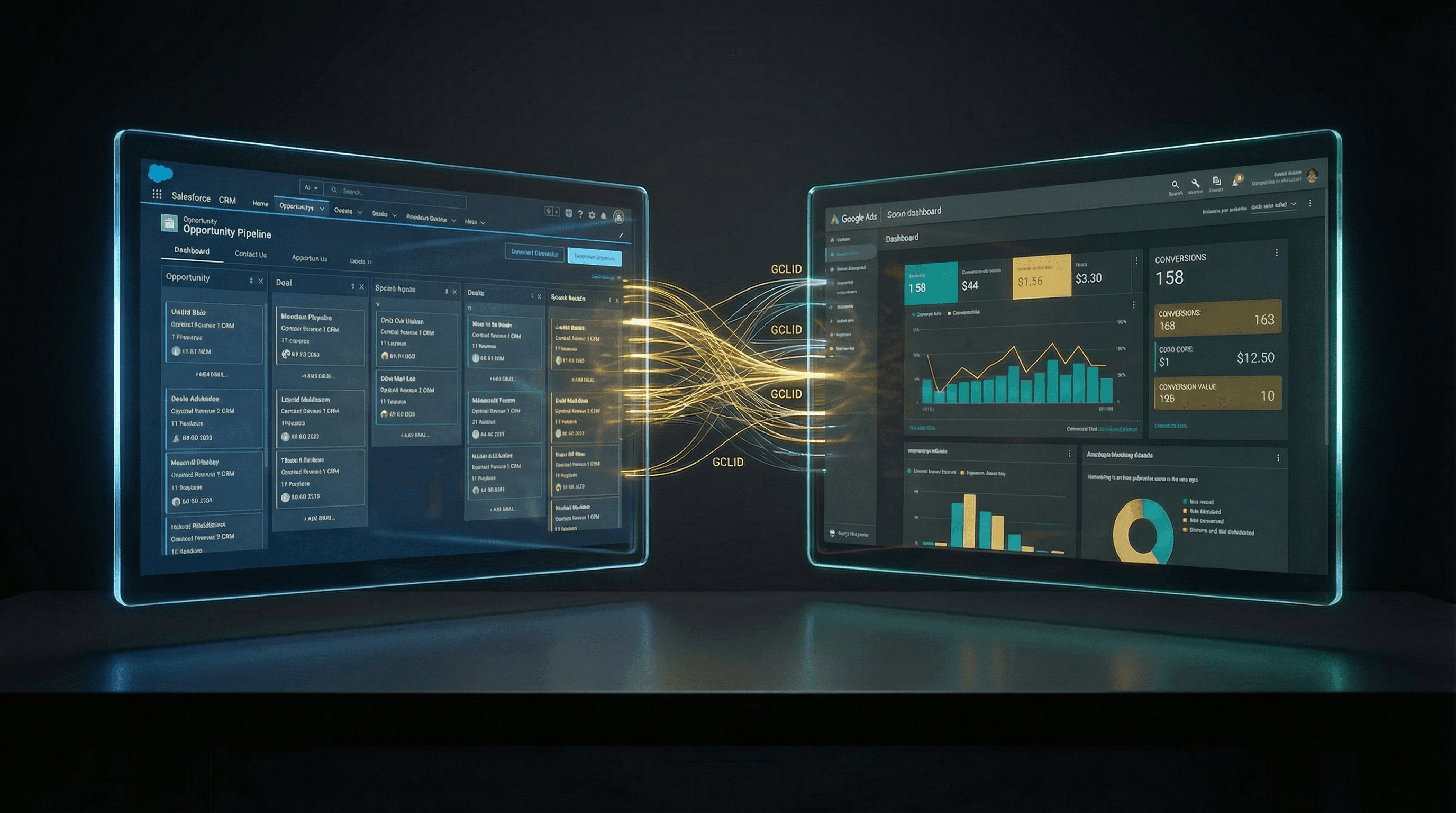
Carlos Courtney
Direct Mail
Direct Mail Campaigns: Integrating Traditional Tactics in Digital Era
In today's world, it feels like everything is online. Emails, social media, ads everywhere you look. But you know what? Sometimes, a good old-fashioned piece of mail can really make a difference. Direct mail campaigns, when done right, can actually cut through all that digital noise. It’s about mixing the best of both worlds – the feel of something real with the smarts of online tools. Let's talk about how these campaigns still work and how you can make them work even better for you.
Key Takeaways
Direct mail campaigns offer a tangible experience that digital methods often can't match, helping build trust and stand out.
Combining direct mail with digital strategies creates a stronger, multi-channel approach that reaches people in different ways.
Using data to personalize direct mail makes messages more relevant, which usually leads to better results.
Creative formats and materials can make direct mail pieces memorable and engaging for recipients.
Tracking results and adjusting your approach is key to making your direct mail campaigns more effective and cost-efficient over time.
The Enduring Appeal of Direct Mail Campaigns

Understanding the Tangible Advantage in a Digital World
It might seem a bit old-fashioned, right? Sending paper through the mail when everyone's glued to their screens. But here's the thing: that physical aspect is exactly why direct mail still works. In a world overflowing with digital noise – emails, social media ads, pop-ups – a piece of mail landing on your doorstep is different. It's something you can actually hold. This tangibility cuts through the clutter. Think about it, when was the last time you really felt an online ad? Probably never. Direct mail offers a physical presence that digital just can't replicate.
Why Direct Mail Continues to Resonate with Audiences
People are tired of being bombarded by digital messages. Studies show a lot of us feel overwhelmed by screens and constant notifications. This digital fatigue is actually pushing people back towards the familiar comfort of physical mail. When a well-designed postcard or brochure arrives, it stands out. It feels more personal, more considered. It's not just another notification to swipe away. This makes your message more likely to be seen and remembered. Plus, it reaches people who might not be as active online, broadening your audience.
Stands out from digital overload: Physical mail isn't competing with a million other things on a screen.
Creates a sensory experience: People can touch, hold, and interact with mailers.
Builds a sense of importance: Receiving mail can feel more significant than a digital alert.
Reaches a wider demographic: Catches individuals who may not engage with digital channels.
The simple act of receiving something tangible can create a stronger connection. It's a break from the fast-paced digital world, offering a moment of focused attention for your brand.
Building Trust Through Physical Interaction
There's a certain level of trust that comes with physical mail. When a company sends you something directly, it feels like they're making a real effort. It shows they've invested time and resources into reaching you specifically. This can make your brand seem more legitimate and reliable. Unlike a fleeting online ad, a physical piece of mail can sit on a desk or a kitchen counter, acting as a constant, subtle reminder of your brand. This persistent, yet non-intrusive, presence helps build familiarity and, ultimately, trust with potential customers.
Integrating Direct Mail with Digital Strategies
Think about it: we get bombarded with digital ads all day, every day. Emails, social media posts, banner ads – it's a lot. Sometimes, a physical piece of mail can actually cut through that noise. But just sending out flyers isn't enough anymore. The real magic happens when you connect that tangible mailer with your online efforts. It’s about making everything work together, not just in separate silos.
Creating Cohesive Multi-Channel Marketing Experiences
Making your direct mail and digital campaigns feel like they're part of the same conversation is key. You don't want a customer to get a postcard and then see completely different messaging on your website. That just confuses people. Instead, think about how one can lead to the other. A well-designed postcard might remind someone about a webinar they signed up for online, or a special offer in the mail could have a QR code that takes them directly to a personalized landing page.
Reinforce your brand message: Ensure the look, feel, and tone are consistent across all your touchpoints.
Guide the customer journey: Use mail to drive traffic to your website, social media, or a specific online offer.
Create a memorable interaction: Combine the physical impact of mail with the convenience of digital engagement.
Leveraging Digital Data for Direct Mail Personalization
This is where things get really interesting. All that data you collect online – website visits, purchase history, email opens – can be used to make your direct mail way more effective. Instead of a generic flyer, you can send something that speaks directly to that person's interests or past behavior. It’s like having a one-on-one chat, but on paper.
The more you know about your audience from their digital interactions, the more you can tailor your physical mail to feel personal and relevant. This makes recipients feel seen and understood, which is a big deal in building loyalty.
For example, if someone frequently browses a specific product category on your site, you can send them a mailer featuring new arrivals or special deals in that exact category. It shows you're paying attention.
Synergizing Physical Mail with Online Engagement
So, how do you actually make this connection happen? It’s about creating clear pathways. Think about including unique discount codes on your mailers that can only be redeemed online, or using personalized URLs (PURLs) that lead to custom web pages. You can also use direct mail to announce a new digital initiative, like a loyalty program or an app launch.
QR Codes: Simple, effective way to link physical mail to digital content.
Personalized URLs (PURLs): Direct recipients to web pages tailored specifically for them.
Call Tracking Numbers: Use unique phone numbers on mailers to track calls originating from that specific campaign.
Post-Purchase Follow-up: Send a thank-you note or care instructions via mail after an online purchase.
When done right, this blend of physical and digital makes your marketing feel more robust and less intrusive. It’s about meeting your customers where they are, with the right message, at the right time, whether that’s through their mailbox or their inbox.
Enhancing Direct Mail Campaigns with Data and Technology
Think of direct mail not just as paper in an envelope, but as a smart tool. Today, technology lets us make mail pieces way more effective than just sending out the same thing to everyone. It’s about using what we know about people to make the mail they get feel like it was made just for them.
The Role of Analytics in Personalizing Mailers
Analytics is basically looking at information to figure things out. For direct mail, this means digging into customer data. We can see who buys what, when they buy it, and what they seem interested in. This helps us avoid sending golf ads to someone who only ever buys cat food. This kind of smart targeting means less wasted mail and more people actually paying attention.
Here’s a quick look at how data helps:
Demographics: Age, location, income – basic stuff that tells us a lot.
Purchase History: What have they bought before? This is a big clue.
Online Behavior: What pages did they visit on our website? What did they click on?
Engagement: Did they open previous emails? Did they respond to past offers?
Using this information, we can create mail that feels personal. Imagine getting a postcard showing a product you just looked at online. That’s data at work, making the mail relevant.
Innovative Printing for Richer Content
Printing technology has come a long way. We’re not just talking about black ink on white paper anymore. Variable Data Printing (VDP) is a game-changer. It lets us change parts of the mail piece for each person without slowing down the whole print run. This means we can put their name right on the front, show them a product image they’ve viewed, or even tailor the offer based on their past purchases. It makes the mail feel much more direct and less like a mass advertisement.
Beyond VDP, there are other cool printing tricks:
Special Finishes: Think spot UV coatings for shine, embossing for texture, or metallic inks. These make the mailer stand out physically.
QR Codes and PURLs: These are bridges to the digital world. A QR code can take someone straight to a personalized landing page (PURL) with an offer just for them. This makes it easy to track who responded.
Augmented Reality (AR): Some mailers can now include AR elements. People can point their phone at the mailer and see a 3D product model, a video, or an interactive game. It’s pretty wild and definitely memorable.
Automating Mail Deliveries and Tracking Success
Getting mail out the door used to be a manual process. Now, we can automate a lot of it. Software can help manage mailing lists, sort addresses, and even schedule mail drops. This makes the whole process faster and more accurate. When it comes to tracking, things are getting much clearer too. By using unique codes, PURLs, or dedicated phone numbers on each mailer, we can see exactly which pieces are driving responses. This data is gold. It tells us what’s working and what’s not, so we can adjust our strategy for the next campaign. It’s about making direct mail work smarter, not just harder.
Maximizing Impact: Personalization and Targeting
Crafting Messages for Specific Audiences
Think about it: sending the exact same flyer to everyone on your list is like shouting into a crowded room and hoping someone specific hears you. It's just not efficient. To really make your direct mail count, you've got to get specific. This means really digging into who you're talking to. What are their interests? What problems are they trying to solve? What have they bought from you before? The more you know, the better you can tailor your message. It’s not just about putting their name on the envelope; it’s about making the whole piece feel like it was made just for them.
Personalization as a Shared Strength Across Channels
This idea of making things personal isn't new, but it's gotten way more powerful with today's tech. What's cool is that direct mail and digital marketing can actually work together on this. Digital ads can learn a lot about what people like based on what they click on or search for. Then, you can use that info to make your physical mail pieces more relevant. For example, if someone keeps looking at hiking boots online, you can send them a postcard featuring your new line of outdoor gear. It connects the dots for them.
Know your audience: Use data to create detailed profiles.
Tailor the offer: Match promotions to specific needs or past behavior.
Customize the visuals: Use images or language that speaks directly to them.
Personalize the call to action: Make it clear what you want them to do next.
Data-Driven Customization for Deeper Connections
Using data to customize your mailers is where things get really interesting. It’s not just about making a sale; it’s about building a relationship. When people feel understood, they tend to stick around longer. Imagine getting a piece of mail that references a previous purchase or acknowledges a preference you've expressed. It shows you're paying attention. This kind of thoughtful approach can make a big difference in how people see your brand.
The goal is to make each recipient feel like they're getting a one-on-one conversation, even though it's a mass mailing. This requires careful planning and a good understanding of your customer data.
Here’s a quick look at how different types of data can help:
Data Type | How It Helps Personalization |
|---|---|
Demographics | Age, location, income can inform general messaging and offers. |
Purchase History | Past buys suggest future interests and product preferences. |
Online Behavior | Website visits, clicks, and searches reveal active interests. |
Preferences | Stated interests or choices directly guide content selection. |
Measuring Success and Optimizing Campaigns
So, you've sent out your direct mailers. Now what? It's easy to just sit back and hope for the best, but that's not really how marketing works, is it? To really get the most out of your efforts, you've got to look at the numbers and figure out what's working and what's not. It’s all about making sure your money is well spent and that you’re actually reaching people.
Understanding Direct Mail Marketing Costs and ROI
First off, let's talk about the money. Direct mail isn't free, obviously. You've got printing costs, postage, maybe design fees, and the cost of getting your mailing list. It all adds up. But the big question is, are you getting enough back for what you're putting in? That's where Return on Investment, or ROI, comes in. It's basically a way to see if your campaign is making you more money than it's costing you.
Here's a simple way to think about it:
Total Revenue Generated by Campaign: This is all the money you made directly because of this mailer.
Total Campaign Cost: This includes everything – printing, postage, design, list rental, everything.
ROI = ((Total Revenue - Total Campaign Cost) / Total Campaign Cost) * 100
So, if you spent $1,000 and made $3,000 back, your ROI is 200%. Pretty good, right? If you spent $1,000 and only made $800, well, that's a negative ROI, and you need to figure out why.
Analyzing Campaign Performance for Future Improvements
Once you know your ROI, you need to dig a bit deeper. What exactly made people respond? Was it the offer? The design? The headline? You need to track these things. Using unique promo codes for different mailers, or having a specific phone number or website landing page for each campaign, can really help you see where the responses are coming from. It’s like having little breadcrumbs leading you back to what worked.
Think about these points:
Response Rate: How many people actually did something after getting the mail? This is usually measured as a percentage of the total mail sent.
Conversion Rate: Of the people who responded, how many actually became customers or took the desired action (like making a purchase)?
Cost Per Acquisition (CPA): How much did it cost you, on average, to get one new customer from this campaign?
Looking at these numbers helps you understand the customer journey. Did a lot of people open the mail but not buy? Maybe the offer wasn't strong enough. Did very few people respond at all? Perhaps the targeting or the initial message needs work.
The real magic happens when you connect your direct mail efforts with your digital tracking. If you send a mailer with a QR code that leads to a specific webpage, you can then track how many people visited that page, what they did there, and if they eventually made a purchase. This kind of cross-channel tracking gives you a much clearer picture than looking at each channel in isolation.
Testing Strategies for Optimal Results
Never just send one big batch and assume it's perfect. You've got to test. Start small. Send out a few different versions of your mailer to small groups of your target audience. Try a different headline on one, a different offer on another, or even a different color scheme. See which one gets a better response rate.
A/B Testing: Send version A to one group and version B to another, then compare the results.
Offer Testing: Test different discounts, freebies, or bundles to see what motivates people most.
Design Testing: Experiment with different layouts, images, and calls to action.
By testing, you're not just guessing; you're gathering data to make informed decisions. This way, when you're ready to send out your main campaign, you'll know what's most likely to work. It takes a bit more effort upfront, but it can save you a lot of money and boost your results significantly in the long run.
Creative Formats for Memorable Direct Mail
Exploring Diverse Mailer Designs and Materials
Forget the plain white envelope. When you’re thinking about direct mail, get creative! The physical nature of mail means you can play with different shapes, sizes, and even the feel of the paper. Think about what will make someone stop and actually look at what you sent. A unique format can make your message stick long after it's been read.
Innovative Formats That Capture Attention
Sometimes, the way a piece of mail is put together is just as important as what's inside. You can use things like:
Fold-outs: These give you more space to tell a story or show off products without making the initial piece too bulky. They create a little surprise when opened.
Die-cuts: These are custom shapes cut into the paper. Imagine a mailer shaped like the product you're selling, or a key to unlock a special offer. It’s a visual cue that grabs attention.
Dimensional mailers: These aren't flat! They can be boxes or other 3D shapes that stand out on a desk. They feel more like a gift and are great for making a big impression, especially for high-value offers.
Sensory Engagement for Lasting Impressions
Direct mail has an advantage digital just can't match: it engages the senses. You can make people feel something, literally. Consider these ideas:
Textured paper: Using a heavier stock with a noticeable texture can make your mailer feel more premium and important.
Special finishes: Think about spot UV coatings that make certain parts of your design shiny and stand out, or even embossing to create raised lettering.
Scented inks: While less common, a subtle scent related to your product or brand can create a very memorable experience.
The goal is to make your direct mail piece an experience, not just an advertisement. When people can touch, see, and even smell something from your brand, it creates a stronger connection than a fleeting digital ad ever could. This tactile interaction helps your message linger in their minds.
The Future is Hybrid
So, what's the takeaway here? Direct mail isn't dead, not by a long shot. It's just evolving. By mixing that good old-fashioned tangible mail with smart digital tactics, businesses can really connect with people in ways that feel both personal and modern. Think of it as giving your customers the best of both worlds – the solid feel of something real in their hands, backed up by the quick, targeted reach of the online space. As we move forward, expect to see even more clever ways these two approaches work together, making marketing campaigns that are not just seen, but truly felt and remembered. It’s about building those lasting relationships, one well-placed postcard and one targeted ad at a time.
Frequently Asked Questions
Why is direct mail still a good idea when we have the internet?
Even though we have tons of online stuff, getting mail in your hand feels special. It's something you can hold, which makes people pay more attention. Plus, not everyone is always online, so mail can reach more people. It's like a physical reminder that stands out from all the digital ads.
How can sending mail help my business online?
Sending mail can actually point people to your website or social media. You can put a special code or website address on your mailer that people use when they visit online. This way, the mail you send helps bring people to your digital world, making your online efforts stronger.
Can I make my mail special for each person who gets it?
Yes, you absolutely can! We can use information about your customers, like their names or what they like, to make the mail they receive feel like it's just for them. This makes them feel more important and more likely to respond.
Is sending mail expensive compared to online ads?
It might seem like it costs more at first, but direct mail can actually bring in more customers for your money. When people get mail, they often pay attention longer and are more likely to buy something. So, while the upfront cost might be higher, the results can be worth it.
How do I know if my direct mail campaign is working?
We can track how well your mailers are doing. You can ask people to use a special coupon, call a specific phone number, or visit a certain website. By counting how many people do these things, we can see if the mail is bringing in customers and how much money it's making for your business.
What kind of mail can I send out?
You can send all sorts of things! Postcards, letters, colorful flyers, and even bigger catalogs are common. You can also get creative with different paper types and shapes to make your mail really grab attention and be something people remember.