Carlos Courtney
Strategy
Bundle Offer Creation: Packaging Products for Perceived Value
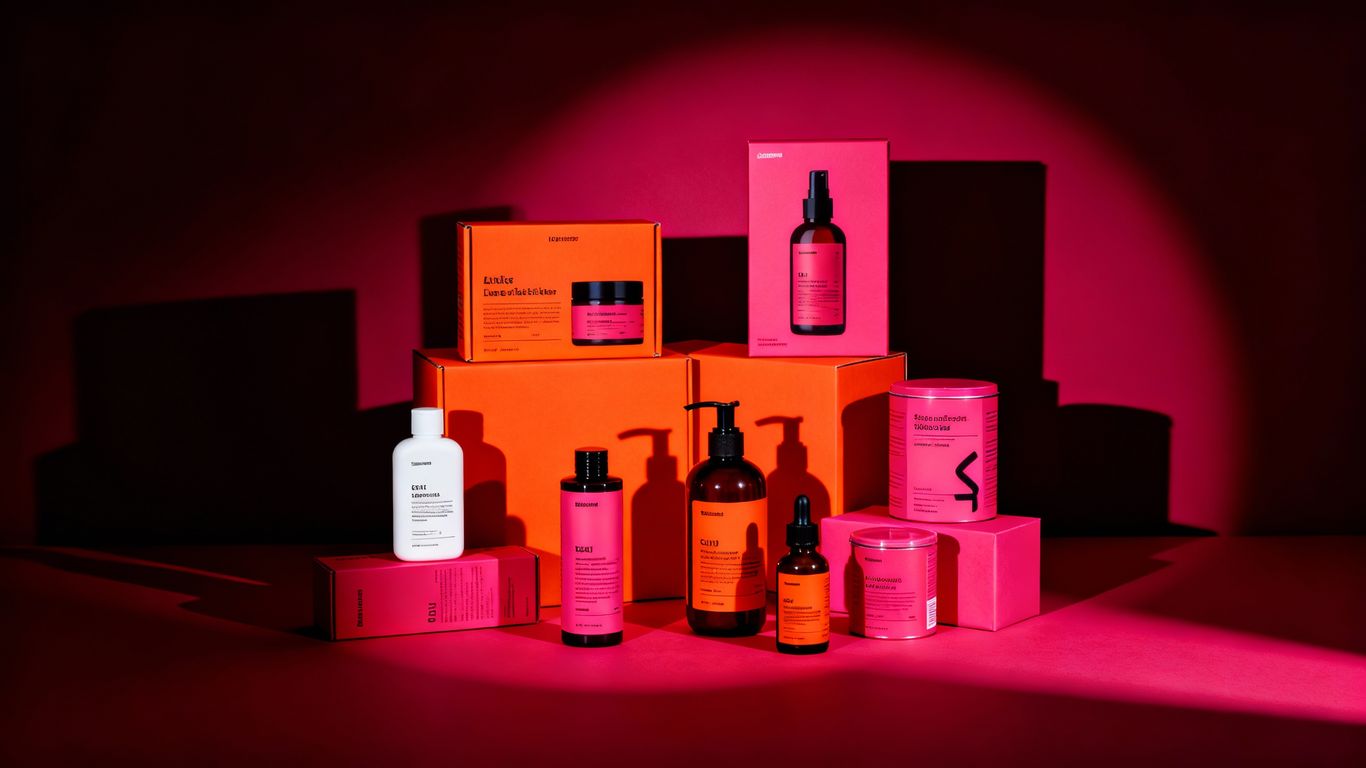
Making a product bundle that people actually want to buy can feel like a puzzle. It's not just about throwing a few things together and hoping for the best. You need to think about what makes a bundle feel like a good deal, not just a way to clear out old stock. This article breaks down how to get your bundle offer creation right, so customers feel like they're winning.
Key Takeaways
Product bundles combine items into one package, often at a lower price, to make customers feel they're getting more for their money. This is a smart way to boost sales.
To make good bundles, you have to know who you're selling to. Figure out what they like and what problems they need solved.
Pick products that make sense together. Pairing popular items with new ones or things that go hand-in-hand can make the bundle more appealing.
How you price your bundle matters a lot. Show customers the savings clearly and consider prices that feel like a bargain.
Think about the whole experience, from how the bundle looks to how easy it is to buy. Good packaging and clear marketing make a big difference.
Understanding the Power of Bundle Offer Creation
What Constitutes a Product Bundle?
A product bundle is essentially a package deal. It's when you group two or more items together and offer them as a single purchase, usually at a price that's less than if someone bought each item separately. Think of it like getting a meal deal at a restaurant instead of ordering the burger, fries, and drink one by one. It simplifies the decision for the customer and makes them feel like they're getting a good deal. Bundles can be pure, meaning you can only buy the items as a set, or mixed, where you can still buy them individually but the bundle price is more attractive. Sometimes, they're cross-promotional, bringing together related items from different categories to encourage customers to explore more of what you offer.
The Strategic Advantage of Bundling
Bundling isn't just about clearing out inventory; it's a smart move for your business. It taps into a customer's desire to get more for their money, making them feel like they're winning. This strategy can really boost how much a customer spends with you in one go. It also makes shopping easier. Instead of figuring out if they need item A, then item B, then item C, they just decide on the bundle. This can be a lifesaver when people are busy or unsure about what exactly they need. Plus, it's a fantastic way to introduce newer or less popular items by pairing them with your bestsellers. People are more likely to try something new if it comes bundled with something they already know and like.
Key Benefits Driving Bundle Offer Creation
Why bother with all the effort of creating bundles? Well, the advantages stack up pretty nicely.
Increased Average Transaction Value: Customers tend to spend more when they see a bundle as a bargain. You're not just selling one item; you're selling a package, which naturally leads to a higher total sale.
Simplified Purchasing Decisions: Choice overload is real. Bundles cut through the clutter. Customers only have to make one decision – buy the bundle or not – which makes the buying process smoother and less stressful.
Introduction of New Products: Bundling is a great way to give new or slow-moving items a boost. By pairing them with popular products, you increase their visibility and give customers a low-risk way to try them out.
Improved Inventory Management: Need to move certain stock? Bundling can help. You can pair items that aren't selling as well with your popular products, helping to balance out your inventory.
The psychology behind bundling is powerful. It plays on the idea of 'transaction utility' – the satisfaction a customer feels from getting a great deal. When items are grouped and priced lower than their individual costs, customers focus on the overall savings, not the individual item prices. This mental accounting makes the bundle feel like a win.
Identifying Customer Needs for Effective Bundling
What Constitutes a Product Bundle?
So, what exactly is a product bundle? At its core, it's just a collection of different items that you package together and sell as a single unit. Think of it like a "choose your own adventure" for shopping, but with a pre-selected cast of characters. The magic happens when these items, when bought together, feel like a better deal or a more complete solution than buying them one by one. It's not just about throwing random things into a box; it's about thoughtful curation.
The Strategic Advantage of Bundling
Why bother with bundles? Well, they're pretty smart. For starters, they can really simplify things for your customers. Imagine walking into a store and seeing a "complete starter kit" for something you're interested in, instead of having to figure out every single piece you need. That's a bundle at work. It cuts down on decision fatigue, which, let's be honest, we all suffer from these days. Plus, it's a fantastic way to introduce people to new products they might not have picked up on their own. It’s like a guided tour of your product catalog.
Key Benefits Driving Bundle Offer Creation
There are a few big reasons why businesses love creating bundles:
Increased Sales Volume: Bundles often encourage customers to buy more items than they initially planned. It feels like a good deal, so why not grab a few extra things?
Higher Average Transaction Value: Because customers are buying more, the total amount they spend in one go goes up. Cha-ching!
Simplified Customer Choice: As we mentioned, too many options can be overwhelming. Bundles present a clear, easy decision.
Inventory Management: Need to move some stock? Bundling slower-moving items with popular ones can help clear out inventory without making it obvious.
Customer Satisfaction: When a bundle solves a problem or offers a clear saving, customers feel good about their purchase. It’s a win-win.
The real power of a bundle isn't just the discount; it's the story it tells. It's about presenting a solution, a complete experience, or a shortcut to satisfaction. When done right, it feels less like a purchase and more like a smart decision.
Researching Your Target Audience
Okay, so you want to make bundles that people actually want to buy. Where do you start? You gotta know who you're selling to. It sounds obvious, but really digging into this makes a huge difference. Think about who your ideal customer is. What are they into? What problems are they trying to solve? What do they complain about when they shop for things like yours?
Talk to them: Send out surveys, run polls on social media, or even just chat with customers when they come into your store or contact support. Ask them what products they use together or what they wish they could buy as a set.
Look at the data: What are people buying together already? Your sales records can tell you a lot. If customers frequently buy product A and then product B, that's a strong hint for a bundle.
Watch the competition: What are other people in your space doing with bundles? Don't copy them, but see what seems to be working (or not working) for them.
Developing Comprehensive Customer Personas
Once you have a general idea of your audience, it's time to get more specific. Creating customer personas is like building a character profile for your ideal shopper. This isn't just a name and an age; it's about giving them a life, a job, hobbies, and most importantly, needs and pain points related to your products.
Let's say you sell art supplies. You might have a persona like:
Persona Name | Age | Occupation | Hobbies | Pain Points | Needs Related to Art Supplies |
|---|---|---|---|---|---|
Creative Clara | 28 | Graphic Designer | Painting, Sketching | Limited time, wants quality materials without breaking the bank | Needs a convenient way to get essential paints and brushes for weekend projects. |
Budding Ben | 19 | Student | Digital Art, Animation | Budget-conscious, needs to learn new techniques | Wants affordable starter kits for different mediums to experiment with. |
Having these detailed personas helps you think about bundles from their perspective. Would "Creative Clara" go for a "Weekend Warrior Paint Set"? Probably. Would "Budding Ben" appreciate a "Digital Art Starter Pack"? You bet. It makes the whole process of selecting products and pricing them feel much more targeted and effective.
Strategic Product Selection for Bundles
Picking the right items to put together is kind of the whole point, right? It’s not just about shoving a few things into a box and hoping for the best. You’ve got to be smart about it. Think about what makes sense together, what your customers actually want, and how you can make it all feel like a really good deal.
Pairing Complementary Products
This is probably the most straightforward way to build a bundle. You’re looking for items that naturally go together, things that one makes the other better or more useful. For example, if you sell coffee makers, a bundle could include a bag of premium coffee beans, a set of nice mugs, and maybe some flavored syrups. It’s about creating a complete experience. Customers see this and think, "Oh, that’s everything I need!" It saves them the hassle of figuring out what else to buy.
Kitchenware: A set of good knives paired with a knife sharpener and a cutting board.
Gardening: A trowel, gardening gloves, and a packet of popular seeds.
Tech: A new smartphone with a protective case and screen protector.
When products work together, the bundle isn't just a collection of items; it becomes a solution. This synergy is what customers are really buying into.
Combining Best-Sellers with New Items
Got a product that flies off the shelves? Pair it with something new you’re trying to get noticed. This is a great way to introduce customers to items they might not have tried otherwise. They’re already interested in the bundle because of the popular item, so they’re more likely to give the new thing a shot. It’s a win-win: you move your popular item and give your new product a boost.
Example: A popular skincare serum bundled with a newly launched face mask.
Benefit: Reduces the risk for customers trying a new product.
Outcome: Increases visibility and trial for new inventory.
Leveraging Leader Bundling Strategies
This is a bit like the best-seller approach, but with a specific goal: using a strong, well-known product to pull along other items. Sometimes, you might bundle a high-demand item with a couple of less popular but still related products. The idea is that the popularity of the
Pricing Strategies to Enhance Perceived Value
Pricing is where the magic really happens when it comes to making a bundle feel like a steal. It's not just about slapping a few items together; it's about making customers feel like they're getting a fantastic deal they'd be silly to pass up.
Communicating Clear Discounts
This is probably the most straightforward way to show customers they're winning. Don't hide the savings! Make it super obvious how much money they're keeping in their pocket by choosing the bundle over buying each item separately. People like to feel smart about their purchases, and seeing a clear discount helps them feel exactly that.
Show the original price of each item.
Show the bundle price.
Clearly state the total savings (e.g., "Save $25!").
**Use percentages too, like "20% off when you buy the bundle."
Implementing Psychological Pricing Tactics
Beyond just showing the savings, there are some clever tricks to make prices seem even more appealing. Think about how prices are presented. Ending a price in .99 or .95, for example, can make it feel significantly cheaper than, say, $50.00, even though the difference is tiny. It plays on how our brains process numbers.
Customers often react more favorably to prices that appear lower, even if the actual difference is minimal. This is why you'll see prices like $19.99 so often. It's a small tweak that can make a noticeable difference in how a price is perceived.
Exploring Tiered Bundle Pricing
Not everyone has the same budget or needs the same amount of stuff. Offering different levels of bundles can be a smart move. You could have a basic bundle, a standard bundle, and a premium bundle. This way, you cater to a wider range of customers and budgets, and it also gives people an easy upsell path if they're feeling generous.
Here's a quick look at how that might work:
Bundle Tier | Included Items | Price |
|---|---|---|
Basic | 2 Core Items | $29.99 |
Standard | 2 Core + 1 Add-on | $44.99 |
Premium | 2 Core + 2 Add-ons | $59.99 |
This approach lets customers pick the bundle that best fits their wallet and their needs, making the offer feel more personalized and accessible.
Designing the Bundle Experience
Investing in High-Quality Packaging
Think about the last time you got a gift that was wrapped beautifully. It felt special, right? The same idea applies to your product bundles. Good packaging isn't just about keeping things together; it's about making the whole package feel like a premium item. When you put effort into how your bundle looks, customers see that. It tells them you care about the details and that this isn't just a random collection of stuff thrown into a box. High-quality packaging can make a bundle feel like a thoughtful present, even if it's for yourself. It adds to the overall impression of value and can make the unboxing part of the experience something customers look forward to.
Optimizing Product Placement and Display
Once you've got your bundle all packaged up, you need to show it off. Where and how you display your bundle makes a big difference in how many people notice it and decide to buy. On your website, this means using clear, attractive photos that show off all the items in the bundle. Don't just show one product; give them the full picture. Write descriptions that highlight why these items work so well together and what kind of savings or benefits the customer gets. In a physical store, think about eye-level placement or special end-cap displays. Make it easy for shoppers to see your bundle and understand its appeal at a glance.
Here are a few display ideas:
Website Hero Section: Feature your best bundles prominently on your homepage.
Dedicated Bundle Page: Create a specific section on your site just for bundles.
In-Store End Caps: Use high-traffic areas in your physical store for special bundle displays.
Cross-Promotion: Link to relevant bundles from individual product pages.
The way a bundle is presented can significantly influence a customer's decision to purchase. It's not just about the products inside, but the entire presentation from the moment they see it to the moment they open it. A well-designed experience turns a simple purchase into a positive interaction with your brand.
Marketing Your Bundle Offer Creation
So, you've put together some killer product bundles. Awesome! But all that hard work won't mean much if nobody knows about them. Getting the word out is just as important as picking the right products and setting the right price. It’s about making sure your customers see the value you’re offering.
Leveraging Multi-channel Marketing
Don't just stick to one way of telling people about your bundles. Think about all the places your customers hang out. Email is still a big one; send out newsletters highlighting your new bundle deals. Social media is huge too – post about them on Facebook, Instagram, maybe even TikTok if that fits your brand. Paid ads can also be super effective. You can target specific groups of people who are likely to be interested in what you're selling. It’s all about meeting your customers where they are. For instance, running targeted ads on platforms like Facebook and Instagram can reach your ideal customers effectively. You can also use your bundles for gift guides, creating a special landing page on your online store that you promote via email and social media. This helps raise awareness of your bundles across multiple sales channels.
Creating Limited-Time Offers
People tend to act faster when they think something won't be around forever. So, making your bundles a limited-time deal can really push sales. Think of it like a flash sale, but for your bundles. This creates a sense of urgency, which is a pretty powerful motivator. It encourages quicker purchasing decisions and can really boost your sales volume in a short period. You might even consider offering a bundle at checkout as a last-minute incentive to increase profit margins and optimize the shopping cart experience.
Utilizing Targeted Advertising
This ties into the multi-channel idea, but it's worth its own point. Instead of just blasting your bundle offer everywhere, be smart about it. Use the data you have about your customers to show the right bundles to the right people. If you know a certain group loves product A and product B, and you've bundled them, make sure they see that ad. This makes your advertising spend go further and means you're not annoying people who aren't interested. It’s about making your marketing feel helpful, not intrusive.
When you're marketing your bundles, always remember to clearly show the savings. People are buying because they think they're getting a good deal. If that discount isn't obvious, you're missing a big part of the appeal. Make the savings a key part of your bundle messaging.
Here's a quick look at how different channels can work:
Email: Announce new bundles, offer exclusive subscriber deals.
Social Media: Share visually appealing posts, run contests, use customer testimonials.
Paid Ads: Target specific demographics and interests, retarget website visitors.
Website: Feature bundles prominently on your homepage and product pages.
Tracking how well each of these methods works is key. You want to know where your sales are coming from so you can focus your efforts. This strategy can lead to a measurable lift in sales and is a common tactic in retail. Bundling products increases the perceived value of a transaction, encouraging customers to buy more items at once.
Testing and Optimizing Your Bundles
So, you've put together a killer bundle. Awesome! But don't just set it and forget it. The real magic happens when you keep an eye on how it's doing and tweak things to make it even better. It’s like fine-tuning a recipe; you taste it, adjust the seasoning, and try again. This is where testing and optimization come in, turning a good bundle into a great one.
Conducting A/B Tests on Bundle Configurations
This is where you get a bit scientific. You create two (or more!) versions of your bundle and see which one performs better. Think of it as a popularity contest for your products. You could test different combinations of items, maybe swap out one product for another, or even change the order they're presented in. It’s also a great way to see if a different price point makes a difference. For example, does offering a bundle at $49.99 convert better than $52.50? You won't know unless you test it. We found that testing different discount percentages really moved the needle on sales.
Here’s a quick look at what you might test:
Bundle Contents: Swapping one item for a similar but perhaps more popular one.
Pricing: Trying out different price points or discount structures (e.g., percentage off vs. fixed amount off).
Bundle Name: Seeing if a benefit-driven name attracts more buyers than a descriptive one.
Promotional Messaging: Testing different taglines or descriptions that highlight the bundle's value.
Establishing a Customer Feedback Loop
Beyond the numbers, what are people actually saying? You need to listen. After your bundles are out there, make it easy for customers to tell you what they think. This could be through simple surveys after purchase, asking for reviews, or even just monitoring social media comments. Did they feel like they got a good deal? Were the products exactly what they expected? Sometimes, a small suggestion from a customer can lead to a big improvement. It’s all about making sure your bundles are hitting the mark and providing that perceived value people are looking for.
Gathering feedback isn't just about finding problems; it's also about discovering what customers love. This positive reinforcement can guide future bundle creations and marketing efforts, showing you what truly works.
By consistently testing and listening, you ensure your bundles don't just sit on the digital shelf but actively contribute to your business goals, adapting as customer preferences evolve.
Making sure your bundles are working great and running as fast as possible is super important. We'll show you how to check them and make them even better. Want to learn more about making your bundles top-notch? Visit our website today!
Putting It All Together
So, we've talked a lot about how to make product bundles that people actually want to buy. It's not just about throwing a few things together and hoping for the best. You really need to think about what your customers like, what goes well together, and how to make it look like a fantastic deal. When you get the packaging right, the pricing makes sense, and you tell people about it in the right places, you're setting yourself up for success. It’s about making customers feel like they’re winning, and that’s good for everyone involved.
Frequently Asked Questions
How can I make my product bundles more appealing to shoppers?
To make your bundles shine, team up items that make sense together, like a phone case with a screen protector. Also, make it super clear how much money customers are saving. A cool-looking package also makes the bundle feel more special, like a nice gift.
What kinds of products work best in a bundle?
It's smart to mix things up. Try pairing a popular item that everyone loves with a newer product you want more people to try. Another good idea is to bundle things that customers often buy together, like shampoo and conditioner.
Is the price really important when creating bundles?
Yes, price is a big deal! Make sure the discount you're offering is easy to see. Using prices that end in .99 can also make the deal seem even better. Offering a few different bundle options at different prices can also help customers find one that fits their budget.
What's the main reason businesses create product bundles?
Businesses create bundles to encourage customers to buy more items at once. It makes shoppers feel like they're getting a great deal, which often leads them to spend more money than they originally planned. It's a win-win: customers get savings, and businesses sell more.
Can bundling help introduce new products?
Absolutely! Bundling is a fantastic way to get new or less popular items noticed. By placing them next to a best-selling product in a bundle, you can introduce them to more customers who might not have found them otherwise.
How can I tell if my product bundles are working well?
You can test different bundle ideas to see which ones customers like best. Ask your customers what they think of your bundles through surveys or reviews. This feedback is super helpful for making your bundles even better in the future.