
Carlos Courtney
Political Ads
Building a Multi-Platform Political Retargeting Funnel That Survives 2026 Privacy Rules
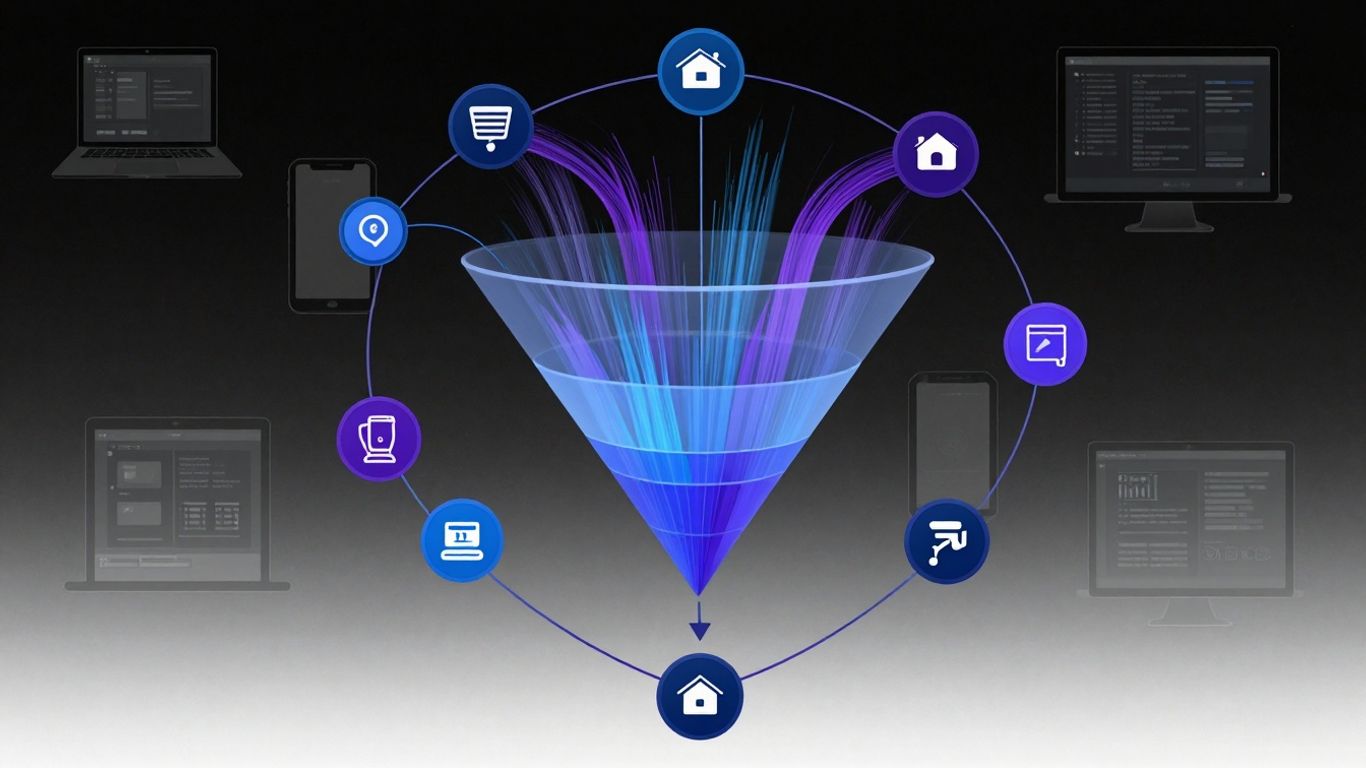
The political landscape is always changing, and so is how we reach voters online. With new privacy rules coming into effect, especially by 2026, running effective political multi-platform retargeting campaigns means we need to be smart about how we use data. This isn't just about cookies anymore; it's about building trust and using information responsibly to connect with people across different platforms. We need a strategy that works now and will keep working as things evolve.
Key Takeaways
Focus on collecting your own data (first-party data) since it's reliable and builds trust with voters.
Work with partners to share data (second-party data) when it makes sense, but always be clear about how it's used.
Understand and follow all privacy rules. Be open with people about how you use their information.
Use new methods like contextual targeting, which shows ads based on what people are looking at, not who they are, and explore AI to make campaigns better.
Test your strategies carefully on a small scale before rolling them out widely to see what really works.
Building A Resilient Political Multi-Platform Retargeting Strategy

Alright, let's talk about building a political retargeting strategy that won't crumble when the privacy rules get tighter. It feels like every year there's a new set of regulations or platform changes to deal with, and 2026 is shaping up to be no different. The old ways of just grabbing data and blasting ads everywhere? Yeah, those days are pretty much over.
Understanding The Shifting Data Landscape
It's no secret that the digital advertising world is changing fast. Think about it: platforms are limiting how much data they share, browsers are blocking cookies, and users are getting more aware of how their information is used. For political campaigns, this means we can't just rely on third-party data like we used to. We need to be smarter about how we find and connect with voters. This isn't just about avoiding fines; it's about building trust and making sure our message actually reaches the right people without being creepy.
The landscape is shifting from a broad, data-heavy approach to one that's more focused on quality, consent, and context. Campaigns that adapt now will be the ones that succeed later.
Prioritizing First-Party Data Collection
This is where things get really important. First-party data – the information you collect directly from your supporters, volunteers, and website visitors – is gold. It's data you own, and it's not subject to the same restrictions as third-party data. We're talking about:
Email sign-ups from your website
Donations and contact information collected during fundraising
Volunteer sign-up forms
Surveys and polls you run directly
Engagement data from your own apps or SMS lists
Building up this owned data set is key. It allows for more accurate targeting and a more personal connection with individuals who have already shown interest in your campaign. It's about creating a direct line of communication that you control. You can learn more about building a successful strategy for the coming years at this guide.
Leveraging Second-Party Data Through Partnerships
While first-party data is king, don't forget about second-party data. This is essentially someone else's first-party data that you gain access to through a direct partnership. For political campaigns, this could mean:
Collaborating with allied organizations or PACs to share anonymized, aggregated audience insights (with proper consent, of course).
Partnering with non-profits or advocacy groups that have a similar audience but aren't direct competitors.
These partnerships need to be carefully structured, focusing on mutual benefit and strict adherence to privacy guidelines. It's about expanding your reach intelligently, not just collecting more data for the sake of it. Think of it as finding trusted allies in the data space.
Navigating Privacy Regulations For Effective Retargeting
Okay, so the privacy rules are changing, and it feels like every week there's a new update. It’s enough to make your head spin, right? But honestly, it’s not the end of the world for political retargeting. We just need to get smarter about how we do things. The key is to shift our focus from invasive tracking to building trust and providing real value.
Adapting To Evolving Privacy Frameworks
Think of privacy regulations like the weather – they’re always shifting. What worked last year might not fly today. We’re seeing more restrictions on how data can be collected and used, especially with third-party cookies on their way out. This means we can't just rely on those old methods anymore. Instead, we need to look at approaches that respect user privacy from the ground up. Contextual targeting, for example, is becoming a big deal. It’s all about placing ads based on the content someone is viewing, not on their past browsing history. This way, ads feel more relevant and less creepy. It’s a win-win: users see ads that make sense, and we stay on the right side of the rules. We also need to keep an eye on new laws and platform policies, like those from Meta, which offer some transparency on political ads in their Ad Library.
Ensuring Transparency In Data Activation
People are more aware of their data these days, and they want to know what’s going on. When we activate data for retargeting, we need to be upfront about it. This means being clear about what data we’re using and why. If we’re using first-party data, like email sign-ups, we should have clear consent. For other data sources, we need to make sure they’re collected and used ethically. It’s about building confidence with voters. If people feel like their privacy is respected, they’re more likely to engage with our message. Transparency isn't just a nice-to-have; it’s becoming a requirement.
Implementing Robust Governance And Compliance
This is where things get a bit more technical, but it’s super important. We need solid processes in place to manage our data responsibly. This includes:
Consent Management: Keeping accurate records of who gave us permission to use their data and for what purpose. This is non-negotiable.
Data Minimization: Only collecting the data we absolutely need. Less data means less risk.
Regular Audits: Checking our systems and processes to make sure we’re still compliant and that our data is accurate.
Partner Vetting: If we work with other companies, we need to be sure they also have strong privacy practices.
Building a strong governance framework isn't just about avoiding fines; it's about building a sustainable and trustworthy operation. It means treating data privacy as a core part of our campaign strategy, not an afterthought. This proactive approach helps us stay ahead of the curve and maintain voter confidence.
We also need to think about how we measure success. Instead of just looking at clicks, we should be measuring things like consent opt-in rates and how well our data is matched. Tracking metrics like conversion rates and customer acquisition cost, compared to campaigns without specific data targeting, helps show the real impact. It’s about making sure our data efforts are not only compliant but also driving actual results for the campaign.
Future-Proofing Your Political Multi-Platform Retargeting Funnel
Okay, so we've talked about data and privacy, but what about keeping your retargeting game strong for the long haul? It's not just about what works today; it's about building something that can adapt. Think of it like building a house that can withstand future storms, not just the ones we see now.
Embracing Contextual Targeting For Relevance
This is a big one. Instead of just chasing people around the internet based on their past clicks, we're talking about showing ads that make sense right now, based on what they're actually looking at. If someone's reading an article about local policy, showing them an ad about a candidate's stance on that exact issue? That's way more effective and less creepy.
Contextual targeting means showing ads based on the content of the page or app the user is currently viewing, not their past behavior.
This approach is becoming super important because it doesn't rely on personal data that's getting harder to access. It's about being smart and relevant in the moment.
Here's a quick look at why it's a good move:
Privacy-Friendly: Doesn't need cookies or personal identifiers.
Relevant: Ads align with user's current interest.
Brand Safe: You can set rules to avoid showing ads next to inappropriate content.
We need to shift our thinking from
Strengthening Your First-Party Data Foundation
Okay, so we've talked about the changing data world and why it's getting trickier to rely on outside sources. Now, let's get real about what you can control: your own first-party data. This is the bedrock of any solid retargeting strategy, especially with privacy rules tightening up. Think of it as your most trusted asset. It's the information you collect directly from people interacting with your campaign, website, or app. This means you know exactly where it came from and, ideally, that people were okay with you collecting it.
Standardizing Event Tracking and Identifiers
First things first, you need to get your tracking in order. If you're not consistently logging what people do – like visiting a specific page, clicking a button, or watching a video – you're flying blind. This means setting up clear rules for what events get tracked and how they get tagged. We're talking about things like unique user IDs, email addresses (when provided), or even device IDs. The goal is to create a unified view of each individual's journey, no matter how they interact with you. This consistency is key for accurate audience building and measurement later on. Without it, your retargeting lists will be a mess, and you won't know what's actually working.
Establishing Accurate Consent Records
This is non-negotiable. People need to know you're collecting their data and agree to it. This isn't just about ticking a box; it's about building trust. You need a system that clearly records when and how someone gave consent. Was it through a website pop-up? A sign-up form? Did they agree to receive emails? Your system should log this information accurately. This protects you legally and also helps you segment audiences more effectively – you can target people who have explicitly opted into certain types of communication, for example. It’s about respecting their choices.
Preparing For Responsible Data Activation
Once you've got your data collection and consent sorted, it's time to think about how you'll actually use it. This means having a plan for how you'll activate this first-party data across different platforms. It involves setting up the technical connections needed to upload your audience lists or use them for custom targeting. You also need to think about data hygiene – keeping your lists clean and up-to-date. This preparation ensures that when you're ready to launch a retargeting campaign, your data is ready to go, compliant, and effective. It’s about making sure your hard-won data actually leads to results.
Building a strong first-party data foundation isn't just a technical task; it's a strategic imperative. It requires clear processes, consistent execution, and a commitment to respecting user privacy. Without this solid base, any retargeting efforts built on top will be shaky at best and non-compliant at worst. Think of it as building a house – you need a strong foundation before you start adding walls and a roof.
Strategic Application Of Data In Political Campaigns
So, we've talked about gathering data and making sure it's clean and compliant. Now, let's get into how we actually use it in political campaigns. It's not just about having data; it's about using the right data at the right time to make smart decisions. Think of it like a chef using different ingredients – you wouldn't use sugar in a savory stew, right? The same applies here.
Balancing First, Second, And Third-Party Data
Most campaigns end up using a mix of data types, and that's usually the smart play. You've got your first-party data – that's the goldmine of information you collect directly from your supporters, like email sign-ups, donation history, or website interactions. Then there's second-party data, which you get through partnerships with other organizations. This can be super useful for finding new audiences that align with your campaign's message. Finally, third-party data comes from data brokers. While it's gotten trickier to use lately, it can still help fill in gaps or give you a broader market view. The trick is knowing when and how to use each one.
Here’s a quick look at how these data types often play out:
Acquisition: Use your own supporter data to find similar people. Partner data can introduce you to new, relevant groups. Third-party data might help you test entirely new markets or scale up awareness quickly, but always double-check its quality.
Personalization: Your own behavioral data (like what pages people visit on your site) and what they tell you directly (like survey answers) are key here. Partner data can make your messages even more on-point. For example, if you're partnering with a voter registration group, you can tailor messages based on their data.
Measurement: Your own data is your main source for seeing if your campaigns are actually working. Partner data can help you measure the success of joint efforts. Think about a co-hosted event – you'll want to see how both organizations' efforts contributed.
The legal landscape surrounding data is rapidly evolving. Key trends include increased oversight of AI, new restrictions on data transfers, enhanced child privacy regulations, and strengthened cybersecurity measures. These changes are reshaping how organizations manage and protect data. data management
Measuring Incrementality For Optimal Mix
Okay, so you've got your data mix. But how do you know if it's actually working? This is where measuring incrementality comes in. It's all about figuring out what your campaign added that wouldn't have happened otherwise. Did that ad you ran actually convince someone to donate, or would they have donated anyway? This helps you avoid wasting money on things that don't move the needle.
For example, you might run a test where you show a specific ad to one group of people (the test group) and not to another similar group (the control group). By comparing the actions of both groups, you can see the true impact of that ad. This kind of testing is vital for figuring out the best combination of data sources and tactics for your campaign.
Utilizing Clean Rooms For Secure Collaboration
Clean rooms are becoming a big deal, especially with privacy rules getting tighter. Basically, they're secure environments where different parties can analyze data together without actually sharing their raw, sensitive information. Imagine you want to partner with another campaign or organization. Instead of swapping lists, you both upload your anonymized data into a clean room. Then, you can run analyses together to find common ground or measure joint campaign impact, all while keeping your individual data private and secure. It’s a way to collaborate safely in a world where data sharing is becoming more restricted. This approach is key for building trust and working effectively with partners, especially when dealing with sensitive voter information. It allows for deeper insights without compromising privacy, which is a win-win for everyone involved.
Piloting And Scaling Your Retargeting Efforts

So, you've got a plan for collecting data and a strategy for using it. That's great! But how do you actually do it without messing things up? It's all about testing the waters before you jump in. Think of it like trying a new recipe – you wouldn't make a giant batch for a party without tasting it first, right?
Running Controlled Tests For Impact Measurement
This is where you get to be a bit of a scientist. Before you go all-in with a new retargeting approach, especially one that relies on fresh data sources or new platforms, you need to run some small, controlled tests. The goal here is to see if it actually works and how well it works, compared to what you're already doing. You're not just looking at clicks; you want to see if these people are actually becoming supporters or taking the actions you want them to.
Here’s a simple way to think about setting up these tests:
Define Your Hypothesis: What do you expect to happen? For example, "Testing retargeting ads on Platform X to users who visited our donation page will result in a 15% higher conversion rate than our current approach."
Set Up Your Test Groups: You'll need at least two groups: a control group (who sees your existing ads or no ads) and a test group (who sees the new retargeting ads). Make sure these groups are similar in size and demographics.
Choose Your Metrics: What will you measure to see if your hypothesis is right? This could be conversion rate, cost per acquisition, engagement rate, or even something more specific like volunteer sign-ups.
Run the Test: Let it run for a defined period. Don't make changes mid-test unless something is clearly broken.
Analyze the Results: Compare the performance of the test group against the control group. Did you see a significant difference? Was it positive or negative?
The key is to isolate variables. If you change too many things at once, you'll never know what actually made the difference. Stick to testing one new idea at a time.
Benchmarking Against First-Party Data Cohorts
Your own data is gold. When you're testing new retargeting strategies, it's super important to compare how they perform against your existing audiences, especially those built from your first-party data. Why? Because your first-party data represents people who already know you and have shown interest. If a new strategy can't even beat that, it's probably not worth the investment.
Think about it like this:
High-Performing Cohorts: These are your loyal supporters, past donors, or engaged email subscribers. They should be your benchmark for success.
New Strategy Cohorts: These are the audiences you're trying to reach with your new retargeting efforts. Are they performing as well as your known supporters?
If your new ads are driving people to your site but they aren't converting at the same rate as your existing email list, you've got a problem. Maybe the targeting is off, or the message isn't landing. You need to see if the new approach is adding value, not just replacing conversions you would have gotten anyway.
Expanding Successful Partnerships And Workflows
Once you've run your tests and seen some real success – maybe a new platform delivered better results, or a partnership brought in a valuable new audience segment – it's time to scale up. This isn't just about spending more money; it's about making your successful workflows more robust and expanding them to other areas.
Here’s what that looks like:
Formalize What Works: If a particular data-sharing partnership was a winner, look for ways to deepen it or replicate it with other like-minded organizations. Document the process so it's repeatable.
Automate Where Possible: If you found a successful campaign structure, see if you can automate parts of it. This could involve setting up automated rules for bidding, audience adjustments, or reporting.
Train Your Team: Make sure everyone involved understands the successful strategy and how to implement it. Share the results and the lessons learned.
Reallocate Budget: Shift resources from underperforming tests or strategies to the ones that have proven their worth. This is how you build momentum and get better returns over time.
Scaling isn't just about doing more of the same; it's about doing more of what works and doing it smarter. It’s about taking those small wins and turning them into a consistent, reliable engine for reaching voters.
Looking Ahead: Building for the Future
So, we've talked a lot about what's changing and why it matters. The big takeaway here is that relying on old ways of doing things, especially those that depend heavily on third-party data, just isn't going to cut it anymore. It's time to get serious about building a marketing strategy that puts privacy first, not just because it's the law, but because it's what people expect. Focusing on your own first-party data, using second-party data smartly, and maybe even exploring things like contextual targeting are the ways forward. It might seem like a lot, but by taking it step-by-step, you can build a system that works now and will keep working as things keep changing. It’s about being smart, being adaptable, and ultimately, building better relationships with your audience.
Frequently Asked Questions
What does 'retargeting' mean in political campaigns?
Retargeting is like showing ads to people who have already shown interest in your campaign. Imagine someone visits your campaign's website or watches one of your videos. Retargeting helps you show them more ads later, on different websites or apps, to remind them to take action, like voting or donating.
Why are privacy rules changing, and how does it affect political ads?
Governments and tech companies are making new rules to protect people's personal information online. This means it's getting harder to track what people do across different websites. For political campaigns, this makes it trickier to show ads to the right people at the right time, especially if they rely on old methods of tracking.
What is 'first-party data' and why is it important?
First-party data is information you collect directly from people who interact with your campaign. This could be email addresses from people who signed up, or information about who visited your website. It's super important because it's information you own and trust, and it's less affected by privacy changes.
What is 'contextual targeting' and how does it help?
Contextual targeting means showing ads based on the content someone is looking at, not based on their past behavior. For example, if someone is reading an article about voting rights, you could show them an ad related to that topic. This is a good way to reach people without needing to track them personally.
How can AI help with political retargeting?
AI, which stands for Artificial Intelligence, can help make ads smarter. It can analyze large amounts of information to figure out the best times and places to show ads, or even help create different versions of ads that might work better for different groups of people. This makes campaigns more effective.
What does it mean to 'pilot' and 'scale' a retargeting effort?
Piloting means trying out your retargeting strategy on a small scale first to see if it works. You test it with a limited group or a specific partnership. If the pilot is successful, you 'scale' it up by using the same successful methods with a larger audience or more partners.