
Carlos Courtney
Political Advertising
Biometric Voter Ads: Tech That Personalizes for Unmatched Engagement
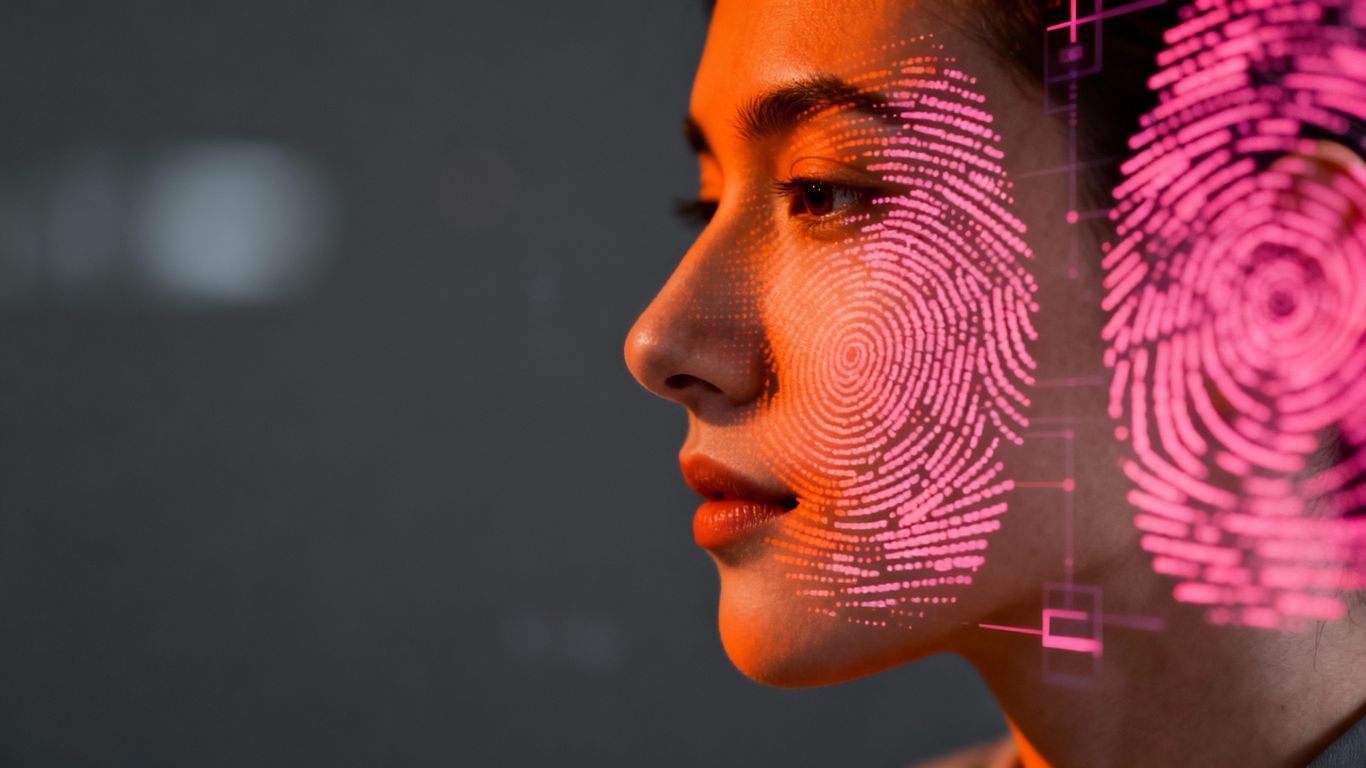
Political campaigns are getting really smart, using technology to talk to voters in ways that feel super personal. It's all about using data, especially what we do online, to figure out what makes each person tick. This article looks at how these new tools, often called biometric voter ads, work and what they mean for elections.
Key Takeaways
AI helps campaigns create ads that feel like they're made just for you, looking at what you like and what you care about online.
These ads can be made quickly and sent out everywhere, showing different messages to different people based on what the AI thinks they want to hear.
Campaigns use personal information to guess what voters want and target their feelings, which can be effective but also a bit sneaky.
There are big questions about privacy and if this kind of targeting is fair, especially when it's hard to see who is saying what to whom.
The technology is changing fast, with AI adapting messages on the fly and creating content automatically, making campaigns very responsive.
The Power of Biometric Voter Ads
Political campaigns have been transformed by digital tools and artificial intelligence. These technologies have fundamentally altered how candidates engage with voters and conduct their campaigns, marking a significant departure from historical methods. It's a whole new ballgame out there.
AI's Role in Hyper-Personalized Political Advertisements
Artificial intelligence is really changing the game when it comes to political ads. Instead of broad messages, AI allows campaigns to get super specific. They can look at all sorts of data – what you like online, where you go, even what you buy – to figure out what makes you tick. This means ads can be crafted to speak directly to your personal concerns and interests. It’s like having a one-on-one chat, but with thousands, even millions, of people at once. This level of personalization is something we haven't really seen before in politics.
Transforming Political Advertising with Artificial Intelligence
Think about how ads used to be. You'd see the same commercial on TV, or the same flyer in the mail, for everyone. Now, AI can take that same core message and tweak it for different people. It can change the words, the images, even the tone, all based on what the AI predicts will get your attention. This isn't just about making ads more interesting; it's about making them more effective. Campaigns can use these tools to understand voter behavior in ways that were impossible just a few years ago.
Data Collection and Audience Segmentation for Precision
To make these personalized ads work, campaigns need data. Lots of it. They gather information from social media, websites you visit, and other digital footprints. Then, AI steps in to sort through all this information. It groups people into very specific categories, or segments, based on their likely views, worries, or even their personality traits. This allows campaigns to:
Identify voters who are undecided.
Target specific demographics with tailored policy points.
Understand the emotional drivers behind voting decisions.
This detailed segmentation means that political messaging can become incredibly precise, aiming to connect with each individual on a deeply personal level. It moves beyond general appeals to address specific hopes and fears.
Crafting Tailored Messages with AI

Artificial intelligence is changing how political campaigns put together their ads. It's not about making one message for everyone anymore. Instead, AI helps create messages that feel like they're speaking directly to you. This is done by looking at a lot of information about voters. Think about everything from what people post online to what they search for. AI systems can sort through all this data to figure out what issues are important to different people. Then, they help make ads that focus on those specific issues.
Generative AI for Automated Ad Creation at Scale
Generative AI tools are a big help here. They can create lots of different ad versions quickly. Imagine needing ads about jobs for one group and ads about healthcare for another. AI can write the text, suggest images, and even help with video scripts for all these different versions. This means campaigns can produce a huge number of personalized ads without needing a massive team of writers and designers. It's about making sure the message fits the person seeing it, and doing it fast and on a large scale. This approach helps campaigns refresh their brand and connect with voters on a more personal level.
Microtargeting Across Digital Platforms for Individual Appeal
Once the ads are made, AI helps put them in front of the right people. This is called microtargeting. AI looks at voter data and figures out which platforms each person uses and when they are most likely to see an ad. So, someone who spends a lot of time on social media might see ads there, while someone who reads news websites might see them on those sites. The goal is to make each ad feel like it was made just for that person, talking about what they care about. It’s a way to make political advertising feel less like a broadcast and more like a conversation.
Optimizing Ad Delivery for Maximum Engagement
AI doesn't just create and place ads; it also watches how they perform. It tracks things like how many people click on an ad, how long they watch a video, or if they share it. Based on this information, AI can make changes on the fly. Maybe one version of an ad isn't getting much attention, so AI can show a different version more often. Or, if ads are working well at a certain time of day, AI can schedule more ads to run then. This constant adjustment helps make sure the campaign's message is seen by the most people and has the biggest impact.
AI helps campaigns understand voters better by looking at their online actions and preferences. This allows for messages that speak directly to individual concerns, making political advertising feel more personal and relevant. The technology can also predict which messages are likely to get a response, helping campaigns focus their efforts more effectively.
Here’s a look at how AI helps tailor messages:
Data Analysis: AI sifts through vast amounts of voter data to identify patterns and preferences.
Content Generation: Generative AI creates multiple ad variations suited for different voter segments.
Platform Placement: AI determines the best digital channels and times to reach specific individuals.
Performance Tracking: AI monitors ad engagement and suggests real-time adjustments for better results.
Understanding Voter Motivations
To really connect with voters, campaigns need to get inside their heads. It's not just about knowing who they are, but why they vote the way they do. AI is making this possible in ways we haven't seen before.
Leveraging Personal Data for Hyper-Targeted Messaging
Think about it: your online activity, what you search for, what you click on – it all paints a picture. AI systems can take all this information and build detailed profiles. They look at things like how you interact with political content, what topics get you fired up, or what makes you worried. This goes way beyond basic demographics like age or location. It's about understanding your personal drivers.
Identifying emotional triggers: AI can spot what issues make you feel strongly, whether it's hope, fear, or a sense of belonging.
Mapping behavioral patterns: By looking at your online habits, AI can guess how you might react to different messages.
Creating psychographic segments: This allows campaigns to group voters based on personality traits and underlying tendencies, not just surface-level data.
This level of detail allows for messages that feel like they were written just for you. It's like having a one-on-one conversation, but on a massive scale. Campaigns can then tailor ads to address your specific concerns and aspirations, making the message much more likely to stick. This is a big shift from the old days of mass mailers and generic TV spots. It's all about precision communication, and it's changing the game for political ad spending.
Predictive Modeling of Voter Decisions
Once campaigns have a handle on motivations, they can start predicting what voters will do. AI models analyze historical voting records, online behavior, and even sentiment shifts to forecast decisions. This helps them figure out which groups might be undecided, which are likely to turn out, and which might be open to persuasion.
Predictive analytics allows campaigns to anticipate voter needs and potential shifts in opinion before they become widespread. This proactive approach means they can adjust their strategies in near real-time, responding to emerging trends rather than reacting to them.
This predictive power is incredibly useful for allocating resources. Campaigns can focus their efforts – whether it's ads, phone calls, or volunteer time – on the voters who are most likely to make a difference. It's about working smarter, not just harder, and making sure every dollar and every minute counts.
Emotional Targeting and Psychological Profiling
This is where things get really interesting, and maybe a little unsettling. AI can analyze the emotional tone of online discussions to gauge public mood. Are people feeling optimistic? Concerned? Angry? By understanding these sentiments, campaigns can fine-tune their messages to hit the right emotional notes. They can figure out what kind of language, imagery, or policy proposals will spark the desired emotional response.
Sentiment analysis: Gauging the overall mood around specific topics or candidates.
Emotional mapping: Connecting specific issues or events to particular emotional reactions in different voter groups.
Psychological profiling: Building profiles that go beyond demographics to understand underlying personality traits and cognitive biases that influence decision-making.
This allows for a kind of psychological targeting. Campaigns can craft messages designed to appeal to a voter's sense of security, their desire for change, or their feelings of loyalty. It's about understanding the deep-seated psychological factors that drive people to the polls and using that knowledge to shape their choices.
Ethical Considerations in Biometric Voter Ads
Using technology to personalize political ads for voters brings up some serious questions we need to think about. It's not just about getting a message out; it's about how that message is crafted and delivered, and what that means for fairness and privacy.
Manipulation Through Microtargeting and Emotional Exploitation
When campaigns get really good at knowing what makes each person tick, there's a risk they might use that knowledge to play on people's fears or anger. This kind of hyper-personalization can create echo chambers, where people only see things that confirm what they already believe, making it harder to have a balanced view. It's like a digital bubble that's hard to pop. Instead of focusing on issues, ads might start to target specific emotional triggers, which isn't really about informing voters but about nudging them in a certain direction without them fully realizing it. This can make political conversations more divided and less about finding common ground. We've seen how AI can analyze public sentiment, but the line between understanding concerns and exploiting them is thin. Campaigns need to be careful to use insights to address real issues with facts, not just to stir up feelings. This is a big part of why responsible AI use in campaigns is so important.
Privacy and Surveillance Concerns in Data Usage
Collecting so much personal data to tailor ads raises big privacy flags. Voters often don't know the extent of information being gathered or how it's being used to influence them. This can feel like surveillance, especially when data is gathered without clear consent or is used in ways voters didn't expect. Keeping voter information safe is key. This means being clear about what data is collected, why it's needed, and how it's protected. Following rules like the GDPR is a start, but campaigns should go further by anonymizing data when possible and deleting it when it's no longer needed. Building trust means showing voters that their information is respected and secure.
Transparency and Accountability in AI-Driven Campaigns
One of the biggest challenges is figuring out who's responsible when AI is involved. If an algorithm creates a misleading ad, who's to blame? The developers? The campaign team? The platform? It gets complicated fast. There needs to be a clear way to know when AI is being used to create or distribute political content. This transparency helps voters understand how their information might be shaping the messages they see. Without it, it's easy for AI to spread biased or false information without anyone being held accountable. This lack of clarity can really chip away at trust in the whole electoral management system. It's about making sure that while technology advances, the core principles of fair elections and informed public discourse aren't left behind.
Global Applications of AI in Elections
Case Studies of AI-Powered Political Advertising Worldwide
It's pretty wild how much AI is changing elections all over the world. We're seeing it used in big ways, not just in one or two countries. Think about it: campaigns can now talk to voters in ways that feel super personal, almost like they know them individually. This isn't just about sending out generic emails anymore. AI helps create messages that hit home, using language and topics that matter to specific groups of people. It's like having a million tiny conversations happening at once, all managed by smart computer programs.
The sheer scale at which AI can now operate is what's truly remarkable. Campaigns can churn out different versions of ads, speeches, and social media posts faster than ever before. They can even tweak these messages in real-time based on how people are reacting. This means a campaign might test one approach in one town and a completely different one in another, all within the same day. It's a level of precision that was unthinkable just a few years ago.
Balancing Innovation with Electoral Integrity
Of course, all this new tech brings up some big questions. How do we make sure it's being used fairly? When AI can create messages that are so perfectly tailored, it starts to blur the lines between persuasion and manipulation. It's easy to see how this could be used to spread misleading information or to unfairly target certain groups of people. Election officials and lawmakers are really grappling with how to keep up.
Here are some of the main challenges they're facing:
Keeping things transparent: Voters often don't know when they're seeing an AI-generated message or how their data is being used to create it.
Preventing manipulation: AI can be used to exploit people's emotions or biases, which isn't really fair play in an election.
Ensuring accuracy: The same tools that help create content can also be used to make fake news or deepfake videos that look incredibly real.
The push for more sophisticated AI in political campaigns is constant. While the benefits of efficiency and personalization are clear, the potential downsides for democratic processes are significant. Finding the right balance between embracing new technologies and safeguarding the integrity of elections is a global challenge that requires ongoing attention and thoughtful regulation.
The Future of Biometric Voter Ads
Looking ahead, it's clear that AI will continue to play a bigger role in how elections are run. We're likely to see even more advanced tools that can analyze voter sentiment with greater accuracy and create even more personalized content. The debate will likely shift towards how to best regulate these technologies to protect voters and maintain trust in democratic institutions. It's a fast-moving area, and staying informed about these developments is key for anyone interested in the future of politics and technology.
Real-Time Adaptation and Strategy
Political campaigns today can't just set it and forget it. The political landscape shifts fast, and what works one day might fall flat the next. That's where real-time adaptation comes in, using technology to keep messages fresh and relevant. It's all about staying connected to what voters are thinking and feeling, right now.
Real-Time Sentiment Analysis for Messaging Adjustments
Think of sentiment analysis as a constant pulse check on public opinion. AI tools scan social media, news comments, and online forums to gauge the mood around specific issues or candidates. If a particular topic suddenly sparks a lot of negative chatter, the campaign can quickly adjust its talking points. This allows for a rapid response, preventing a small issue from snowballing into a major problem. For instance, if a new policy announcement gets a lot of backlash online, the campaign can immediately release a statement clarifying its position or addressing concerns. This kind of agility is a game-changer compared to waiting weeks for traditional polling data.
Personalized Messaging and Microtargeting Strategies
Once you know how people are feeling, you can tailor your message. AI helps break down the electorate into smaller groups, not just by who they are, but by what they care about and how they express it. This means sending different messages to different people, even if they live next door to each other. Someone worried about their job might see ads focused on economic growth, while a parent might get messages about education. This level of personalization makes the communication feel more direct and, hopefully, more persuasive. It's about making each voter feel like the campaign is speaking directly to them, not just broadcasting a general message. This approach mirrors how businesses target their ads to specific customer interests.
Automated Ad Creation and Delivery Systems
Making all these tailored messages takes time, but AI can speed things up. Generative AI can help create variations of ad copy and visuals quickly. Then, automated systems can figure out the best time and place to show these ads to specific voters. This isn't just about blasting ads everywhere; it's about smart distribution. The system learns which platforms and times yield the best results for different voter segments. This efficiency means campaigns can test more ideas and reach more people effectively, without needing a massive human team to manage every detail. It’s a way to avoid common campaign mistakes by staying dynamic and responsive.
The ability to monitor public reaction in real-time and adjust campaign strategies accordingly is transforming how political messages are crafted and delivered. This dynamic approach, powered by AI, allows for a level of responsiveness previously unimaginable, helping campaigns stay aligned with voter sentiment and priorities throughout an election cycle.
In the fast-paced world of business, staying ahead means being able to change your plans on the fly. Our "Real-Time Adaptation and Strategy" section dives into how businesses can quickly adjust their approaches to meet new challenges and opportunities. Learn how to make smart, quick decisions that keep you in the lead. Visit our website today to discover how you can master real-time strategy!
Looking Ahead
So, we've seen how voter ads can get really personal, thanks to all this new tech. It's pretty wild how campaigns can now figure out what makes each person tick and then send them ads that seem made just for them. This means campaigns can connect with voters in ways they never could before, which is a big deal. But, it also makes you wonder about privacy and if we're being nudged in directions we don't even realize. As this technology keeps getting better, figuring out how to use it responsibly is going to be super important for everyone involved.
Frequently Asked Questions
What exactly are biometric voter ads?
Biometric voter ads are like regular ads you see online, but they're made specifically for you using information about you. Think of it as a super-smart way for political campaigns to show you ads that they think you'll care about the most, based on what they know about your interests and feelings.
How does artificial intelligence (AI) help create these ads?
AI is like the brain behind these ads. It looks at a lot of information, like what you like on social media or what you search for online. Then, it helps create different versions of ads, changing the words, pictures, and even the feeling of the ad to match what it thinks will get your attention and make you feel a certain way.
Is it okay for campaigns to use so much personal information?
This is a big question. Using personal information to make ads more interesting can be helpful, but it also brings up worries. Some people worry that campaigns might use this information to trick voters or that our private information isn't safe. It's important to know how our data is being used.
Can these ads try to trick people's feelings?
Yes, that's a concern. Because AI can figure out what makes people feel happy, sad, or worried, ads can be made to play on those feelings. This is called emotional targeting. While it can make ads feel more relatable, it can also be used to influence people in ways they might not even realize, sometimes making them more angry or scared.
Are these types of ads used in elections all over the world?
Yes, they are. Campaigns in many countries are using AI to create ads that are tailored to specific voters. They've seen that this can be very effective in getting people to pay attention and perhaps vote a certain way. It's becoming a common tool in modern elections.
What does 'real-time adaptation' mean for these ads?
It means the ads can change very quickly. AI can watch how people are reacting to ads or news online and then make adjustments to the ads right away. If people seem worried about something, the ads might change to talk about that worry. It's like the campaign is listening and changing its message on the fly to keep voters engaged.