Carlos Courtney
Texas Marketing
Austin Event Marketing: Promoting Festivals and Tech Meetups Effectively
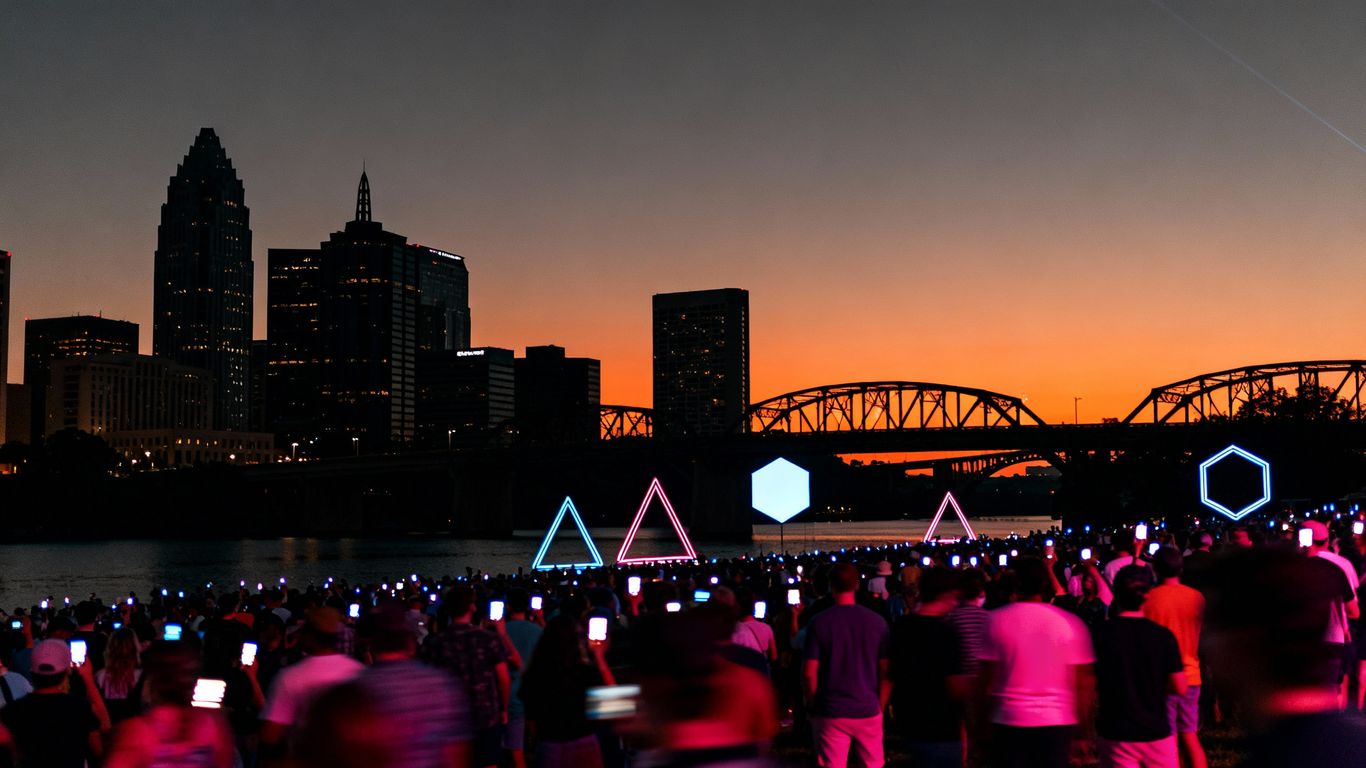
Austin is buzzing with events, from huge festivals to smaller tech meetups. Getting the word out effectively, or what we call austin event marketing, is key to making sure people show up. It's not just about putting up posters anymore; it's about smart planning and using the right tools to connect with the right folks. Whether you're promoting a big music fest or a local coding group, there's a way to make your event stand out.
Key Takeaways
Use websites, emails, and social media to get people excited about your Austin events. Make sure your website is easy to use, especially on phones, and send out emails that feel personal to the people getting them.
Your event's look and feel matter. Keep your branding consistent everywhere, from graphics to online posts, so people recognize it easily.
Don't just think about big festivals. Austin has events happening all year, especially in the tech scene. Keep promoting events even when it's not festival season.
Sometimes, you need a helping hand. Event marketing agencies can manage the details, from planning to making sure attendees have a good time, so you can focus on the event itself.
Figure out what's working. Look at the numbers – who's buying tickets, who's clicking on ads – to make your marketing better next time.
Leveraging Digital Channels for Austin Event Marketing
In Austin's fast-paced event scene, you can't just put up a flyer and hope for the best. Getting people to show up, especially for festivals and tech meetups, means getting smart about how you use online tools. It's all about meeting people where they are, and these days, that's mostly online.
Optimizing Websites for Event Engagement
Your event website is more than just a place to list dates and times. It's your digital front door. Think about making it super easy for people to find what they need, whether that's ticket info, speaker lineups, or venue details. Mobile optimization is a big deal here; most people will check your site on their phones. A clunky mobile experience can turn people away fast. Also, make sure your site loads quickly. Nobody waits around for slow pages.
Mobile-First Design: Prioritize how your site looks and works on smartphones.
Clear Calls to Action: Make it obvious how to buy tickets or register.
Fast Loading Speeds: Optimize images and code so pages load in seconds.
Event Details: Keep information like schedules, maps, and FAQs up-to-date.
Email Marketing Strategies for Targeted Audiences
Email is still a powerhouse for event promotion, but you've got to use it right. Sending the same generic email to everyone just doesn't cut it anymore. You need to segment your list. If someone showed interest in a specific tech track at a previous event, send them updates about similar sessions this year. Personalized emails get way better open and click-through rates. Use automated follow-ups to remind people about early bird deadlines or to send them event schedules closer to the date. It's about building a relationship, not just blasting out announcements.
Think of your email list as a group of friends you're inviting to a party. You wouldn't just yell at them from across the street; you'd send a personal invitation, maybe mention a few things you know they'd like, and follow up to make sure they're coming.
Social Media Campaigns to Build Event Hype
Social media is where you can really build excitement. Don't just post links to your website. Share behind-the-scenes peeks, run polls about what attendees want to see, and use eye-catching visuals. For big events like SXSW 2026, a strong social media push is key to getting the word out. Consider working with influencers who are relevant to your event's niche. Paid social media ads can also be super effective for reaching specific demographics in Austin and beyond. The goal is to create a conversation and make people feel like they're part of something.
Here’s a quick look at how different platforms can work:
Instagram/TikTok: Great for visual content, short videos, and behind-the-scenes looks.
Twitter (X): Ideal for real-time updates, Q&As, and engaging with industry conversations.
LinkedIn: Perfect for promoting tech meetups and professional conferences, reaching a business-minded audience.
Facebook: Useful for community building, event pages, and targeted advertising to local audiences.
Crafting Compelling Event Branding in Austin
When you're putting on an event in Austin, whether it's a massive festival or a niche tech meetup, the way you present it matters. It's not just about having a cool event; it's about making sure people feel that coolness before they even get there. That's where branding comes in. Think of it as the personality of your event. A strong brand makes your event memorable and helps it stand out in a city that's always buzzing with activity.
Ensuring Consistent Brand Messaging
Consistency is key. Imagine seeing a poster for a music festival with a really edgy, modern design, but then the website looks super corporate and old-fashioned. It's confusing, right? Your event's message needs to be the same everywhere people encounter it – from social media posts to the actual event signage. This builds trust and makes your event feel more professional.
Here’s a simple way to think about it:
What's the core vibe? Are you aiming for sophisticated and exclusive, or fun and laid-back?
Who are you talking to? Tailor your language and tone to match your ideal attendee.
What's the main takeaway? What's the one thing you want people to remember about your event?
Keeping these questions in mind helps make sure your message doesn't get lost in translation. It’s about creating a unified experience that people can connect with.
Developing Visually Engaging Event Graphics
Austin is a visually driven city. People respond to strong imagery. Your event graphics – logos, posters, social media banners – are often the first impression you make. They need to grab attention and communicate the essence of your event quickly. This means using colors, fonts, and imagery that fit the mood you're going for. For a tech conference, you might go for clean lines and a modern color palette. For a food festival, think vibrant, appetizing visuals. It's about creating something that looks good and also tells a story about what attendees can expect.
Creating Cohesive Digital Assets
In today's world, most of your event promotion happens online. That means all your digital materials need to work together. Your website, social media profiles, email newsletters, and any online ads should all look and feel like they belong to the same event. This doesn't mean they have to be identical, but they should share common visual elements and a consistent tone. For example, if you're promoting a series of tech meetups, using the same color scheme and font across your event pages and social media posts helps build recognition. This consistency makes your event seem more legitimate and professional, which can really help with ticket sales.
When planning your digital assets, think about the attendee's journey. From the first time they see an ad to the moment they receive their ticket confirmation, every digital touchpoint should reinforce the event's brand and create a positive anticipation. It's about building a consistent narrative that guides them through the entire process.
Year-Round Event Marketing Strategies for Austin
Austin doesn't just come alive during festival season; it's a city with a pulse all year long. Thinking about your event marketing only when a major festival is on the horizon is like only watering your plants when it rains – you're missing a lot of growth opportunities. The key is to keep the momentum going, connecting with people consistently, not just when the big crowds are in town.
Beyond Festival Season: Continuous Engagement
Keeping your brand visible after the main events wrap up is super important. This means finding ways to stay in touch with the people who showed interest. Think about smaller, ongoing activations. Maybe it's a pop-up shop in a popular neighborhood, a sponsored workshop at a local co-working space, or even just a consistent social media presence that highlights Austin's unique culture and your brand's place within it. Building a loyal following requires consistent interaction, not just sporadic bursts of activity.
Targeting Tech Meetups and Industry Events
Austin's tech scene is booming, and it's not just about the big conferences. There are countless meetups, workshops, and smaller industry gatherings happening every week. These events are goldmines for targeted marketing. Imagine promoting a new software tool at a developer meetup or a cutting-edge hardware at an engineering forum. The attendees are already interested in what's new and innovative, making them a prime audience. You need to be there, not just as a sponsor, but as an active participant, ready to talk about what you offer.
Here’s a quick look at how you might approach different tech gatherings:
Developer Meetups: Focus on technical details, demos, and integration possibilities.
Startup Pitch Nights: Highlight your company's growth potential and market disruption.
Industry-Specific Conferences: Tailor your message to the specific challenges and solutions relevant to that sector.
Networking Mixers: Keep it brief, engaging, and focused on a clear call to action.
Promoting Food and Beverage Launches
Austin's food and drink scene is legendary. New restaurants, bars, and food trucks are popping up constantly. This industry thrives on buzz and word-of-mouth. Brand ambassadors can be incredibly effective here, not just handing out samples, but sharing the story behind the brand, the chef's inspiration, or the unique ingredients. Think about hosting tasting events, partnering with local influencers for reviews, or setting up sampling stations at farmers' markets and community events. It’s all about creating an experience that makes people want to come back for more.
The goal is to create a continuous conversation with your audience. Whether it's through engaging content, interactive experiences, or simply being present where your target customers gather, maintaining visibility throughout the year builds stronger connections and drives sustained interest in your events and offerings.
The Role of Event Marketing Agencies in Austin
When you're trying to get the word out about a festival or a tech meetup in Austin, it can feel like a lot. There's so much going on in this city, and cutting through the noise is tough. That's where event marketing agencies really shine. They're the pros who know how to make your event stand out.
Expert Planning and Execution of Promotional Events
These agencies do more than just book a venue. They handle the whole shebang, from figuring out the best way to get people excited before the event even starts, to making sure everything runs smoothly on the day. Think about it: they're the ones who can turn a simple idea into a full-blown, memorable experience. They understand the Austin market, what works here, and how to connect with different crowds, whether it's music lovers or tech enthusiasts. They're skilled at creating buzz and making sure your event gets the attention it deserves. For example, they can help with everything from planning a virtual roundtable to setting up a booth at a major trade show.
Building Client Relationships and Market Positioning
An agency's job isn't just about one event. They help build your brand's reputation over time. By consistently putting on great events and marketing them well, they help position your company or festival as a leader in its field. This means more than just selling tickets; it's about creating a loyal following and making sure people think of you first when they're looking for experiences like yours. They help you connect with potential clients in a real way, which is super important.
Managing Event Logistics and Attendee Experience
Let's be honest, the details of putting on an event can be overwhelming. Agencies take on that burden. They manage everything from vendor contracts and staffing to attendee registration and on-site coordination. Their goal is to create a positive experience for everyone involved, from the moment someone hears about your event to the moment they leave. This attention to detail is what separates a good event from a great one. They often have a network of reliable vendors and staff, which can save you a lot of headaches.
Working with an agency means you get access to a team that's done this a million times before. They know the pitfalls and how to avoid them, letting you focus on the bigger picture of your event's success.
Here's a quick look at what they typically handle:
Strategy Development: Figuring out who to target and the best way to reach them.
Creative Execution: Designing visuals and messaging that grab attention.
Logistics Management: Booking venues, managing vendors, and coordinating staff.
On-Site Management: Overseeing the event flow and attendee satisfaction.
Post-Event Analysis: Measuring success and gathering feedback for future events.
They can also help you find the right people to represent your brand, like a team of brand ambassadors who truly get what you're about.
Data-Driven Approaches to Austin Event Promotion

Look, just throwing a party and hoping people show up isn't really a plan, right? Especially in a city like Austin, where there's always something happening. We need to get smarter about how we promote our events, and that means looking at the numbers. It’s not just about making noise; it’s about making the right noise to the right people.
Measuring Success Beyond Simple Metrics
Forget just counting how many flyers you handed out or how many people walked through the door. That’s old school. We need to dig deeper. Think about things like how many people actually clicked through from your social media post to buy a ticket, or how many attendees engaged with your event app. Did your email campaign lead to actual sign-ups, or did it just end up in the spam folder? We're talking about tracking the journey from someone first hearing about your event to them actually being there and having a good time. This gives us a real picture of what's working and what's not.
Utilizing Analytics for Strategy Refinement
This is where the magic happens. Once you have that data, you can actually use it. If you see that your Instagram ads are bringing in way more people than your Facebook ones for a specific type of event, you adjust. Maybe you spend more on Instagram and less on Facebook, or you try a different approach on Facebook. It’s about constantly tweaking your plan based on what the data tells you. For instance, if you're promoting a tech meetup, you might find that LinkedIn ads are performing best, while for a music festival, TikTok might be your go-to. It’s all about matching your promotion to the audience and the event itself. We can look at things like event sponsorships and see which ones are actually driving interest and attendance, not just visibility.
Tracking Engagement and Ticket Sales
This is pretty straightforward but super important. We need to know how many tickets are selling, obviously. But also, how are people buying them? Are they coming directly from your website, or through a partner link? Are early bird tickets selling out fast, indicating good early interest? We can use tools to see where people are dropping off in the ticket purchasing process. Maybe the checkout page is too complicated, or the pricing isn't clear. Fixing these small issues can make a big difference in your final numbers. It’s about making the whole process as smooth as possible, from the first click to the final confirmation.
The goal isn't just to get people to an event; it's to get the right people there, have them enjoy themselves, and hopefully, come back for more. Data helps us understand how to make that happen consistently.
Here’s a quick look at how different channels might perform:
Marketing Channel | Primary Metric | Secondary Metric |
|---|---|---|
Social Media Ads | Click-Through Rate (CTR) | Conversion Rate |
Email Marketing | Open Rate | Ticket Sales from Email |
Influencer Marketing | Engagement Rate | Referral Traffic |
Paid Search (PPC) | Cost Per Acquisition (CPA) | Website Traffic |
Organic Search (SEO) | Organic Traffic | Event Page Views |
Choosing the Right Marketing Channels for Austin Events
Alright, so you've got an event happening in Austin, and you need to get the word out. It sounds simple enough, right? But here's the thing: Austin is a busy place, and just shouting into the void won't cut it. You've got to be smart about where you're spending your energy and your money. Picking the right marketing channels is like choosing the best route to get somewhere – you want the one that gets you there efficiently and with the fewest roadblocks.
Think about it like this: would you advertise a new craft brewery on a website for retirement planning? Probably not. Each platform has its own crowd, its own vibe. You need to match your event to the place where your potential attendees are already hanging out.
Platform Demographics for Targeted Outreach
This is where you really need to know who you're trying to reach. Different social media sites and online spaces attract different kinds of people. For instance:
LinkedIn: This is your go-to for anything professional. If you're promoting a tech conference, a business workshop, or anything aimed at industry leaders and decision-makers, LinkedIn is probably where you'll find them. People are there to network and learn.
Instagram: This platform is super visual. It's great for events that have a strong aesthetic appeal – think art festivals, fashion shows, or even food events where the presentation is key. Younger professionals and creative types tend to be active here.
Facebook: This is a bit of a mixed bag, which can be good. It's excellent for local community events, family-friendly gatherings, or anything that has a broad appeal across different age groups. You can really target by location and interests.
Twitter (X): If your event is happening in real-time or involves a lot of quick updates and conversations, Twitter can be a good spot. It's popular with the tech crowd and people who like to stay on top of breaking news or industry chatter.
TikTok: This is where you'll find a younger audience, often Gen Z. If your event is trendy, fun, and can be showcased in short, engaging videos, TikTok might be worth exploring. It's more consumer-focused.
Matching Channels to Event Type and Audience
So, you know who's where. Now, how does that fit with what you're actually promoting?
Tech Meetups: LinkedIn and Twitter are usually solid bets. You might also find success with targeted ads on platforms like Reddit in relevant subreddits, or even through industry-specific online forums.
Music Festivals: Instagram and TikTok are going to be your best friends here. Think eye-catching visuals, short video clips of performers, and user-generated content. Facebook can also work for broader announcements and ticket sales.
Food & Beverage Launches: Instagram is king for food. High-quality photos and videos of the food and drinks are a must. Facebook can help with local targeting and event pages. Influencer marketing on both platforms can also be very effective.
Art & Cultural Events: Instagram, Facebook, and even Pinterest can be great for showcasing the visual aspects. Local blogs and community calendars are also important.
The biggest mistake you can make is trying to be everywhere at once. It's way better to pick a few channels where your target audience is really active and do a great job there, rather than spreading yourself too thin and only being mediocre everywhere else. Focus your efforts where they'll actually make a difference.
Maximizing Reach with Strategic Channel Selection
Once you've picked your main channels, it's time to get strategic. Don't just post randomly. Think about how each channel can work together.
Content is Key: Tailor your message to each platform. What works on Instagram might not fly on LinkedIn. Use high-quality images and videos for visual platforms, and more text-based, informative content for professional networks.
Paid vs. Organic: Organic reach can be tough. Consider using paid advertising on your chosen platforms to boost visibility. Social media ads, especially on Facebook and Instagram, allow for very specific targeting based on demographics, interests, and behaviors.
Email Lists: Don't forget the power of email! If you've collected emails from past attendees or through sign-ups on your website, this is a direct line to people who are already interested. It's often one of the most cost-effective ways to promote.
Partnerships: Collaborate with local Austin businesses, influencers, or other event organizers. Cross-promotion can expose your event to new audiences.
Here's a quick look at how different channels might stack up for various event types:
Event Type | Primary Channels | Secondary Channels |
|---|---|---|
Tech Conference | LinkedIn, Twitter (X) | Facebook, Industry Blogs |
Music Festival | Instagram, TikTok | Facebook, YouTube |
Food Truck Rally | Instagram, Facebook | Local News Sites |
Art Walk | Instagram, Facebook | Local Blogs, Pinterest |
Business Networking | LinkedIn, Email | Twitter (X), Facebook |
Picking the best ways to tell people about your Austin events is super important. You want to make sure the right folks hear about your awesome happenings! Think about where your ideal guests hang out online and offline. Are they scrolling through social media, reading local blogs, or checking community boards? Finding the right spots means more people will show up and have a great time. Ready to make your next event a huge success? Visit our website to learn more about how we can help you choose the perfect channels!
Wrapping It Up
So, Austin's event scene is pretty wild, right? From massive music festivals to smaller tech talks, there's always something going on. Getting your event noticed means playing smart with your marketing. It's not just about shouting from the rooftops; it's about finding the right people on the right platforms, whether that's through slick social media, targeted emails, or even good old-fashioned word-of-mouth. Remember, making a real connection with potential attendees is key. By mixing up your strategies and staying aware of what works best for your specific crowd, you can make sure your festival or meetup doesn't just happen, but actually gets remembered. Keep experimenting, keep talking to people, and you'll see those attendance numbers climb.
Frequently Asked Questions
What is event marketing?
Event marketing is like throwing a party to tell people about something cool, whether it's a product, a service, or an idea. It's all about getting face-to-face with folks to build connections. You can host your own events, join others, or sponsor them. It helps people get a real feel for what your brand is all about.
Why is event marketing important for Austin?
Austin is a city buzzing with activity – from huge festivals to smaller tech meetups. Event marketing helps you tap into these crowds. It's a great way to stand out from the competition and connect with people in a memorable way, making them feel like more than just a number.
How can I promote my event online?
To get the word out online, you can make your event's website super easy to use, send out emails to people who might be interested, and create exciting posts on social media to build buzz. Think about using cool pictures and videos to grab attention!
Should I use a marketing agency for my event?
Hiring an event marketing agency can be super helpful. They're experts at planning and running promotional events. They can handle all the tricky details, like finding the right place, getting people there, and making sure everyone has a good time, so you can focus on your event itself.
How do I know if my event marketing is working?
You can't just count how many flyers you handed out. You need to look at real numbers, like how many people visited your website, signed up for tickets, or talked about your event online. Using these numbers helps you figure out what's working best and how to make your next event even better.
What's the best way to choose where to advertise my event?
Think about who you want to come to your event. Different places online reach different kinds of people. For example, LinkedIn is great for business events, while Instagram might be better for creative ones. Pick the places where your ideal audience hangs out the most.