Carlos Courtney
Marketing
10 Best Multi-Channel Marketing Automation Tools for 2026 (Ranked and Reviewed)

Trying to keep up with customers across emails, social media, and maybe even texts can feel like juggling chainsaws. That's where multi-channel marketing automation tools come in handy for 2026. These platforms help businesses send the right message to the right person at the right time, without a human having to manually send every single message. We looked at a bunch of these tools to figure out which ones actually make life easier and help your marketing efforts grow, instead of just adding more headaches. It's not about having the most features, but the features that work best for you.
Key Takeaways
Marketing automation tools are super important now for digital marketing, helping to make campaigns run smoother and feel more personal across different channels.
The big challenge in 2026 isn't finding automation tools, but finding ones that don't cause more problems than they solve, especially with setup and support.
When picking a tool, think about how well it works with your other software, how easy it is for your team to use, and if it actually helps your marketing and sales teams work together better.
Effective automation can really boost qualified leads and save a ton of time on tasks that used to take hours each week.
The best tool for you depends on your specific needs, like if you're an e-commerce store, a B2B company, or need something for all-around use, and how much customization you need.
Introduction
Alright, let's talk about marketing automation. It’s not exactly a new concept, but the way we do it is changing fast, especially with all these different ways to reach people now. Gone are the days when just sending an email blast was enough. Today, you’ve got social media, SMS, maybe even some in-app messages, and you need to make sure all those channels are playing nicely together. That’s where multi-channel marketing automation tools come in. They’re designed to help you manage all those different touchpoints without losing your mind.
The goal is simple: deliver the right message, to the right person, at the right time, on the right channel. Sounds easy, right? Well, it can be, if you have the right tools. These platforms help you set up automated workflows, so when someone takes a specific action – like visiting a certain page on your website or abandoning their cart – they get a relevant follow-up message automatically. This saves you a ton of time and makes your marketing feel a lot more personal to the customer.
We’re looking at the best tools available right now, heading into 2026. These aren't just basic email schedulers; they’re sophisticated systems that can handle complex campaigns across multiple platforms. We’ve sifted through the options to find the ones that really stand out for their features, ease of use, and how well they actually help businesses grow.
Here’s a quick look at what makes a good tool:
Integration Capabilities: Can it connect with your existing CRM, e-commerce platform, and other software?
Channel Support: Does it cover the channels your audience actually uses (email, SMS, social, etc.)?
Automation Features: How flexible and powerful are the workflow builders?
Analytics and Reporting: Can you actually see what’s working and what’s not?
Ease of Use: Is it something your team can actually learn and use without needing a degree in computer science?
Choosing the right platform can make a huge difference in how effective your marketing efforts are. It’s about working smarter, not just harder, and making sure your customers feel understood, not just spammed.
So, whether you’re a small business just starting out or a larger company looking to streamline your efforts, this list should give you a solid starting point for finding the multi-channel marketing automation tool that fits your needs.
What to Look for in a Multi-Channel Marketing Automation Tool
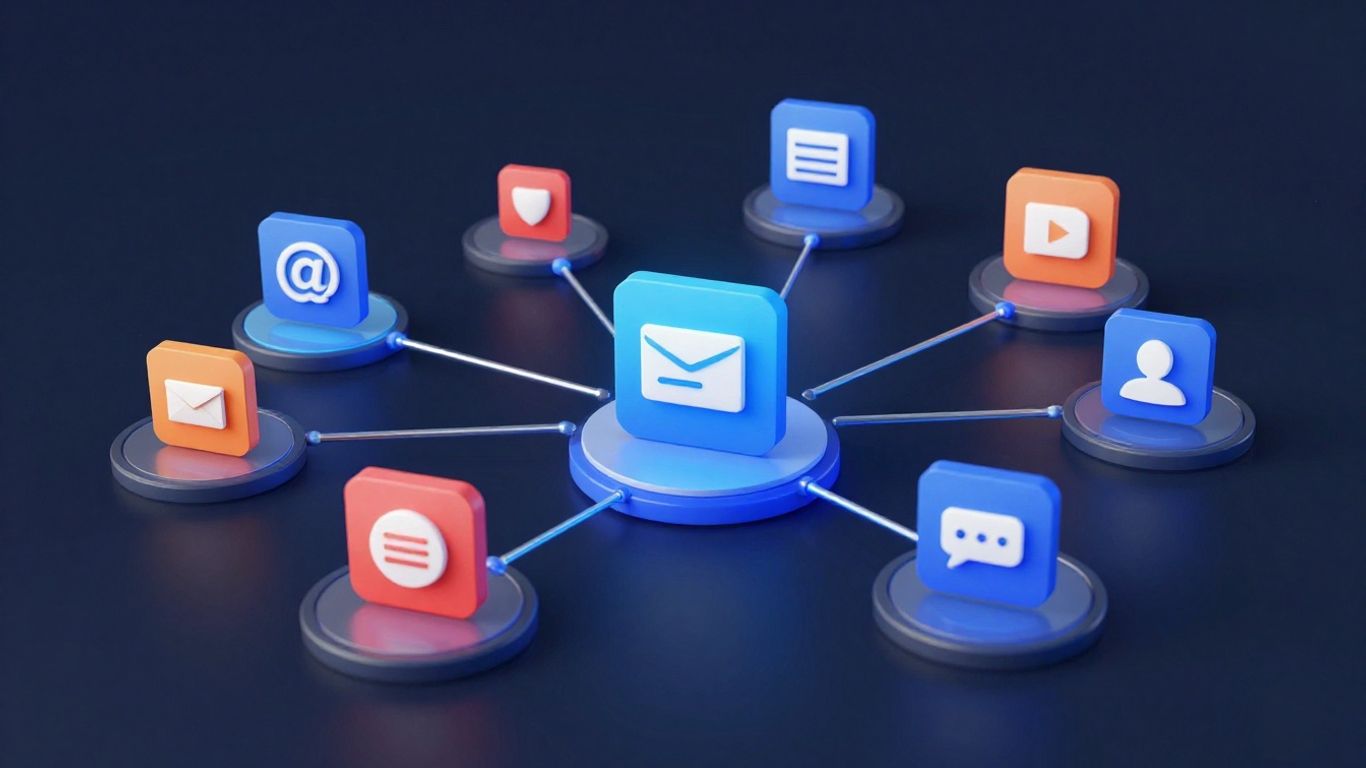
So, you're looking for a tool to handle your multichannel marketing automation, huh? It’s not as simple as just picking the first one you see. You need something that actually works with your business, not against it. Think about what you're trying to achieve. Are you trying to send emails, texts, and social media posts all at once? Or are you aiming for a more connected experience, where a customer's interaction on one channel affects what they see on another? That's where omnichannel marketing automation comes in, and it's a whole different ballgame.
Here are a few things to keep in mind:
Integration Capabilities: Does it play nice with your existing CRM, your e-commerce platform, or whatever else you use? If not, you're going to have a headache trying to get data to flow.
Ease of Use: Is the interface confusing? Can your team actually figure out how to build campaigns without needing a degree in computer science? A tool that's too complicated will just sit there, unused.
Automation Features: What kind of automations can you build? Are they simple email drips, or can you set up complex, multi-step workflows based on customer behavior? Look for visual workflow builders if you can.
Reporting and Analytics: How will you know if it's working? You need clear reports that show you what's happening across all your channels. If you can't track your results, you can't prove your marketing is doing anything.
Scalability: Will this tool grow with you? Starting small is fine, but make sure it can handle more campaigns and more customers as your business expands.
When you're evaluating these tools, don't just look at the shiny features. Think about the practical stuff. How much time will it really save you? Will it actually help your sales team get better leads? And can you afford it without selling a kidney?
Ultimately, the best multichannel marketing automation tool for you will depend on your specific needs and budget. Don't be afraid to try out free trials or demos to see how they feel in action. It’s better to spend a little extra time upfront than to be stuck with a tool that doesn’t fit your marketing automation needs later on.
The Top 10 Multi-Channel Marketing Automation Tools

Alright, let's get down to brass tacks. You're looking for the best multi channel marketing software out there for 2026, and honestly, it's a jungle. We've sifted through the noise, talked to folks actually using these things day in and day out, and focused on what really matters: does it work, is it a pain to set up, and will it actually help your team get stuff done? Forget the fancy demos; we're talking about real-world performance.
Finding the right tool can make a huge difference. It's not just about sending emails anymore; it's about connecting with customers across different platforms, like social media, SMS, and even ads, all from one place. This list is built on how well these tools scale, how easy they are to get a handle on, and if they play nice with your other software. We want tools that help your team work together, not create more headaches.
Here’s a look at some of the top contenders:
HubSpot: Often cited as an all-in-one powerhouse, it's great for businesses that want a CRM and marketing automation bundled together. It handles a lot, from email to social media, and integrates well with other sales tools. It's a solid choice if you're looking to consolidate your marketing stack.
ActiveCampaign: This one is known for its strong automation capabilities and a good range of integrations. It's particularly good for building complex customer journeys and offers AI features to help with campaign building. If you need detailed control over your automated sequences, it's worth a look.
Brevo (formerly Sendinblue): If you're watching your budget, Brevo offers a pretty good mix of features, including email, SMS, and a CRM, at a more accessible price point. It's a strong contender for small to medium-sized businesses that need a reliable multi-channel solution without breaking the bank. You can get started with their free plan.
Klaviyo: Especially popular with ecommerce businesses, Klaviyo excels at personalized email and SMS marketing. It connects directly with platforms like Shopify and WooCommerce, making it easy to set up automated flows for things like abandoned carts and post-purchase follow-ups.
Customer.io: This platform is built for powerful workflow automations and supports a wide array of marketing channels. It's a good fit for companies that need to send targeted messages based on user behavior and data, making it great for lifecycle marketing.
Omnisend: Another strong player in the ecommerce space, Omnisend offers a generous free plan and affordable upgrades. It focuses on email, SMS, and push notifications, making it easy to reach customers where they are.
Mailchimp: While known for email marketing, Mailchimp has expanded its capabilities to include more automation features across different channels. It's user-friendly and integrates with many third-party apps, making it a familiar choice for many.
Marketo Engage (Adobe): For larger enterprises, Marketo offers advanced features for lead management, campaign execution, and analytics. It's a robust system that can handle complex marketing strategies and large volumes of data.
Pardot (Salesforce): Similar to Marketo, Pardot is geared towards B2B marketing automation, with strong ties to the Salesforce ecosystem. It focuses on lead nurturing, scoring, and sales alignment.
Ortto: This tool combines marketing automation with analytics and a CRM. It uses AI to help with campaign creation and provides insights into customer behavior, aiming to drive sustainable business growth. Understanding key metrics is vital for this kind of platform, as highlighted in discussions about revenue optimization. It's a good option if you want a unified view of your customer data and marketing performance.
Choosing the right multi channel marketing software often comes down to your specific needs. Think about your team's size, your budget, and what channels are most important for reaching your customers. Don't get swayed by every bell and whistle; focus on what will actually help you connect with people and drive results.
When you're looking at these tools, consider how they handle data and integrations. A tool that connects well with your existing systems, like your CRM or sales platforms, will save you a ton of time and prevent data silos. It’s about making your marketing efforts more efficient and effective, ultimately helping to boost your EBITDA through smarter operations.
Feature Comparison Table
Alright, so you've read through the reviews and you're probably wondering how all these tools stack up against each other. It can get a bit overwhelming, right? To make things clearer, I've put together a table that breaks down some of the key features you'll want to consider when picking a multi-channel marketing automation tool. Think of this as your quick-reference guide.
This table highlights the core functionalities that differentiate these platforms.
Tool Name | Primary Use Case | Key Automation Feature | Pricing Starts At | G2 Rating | Integrations |
|---|---|---|---|---|---|
Guideflow | Product-led Growth | Interactive Demo | Free + Paid | 5.0/5 | Varies |
Zapier | App Integration | Multi-step Workflows | Custom | 4.5/5 | Extensive |
Brevo | E-commerce Automation | Workflow Builder | Free + $9/mo | 4.5/5 | Good |
HubSpot Marketing | Lead Nurturing | Visual Workflow Builder | Custom | 4.4/5 | Extensive |
Omnisend | E-commerce | Drag-and-Drop Builder | Free + $16/mo | 4.6/5 | E-commerce Focused |
ActiveCampaign | Sales-Marketing Sync | Automation Workflows | $145/mo | 4.5/5 | Extensive |
Customer.io | Data-driven Messaging | Visual Journey Builder | $100/mo | 4.4/5 | Good |
Ortto | AI-powered Campaigns | Visual Journey Builder | $169/mo | 4.4/5 | Good |
Mailchimp | Cart Recovery | Audience Segmentation | Custom | 4.4/5 | Extensive |
When you're looking at these tools, remember that the "best" one really depends on what you need. Some are super focused on e-commerce, while others are built for more complex B2B sales cycles. It's not just about the features listed here, but also how well they fit into your existing marketing stack and how easy they are for your team to actually use.
Here are a few things to keep in mind as you compare:
Ease of Use: How intuitive is the interface? Can your team jump in without extensive training?
Scalability: Will the tool grow with your business, or will you outgrow it quickly?
Support: What kind of customer support is available when you hit a snag?
Reporting: Does it give you the insights you need to see what's working and what's not?
Choosing the right platform involves looking beyond just the feature list. Consider the total cost of ownership, including any add-ons or integration fees. Also, think about how the tool will impact your team's daily workflow and overall productivity. Sometimes, a slightly more expensive tool with better support or a more intuitive interface can save you a lot of headaches down the line.
Don't forget to check out free trials or demos. Seeing how a tool handles your specific campaigns and customer data is the best way to know if it's a good fit. It’s also worth considering how these tools might interact with your financial operations, like managing working capital and cash flow, as marketing spend directly impacts that.
Conclusion
So, we've looked at a bunch of these multi-channel marketing automation tools, and it's clear there's no single magic bullet. The best one for your business really depends on what you're trying to do. Are you focused on e-commerce, trying to get more B2B leads, or managing long-term customer relationships? Each platform has its strengths, and often, you're trading off ease of use for deeper automation or more customization options.
When you're picking, really look at what's included in each pricing tier. Think about how the tool will actually fit into what you're already doing. Does it play nice with your existing software? That's a big one.
Here's a quick rundown of what to keep in mind:
Integration Capabilities: How well does it connect with your CRM, email service provider, and other essential tools?
Automation Depth: Can it handle complex, multi-step customer journeys, or is it more for basic drip campaigns?
User Experience: Is the interface intuitive enough for your team to actually use it effectively without a ton of training?
Reporting and Analytics: Can you actually see what's working and what's not, so you can make smart decisions?
The goal here isn't just to automate tasks; it's about building smarter, more efficient marketing operations. Think about how these tools can help you create repeatable processes that drive real growth, making your business more attractive and sustainable in the long run. This focus on operational improvements is key for significant returns.
Don't forget to try out free plans or demos. Mess around with it using your actual customer data and scenarios. That's the best way to see if a platform can handle your team's real needs. Finding the right fit can make a huge difference in how effectively you connect with your audience across all the different channels you use. It’s about building better business processes, not just sending more emails. You can start exploring options for building repeatable models today.
In conclusion, we've covered a lot of ground. We hope this information has been helpful. Ready to take the next step? Visit our website today to learn more and book your consultation!
Wrapping It Up
So, we've looked at a bunch of tools that can really help your marketing efforts in 2026. It’s pretty clear that picking the right one isn't a one-size-fits-all deal. What works wonders for a small online shop might be a total mismatch for a big company trying to reach businesses. Think about what your team actually needs – are you drowning in emails, struggling to keep track of leads, or just want to make sure your customers get the right message at the right time? The best tool for you will fit into your current setup without causing a headache and actually help your team work smarter, not just harder. Don't be afraid to try out a free version or a demo before committing. That's usually the best way to see if a platform is truly going to make your marketing life easier.
Frequently Asked Questions
When should my business start using marketing automation tools?
Think about using these tools when managing your marketing campaigns by hand takes more than 10 hours each week. Also, if you have more than 500 potential customers you're trying to reach, or if you feel like you're losing track of leads, it's probably time. Automation helps make sure you're always in touch with people and sending them the right messages at the right time, making them more likely to become customers.
What are the biggest advantages of marketing automation for making more money?
Marketing automation tools help you make more money by sending personalized messages to people based on what they do. This means fewer mistakes and missed chances to connect. Many businesses find they save over 12 hours a week on tasks that used to be done by hand, and leaders often see a direct increase in sales because of it.
How do I pick the best marketing automation software for my company?
To find the right tool, think about how many people are on your team, how tech-savvy they are, and what you mainly want to use it for (like selling products online or reaching other businesses). Look for features like easy-to-use tools for building campaigns, ways to connect with your customer list, and clear pricing. Tools like Brevo, Customer.io, and Ortto are good places to start looking.
Which marketing automation tools are great for online stores?
Online stores often do best with tools like Omnisend, Mailchimp, and Brevo. These are great because they focus on sending emails and text messages, and can help you get back customers who left items in their online carts. They connect easily with popular online store platforms and have ready-made messages for things like forgotten carts and product suggestions.
What marketing automation platforms work well for businesses that sell software or services to other businesses (B2B)?
Companies that sell to other businesses often like tools such as HubSpot Marketing Hub, ActiveCampaign, and Customer.io. These platforms are good at understanding how interested a potential customer is, helping with marketing strategies that target specific companies, and keeping in touch with customers through their whole journey, from signing up to using the product.
What exactly is marketing automation?
Marketing automation is like having a helpful assistant for your marketing tasks. It uses software to handle repetitive jobs, like sending emails or social media posts, at the right times. This helps you send personalized messages to many people at once without doing all the work yourself, freeing you up to focus on bigger ideas.